
In southwestern Finland, about 110 kilometres from Helsinki, Salo spreads out between birch and pine forests, the shores of the Archipelago Sea and a human-scale urban centre where an industrial past coexists with a calm cultural life. It is not a monumental city or a destination of grand architectural feats: it is a place understood by walking, listening and accepting its unhurried rhythm. Visitors expecting spectacular postcards will find something harder to photograph and harder to forget: a community that has learned to inhabit the forest without destroying it.
This feature proposes a reading of Salo as a territory of living heritage, where local identity is expressed in wood, water, seasonal food and a discreet way of welcoming. There are no grand gestures or spectacular figures here: there is a Finnish city that works, cares for its forests and offers travellers a lesson in restraint.
A city explained by water
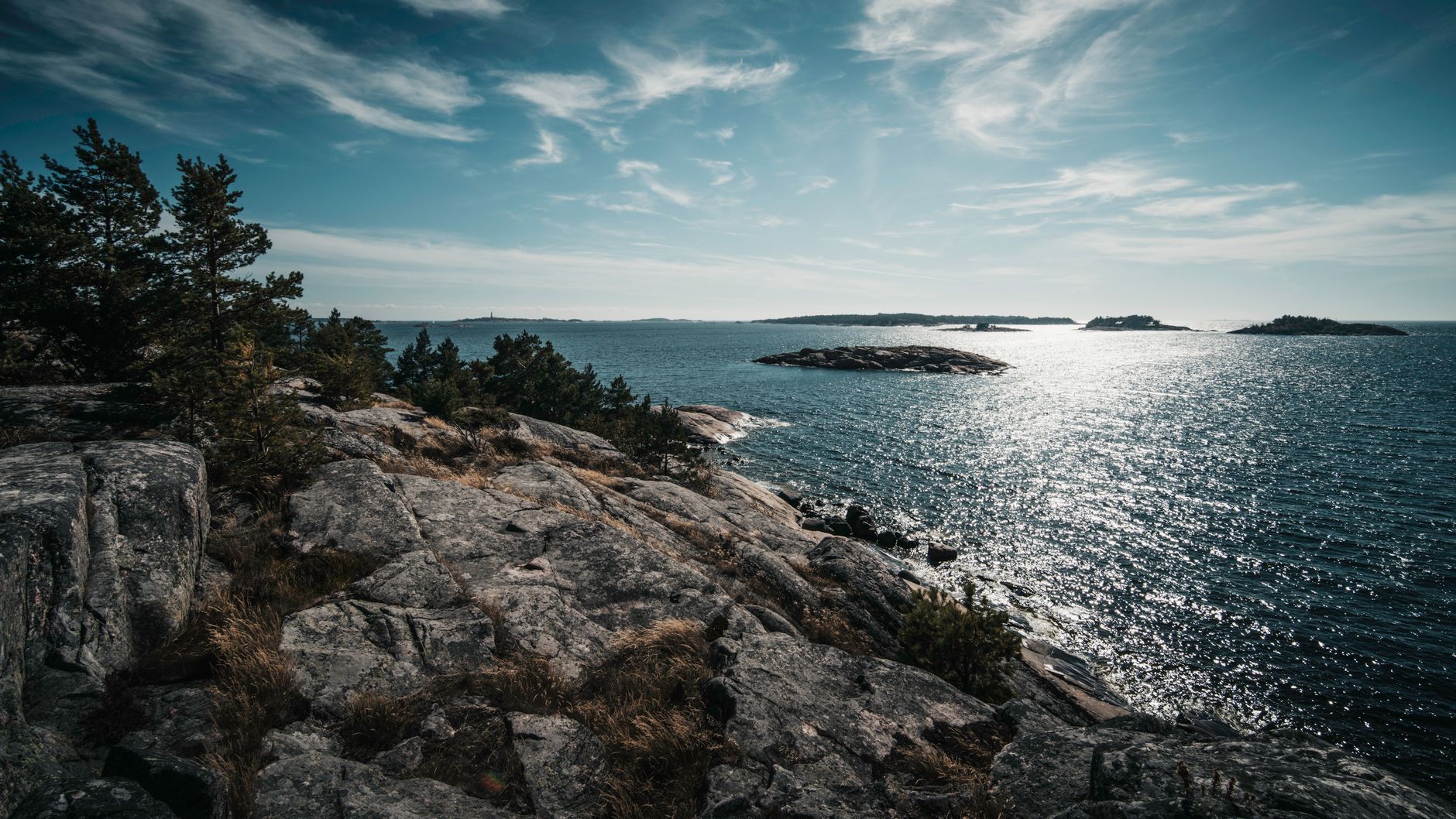
Salo sits at the northern edge of a network of islands and channels known as the Archipelago Sea, one of the most distinctive coastal areas of the Baltic. Water is not a backdrop: it is infrastructure, memory and leisure. The central quays, the small jetties and the routes that follow the coast shape daily life as much as the roads do.
For visitors, the first recommendation is simple: start with a walk along the water. There, the geography makes sense without maps. The landscape is low, green and horizontal; the sky takes up much of the composition. In summer, light lasts late; in winter, darkness invites retreat into warm interiors. That seasonal alternation is the key to local culture.
The forest as everyday heritage
Finland is a country of forests, and Salo is no exception. Around the city, managed woodlands combine timber production, conservation and recreational use. Walking these trails is one of the best ways to understand the Finnish relationship with nature: it is not about contemplating it from afar, but about using it with respect.

The so-called public right of access, enshrined in Finnish law, allows people to walk, camp temporarily and pick mushrooms or wild berries on other people’s land, provided no damage or disturbance is caused. It is a cultural norm as much as a legal one, and it explains why the forest is a shared space. Travellers should know its limits: no fires without permission, no litter, no trespassing into gardens or cultivated areas.
In Salo, the forest is not a theme park: it is a pantry, a pharmacy, a gym and a secular temple shared under unwritten rules.
The industrial legacy in transformation
Salo is known in Finland for its industrial past, linked to electronics and the manufacture of technology products. That era shaped the city, its employment and its urban landscape, and its decline forced a reinvention of the local economy. Today visitors find a town centre that mixes functional buildings, cultural spaces and a budding creative life.
It is not a museum of industry, but a city that absorbs its history without excessive nostalgia. Former production spaces are converted into cultural and educational uses, and everyday life goes on. For travellers, the lesson is interesting: heritage is not always monumental; sometimes it is a community’s ability to adapt without losing its character.
Discreet architecture, spaces that work
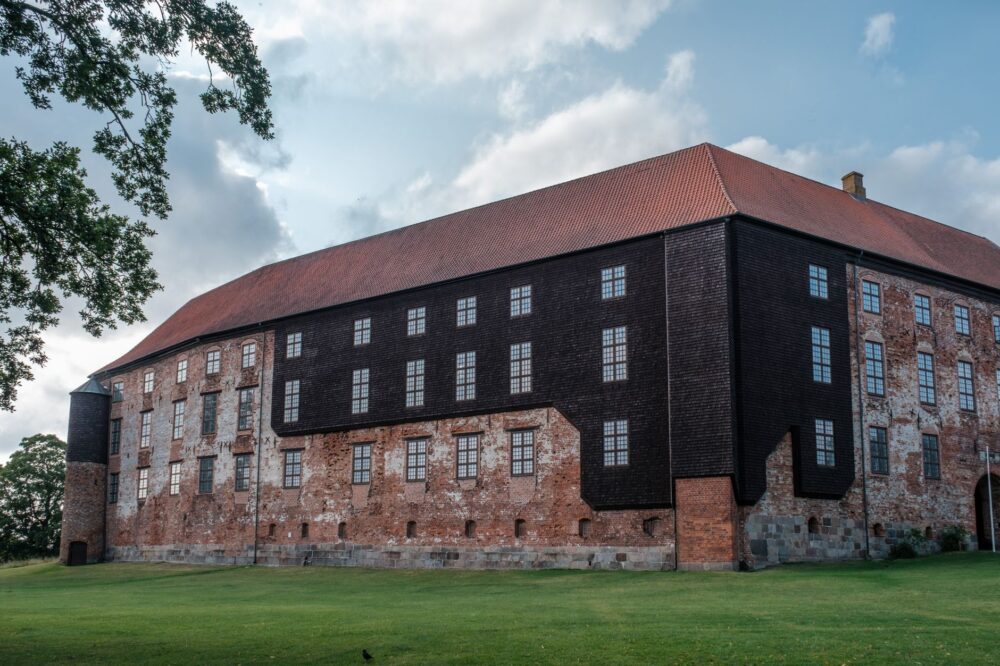
Salo’s architecture does not seek visual impact. Medium-scale buildings, simple materials and practical solutions adapted to the climate dominate. Wood, brick and glass appear in residential and public buildings that prioritise thermal insulation, natural light and function.
It is worth pausing at public spaces: libraries, sports centres, covered markets. These are places where you understand how a small society organises its common life. The municipal library, for instance, works as a meeting point, internet access and climate refuge. It is not a monument, but it is social heritage.
The Finnish table: season, forest and sea
Local gastronomy reflects the environment. In Salo and its region people eat Baltic fish, mushrooms and berries, rye bread, potatoes and dairy products. Contemporary Finnish cooking has recovered traditional ingredients and integrated them into simple, honest proposals.
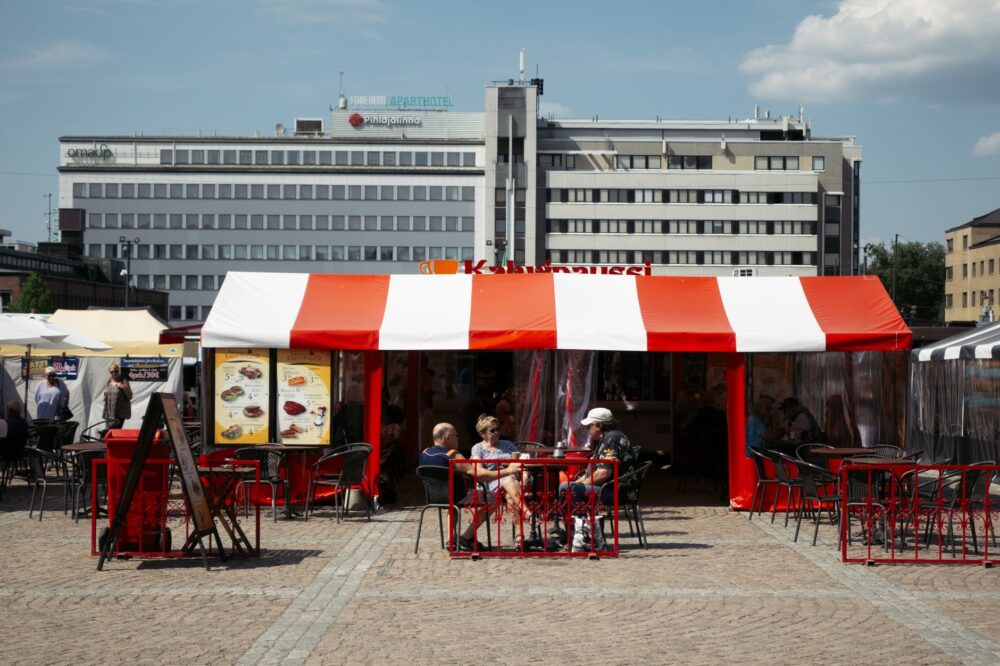
Travellers will find markets, bakeries and neighbourhood restaurants where food is not a spectacle but a need well met. Trying freshly baked rye bread, fish soups or blueberry pastries is a direct way to understand the territory. In summer, many country houses keep gardens and gather mushrooms; in winter, the pantry turns to preserves and smoked goods.
Celebrations and cultural life
Throughout the year, Salo and its surroundings celebrate festivals linked to the natural calendar and local history. Midsummer, with its bonfires and family gatherings, is one of the most significant dates across Finland. In winter, Christmas and New Year structure social life, with markets, concerts and activities for all ages.
The cultural offer includes music, theatre and community events that do not always appear in international guides. For visitors willing to check local tourist offices or Finnish media, these dates offer an authentic window into the life of the place.
What responsible travel means here
In a fragile environment such as the Archipelago Sea and Finnish forests, responsible tourism is not a label: it is a condition. The rules of public access imply clear duties. Leave no trace, respect private property, keep distance from wildlife and avoid excessive foraging are basic gestures.

Mobility also matters. Salo has rail connections to Helsinki and Turku, allowing visitors to come without depending on a car. Moving by train or bicycle reduces impact and improves the experience. Staying in small local establishments, shopping in neighbourhood stores and joining activities guided by residents are ways for tourism money to return to the community.
The best souvenir a traveller can take from Salo is not a photo, but the feeling of having passed through a place without wearing it down.
Practical guide
Getting there. Salo has a railway station with regular connections to Helsinki and Turku. The journey from Helsinki usually takes around an hour and a half, though updated timetables should be checked. It can also be reached by bus or car via the main road linking the cities of the southwest.
When to go. Summer offers abundant light, walkable trails and outdoor life. Autumn is the season of mushrooms and forest colours. Winter is dark and cold, but allows experiences such as cross-country skiing or aurora watching on clear nights. Spring arrives late and brings the thaw.
What to bring. Waterproof clothing, footwear suitable for uneven terrain, mosquito repellent in summer and thermal layers in winter. A reusable bottle and a bag for collecting waste are useful in any season.
Basic rules. Respect the public right of access: do not disturb people or animals, do not light fires without permission, do not leave litter and do not pick more than you will consume. In private areas, stay on paths.

Language. Finnish and Swedish are the official languages. English is widely spoken, especially among younger people. Learning a few words in Finnish, such as kiitos (thank you), is an appreciated gesture.
Money. Finland uses the euro. Cards are accepted almost everywhere, but it is worth carrying some cash for small shops or markets.
A closing among birches
At the end of the day, when the light turns golden and the forest fills with long shadows, Salo shows its true scale. It is not a city to consume quickly, but to inhabit slowly. Visitors who accept that rhythm discover that heritage is not only in buildings, but in the way a community cares for its environment and shares its space.
That is, perhaps, the most valuable lesson of this Finnish corner: learning to be without imposing, to look without invading and to take away only what fits in memory.