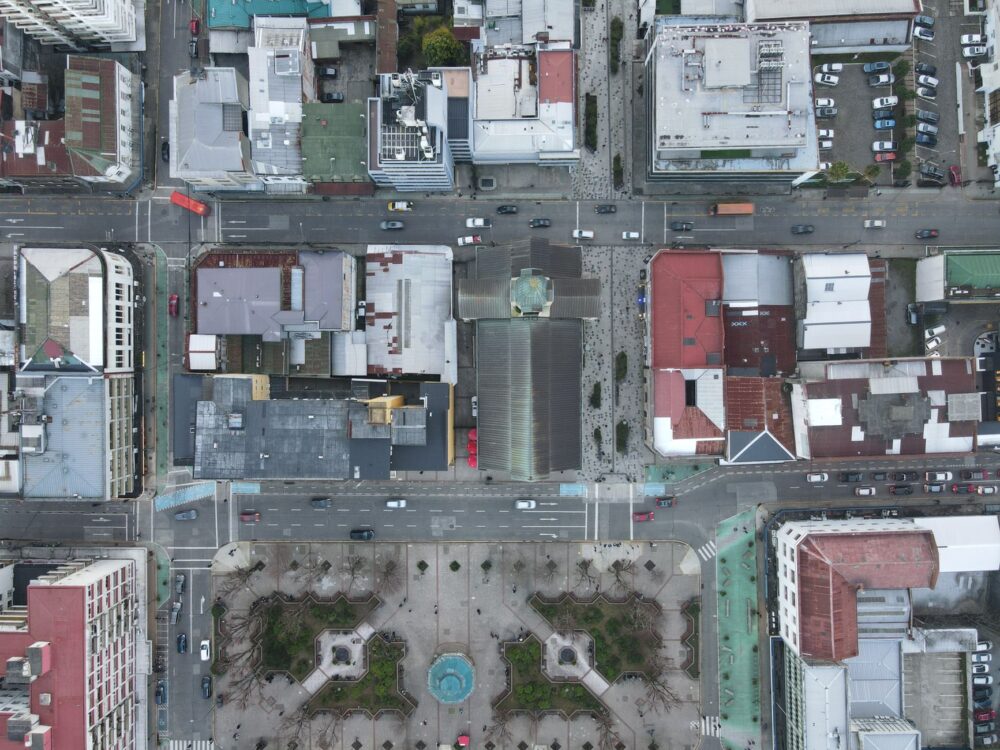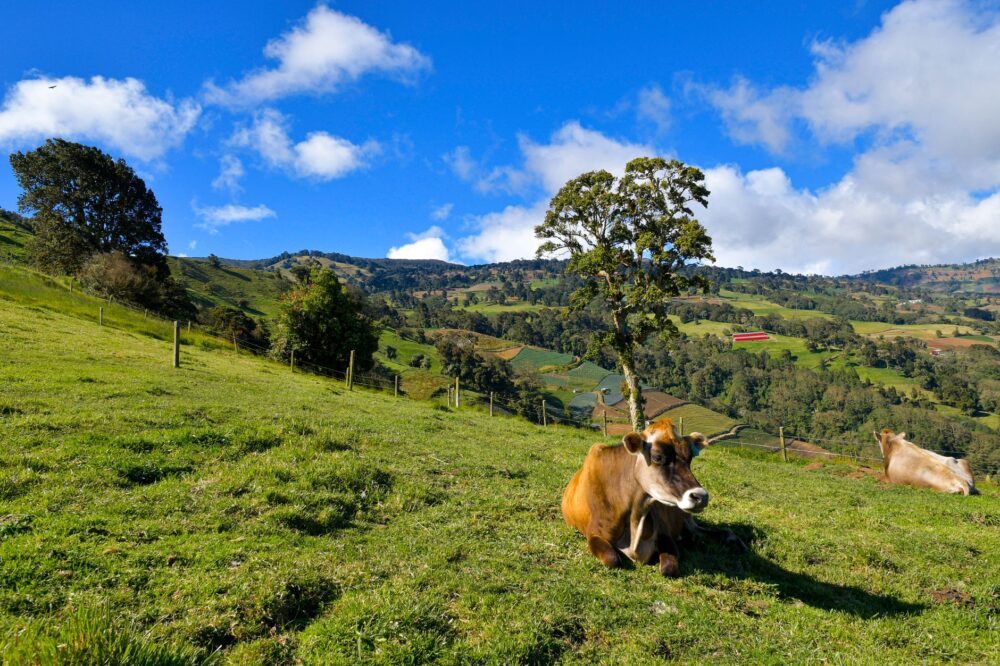
San Luis, the capital of the province of the same name in central-western Argentina, is a city of 169,947 inhabitants according to recent estimates. Its altitude of around 730 meters and temperate climate make it a comfortable base for exploring Cuyo’s heritage. But what sets this city apart is not just its geography, but the way its history intertwines with daily life: in its tree-lined streets, its generous shaded plazas, and a culture that resists being put behind glass.
This report proposes a journey through the spaces where San Luis tells its own story. It is not a list of monuments, but an invitation to understand how a community builds and preserves its identity in everyday life. The city sits in the heart of the Cuyo region, a strip of Argentina defined by its dry air, its irrigation channels, and a rhythm of life that has never been in a hurry. Understanding San Luis means accepting that its heritage is not announced with grand gestures but with small, repeated ones: the way a neighbor greets another at the market, the way a family lingers at the table after lunch, the way the plaza fills at dusk without anyone organizing it.
A historic center best explored on foot
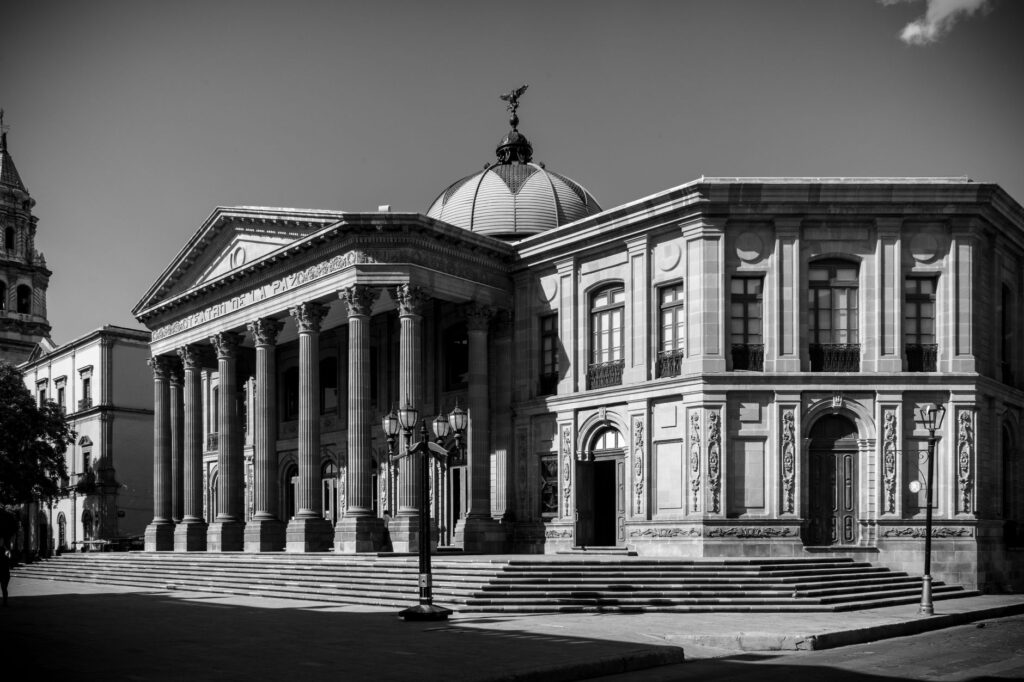
The founding layout of San Luis follows the Spanish colonial logic: a main plaza as the heart, regular blocks, and public buildings facing that central space. Walking through the microcenter reveals architecture that mixes late colonial style with Italianate and rationalist contributions from the 20th century. Plaza Pringles, named after Colonel Juan Pascual Pringles, is the inevitable starting point. There, the Government House, the Cathedral, and the Cabildo stand as witnesses to a history dating back to the city’s founding in 1594.
The Cathedral of San Luis, with its neoclassical facade and sober interior, is a good example of how religious architecture adapted to local materials and hands. It is not a monumental building, but its presence orders the pulse of the plaza. A few meters away, the Historic Cabildo preserves arches and balconies that recall colonial administration and the early years of independence.
Walking the center requires no fixed route. The grid is regular, the distances are short, and the shade of the trees makes the stroll pleasant even in the middle hours. It is worth pausing at the corners, looking up at the cornices, and noticing how different decades left their mark on the same block. This is a city that grew by adding layers rather than erasing them.
«San Luis’s heritage is not behind glass: it is in the way people use their plazas, their markets, and their streets.»
An identity that is cooked and shared
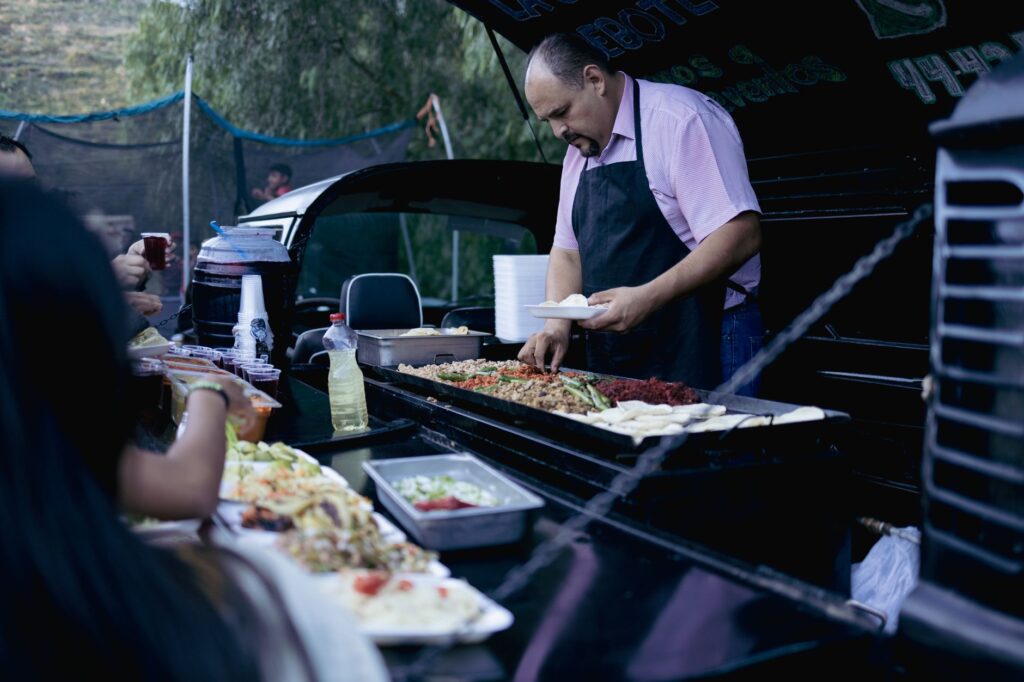
Daily life in San Luis has a rhythm marked by the siesta and the after-meal conversation. Neighborhood markets, such as the Central Market, are spaces where intangible heritage manifests in local products: olives, goat cheese, quince preserves, and wines from the Cuyo region. This is not a tourist market, but a place where locals do their daily shopping and where producers from the surrounding areas offer what the land provides.
San Luis cuisine reflects Huarpe heritage and Spanish and Italian influences. Dishes like locro, Cuyo-style empanadas, and flame-grilled asado are part of a tradition passed down in homes and at peñas. In recent years, some downtown restaurants have begun to revalue these recipes, but without turning them into a spectacle. Authenticity remains at family tables and popular festivals.
Understanding this cuisine also means understanding the landscape that produces it. The province’s dry climate and irrigation systems have shaped what can be grown and raised, and the kitchen reflects that. Olives and vines thrive where water is managed carefully; goats graze on the edges of the sierras; quince trees give fruit that becomes the sweet paste sold in markets and shared at home. Eating in San Luis is, in a quiet way, reading the land.
Architecture and memory: beyond the plaza
San Luis’s architectural heritage is not limited to the center. Neighborhoods like El Chorrito or San Roque preserve adobe houses and tile roofs that speak of a more humble but equally significant past. The Church of San Francisco, with its tower and atrium, is another landmark worth a leisurely visit. Its construction dates back to the 19th century, and its interior holds images and altarpieces that are part of local devotion.
In recent decades, the city has seen initiatives to enhance these spaces. The Regional Historical Museum, housed in an old mansion, brings together pieces ranging from pre-Hispanic times to the 20th century. The collection includes everyday objects, documents, and photographs that help understand the city’s evolution. It is a small but well-curated place, ideal for a one-hour visit.
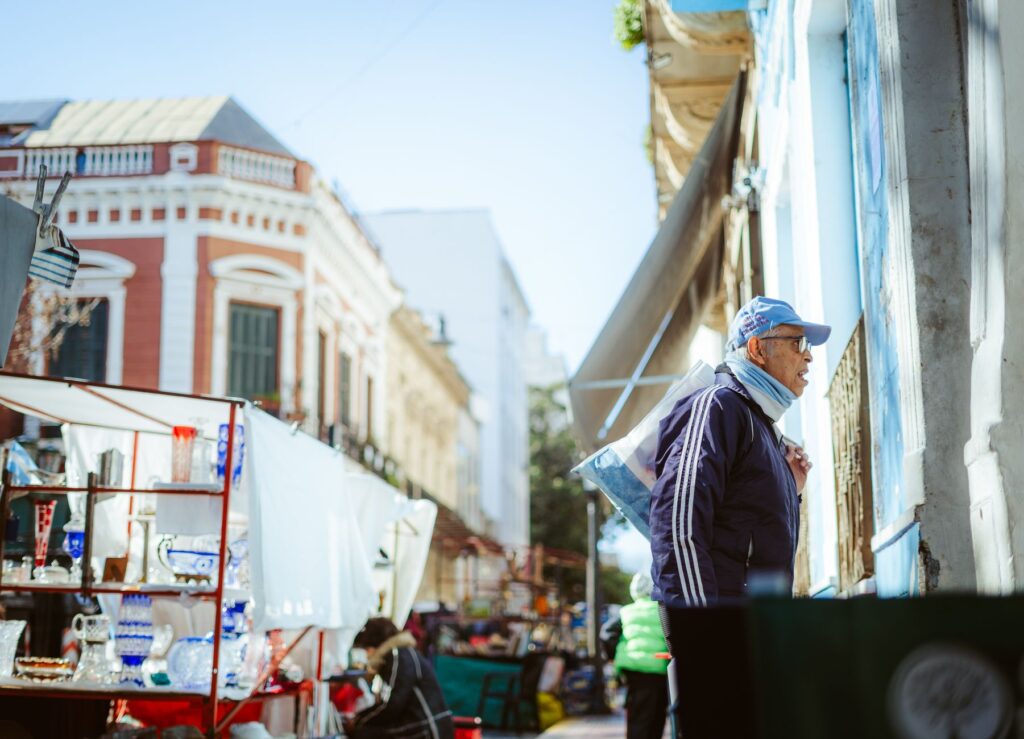
These peripheral neighborhoods matter because they hold the memory of how most residents actually lived. The grand buildings around the plaza tell the story of institutions; the adobe houses tell the story of families. A visitor who only stays in the center sees half of San Luis. Walking a few blocks further, at an unhurried pace, reveals the other half.
Living culture: workshops, fairs, and peñas
San Luis has an active cultural scene expressed in ceramics, weaving, and silversmithing workshops. In the La Bajada neighborhood, some artisans keep traditional techniques alive, such as criollo loom weaving and silver filigree. These are not staged tourist attractions, but real workspaces where you can talk with the artisans and, in some cases, buy unique pieces.
Artisan fairs, set up on weekends in Plaza Pringles and Parque de las Naciones, offer an opportunity to see and purchase local products. There you can find everything from mate gourds and bombillas to textiles and ceramics. It is advisable to ask about the origin of materials and the production process; many artisans are willing to share their knowledge.
Peñas, the informal gatherings where music and food come together, are another expression of local culture. They are not performances staged for visitors but meetings among friends and neighbors. If invited or welcomed, a visitor should behave as a guest: listen more than talk, ask before taking photographs, and respect the space as if it were a private home, because in many ways it is.
«Culture in San Luis is not exhibited: it is practiced. Workshops and fairs are the best entry point.»
Nature and landscape: the surroundings that define the city
San Luis is surrounded by a landscape of hills and plains that has shaped its history. The Cruz de Piedra Dam, a few kilometers from the center, is a recreational spot and an example of how the city has integrated water into its life. There you can walk, fish, or simply contemplate the water mirror surrounded by hills.
Further north, the Sierra de San Luis offers hiking trails and natural viewpoints. Cerro El Morro is a classic for lovers of easy trekking, with panoramic views of the city and the valley. It is important to remember that these natural spaces require care: do not leave waste, respect marked trails, and avoid removing plants or rocks.
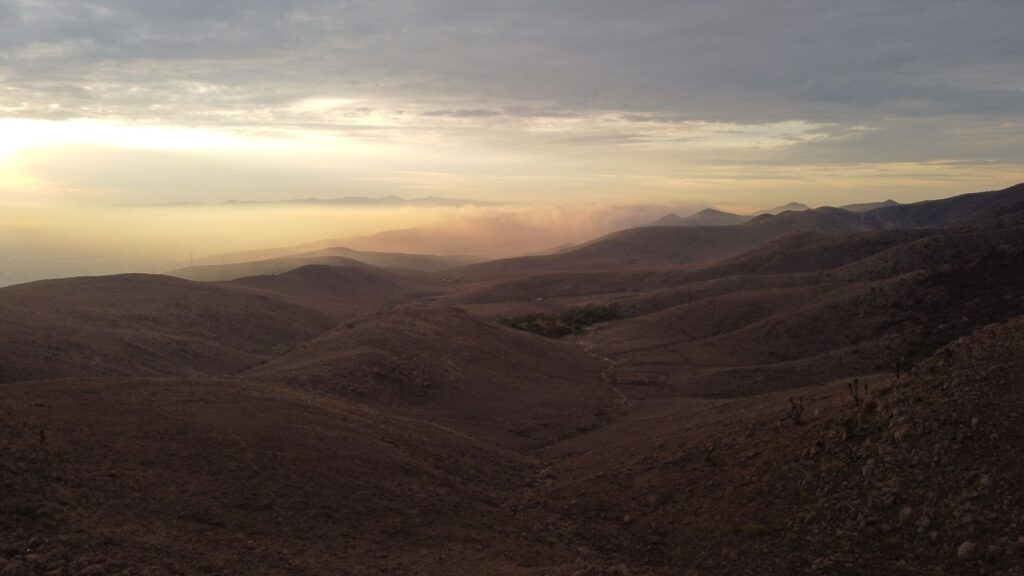
The relationship between the city and its surroundings is not decorative. The sierras moderate the climate, the water from the dams supports daily life and agriculture, and the dry air gives the light a particular clarity that visitors often notice without being able to name it. Spending time outside the urban grid is, in this sense, a way of understanding why the city is where it is and how it has survived and grown.
Heritage and responsible tourism: how to visit without harming
San Luis is not a crowded destination, which is an advantage for travelers seeking authenticity. However, growing tourist attention demands a responsible attitude. Some concrete recommendations: prefer locally managed accommodations, eat at neighborhood markets and restaurants, and participate in cultural activities organized by the community.
Regarding built heritage, it is essential to respect conservation rules. Do not touch historic facades, do not enter private spaces without permission, and follow the indications of local guides. The city has enormous potential for cultural tourism, but its preservation depends on a balance between visitors and residents.
Responsible visiting also means adjusting expectations. San Luis is not a city that performs its identity for an audience. It is a working city with a long memory, and the best way to appreciate it is to slow down, observe, and let the place set the pace. Buying from local producers, choosing family-run lodgings, and treating public spaces with care are simple gestures that make a real difference.
Practical guide
How to get there: San Luis has the Brigadier Mayor César Raúl Ojeda Airport (IATA code: LUQ), with regular flights from Buenos Aires and other Argentine cities. It can also be reached by road from Mendoza, Córdoba, or Buenos Aires. The bus terminal offers daily services.
When to go: Spring (September-November) and autumn (March-May) are the most pleasant seasons, with mild temperatures. Summer can be hot and winter cold, though dry.
Where to stay: The center offers hotels of various categories. For a more local experience, there are inns and hostels in neighborhoods like El Chorrito. Booking in advance is recommended during high season.
What to visit: Plaza Pringles, Cathedral, Cabildo, Regional Historical Museum, Church of San Francisco, Cruz de Piedra Dam, and the artisan workshops in La Bajada. Weekend fairs are a must.
What to eat: Cuyo-style empanadas, locro, flame-grilled asado, goat cheese, and quince preserves. Wines from the Cuyo region pair well with any meal.
Tips: Wear comfortable shoes for walking, bring sunscreen and water. Learning a few words of local Spanish helps with interaction. Respect public spaces and local traditions.
Language and manners: A greeting when entering a shop or a market stall is expected and appreciated. A simple «buenos días» or «buenas tardes» opens more doors than any guidebook tip. Patience during the siesta hours is also part of visiting respectfully.
A closing with a human touch
At sunset, Plaza Pringles fills with families strolling, children playing, and popcorn vendors. There is no rush. The city seems to remember that its most valuable heritage is not its buildings, but the people who inhabit them. In that everyday gesture, San Luis reveals itself as a place where history and life go hand in hand.
For a visitor, the lesson is simple and easy to carry home: heritage is not only what is preserved, but what is used, shared, and passed on. San Luis, Argentina, offers that lesson quietly, in its plazas and markets, in its workshops and its tables, without ever asking for applause.