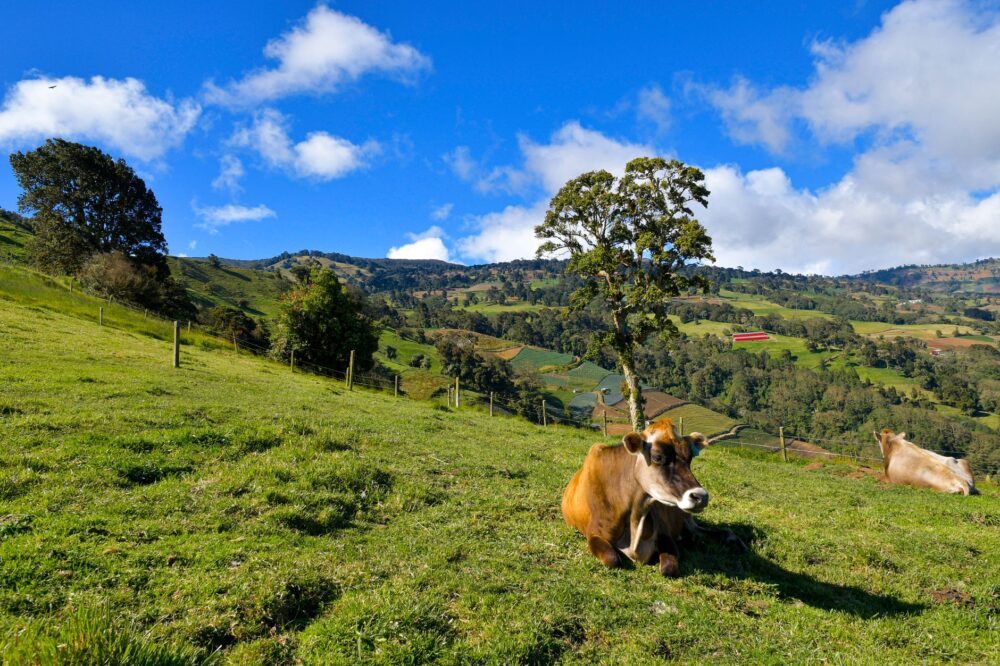
On the southwestern periphery of Santiago, Chile, the district of Maipú stretches across flat terrain that slopes gently toward the Mapocho River valley. With over half a million inhabitants, it is one of the most populous communes in the country, yet its identity cannot be reduced to statistics. Maipú holds a history that dates back to colonial times, when its lands belonged to encomenderos and religious orders, and it preserves a heritage that coexists with urban expansion. To explore it is to enter a territory where century-old vineyards, neighborhood squares, and heritage temples intertwine with modern avenues and an evolving transport system.
This report proposes a leisurely itinerary through Maipú, designed for the traveler who wants to understand how a commune can be both historic and contemporary, agricultural and residential, quiet and dynamic. It is not an exhaustive tour, but an invitation to look closely at the details that make this place a singular destination within the Metropolitan Region.
A territory with colonial memory
The name Maipú comes from the Mapudungun language and is associated with the idea of a flat or fertile land. During the colonial period, these lands were part of large grants that the Spanish Crown gave to settlers and to the Jesuit order. The Jesuits, in particular, developed one of the most important vineyards of the period here, introducing cultivation techniques that would endure over time. After their expulsion in 1767, the properties passed through various hands, but the agricultural vocation of the area remained.
The historical event that definitively marked the future of Maipú was the battle fought on April 5, 1818, in the context of Chile’s independence. On the plains of Maipú, patriot forces led by José de San Martín defeated the royalist army, consolidating the independence process. Today, a commemorative monument and the votive temple of Maipú recall that episode. The temple, of neoclassical style, is one of the most relevant heritage buildings in the commune and offers a panoramic view of the surroundings.
The Battle of Maipú not only defined a chapter of Chilean history; it also left an urban imprint that can still be read in the layout of its streets and in the presence of the votive temple.
For the visitor, the natural starting point is Plaza de Maipú, around which civic life is articulated. There you will find the Municipality, the parish church, and various shops. The square has been remodeled several times, but it preserves old trees and benches that invite pause. Walking around it allows you to observe the mix of old and modern architecture, with restored adobe houses next to apartment buildings.
Urban vineyards and winemaking tradition
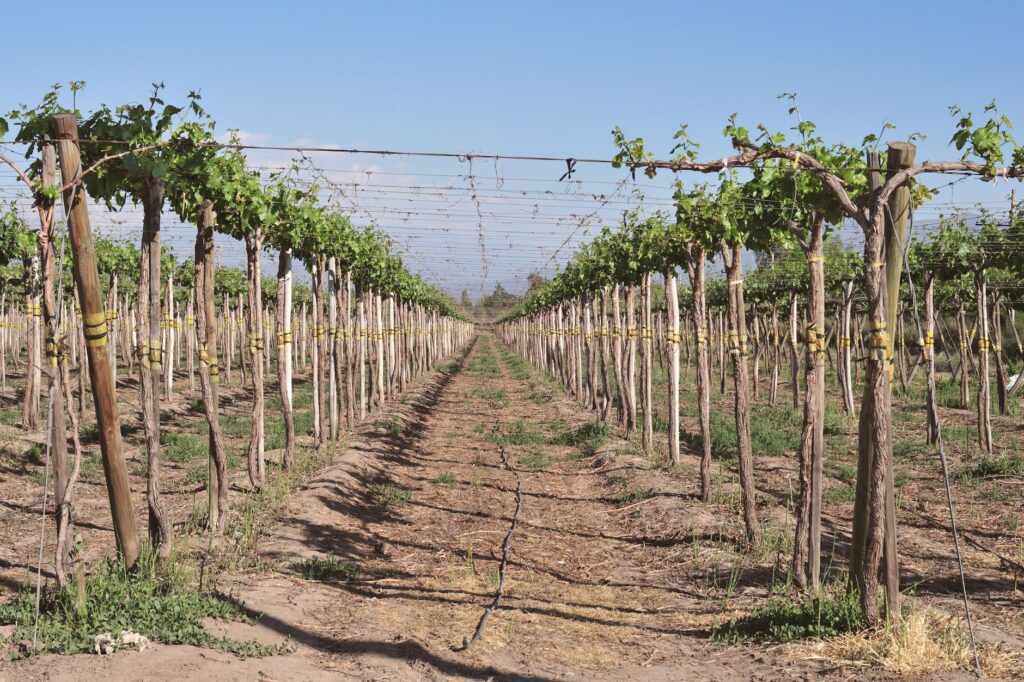
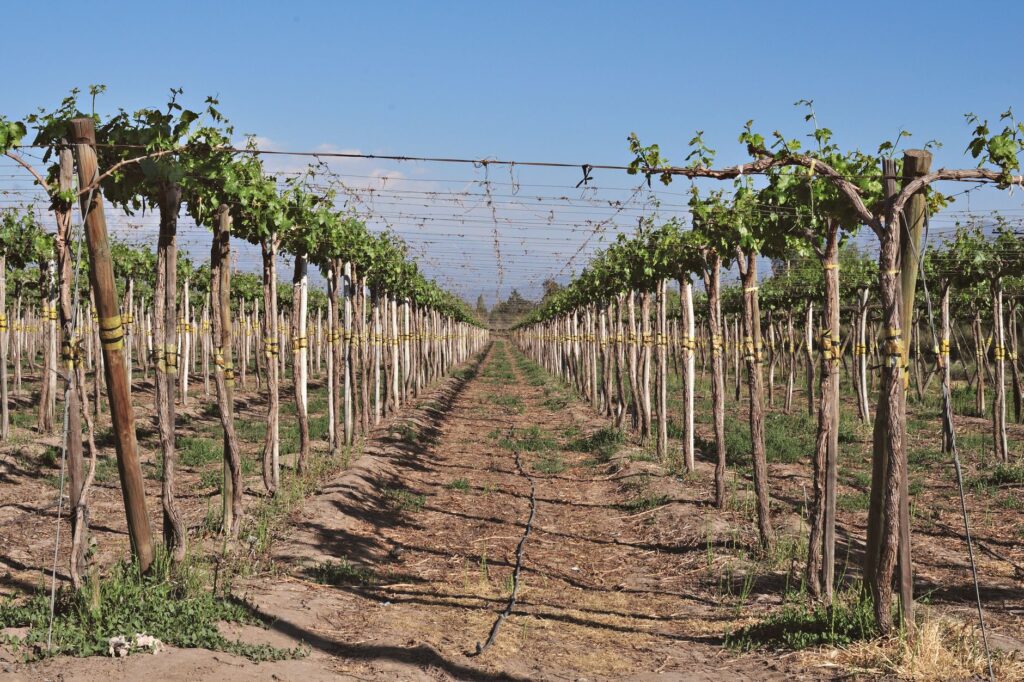
One of the most distinctive features of Maipú is the presence of vineyards within the urban fabric. Unlike other wine regions in Chile, here the vines are not confined to the open countryside but are integrated into the residential landscape. Viña Santa Rita, located on the border with the commune of Buin, is perhaps the best known, but there are other small family wineries that maintain the tradition. These vineyards produce quality wines, especially reds, and some offer guided tours and tastings.
The winemaking history of Maipú dates back to colonial times, when the Jesuits planted the first vines. Over time, the area consolidated as a producer of grapes for wine and brandy. Today, although real estate expansion has reduced the cultivated area, pockets remain that resist and give the commune a unique character. Touring these vineyards is an experience that combines the tranquility of the countryside with the proximity of the city.
For those who wish to delve deeper, some wineries offer tours that include an explanation of the production process, from harvest to bottling. It is advisable to check schedules and availability in advance, as not all are open to the public on a permanent basis.
Religious heritage and architecture
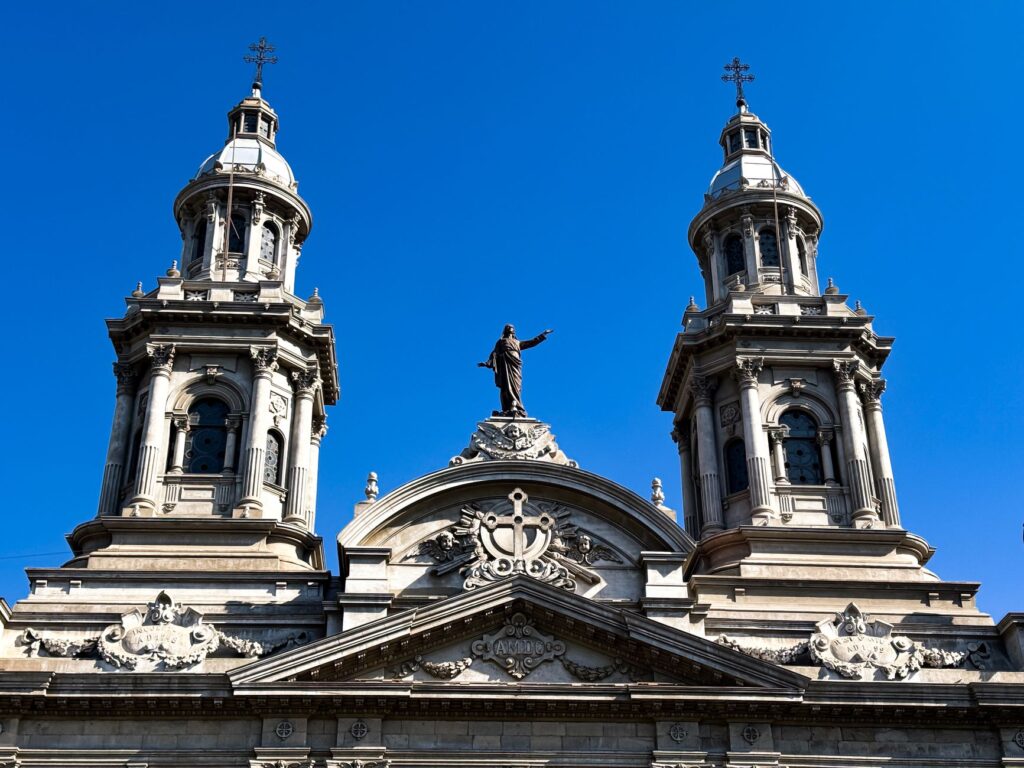
The Votive Temple of Maipú is, without a doubt, the most emblematic building in the commune. Its construction began in 1940 and was completed in 1974, although the idea of erecting a temple in honor of the battle dates back to 1818. The design, by architect Juan Martínez Gutiérrez, combines neoclassical elements with a spacious interior. The crypt houses the remains of some heroes of independence, and from its tower you get a privileged view of Santiago.
In addition to the temple, Maipú has other churches of interest, such as the Parish of San Bernardo, dating from the 19th century, and the Chapel of Viña Santa Rita, a small neo-Gothic oratory located within the vineyards’ gardens. These places are not only spaces of worship but also witnesses to the architectural evolution of the commune.
A walk through Plaza de Maipú
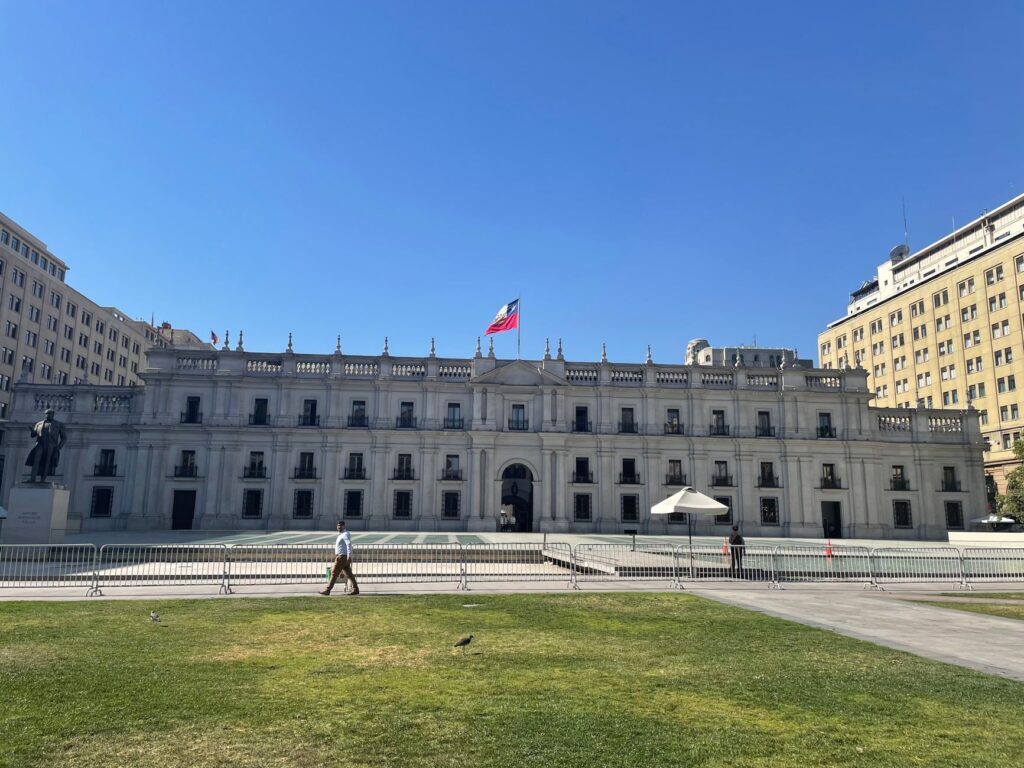
Plaza de Maipú is the civic heart of the commune. Surrounded by public buildings and shops, it is a meeting point for residents and visitors. Nearby is the Municipal Market, where you can buy fresh products and taste local cuisine. On weekends, the square fills with craft fairs and cultural activities.
An interesting detail is the presence of a floral clock, a gift from the Swiss colony, which has become a minor but beloved symbol for the neighbors. Near there, Arturo Prat Street preserves some early 20th-century houses with colorful facades and wrought-iron grilles.
Transport and accessibility
Maipú is well connected to the rest of Santiago through Line 5 of the Metro, which has several stations in the commune, such as Plaza de Maipú, Santiago Bueras, and El Sol. In addition, numerous bus lines run along its main avenues, such as Pajaritos and Camino a Melipilla. For those arriving by car, the Autopista del Sol (Route 78) offers quick access from downtown Santiago and from the coast.
Within the commune, cycling is an increasingly popular option, thanks to the existence of bike lanes on some streets. However, it is important to keep in mind that traffic can be intense during rush hours. To tour the vineyards, it is recommended to use a taxi or ride-hailing apps, as some rural roads do not have sidewalks.
Accessibility for people with reduced mobility has improved in recent years, especially in the civic center and the Metro, but challenges remain in the more peripheral neighborhoods. It is advisable to plan the route in advance and consult online accessibility maps.
Gastronomy and neighborhood life
Maipú’s culinary offer reflects its diversity. At the Municipal Market you can find homemade food stalls, with dishes such as cazuela, pastel de choclo, and empanadas. There is also a growing scene of specialty coffee shops and contemporary cuisine restaurants, especially in the Ciudad Satélite area, a residential neighborhood designed in the 1960s with a particular urban layout.
For those with a sweet tooth, local bakeries make facturas, alfajores, and milhojas cakes. Many of these bakeries have been part of the neighborhood for decades and preserve family recipes. A walk through its streets allows you to discover these flavors in a relaxed atmosphere.
Neighborhood life in Maipú is organized around neighborhood associations, sports clubs, and cultural centers. Throughout the year, activities such as the Fiesta de la Chilenidad in September, with ramadas and cuecas, and the Fiesta de la Vendimia in March, which includes tastings and live music, are held. These festivities are an excellent opportunity to experience local culture.
Nature and green spaces
Although Maipú is a densely populated commune, it has several parks and squares that offer respite. The Sculpture Park, located in the Ciudad Satélite area, exhibits works by Chilean artists outdoors. El Trapiche Park, next to the Zanjón de la Aguada, is another green space appreciated by residents, with children’s play areas and exercise machines.
Further south, the Municipal Park of Maipú, known as Family Park, covers a considerable area and has artificial lagoons, trails, and picnic areas. It is an ideal place to spend a day with the family or to play sports. The commune also borders the Mapocho River, although access to its banks is limited.

For those seeking more direct contact with nature, Cerro Chena, located on the border with the commune of San Bernardo, offers low-difficulty hiking trails and panoramic views of the Santiago basin. It is important to bring water and sunscreen, as shade is scarce.
Local culture and art
Maipú has an active cultural life, with cultural centers, libraries, and theaters. The Municipal Cultural Center, located in Plaza de Maipú, offers workshops, exhibitions, and artistic performances throughout the year. The Municipal Library, for its part, has a book collection and reading promotion activities.
In the visual arts, the Museum of the Battle of Maipú, located in the Votive Temple, exhibits objects and documents related to the 1818 confrontation. There are also independent galleries in the Ciudad Satélite area that show the work of emerging artists.
Music also has its space: concerts are held in squares and parks, especially during the summer. In addition, the commune has dance and music schools that nurture the local scene.
Practical guide
Getting there
- Metro: Line 5, stations Plaza de Maipú, Santiago Bueras, El Sol, Monte Tabor, and Las Parcelas.
- Buses: various lines of the Metropolitan Mobility Network run along Pajaritos, Camino a Melipilla, and Américo Vespucio avenues.
- Car: from downtown Santiago, take the Autopista del Sol (Route 78) or Avenida Pajaritos.
When to go
Spring (September to November) and autumn (March to May) offer pleasant temperatures for walking. Summer can be hot, with highs exceeding 30 °C. Winter is cool and rainy, with lows around 5 °C.
What to bring
- Comfortable walking shoes.
- Sunscreen and hat in summer.
- Water and snacks for longer routes.
- Cash for fairs and small shops.
Where to eat
The Municipal Market offers homemade food at affordable prices. In Ciudad Satélite there are cafes and contemporary cuisine restaurants. Local bakeries are ideal for trying facturas and Chilean sweets.
What to visit
- Votive Temple of Maipú and Museum of the Battle.
- Viña Santa Rita (tours with reservation).
- Plaza de Maipú and Municipal Market.
- Sculpture Park and Family Park.
- Cerro Chena (hiking).
Safety tips
As in any large city, it is advisable to take basic precautions: do not display valuables, avoid lonely streets at night, and use regulated transport. The commune has emergency services and a network of surveillance cameras.
Respect for the community
When visiting residential neighborhoods, respect the privacy of residents and avoid disturbing noises. In the vineyards, follow the staff’s instructions and do not damage the plants. Participation in local activities should be done with an attitude of learning and collaboration.
A closing between vineyards and memory
At sunset, when the sun descends over the vineyards that still resist among the houses, Maipú reveals its dual condition: that of a commune that grows and modernizes, but does not forget its roots. The vines, the temples, and the squares tell a story of effort and coexistence. For the traveler who takes the time to explore it, Maipú offers an authentic experience, far from the most crowded tourist circuits, but deeply connected to Chile’s identity.