Keflavík, Iceland, appears on maps as a harbour town of some 15,930 people on the Reykjanes Peninsula in south-west Iceland. Its name is tied to the airport that connects the island to the world, but also to a fishing port where the North Atlantic sets the rules. Here the sea is not a backdrop: it is a force that dictates schedules, trades and precautions.
This feature offers an approach to coastal navigation in Keflavík through rigorous planning. It is not an invitation to improvised adventure, but an attempt to understand what it means to go out on the water in an environment where current, fog and cold wind are part of everyday life.
A harbour on the North Atlantic route
The Reykjanes Peninsula reaches into the ocean like an arm of lava and basalt. Keflavík, together with Njarðvík, forms the urban core of Reykjanesbær, a municipality that lives from transport, fishing and services. The harbour has historically been a departure point for vessels working cold, nutrient-rich waters.
The Irminger Current, a branch of the Gulf Stream that circles Iceland, moderates water temperature and the presence of species. That same current explains why the sea, though cold, does not freeze in winter. It also explains the fog that can appear within minutes and erase the coastline.

In Keflavík, the weather forecast is not an accessory detail: it is the first decision of the day.
Currents, wind and the logic of Icelandic weather
The south-west coast of Iceland is exposed to Atlantic depressions that arrive frequently. Wind can shift from calm to strong gusts within hours. Tidal currents, combined with underwater relief, create areas of turbulence near headlands and shallows. For any vessel, this means calculating navigation windows with a wide margin.
Water temperature hovers around 5-8 °C in summer and drops several degrees in winter. Hypothermia is a real risk even on short passages. That is why spare dry clothing, a wetsuit or survival suit and a reliable communication system are not optional.
What to check before setting off
- Updated marine weather bulletin, with particular attention to wind strength and direction.
- Local tide and current tables.
- Sea state and expected visibility.
- Route plan with alternative shelter options.
- Safety equipment: life jacket, harness, VHF radio, flares and whistle.
Safety on board: less improvisation, more protocol
In Iceland, maritime authorities insist on preparation. The coast guard and volunteer rescue services have a long tradition, but their intervention depends on conditions that can be extreme. The best safety is not to need them.
For a small vessel, the rule is clear: do not go out alone, tell someone ashore about the plan and carry redundant means of communication. A mobile phone can fail due to coverage or humidity; VHF radio is more reliable in the marine environment.

Icelandic maritime culture rests on cooperation: no one goes to sea without someone knowing where they are and when they plan to return.
Marine wildlife and responsible watching
The waters off Reykjanes are frequented by seabirds such as the puffin, the common guillemot and the razorbill. Humpback whales, minke whales and white-beaked dolphins can also be seen at certain times of year. Wildlife watching requires distance and patience.
Icelandic whale-watching regulations set minimum distances and limit approach time. The aim is not to alter animal behaviour. For the navigator, this means giving up the perfect photo if it involves chasing a cetacean.
Good watching practices
- Keep distance and reduce speed gradually.
- Do not position yourself between a mother and her calf.
- Limit observation time and do not surround the animals.
- Follow the instructions of guides and authorities.
Beyond the rules, observation is a lesson in patience. The North Atlantic does not perform on demand. Sightings depend on season, sea state and luck, and the most respectful attitude is to accept that the animal decides the encounter. Binoculars and a steady hand often reveal more than an engine at full throttle.
Fishing heritage and harbour memory
Keflavík has been a relevant fishing centre for decades. The cod and herring industry shaped the local economy, and the harbour remains active today. Nearby, the Viking Heritage Museum and the Bird Museum display pieces that connect natural history with human life on the coast.
Maritime heritage is not only material: it lives in songs, in boat names and in shipwreck stories told in houses by the harbour. Knowing that context helps explain why safety is not a formality.

The memory of the harbour also speaks of change. Fishing quotas, new technologies and the shift towards tourism have transformed the working waterfront. What remains is a community that reads the sea as a source of livelihood and, at the same time, as a boundary that demands respect.
Protecting the ecosystem in a fragile environment
The marine ecosystem of Reykjanes is productive but vulnerable. Overfishing, climate change and plastic pollution are documented threats. Ocean temperature is changing, and with it the distribution of species.
For visitors, protection starts with concrete gestures: do not throw waste, do not touch animals, do not collect living organisms and follow marked routes. On land, lava and moss areas are especially sensitive to foot traffic.
What to avoid
- Leaving rubbish or food scraps on the coast.
- Chasing birds or marine mammals for photographs.
- Leaving marked trails in protected areas.
- Using chemicals that may reach the water.
Responsible navigation also means thinking about noise. Underwater engine noise can disturb marine mammals, so reducing speed in areas of known presence is a simple and effective measure. Fuel and oil spills, however small, have disproportionate effects in cold, slow-recovering waters.

Keflavík beyond the airport
The town is often a brief stop before continuing to Reykjavík or the landscapes of the south. Yet it deserves a day. The seafront promenade, geothermal pools and central cafés offer a human, unhurried stop.
Local cuisine relies on fresh fish, mountain lamb and dairy. A bowl of fish soup or smoked lamb can be the best way to recover after a windy morning.
What to see on a short stop
- Fishing harbour and seafront promenade.
- Viking Heritage Museum.
- Bird and Natural History Museum.
- Local geothermal pool.
- Keflavík church and town centre.
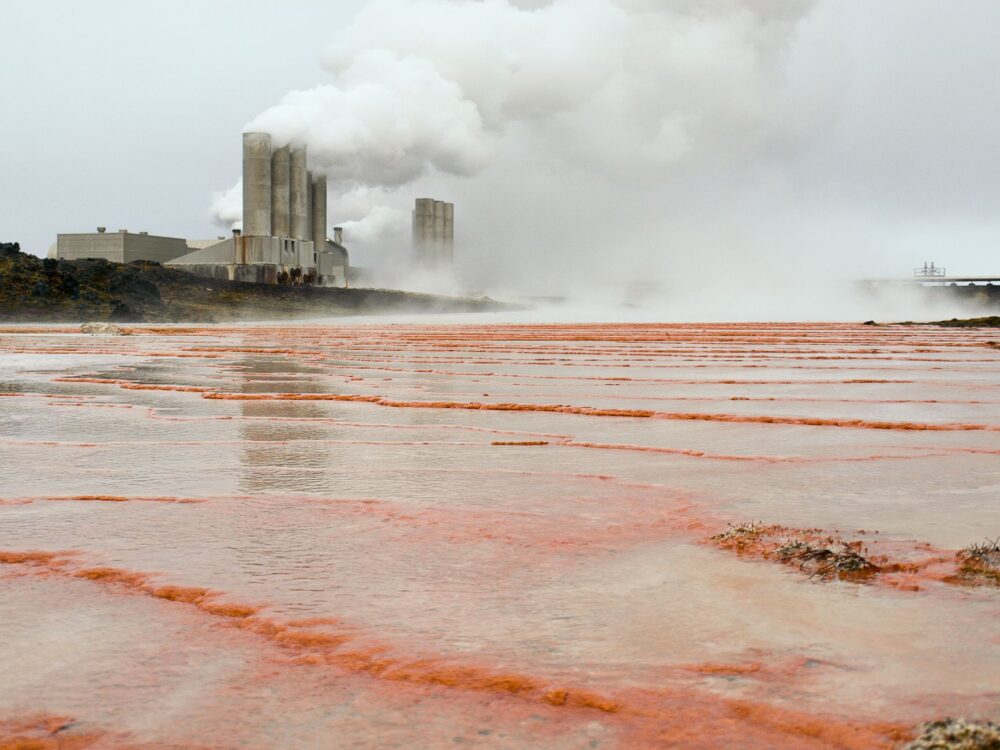
The town also works as a base for understanding the Reykjanes UNESCO Global Geopark, a territory where volcanic and coastal processes are visible in the landscape. Walking near the shore, the contrast between black lava and grey sea explains much of the local character.
Practical guide
Planning a maritime activity in Keflavík requires official information and caution. The recreational sailing season concentrates in the summer months, from June to August, when daylight lasts almost all night and temperatures are milder. Outside that window, conditions harden.
For travellers, it is advisable to book guided activities in advance and confirm the equipment included. Renting boats without certified experience in cold waters is not recommended. Wildlife-watching tours usually include flotation suits and a safety briefing.
Useful tips
- Check the Icelandic Meteorological Office and Maritime Administration websites before any departure.
- Wear waterproof layers and suitable footwear; weather changes fast.
- Take out travel insurance covering water activities if you plan to sail.
- Respect local indications and the limits of protected areas.
- Do not rely on mobile coverage at sea; carry a radio or emergency device.
It is also wise to study the harbour layout and the location of safe havens along the coast. Knowing where to turn if the wind rises is part of the same discipline as reading a forecast. In Keflavík, prudence is not fear: it is the form of respect that the sea has taught over generations.
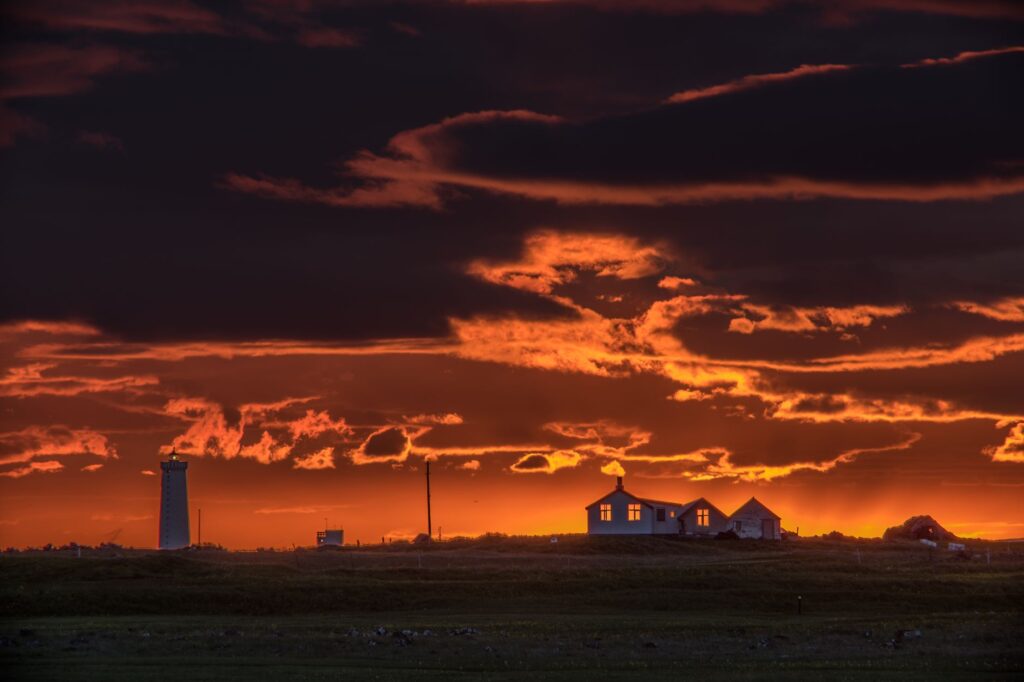
The light of Keflavík, low and shifting, invites you to watch the horizon closely. At the end of the day, when the wind eases and the harbour recovers its rhythm, what remains is the sense of having been in a place where sea and land negotiate every day. That is Keflavík’s lesson: to navigate is, above all, to listen.