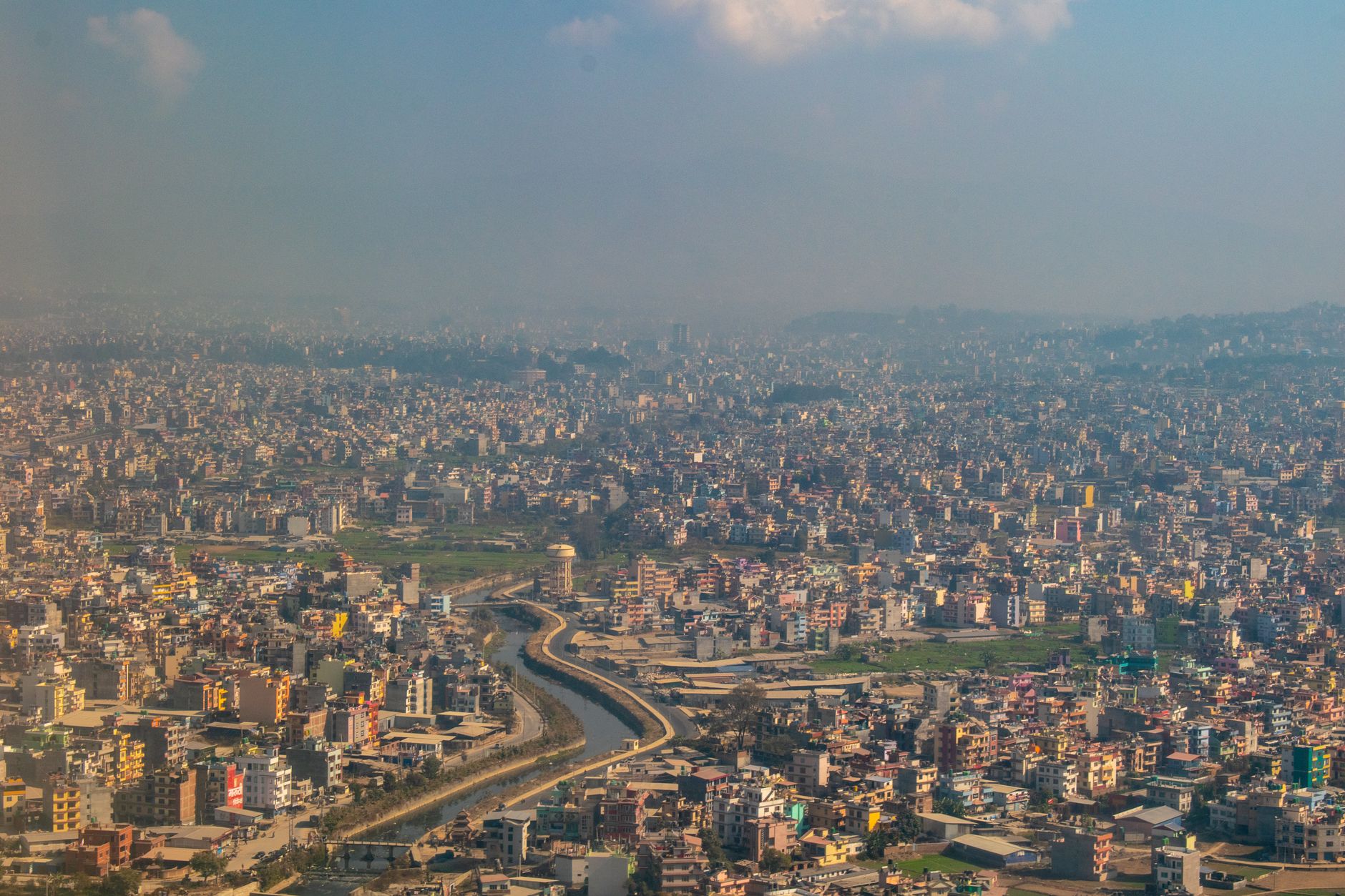

Bharatpur, in Bagmati Province, is one of Nepal’s most populous cities and a strategic hub between the hills and the Terai plains. On the banks of the Narayani River, its identity has been forged both by the flow of travelers heading to Chitwan National Park and by the life of its neighborhoods, where commerce and agriculture set the daily rhythm. It is not a monumental city, but its authenticity and its role as a gateway to one of the country’s most emblematic parks make it a revealing destination.
Unlike the historic cities of the Kathmandu Valley, Bharatpur presents itself as a place in transformation, where new bridges and roads coexist with traditional markets and a growing environmental awareness. This report explores its natural and cultural heritage and proposes a responsible visit that benefits the local community.
A City on the Banks of the Narayani
The Narayani River, one of the most important tributaries of the Ganges, defines the geography and life of Bharatpur. Its waters, which descend from the Himalayas, irrigate the fields and sustain rich biodiversity. The city has developed on its eastern bank, and its growth has been linked to the fertility of the plains and its strategic position as a connection point between India and inner Nepal.
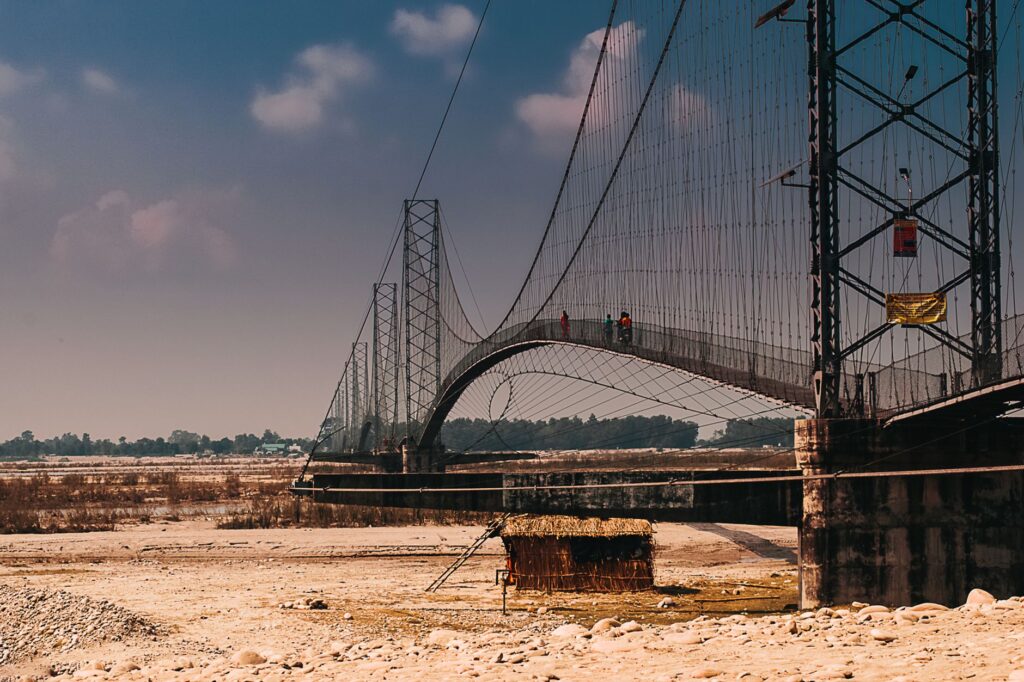
The river is not just a resource: it is a social space. Rituals are held on its banks, people fish, and wildlife can be observed. The bridges that cross it, such as the Narayangarh bridge, are vital arteries for the transport of goods and people. The relationship with water is ambivalent: a source of life and also a risk during the monsoon, when the flow overflows and forces people to live with uncertainty.
“The river gives us everything, but it also reminds us that we must respect it,” says a resident who prefers to remain anonymous. A phrase that sums up the mix of dependence and caution that defines life along the Narayani.
The Legacy of Chitwan National Park
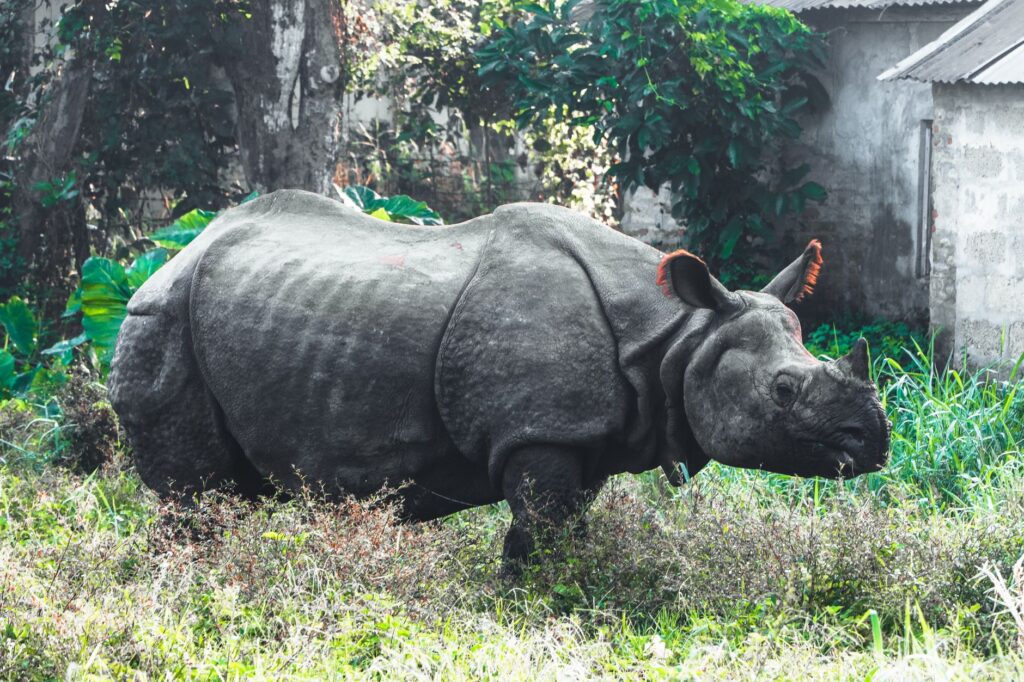
A few kilometers from Bharatpur lies Chitwan National Park, declared a UNESCO World Heritage Site in 1984. This biodiversity sanctuary, which protects sal forests, grasslands, and wetlands, is home to Indian rhinos, Bengal tigers, elephants, and more than 500 bird species. The city benefits from its proximity but also faces the challenge of managing the flow of visitors without compromising conservation.
Access to the park is through nearby towns such as Sauraha, but Bharatpur serves as a logistics and services hub. Safaris are organized here, bicycles are rented, and local guides are hired. Nature tourism is a crucial source of income, but it requires careful planning to avoid overcrowding and ensure that benefits reach the communities.
A Delicate Balance
Park authorities and conservation organizations work with local communities to reduce human-wildlife conflict. Electric fences and early warning systems help protect crops, while environmental education programs seek to foster more harmonious coexistence. Visitors can contribute by choosing responsible operators and respecting park rules.
Daily Life in Bharatpur’s Neighborhoods
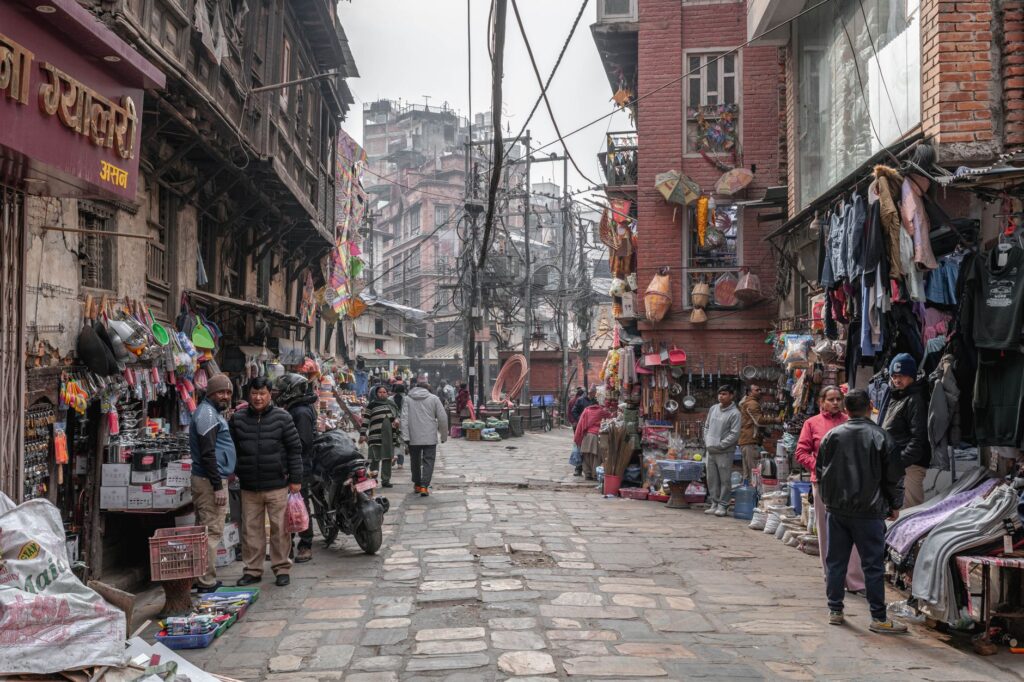
Beyond its function as a gateway, Bharatpur is a vibrant city where daily life unfolds in its markets, streets, and squares. The central bazaar, known as Narayangarh, is a hive of activity: fruit and vegetable stalls, fabric shops, hardware stores, and cafes serving the inevitable milk tea. Here one can observe the ethnic diversity of the Terai, with Tharu, Newar, Brahmin, and Chhetri communities sharing the same space.
Agriculture remains the livelihood of many families. Rice, corn, mustard, and sugarcane are grown in the surrounding areas. During harvest season, the fields fill with color and collective work. The city is also known for its honey production and for wood and bamboo crafts, although these activities face competition from industrialized products.
“People here wake up early to go to the fields or the market; life begins with the sun,” explains a local teacher. “We don’t have grand monuments, but we have a strong community.”
Cultural Heritage: Temples and Traditions
Although Bharatpur does not house the great temples of other Nepalese cities, its cultural heritage is expressed in daily devotion and festivities. The Narayan Temple, dedicated to Vishnu, is a spiritual reference point for residents. During the Dashain festival, the streets fill with color and families gather to celebrate. Other festivities, such as Tihar and Chhath, also have a strong presence, especially among Terai communities.
Traditional music and dance, such as lahará and jhijhiya, are passed down from generation to generation. These rhythms, accompanied by instruments like the madal and flute, are an integral part of celebrations. Visitors who coincide with one of these festivals will be able to appreciate the region’s cultural richness.
Local Architecture
Bharatpur’s architecture is functional and adapted to the climate. Traditional houses, built with brick, mud, and wood, usually have gabled roofs to withstand monsoon rains. In recent years, concrete buildings have been replacing older homes, raising a debate about preserving constructive identity. Some projects seek to rescue local techniques and sustainable materials.
Terai Gastronomy
Bharatpur’s cuisine reflects the diversity of the plains: rice, lentils, sautéed vegetables, and chicken or fish curry. Dal bhat is the national dish, but here it is accompanied by mustard pickles and sal leaves. Street stalls offer momos (dumplings), chatamari (a kind of rice pizza), and sel roti (fried sweet bread). Indian influence is notable in the use of spices such as cumin, cilantro, and turmeric.
For travelers, eating at local markets is a sensory experience and a way to support the family economy. However, it is advisable to choose stalls with good hygiene and drink bottled or treated water.
Beyond Chitwan: Alternative Routes
While the park is the main attraction, Bharatpur offers other possibilities. One can take an excursion to the nearby Devghat Lake, a pilgrimage site at the confluence of the Kali Gandaki and Trishuli rivers. You can also visit the Parsa Wildlife Reserve, which is less crowded, or simply cycle along the rural roads surrounding the city.

For those interested in Tharu culture, nearby villages offer the opportunity to learn about their dances, crafts, and way of life. It is important to do so respectfully and through local guides who guarantee a fair exchange.
Practical Guide
When to go: The best time to visit Bharatpur is from October to March, during the dry season. Temperatures are pleasant and rainfall is scarce. Avoid the monsoon months (June to September) due to flooding and difficult access.
How to get there: Bharatpur has a domestic airport (BHR) with flights from Kathmandu. You can also arrive by road from Kathmandu (about 5-6 hours) or from Pokhara (3-4 hours). Tourist and local buses connect with the main cities.
Where to stay: There are options for all budgets, from guesthouses in Sauraha to hotels in central Bharatpur. It is advisable to book in advance during high season.
What to bring: Light cotton clothing, sunscreen, insect repellent, hat, and comfortable shoes. For the safari, neutral colors and binoculars.
Responsible tips: Hire local guides, do not feed animals, avoid single-use plastics, and respect park rules. Support community businesses and buy local crafts.
A Closing Between the Jungle and the City
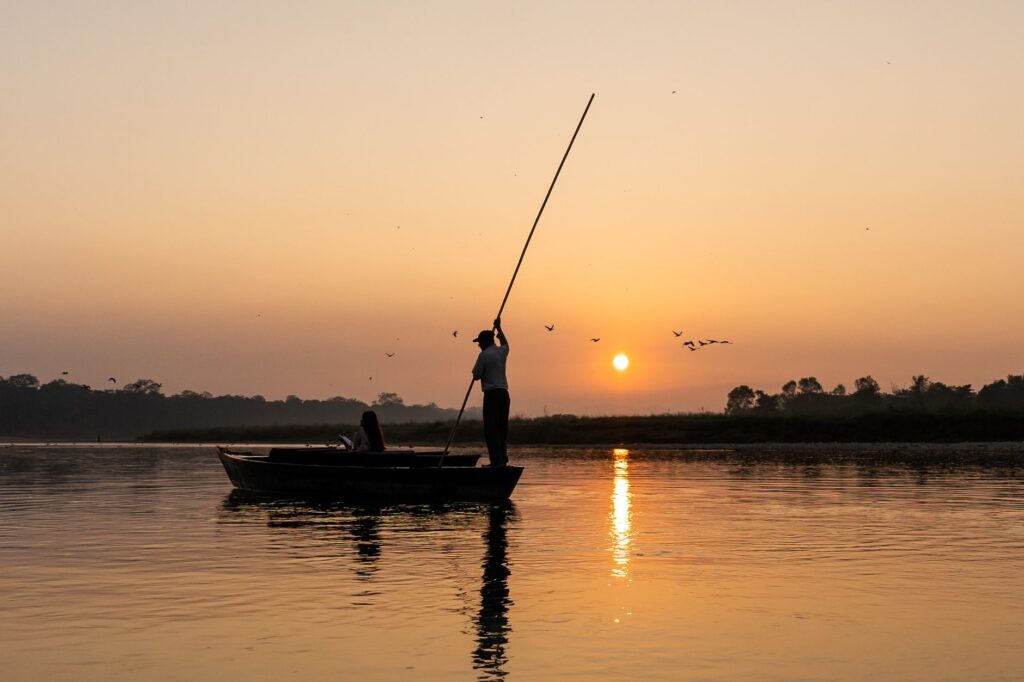
At sunset, the banks of the Narayani become a privileged observatory. The sun hides behind the trees and the air fills with sounds: birdsong, the murmur of water, and the voices of fishermen returning. Bharatpur is not a postcard city, but its authenticity and its connection to nature leave a lasting impression. It is a place where travelers can better understand life in the Nepalese Terai and contribute, through a conscious visit, to the preservation of its environment.