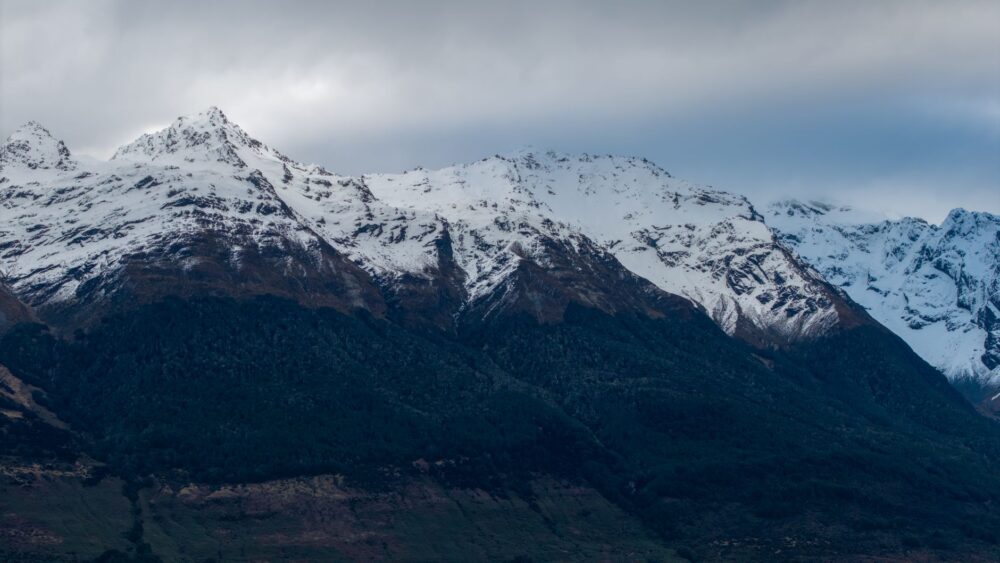
The Quebrada de Humahuaca stretches for 155 kilometres in the province of Jujuy, in northwestern Argentina. It is a narrow, arid valley flanked by the Puna high plateau and the eastern woodlands, following the course of the Río Grande. Since 2003, UNESCO has recognised it as a World Heritage Site for its value as an evolving cultural landscape. This is not a place to rush through, but to understand that every stone, every agricultural terrace, and every chapel holds a story spanning ten thousand years.
This article proposes a conscious visit, based on verifiable information and respect for the communities that inhabit the valley. You will find no invented data or personal experiences here. Only context, history, and practical advice so that your trip is useful and not harmful.
A valley that was a route before it was a destination
Before borders existed, the Quebrada de Humahuaca was already a natural corridor. The first hunter-gatherer groups used it some 10,000 years ago. Later came agricultural societies, the Incas in the 15th century, and then the independence armies. The quebrada is not a static landscape: it is a route that has never stopped being used.
That continuity is what makes it exceptional. Unlike other archaeological sites, life here goes on. The agricultural terraces of Coctaca, around 1,500 years old, are still worked. Present-day villages preserve construction techniques, festivals, and rituals that date back centuries. Walking through the quebrada is walking over layers of history that are not buried, but alive.
The landscape you see and the one you feel
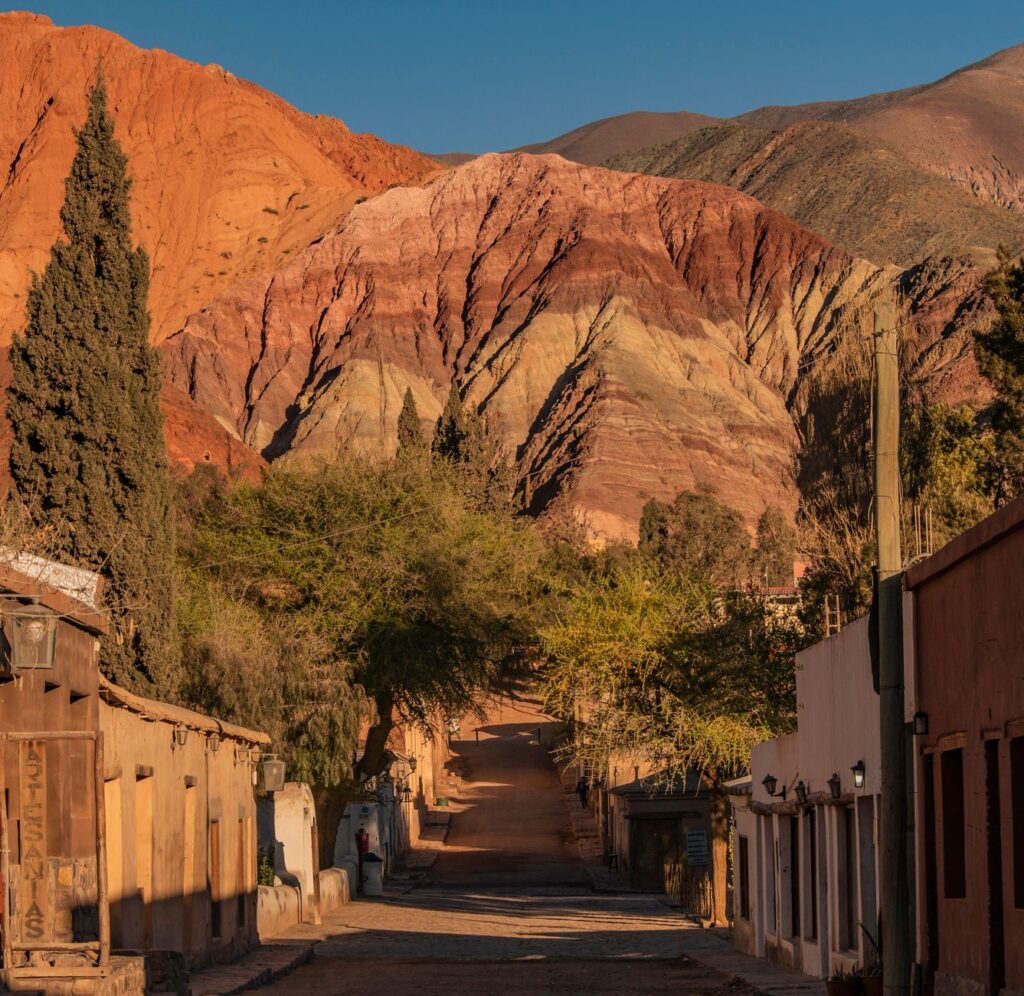
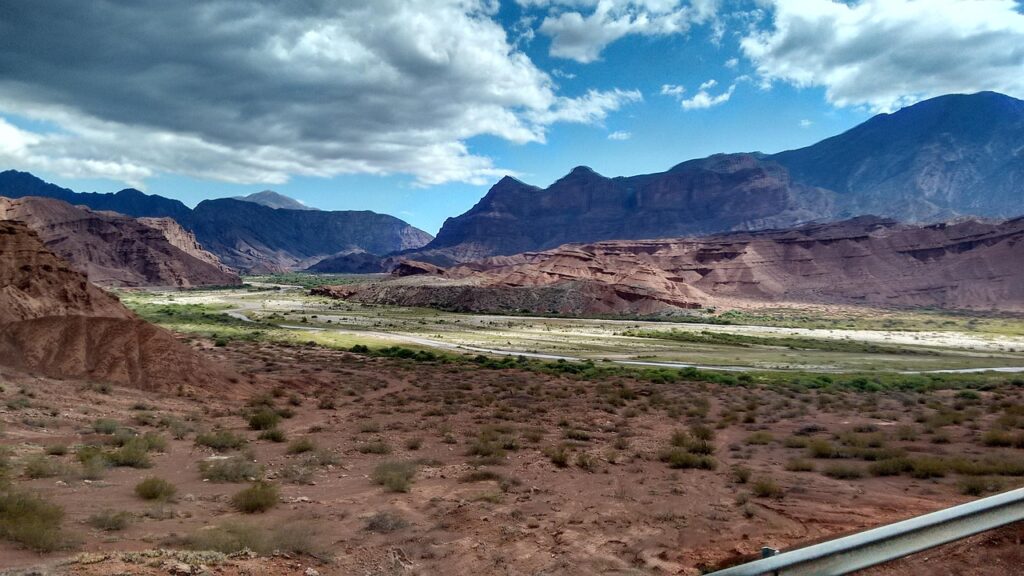
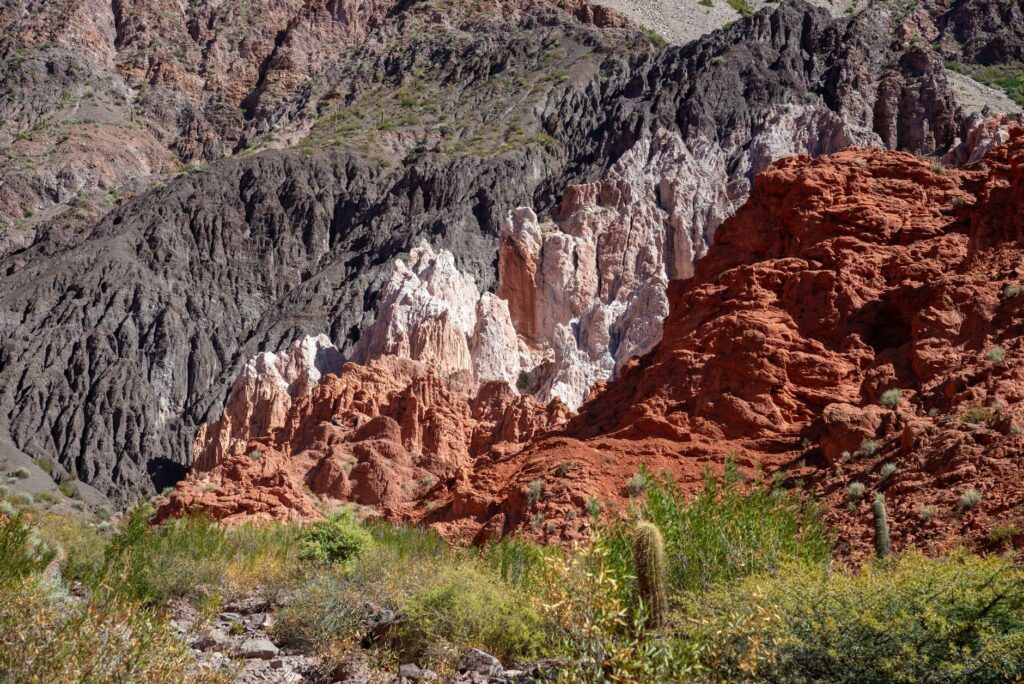
The valley imposes its geography. The multicoloured hills, formed by sediments from different eras, change tone with the light. To the north, the Puna is cold and desert-like; to the south, the environment becomes more humid. This variety explains why the quebrada was a mandatory passage between the Andean highlands and the plains of southeastern South America.
But the landscape is not only visual. Local communities maintain a deep relationship with the land. Pachamama, the Mother Earth, remains at the centre of many ceremonies. In August, the month of Pachamama, offerings are made and thanks are given for the harvests. For the visitor, understanding this is more important than any photograph.
The quebrada is not contemplated from the outside: it is inhabited, walked, and respected. The traveller who arrives in a hurry misses what matters most.
Villages and communities: where life is sustained
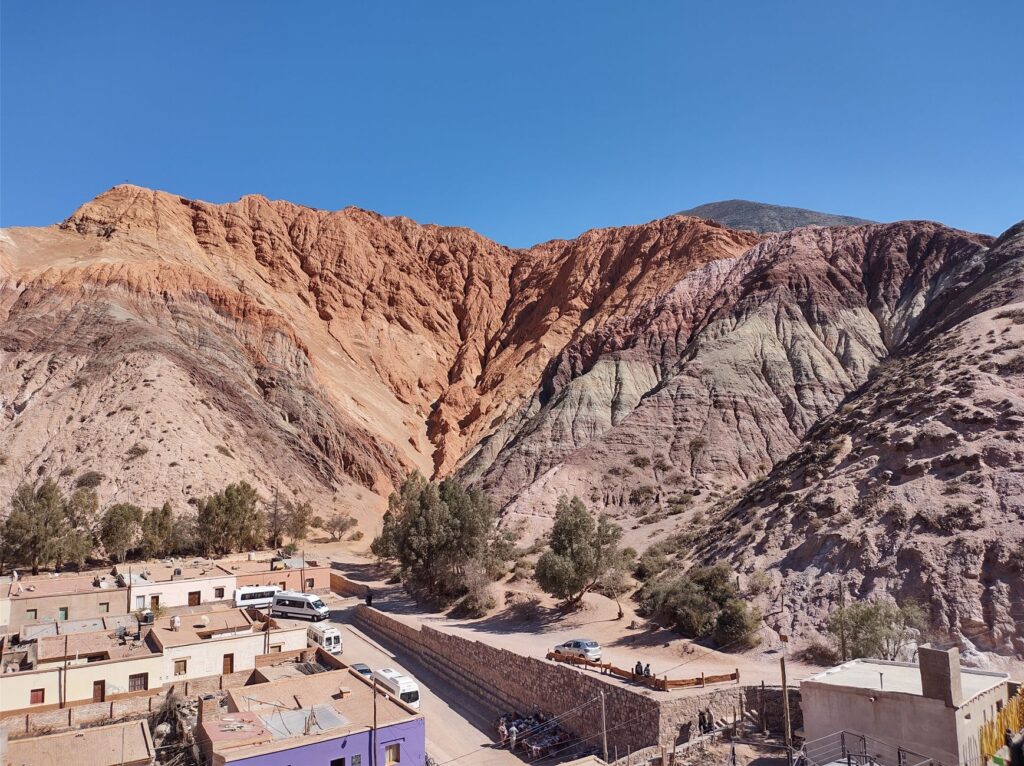
The quebrada is dotted with small villages, each with its own character. Humahuaca, in the north, is the largest and a historic crossroads. Tilcara, in the centre, combines an important archaeological site with an active cultural life. Purmamarca, to the south, is famous for the Hill of Seven Colours, but also for its craft market and colonial church.
Beyond the well-known names, there are communities struggling to maintain their ways of life. Terrace farming, llama and sheep herding, and loom weaving are activities that endure. Buying crafts directly from artisans, without haggling, is a concrete way to support that continuity.

It is important to remember that these villages are not stage sets. People live there all year round, with their routines, schools, and problems. Tourism can be an ally if it behaves respectfully, or a pressure if it imposes itself without measure.
The Inca Trail and the traces of history
The Inca Trail, or Qhapaq Ñan, crosses the quebrada from north to south. It was not a single route, but a network of paths connecting the Andes. Today, some sections can be walked, always with local guides and on marked trails. Walking them is a physical experience, but also a historical one: the same steps the Incas used to move armies, goods, and ideas.
Beyond the Inca Trail, there are vestiges of the colonial period and the wars of independence. The chapels and churches, some from the 17th century, retain their original architecture. In Purmamarca and Humahuaca, historic buildings are protected. The authenticity of these places depends on maintaining their traditional techniques and materials.
Food as a map of the territory
The gastronomy of the quebrada reflects its geography. Dishes are based on high-altitude products: Andean potato, corn, quinoa, broad beans, and llama meat. The Jujuy empanada, with knife-cut meat and potato, is a classic. You will also find tamales, humitas, and locro, a thick soup of corn and squash.
Many restaurants and family eateries offer these dishes. Eating in them is a way to know the local culture. This is not an exotic experience, but the everyday food of a region that has adapted to a difficult climate.
Mate and coca are also part of daily life. The coca leaf is used for soroche or altitude sickness, and its consumption is traditional and legal in Argentina. Respecting these customs is part of an informed trip.
Adobe and stone architecture: a living heritage
The houses of the quebrada are built with local materials: adobe, stone, and cardón cactus wood. Mud roofs and thick walls keep the heat in winter and the cool in summer. This architecture is not a decorative style, but an intelligent response to the climate.
The colonial churches, such as those in Purmamarca, Tilcara, or Humahuaca, combine European techniques with indigenous labour. Their adobe walls and cardón roofs are unique. The conservation of these buildings is a constant challenge, because adobe requires periodic maintenance.
In recent years, interest in recovering traditional techniques has grown. Some local projects aim to train new builders in the use of adobe and stone. Supporting these initiatives, even indirectly, helps ensure that the cultural landscape does not become an empty backdrop.
Responsible decisions for the visitor
Visiting the Quebrada de Humahuaca responsibly means making concrete decisions. The first is to inform yourself before arriving. Reading about its history, geography, and communities allows you to understand what you see. The second is to choose locally managed accommodation and services. Boutique hotels and international chains have their place, but money that stays in the community has a more direct impact.
The third is to respect sacred spaces. Archaeological sites are not theme parks. You should not climb on the ruins, leave rubbish, or remove objects. In churches, silence and appropriate dress are signs of respect. The fourth is not to photograph people without their consent. A portrait is not a souvenir.
The fifth is to conserve water. The quebrada is an arid environment, and water is a scarce resource. Short showers, not washing clothes in rivers, and avoiding waste are simple but significant gestures.
The traveller who understands that the quebrada is an inhabited place, and not a stage set, helps its beauty endure.
When to go and how to get around
The best time to visit the quebrada is from April to November, outside the rainy season (December to March). In those months, roads are in better condition and the weather is more stable. Winter (June-August) is cold, with nights below freezing, but days are sunny. Summer brings heavy rain and possible road closures.
To get around, there are buses connecting the main villages. You can also rent a car, but be prepared for mountain roads and altitude. Cycling is an option for short stretches, although the altitude and slopes require good fitness. Walking is the best way to explore the villages, but you need to acclimatise first.
Altitude ranges between 2,000 and 3,500 metres. Altitude sickness can affect some visitors. It is advisable to ascend gradually, drink plenty of water, and avoid heavy meals on the first day. Coca tea helps, but does not replace proper acclimatisation.
Practical guide
- Getting there: The nearest airport is in San Salvador de Jujuy. From there, you can take a bus or rent a car to Purmamarca (about 60 km) or Humahuaca (about 120 km). There are also services from Salta.
- Where to stay: There are options for all budgets, from hostels to boutique hotels. The larger villages, such as Tilcara and Humahuaca, have more choice. In high season, book in advance.
- What to bring: Warm clothing, sunscreen, hat, comfortable shoes, water, and cash. Not all shops accept cards.
- Altitude: Acclimatise before exerting yourself. If symptoms of altitude sickness appear, rest and descend if necessary.
- Cultural respect: Do not enter homes without permission, do not photograph people without consent, do not touch crafts unless you intend to buy.
- Conservation: Do not leave rubbish, do not leave marked trails, do not light fires. Adobe and stone are fragile.
The Quebrada de Humahuaca is not a destination to tick off a list. It is a place to return to, to learn from, and to understand that travelling is also a form of care. If visitors arrive with respect and leave with awareness, the cultural landscape will remain what it has been for millennia: a living territory.