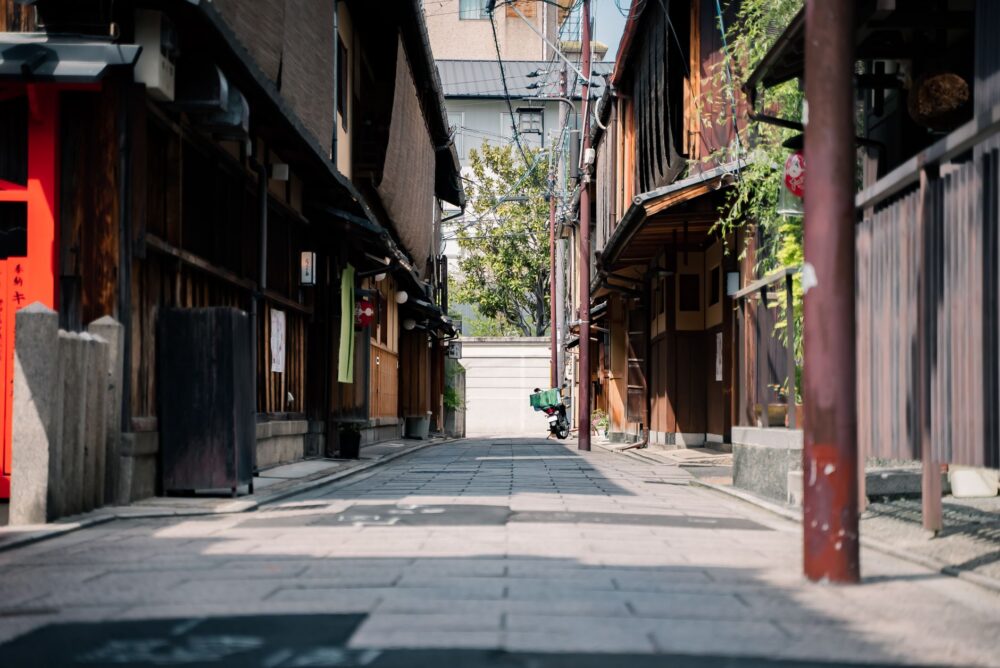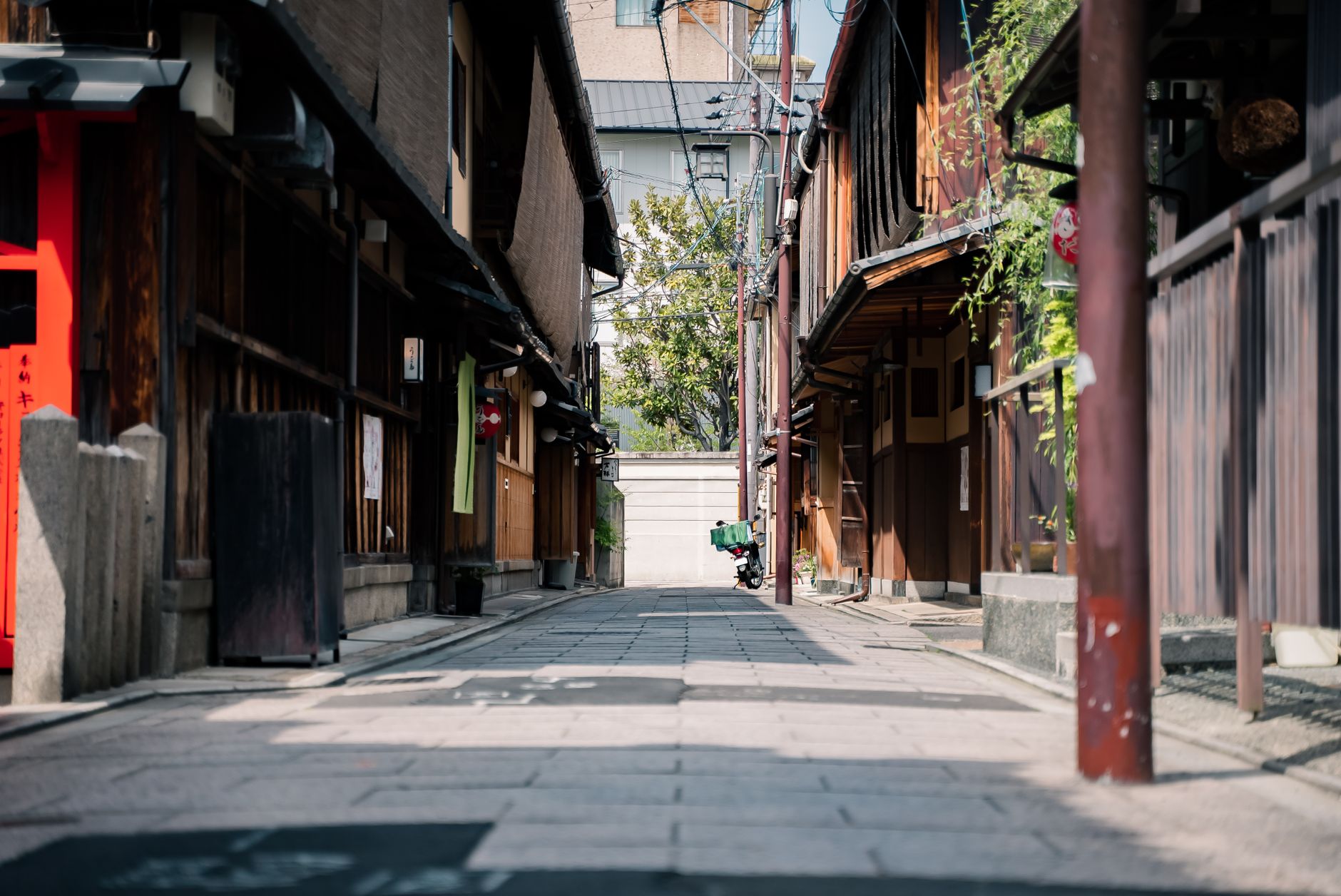

Kyoto does not fit into a postcard. The city that served as Japan’s imperial capital for more than a thousand years has watched the world fall in love with a handful of its streets, to the point where some of its most celebrated neighborhoods now live a daily tension between the beauty they offer and the pressure of those who come to photograph it. Yet the ancient capital is far wider than that showcase. In its historic districts, everyday life still unfolds among wooden townhouses, century-old workshops and neighbors who greet each other as they cross a narrow lane.
This story proposes a different approach: to explore Kyoto neighborhood by neighborhood, with particular attention to the districts where the relationship between visitors and residents still allows for balance. The goal is not to avoid famous places, but to understand that the city is a living organism and that each area has its own rhythm. The key lies in preparation, in choosing the right hours and in a simple but powerful idea: the best trip to Kyoto is one that leaves the city as it was found.
A wooden urbanism that shapes daily life
Kyoto is organized around a fabric that combines temples, rivers, hills and artisan quarters. The machiya, traditional wooden townhouses, are the basic unit of that fabric. Many remain standing and in use: they house homes, shops, ceramic workshops and small guesthouses. Walking through their streets is not an exercise in nostalgia, but a way to understand how a city can preserve its human scale while welcoming millions of visitors each year.
That scale has practical consequences. Sidewalks are narrow, buses run frequently but slowly during peak hours, and bicycles share space with pedestrians. Moving on foot or by public transport is not just an ecological recommendation: it is the most effective way to respect the local pace. The city has developed congestion forecast maps and real-time cameras so travelers can choose when to visit the busiest spots.
The ancient capital does not need more visitors, but more attentive ones. The difference between a tourist and a traveler is measured on the sidewalk.
Nishijin: silk, looms and silence in the heart of the city
Northwest of the center, the Nishijin district was for centuries Kyoto’s textile quarter. Its streets preserve the layout of an industry that once dressed the imperial court and still produces silk fabrics using inherited techniques. The sound of looms, which once filled the mornings, is now more sporadic, but the neighborhood retains an identity that sets it apart from the mass tourism circuit.
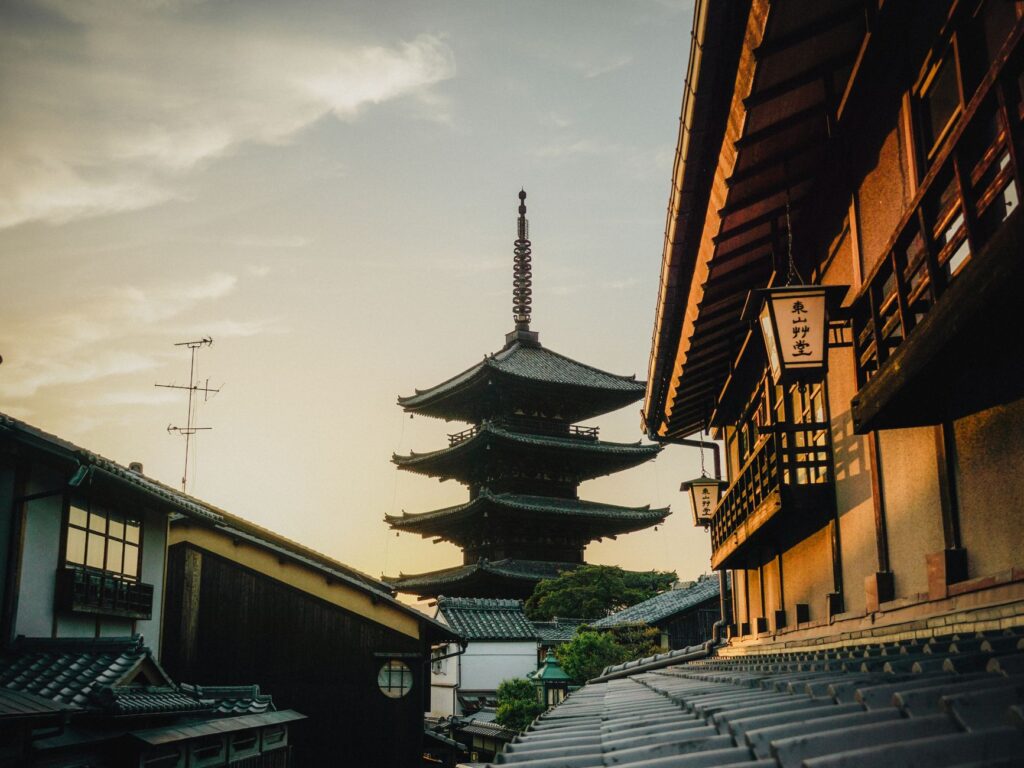
Walking through Nishijin is a glimpse of a Kyoto that works. There are workshops that open their doors by appointment, small thread shops and domestic architecture that blends traditional wood with contemporary solutions. The visit requires respect: this is a residential neighborhood, not a theme park. Signs asking for silence and prohibiting access to private property are not a minor detail, but the condition that allows the place to remain livable.
What to look for without intruding
- Machiya facades with wooden latticework and tiny gardens.
- Small textile workshops displaying samples in their windows.
- Neighborhood cafés where visitors go unnoticed.
Fushimi: sake, canals and a distinct identity
South of the central station, Fushimi was one of Japan’s three great sake-producing centers. Its canals, white-walled storehouses and stone bridges compose a landscape that has little to do with Kyoto’s most widely circulated image. Tourism does reach here, but at a slower pace, and the local industry remains the axis of neighborhood life.
Historic breweries coexist with homes and shops. Some offer visits and tastings, always by prior reservation and with clear rules. Travelers who make it this far discover a less monumental and more productive Kyoto, where the waters of the Yodo River have driven an economy for centuries. Walking along its banks at dusk, when light falls on the storehouses, is one of those experiences that never appear on the most repeated lists.
A stop worth making
Fushimi invites you to stay more than an hour. There is no rush to return to the center, and the neighborhood rewards those who take the time to look. Sake bars, utensil shops and small family restaurants offer a version of Kyoto that is savored slowly.
Uji: tea as landscape and economy
Uji, south of Kyoto, is synonymous with green tea. Its plantations, tea houses and riverside streets form a cultural landscape that goes beyond gastronomy. Uji tea is one of the most prized in Japan, and its production has shaped the area’s urban planning and calendar.
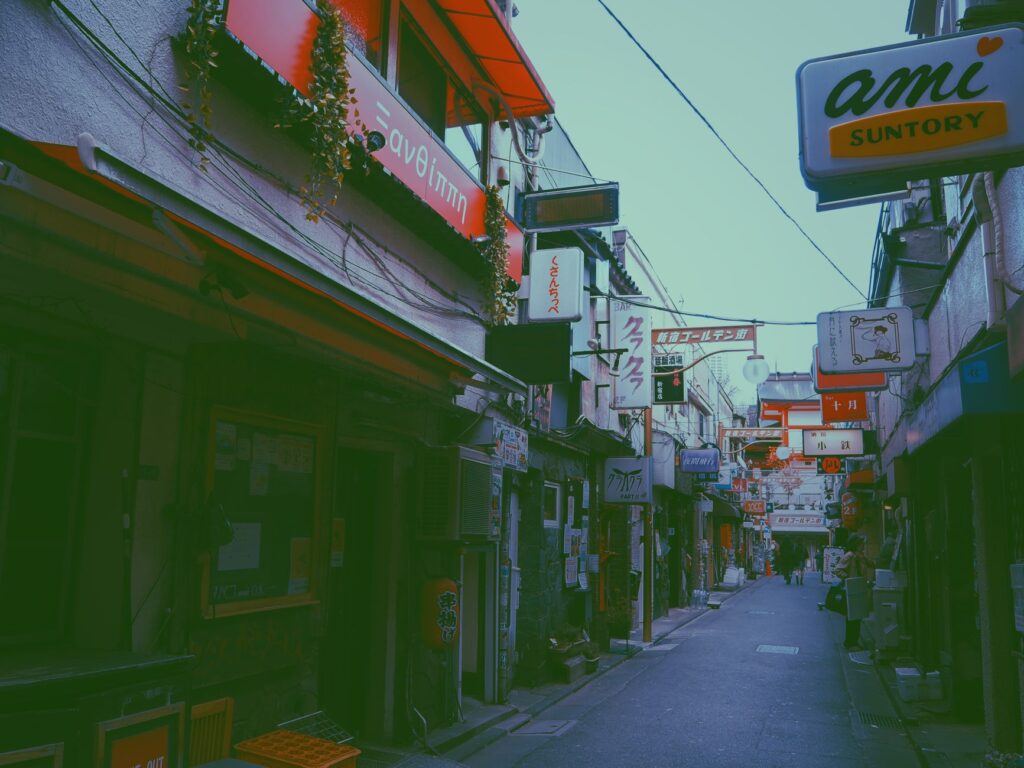
Visiting Uji is understanding that landscape is also cultivated. Tea fields spread across the slopes, and shops in the historic center allow visitors to learn about varieties and preparation methods. The area is accessible by train from Kyoto, making it a half-day or full-day excursion. The recommendation is to arrive early and avoid the busiest weekends, when tour buses concentrate their presence.
In Uji, tea is not a souvenir to take home: it is the landscape you walk through. Every slope tells a part of Kyoto’s story.
Higashiyama and Gion: the most delicate balance
Higashiyama and Gion are the names that resonate most when people talk about Kyoto. Their cobbled streets, temples and the chance of crossing paths with a geiko or maiko on her way to an appointment have turned the area into a tourist magnet. It is also where the tension between visitors and residents is most visible.
Local authorities and neighborhood associations ask people not to stop geishas for photographs, not to touch their clothing and not to trespass on private property. These are not arbitrary restrictions: they respond to a daily reality in which the working lives of these professionals and the privacy of residents are disrupted by a constant flow of cameras. There are respectful alternatives, such as cultural activities and performances that allow a closer look at this world without interfering with it.
Streets that ask for silence
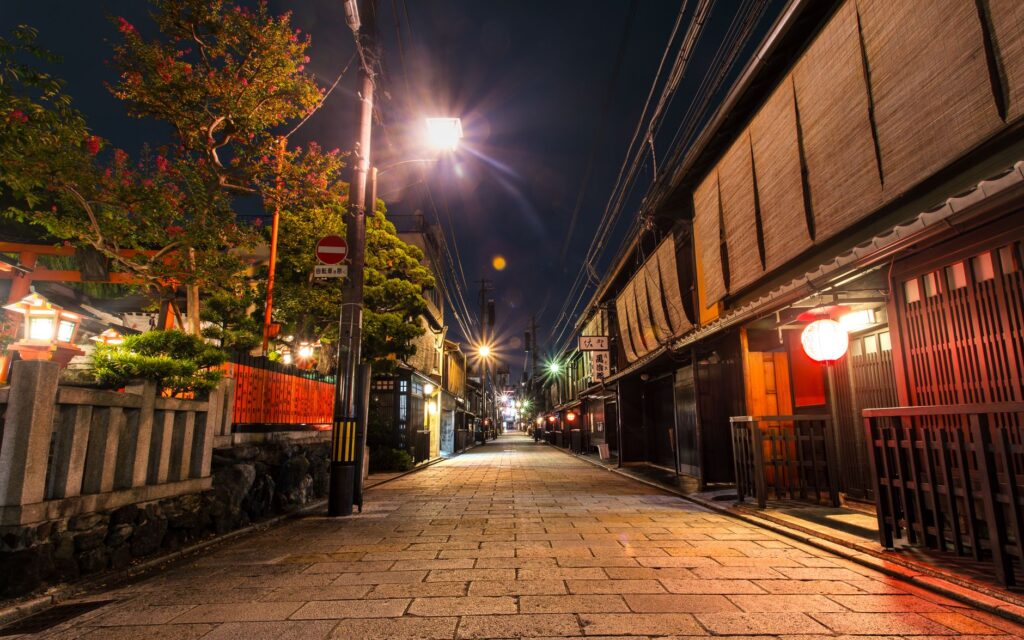
Gion is not a stage set. Its alleys house homes, tea houses and businesses that depend on calm. Walking without rushing, avoiding peak hours and not blocking the way are minimal gestures that make an enormous difference.
Nishiki and conscious consumption
Nishiki Market, in the center, is one of the city’s most popular visits. Its stalls offer pickles, traditional sweets, utensils and seasonal products. The concentration of visitors has led to rules of coexistence: eat at the stall where you bought the food, do not wander with food and take your waste with you if there are no nearby bins.
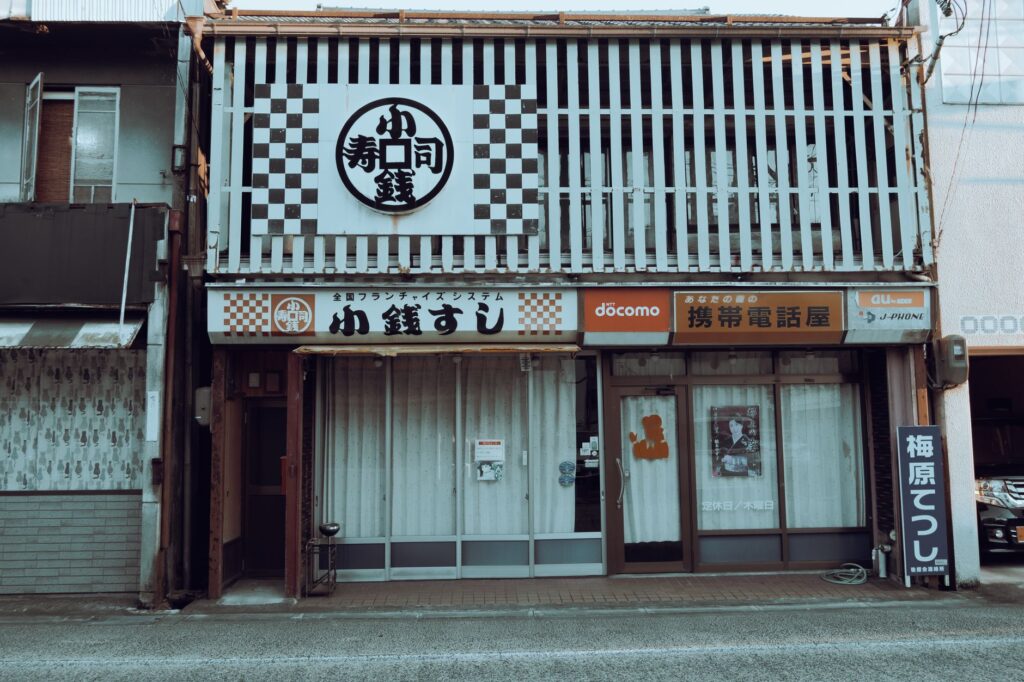
These rules are not meant to limit the experience, but to preserve a space that is, above all, a workplace. Vendors serve residents and visitors alike, and the balance depends on both respecting the same code. Buying attentively, asking before taking photos and not blocking entrances are concrete ways to help keep the market alive.
Planning the trip: hours, transport and accessibility
Kyoto is best explored with a clear strategy. The most famous temples open early, and the first hours of the morning offer an experience very different from midday. Some grounds remain illuminated at night, allowing visits in a calmer atmosphere. The train and bus network covers practically the entire city and its surroundings, although it can be slow during peak hours.
For travelers with reduced mobility, the city has been gradually improving its infrastructure, but not all temples and historic streets are fully accessible. It is advisable to check available services in advance and plan alternative routes. Luggage storage services at stations allow you to leave your bags and move more freely, which reduces congestion on public transport.
Mistakes to avoid
- Concentrating all visits in the same neighborhood at the same time.
- Ignoring local rules on photography and access to private property.
- Smoking outside designated areas, especially in the center and in Gion.
- Littering in public spaces, where bins are not always available.
Beyond the center: the wider Kyoto
Kyoto Prefecture does not end at its urban limits. To the north, areas such as Ohara, Takao or Miyama offer rural landscapes and less crowded temples. To the west, bamboo groves and mountain paths propose a quieter version of the region. Further north, near the Sea of Japan, lie the sandbar of Amanohashidate and the boathouses of Ine, two destinations that require planning but reward the effort generously.
These areas help distribute visitor flows and reveal a Kyoto that does not appear on day-trip itineraries. Public transport reaches many of them, although in some cases it is necessary to combine train and bus. The reward is a slower experience and a more direct relationship with the surroundings.
The city as a conversation
Kyoto has been adapting for more than a thousand years. It is not a museum, but a community that negotiates its relationship with the world every day. Travelers who arrive with curiosity and respect find a generous city, full of corners that do not appear in guidebooks and people willing to share their knowledge if given space.
The sustainability of tourism in Kyoto depends not only on public policies, but on millions of small decisions: choosing a less crowded neighborhood, respecting a silence, buying in a local shop, not stopping someone who is on their way to work. Each of those decisions helps the city remain livable for those who call it home.
At the end of the journey, what remains is not a list of monuments, but the feeling of having walked through a city that breathes. Kyoto is not visited in one go: it is discovered in layers, neighborhood by neighborhood, and it always leaves the door open for a next time.
Practical guide
When to go. Spring and autumn are the most in-demand seasons. If the goal is to avoid crowds, consider the winter months, colder but noticeably quieter, or the early morning hours at any time of year.
Getting around. The train and bus network connects the center with most districts and nearby towns such as Uji or Fushimi. Luggage storage services at stations allow you to travel without bags. Walking is the best way to explore historic neighborhoods, but it requires comfortable shoes and attention to traffic rules.
Where to stay. Neighborhoods such as Nishijin, Fushimi or areas near the station offer alternatives to the more saturated center. Guesthouses in machiya allow a closer experience of local life, provided that rules of coexistence are respected.
What to avoid. Do not stop geishas or maikos for photographs, do not smoke outside designated areas, do not eat while walking through Nishiki Market and do not enter private property. These rules are not optional courtesies: they are the basis of sustainable coexistence.
Accessibility. The city has progressively improved its infrastructure, but not all temples and alleys are accessible. It is advisable to check in advance and plan alternative routes.
Language. Although English is present in tourist areas, learning a few basic Japanese words and using translation apps facilitates communication and is well received.