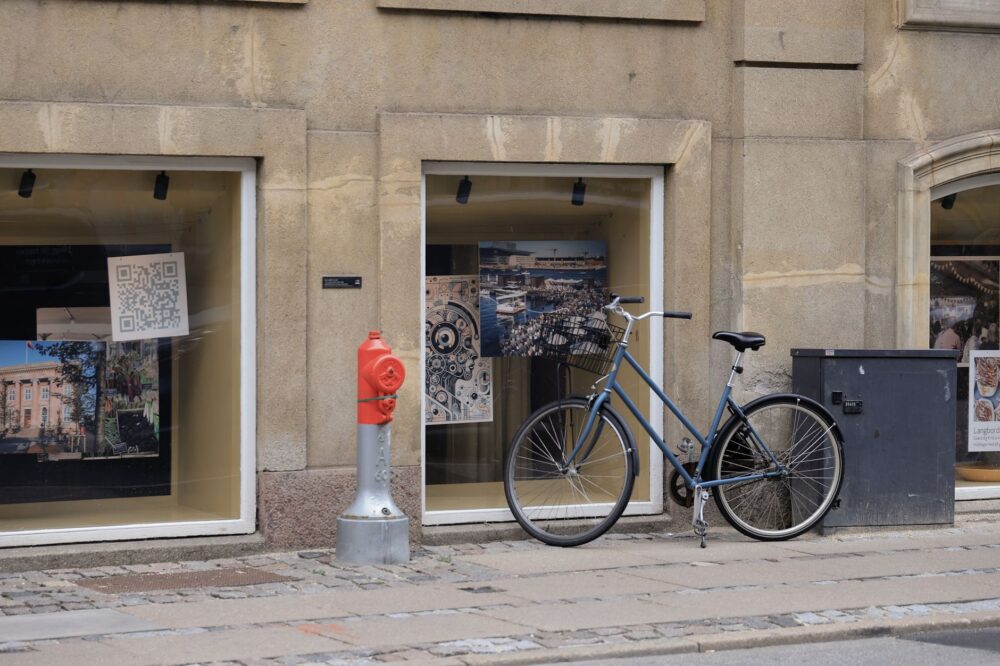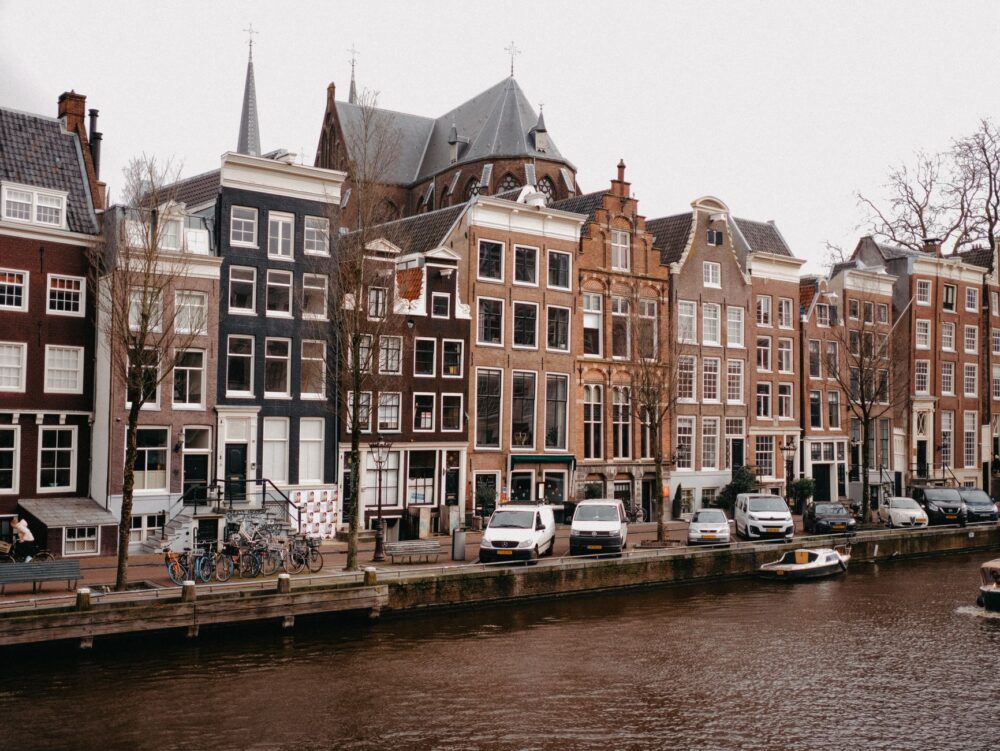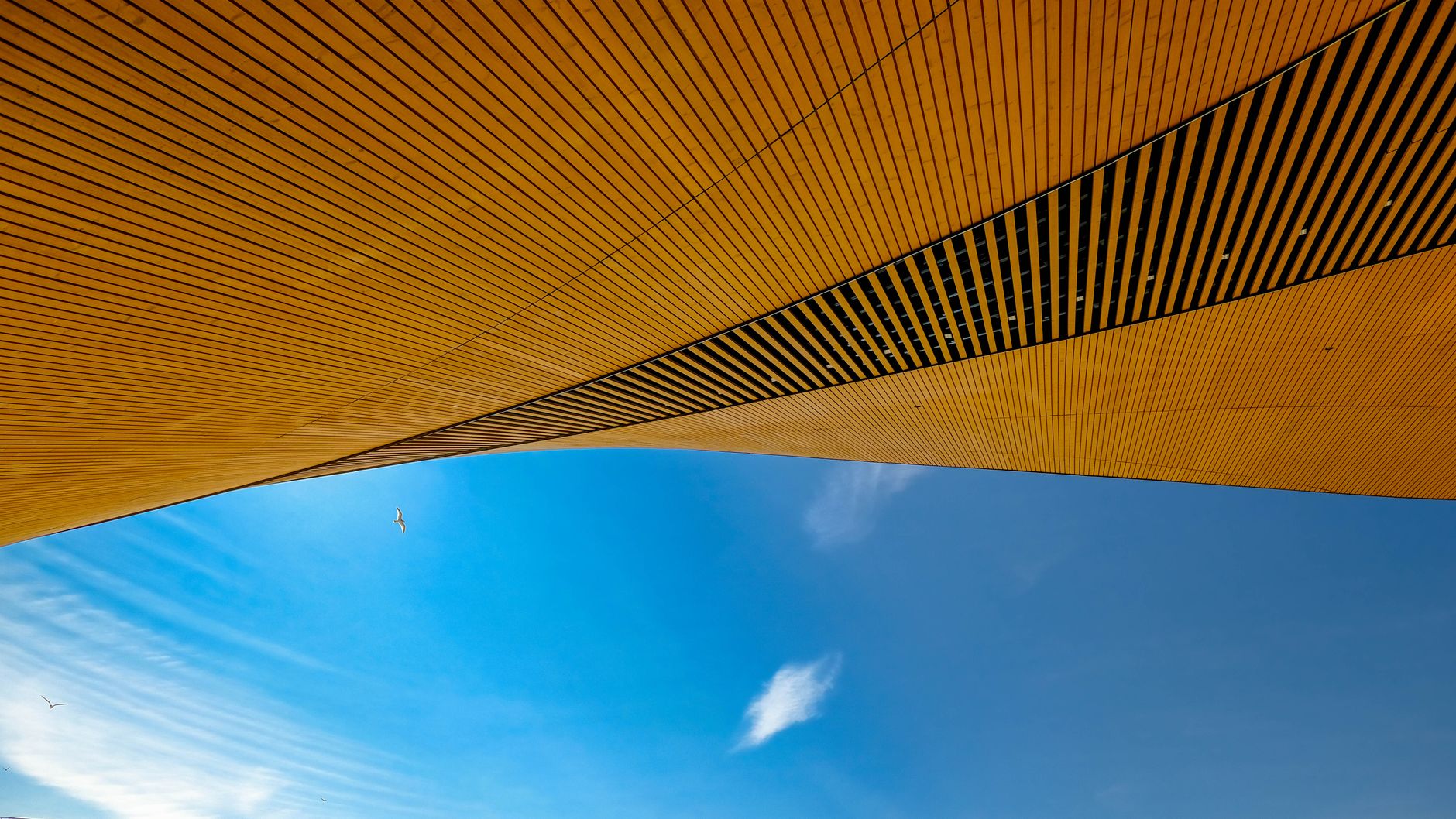

In Helsinki, design is not visited: it is used. It lives in the tram handle shaped for a gloved hand in winter, in the light that fills Oodi library without glare, in the curved wooden bench waiting at a bus stop at minus ten degrees. Finland’s capital has built its international reputation on a simple, demanding idea: the everyday deserves the same attention as the monumental.
Finland marks in 2026 the ninetieth anniversary of the death of Alvar Aalto, its most influential architect, and that milestone invites a look at the city not as a museum of authorship but as a laboratory where design is tested daily with feet, hands and cold. This report proposes a route through the spaces where that philosophy becomes tangible, with attention to the responsible choices a visitor can make so as not to harm what they admire.
A city designed for the body, not for the photograph
Helsinki has no single monumental centre. It has several nodes that work like gears: Senate Square, with its white neoclassical ensemble; the Katajanokka district, with its concentration of Art Nouveau buildings; the Töölö area, where Aalto left his residential mark; and the new Oodi centre, which since 2018 has functioned as reading room, workshop, nursery and recording studio.
The human scale is a political decision, not an accident. The master plan limits heights, protects views and prioritises public transport over the car. The result is a city that can be walked without fatigue, where every bench, lamp post or pavement has a functional reason and an aesthetic resolution.
Finnish design does not seek to impress the visitor: it seeks to make daily life simpler, warmer and more dignified.
Oodi: the library as a nation’s living room
Oodi Central Library, by ALA Architects, is the most visited building in Finland after the main department stores. Its curved spruce facade and large windows do not chase spectacle: they chase transparency. On the ground floor there is a cinema, a restaurant and a self-service book return. On the middle level, sewing workshops, 3D printing and rehearsal rooms. On the top floor, a reading landscape beneath an undulating roof.
The building was designed with energy efficiency and renewable materials in mind, and its upkeep is funded from the public budget. For the visitor, the lesson is clear: you can walk in without a library card, sit for hours, read the international press and use the toilets. Hospitality is the architectural programme.
What to observe at Oodi
- The wooden staircase connecting the three floors, used as an impromptu grandstand.
- The indirect lighting system, designed not to compete with the scarce natural light of winter.
- Artek furniture, the firm founded by Aalto, present in the reading rooms.
Katajanokka and the Art Nouveau that is still lived in
The Katajanokka district preserves one of the densest clusters of Art Nouveau architecture in Northern Europe. This is not an open-air museum: these are homes, offices, embassies and cafés in use. The early twentieth-century buildings combine local stone, wrought iron and plant ornament, and many have been renovated to meet energy-efficiency standards.
Walking its streets is to understand that preservation does not always require freezing. The city has allowed contemporary interventions in interiors and courtyards, provided the facade and structure are maintained. Visitors can explore the area on foot, respecting residents, and pause at Uspenski Orthodox Cathedral, which crowns the hill with its red brick and golden domes.
The tram as a moving design object
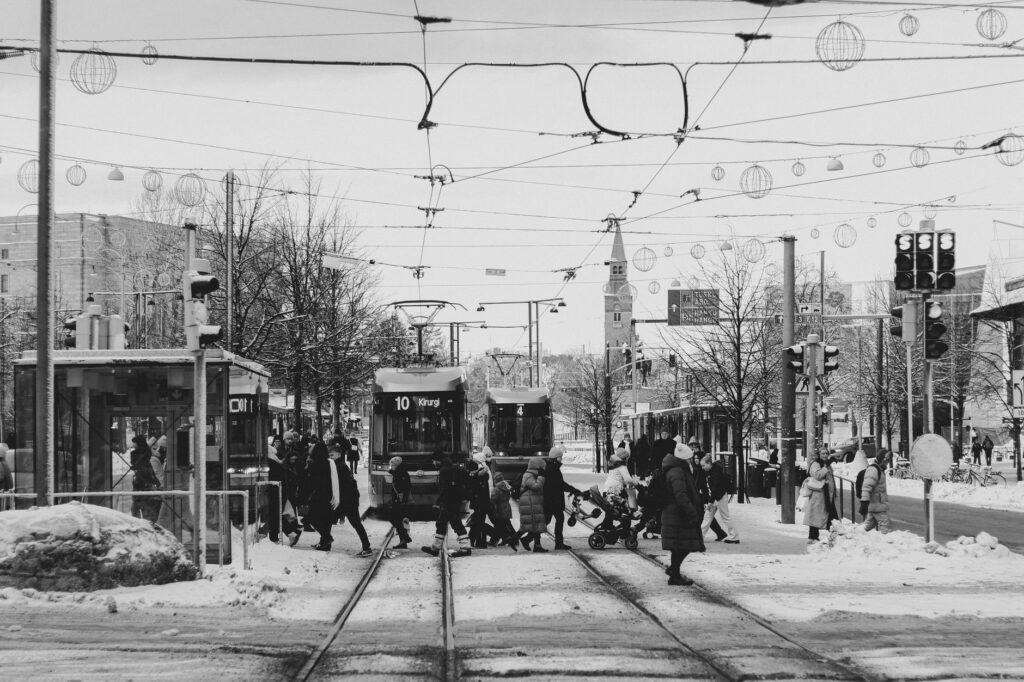
Helsinki’s tram network is one of the oldest in Europe and remains the preferred means of transport for many residents. The new Artic models, built by Škoda Transtech in Finland, feature low floors, automatic ramps, space for bicycles and recyclable materials. The interior design prioritises visibility and comfort on short journeys.
For the traveller, taking the tram is not just a practical option: it is a way to understand the city at ground level. Lines 2 and 4 cross residential neighbourhoods, markets and port areas. Tickets are bought on the official app or from machines, and the system works with contactless cards.
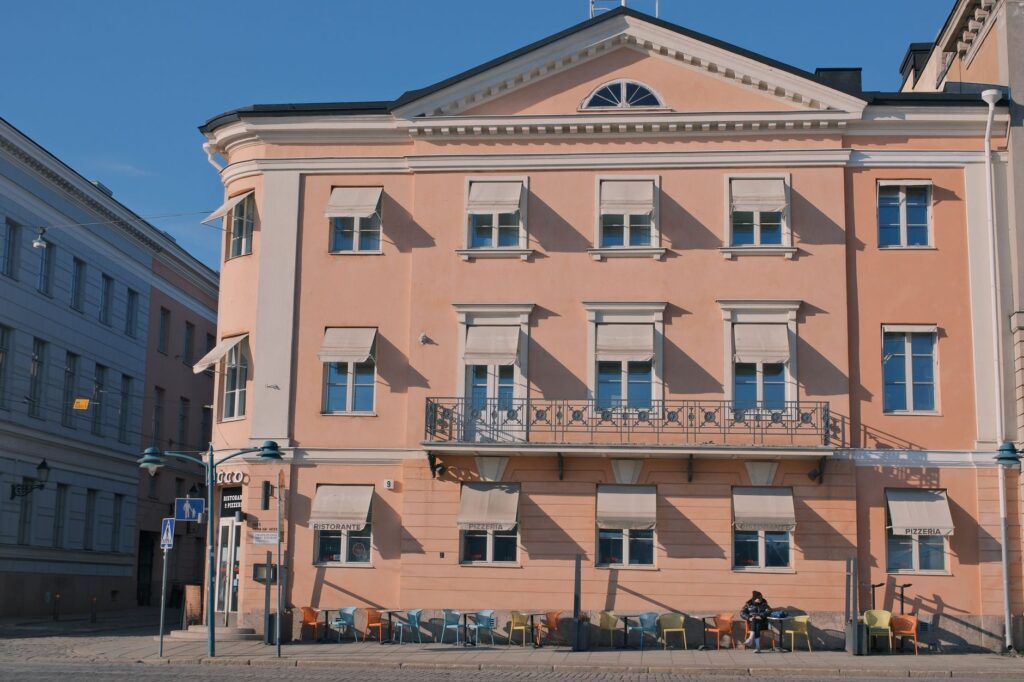
In Helsinki, infrastructure is also design: the tram, the pavement and the stop form a single object of daily use.
Public sauna: the design of shared heat
The sauna is a Finnish institution and Helsinki has several public facilities, such as Kotiharjun Sauna, operating since 1928, and Löyly, a contemporary building by the sea. Both follow the same logic: wood, stone, steam and silence. The design seeks durability and hygiene, with treated wooden benches and calculated ventilation.
Visitors should follow local rules: shower before entering, use a towel or paper seat, keep voices low and respect turns. The sauna is not a tourist attraction with flexible hours: it is a space of coexistence with clear rules. Taking part respectfully is part of the experience.
Recommended public saunas
- Kotiharjun Sauna: the oldest in continuous operation, in the Kallio district.
- Löyly: contemporary architecture facing the Baltic, with a restaurant and terrace.
- Hermanni Sauna: a neighbourhood option, simple and affordable, frequented by residents.
Markets and local food culture
The Old Market Hall at Kauppatori, by the harbour, and Hakaniemi Market are two essential stops for understanding Finland’s relationship with local produce. They sell Baltic fish, rye bread, cheeses, berries and crafts. The season dictates the offer: in summer, strawberries and peas; in autumn, mushrooms and game; in winter, preserves and dense breads.
Finnish food culture values simplicity and traceability. Many restaurants state the origin of ingredients and work with nearby producers. For the responsible visitor, buying at markets and avoiding waste is a concrete way to align with local values.

Islands and urban nature: the design of landscape
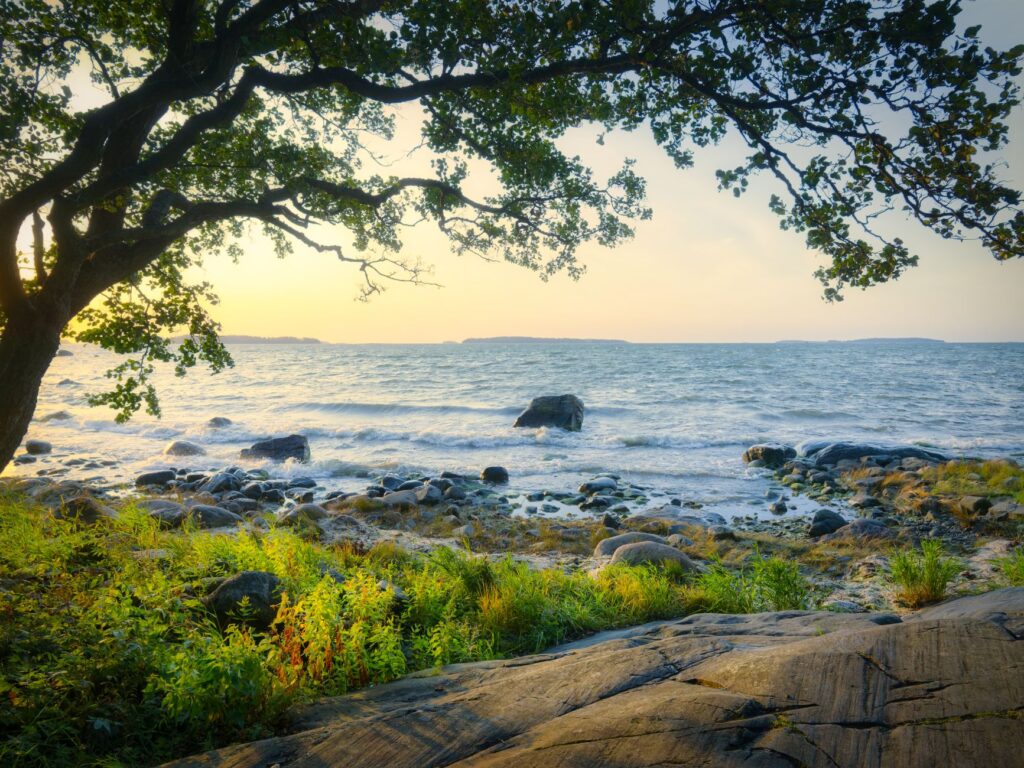
Helsinki sits on a network of more than three hundred islands. Some are connected by bridges, others by public ferries. Suomenlinna, a maritime fortress declared a World Heritage Site, is the best known, but Pihlajasaari, with its beaches and trails, and Lonna, a small island near the market converted into a sauna and dining space, are also worth a visit.
Urban landscape design seeks to integrate nature without over-domesticating it. Paths are gravel, signage is discreet and waste is managed with separate containers. Visitors should take their rubbish with them and respect nesting areas.
Responsible choices for the visitor
Travelling to Helsinki with sustainability criteria does not require heroic sacrifices. The city offers efficient public transport, free drinking water and an advanced recycling culture. Some concrete guidelines:
- Stay in hotels with environmental certification and avoid chains with high energy consumption.
- Use the tram, metro or public bike instead of taxis.
- Shop at markets and second-hand stores, highly valued in Finland.
- Respect the schedules and rules of saunas, libraries and shared spaces.
- Carry a reusable bottle: tap water is drinkable and excellent.
Practical guide
When to go: summer offers long days and mild temperatures; winter is cold but bright indoors and allows you to experience the sauna in context. Spring and autumn are cheaper and quieter.
Getting around: the official transport app (HSL) lets you buy tickets and plan routes. The tram is the best way to explore the centre; the ferry to Suomenlinna is included in the public transport pass.
What to bring: warm layers, waterproof footwear and a reusable bottle. In summer, sun protection and mosquito repellent if visiting islands.
Language: Finnish is the main language, but English is widely spoken in hotels, restaurants and transport. Learning basic greetings such as hei or kiitos is well received.
Budget: Helsinki is expensive for accommodation and dining, but public museums, libraries and markets offer affordable options. Tap water is free and safe.
A closing by the Baltic
At dusk, ferries return to the harbour and lights come on in houses above the rocks. At that moment, Helsinki reveals its most honest design: that of a city that learned to live with little space, little light and much cold, and turned those limitations into a form of useful beauty. The visitor who pauses to look at the sea understands that they have not toured a catalogue of objects, but a way of inhabiting the world.