
In the Chiloé archipelago, off the coast of southern Chile, wood is not just a building material: it is a language. Churches, stilt houses, piers and boats share a repertoire of techniques and forms that have shaped island life for centuries. UNESCO inscribed sixteen of these churches on the World Heritage List in 2000, recognising an architectural tradition unique in Latin America. But beyond the recognition, what defines Chiloé is how that architecture still organises daily life: the arrival of the ferry, the minga community work, the religious festival, the smoke from wood-fired kitchens.
This feature offers a reading of the archipelago through its wooden architecture and island culture, without inventing figures or testimonies. It draws on official UNESCO documentation and on the observation of a landscape where construction and everyday life are inseparable.
An archipelago shaped by forest and tide
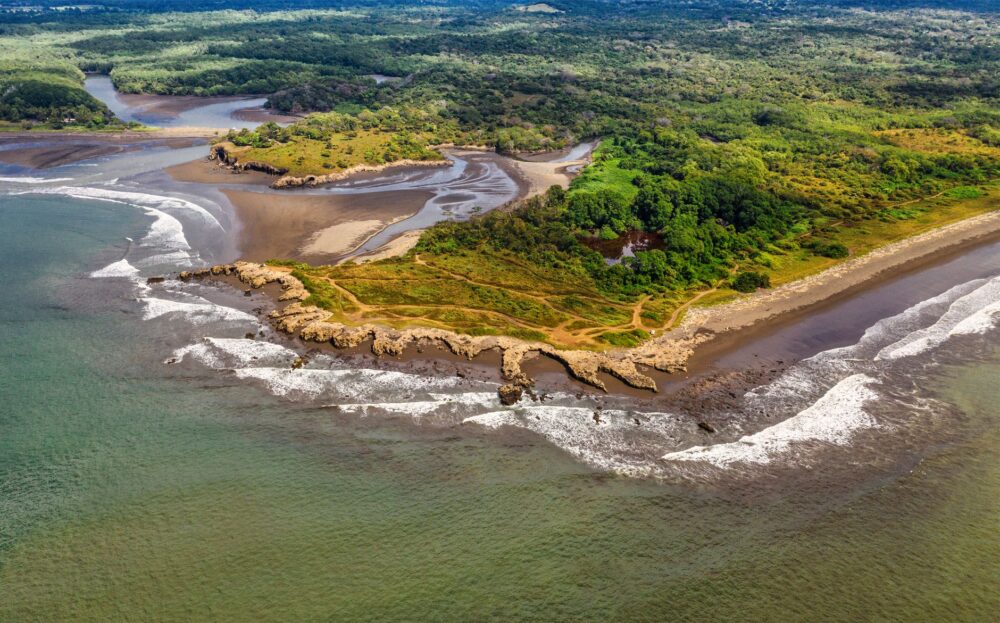
Chiloé stretches off the coast of Chile’s Los Lagos region. Its geography of islands, channels and temperate rainforest has historically conditioned the lives of its inhabitants. The wood of cypress, alerce, mañío and other native species was for centuries the most abundant and versatile resource. With it, people built homes, churches, boats and tools.
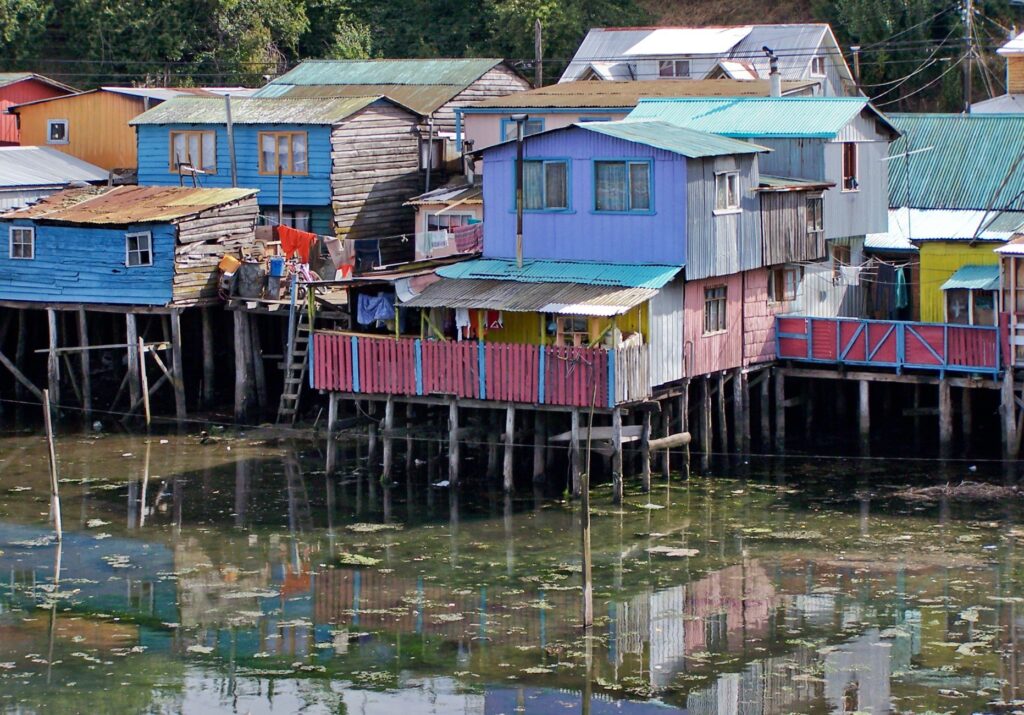
The relationship between landscape and daily life is expressed in concrete details: houses are raised on stilts to protect against tides and humidity; alerce shingle roofs withstand constant rain; dirt roads are travelled on foot, on horseback or in vehicles that share the way with livestock. Architecture does not compete with the environment: it adapts to it.
In Chiloé, wood does not only hold up buildings: it holds up a way of inhabiting the archipelago.
The Chilote school: when technique becomes tradition
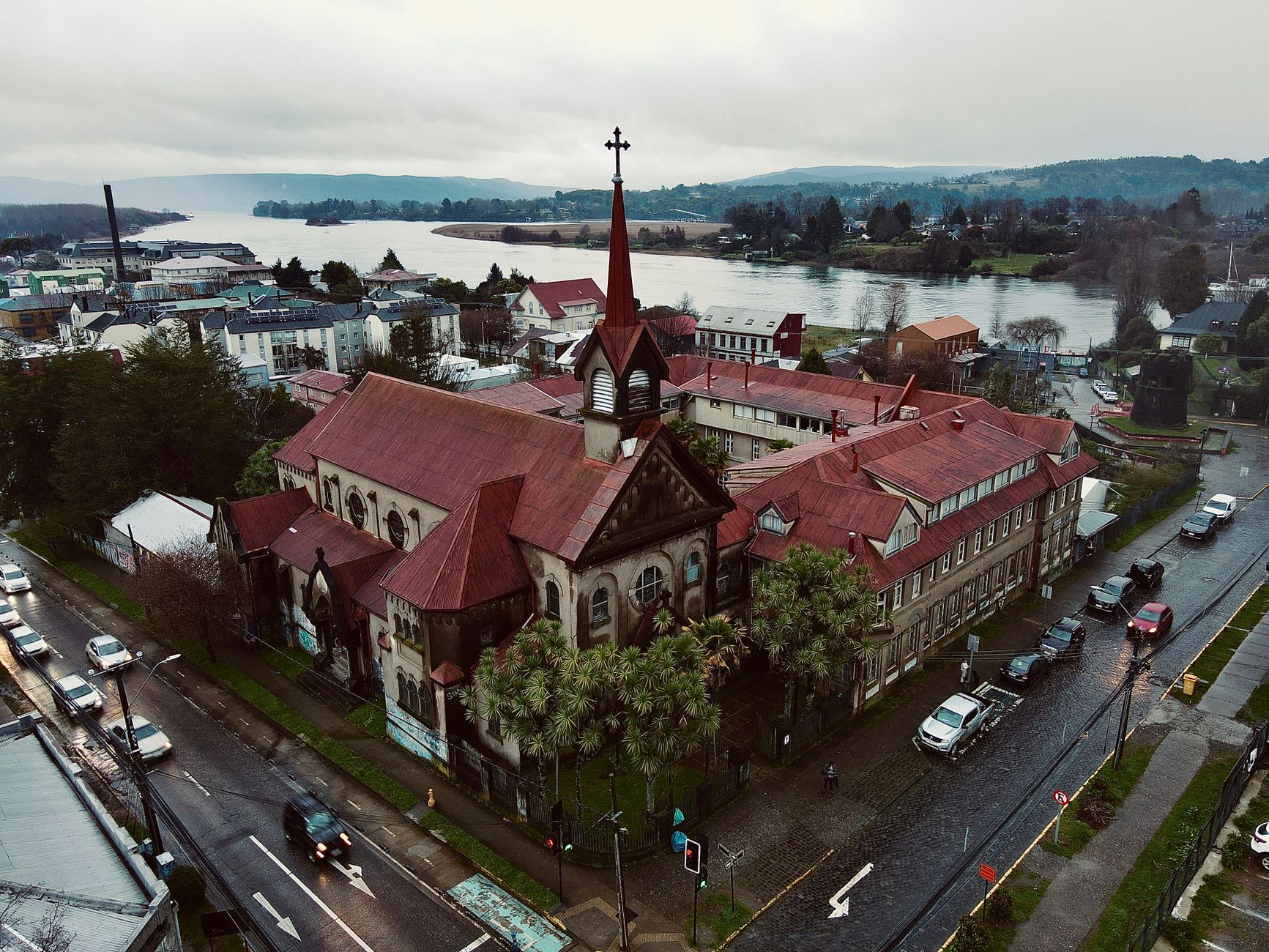
UNESCO describes the Churches of Chiloé as a unique example of wooden religious architecture in Latin America. Their tradition dates back to the Jesuit circular mission of the 17th and 18th centuries, continued and enriched by the Franciscans in the 19th century. Local carpenters developed their own construction system, known as the Chilote school, which fuses European techniques with indigenous knowledge and solutions from boatbuilding.
The churches are characterised by their tower façade, basilican layout and vaulted ceiling. But what distinguishes them is the work in wood: joints, connections and finishes that reveal a deep understanding of the material. UNESCO notes that these churches bear witness to a successful fusion of cultures and a full integration into the landscape.
Sixteen temples, a living network
Among the recognised churches are those of Achao, Quinchao, Castro, Rilán, Nercón, Aldachildo, Ichuac, Detif, Vilupulli, Chonchi, Tenaún, Colo, San Juan, Dalcahue, Chellín and Caguach. They are not museum pieces: they remain places of worship and centres of community life. Their location on hills, visible from the sea, responds to a practical and symbolic logic: to be seen by navigators and to protect from water.
Everyday life in wooden houses
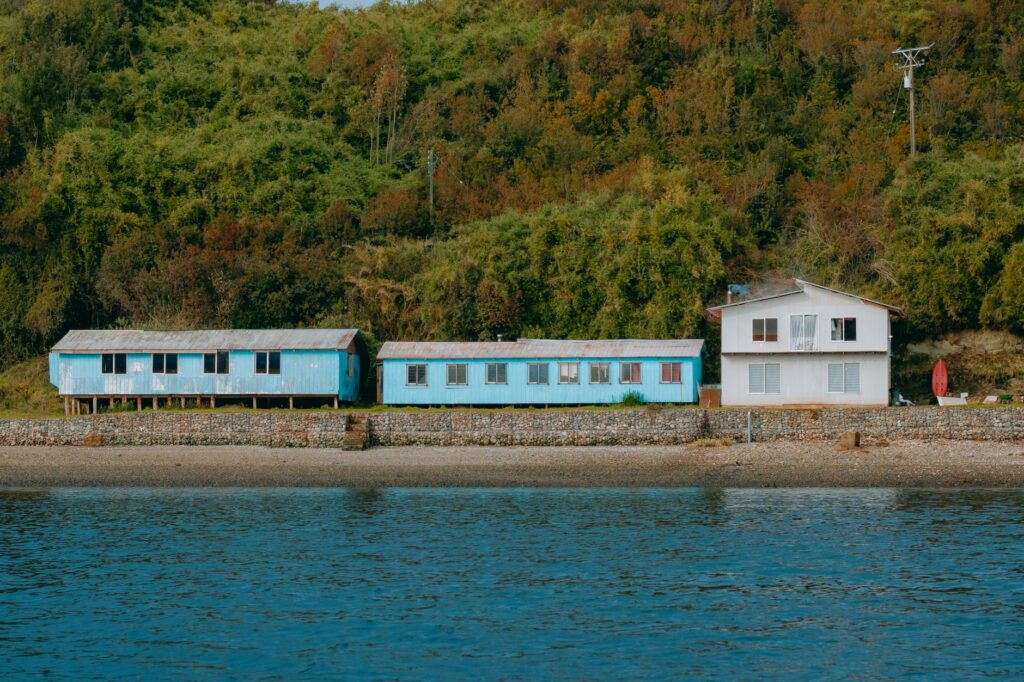
Beyond the churches, wooden architecture defines the domestic landscape of Chiloé. Traditional dwellings combine planks, shingles and timber structures with zinc or shingle roofs. Many are grouped along the coast or in small rural settlements where life unfolds between the vegetable garden, the sea and the forest.
The kitchen is the heart of the home. The wood stove, the hearth and the clay oven articulate family life. In winter, rain and wind make the house a refuge; in summer, doors open onto the patio and the beach. This seasonal alternation marks the rhythm of activities: sowing, fishing, seaweed gathering, building and repairing boats.
In Chiloé, the house is not just a shelter: it is the centre of a system of work, food and sociability that revolves around wood and the sea.
Stilt houses, piers and boats: wood on the water
The palafitos of Castro are perhaps the most recognisable image of Chilote architecture on the water. These houses raised on wooden stilts overlook the estuary and have been restored in recent decades. Their existence responds to the need to live near the sea without giving up protection from the tides.
The boatbuilding tradition is inseparable from architecture. Shipwrights build and repair wooden vessels that still sail between the islands. Joinery and caulking techniques share principles with those used in the churches, as UNESCO documentation notes when referring to the influence of boatbuilding on tower and roof structures.
The minga: community work and heritage maintenance
The conservation of churches and houses does not depend solely on institutions. The minga, a form of unpaid community work, has been key to maintaining temples and other common spaces. UNESCO mentions it as an essential component of the intangible values that link communities to their churches.
This system of cooperation extends to other activities: building fences, repairing roads, gathering seafood. Wooden architecture requires constant care: painting, replacing shingles, reinforcing structures. Without that maintenance, heritage deteriorates. The collapse of the tower of the church of Chonchi after a storm in March 2002 highlighted the vulnerability of these constructions and the need for a sustained culture of maintenance.
Religious festivals and the island calendar
The calendar of Chiloé is marked by religious festivities that bring entire communities together. The feast of Jesús Nazareno de Caguach, the Virgin of Candelaria in Carelmapu or the celebrations around San Antonio are some examples. These festivals are not only devotional: they are also moments of encounter, exchange and reaffirmation of island identity.
The churches, with their esplanades and atriums, serve as stages for these celebrations. Architecture is activated by music, dance, food and procession. Built space and lived space overlap.
Food and landscape
Chilote cuisine reflects the environment: curanto, milcao, chapaleles, seafood empanadas, spit-roasted lamb. Ingredients come from the sea, the garden and the forest. Wood is also present in the kitchen: the hearth, the firewood and the utensils. Eating in Chiloé is a way of inhabiting the landscape.
Current challenges: tourism, wood and sustainability
International recognition has brought visitors, but also new challenges. UNESCO warns about the risks of commercialisation and trivialisation of heritage. The scarcity of fine hardwoods, such as alerce and cypress, and the need to protect those species, raise questions about the future of traditional techniques.
Alternative woods are being explored and treatments are being researched to mitigate the effects of weather and xylophagous insects. Passing on the knowledge of carpenters to new generations is another open front. The sustainability of conservation efforts depends on finding a balance between development, tourism and preservation.
Practical guide
To visit Chiloé with respect and make the most of the trip, it is advisable to plan ahead and take seasonality and weather conditions into account.
- Getting there: The main access is by air to Puerto Montt airport, in Chile, and from there by road and ferry to Ancud or Castro, in the archipelago. There are also sea connections from various points along the coast.
- When to travel: The austral summer (December to March) offers longer days and milder temperatures, although rain can appear at any time. Winter is colder and rainier, but allows for a quieter and more authentic experience.
- What to bring: Waterproof clothing, suitable footwear for dirt and mud roads, and layers of warm clothing. Humidity and wind are constant.
- What to visit: The churches of Achao, Quinchao, Castro, Nercón, Chonchi, Dalcahue and Tenaún, among others. The palafitos of Castro, local markets and the trails of Chiloé National Park.
- Getting around: There are buses and shared taxis between the main towns. To explore the smaller islands, it is necessary to check ferry and boat schedules.
- Respect and coexistence: The churches are active places of worship. It is best to visit outside mass times and respect the indications of the communities. Tourism should contribute to the local economy without displacing residents.
- Language: Spanish is the official language. In rural areas, some older people also speak expressions in Mapudungun and local variants of Chilote Spanish.
A closing between shingles and tide
At dusk, when light filters through the clouds and the rain pauses for a moment, the wooden churches trace their silhouette against the hills. Carpenters put away their tools. Kitchens light their hearths. In Chiloé, architecture is not a backdrop: it is the very structure of everyday life. Wood, worked with wisdom and maintained through community effort, remains the language with which this southern Chilean archipelago tells its own story.