
There is a way of knowing a territory that does not pass through monuments or viewpoints. It passes through the table. When we travel, we eat almost without realizing that we are reading an entire landscape: the soil, the climate, the hands that sow, the recipes that survive fashions. Gastronomy is not an ornament of the journey; it is one of its oldest and most honest grammars.
The dish as a map
Every dish tells a geography. A slow-cooked stew speaks of long winters and well-stocked larders. A salad of bitter herbs speaks of brief springs and knowledge inherited without a written recipe. When we eat in a territory, we are accepting an invitation to understand how the people who inhabit it live, what they celebrate, what they fear, what they keep for the next day.
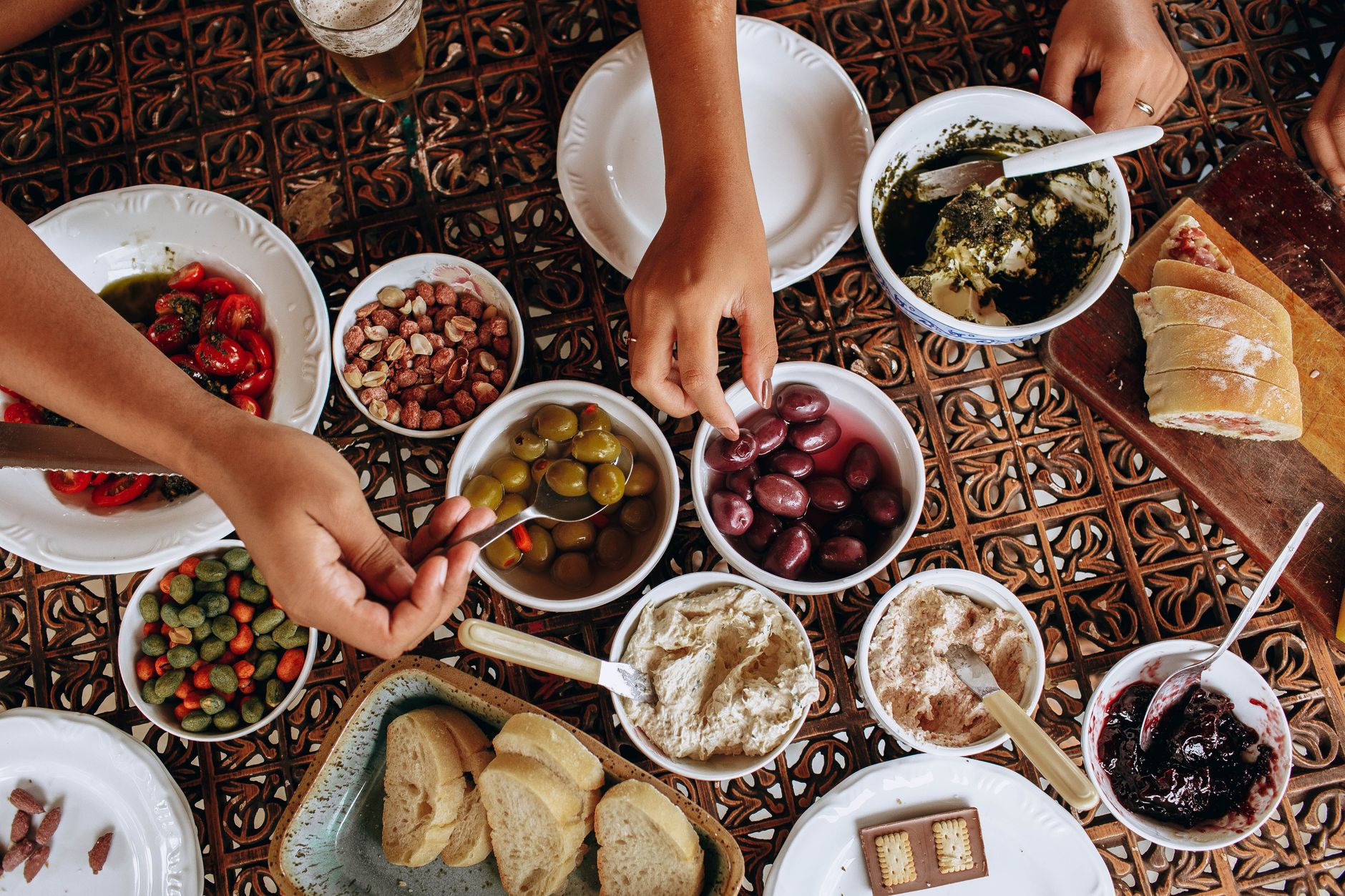
You do not need to be an expert to perceive it. It is enough to pay attention. The bread served at the beginning of a meal is not a formality: it is a declaration of identity. The way it is cut, shared, spread says more about a culture than many tourist brochures.
The kitchen as living memory
Some kitchens work as archives. They keep techniques that do not appear in books, names of plants known only to those who have gathered them all their lives, measurements passed down by the palm of a hand. To travel attentively means recognizing that these kitchens are not a spectacle for visitors but a form of cultural continuity.
When a recipe is lost, it is not only a flavor that disappears. A way of organizing the year is lost, of celebrating a birth, of bidding farewell to a death, of welcoming a stranger. Gastronomy is, in this sense, one of the quietest and most resilient forms of collective memory.
The traveler before the market
Markets are one of the best places to understand a territory without invading it. There you see what is grown, what is imported, what is scarce, what is given away. A market well observed teaches more than many guidebooks: it teaches prices, seasons, hierarchies, courtesies, silences.
But looking at a market also demands an ethic. We are not anonymous customers in a shop window; we are guests in a system of life that does not belong to us. Asking with respect, buying with judgment, not turning poverty into decoration: these are small gestures that define the difference between traveling and consuming.
Hospitality and justice at the table
Hospitality is one of the great human virtues, but it is neither infinite nor free. Behind every dish there is work, often invisible, often poorly paid. The traveler who eats well and does not ask who cooked, who cleaned, who cultivated remains halfway. The shared table is also a place where the inequalities of a territory can be read.
Recognizing this does not require guilt, but lucidity. It requires understanding that our appetite is part of a long chain of decisions, and that some of those decisions can be improved: choosing local producers, avoiding waste, valuing culinary work as any other craft is valued.
Eating slowly, looking slowly
There is a direct relationship between the speed at which we travel and the quality of what we eat. Accelerated tourism produces accelerated food: interchangeable dishes, neutral flavors, experiences designed to leave no trace. Slow travel, by contrast, allows us to sit, wait, repeat. It allows a dish to become a memory.
Eating slowly is not a nostalgic pose. It is a form of attention. It is recognizing that flavor needs time, as the landscape does, as any true form of knowledge does.
A quiet responsibility
There is no need to dramatize in order to be responsible. It is enough to remember that traveling is always a way of entering the lives of others. What we eat, what we ask, what we photograph, what we leave behind: all of it is part of a relationship that is not symmetrical. The territory receives us; we should respond with something more than enthusiasm.
Perhaps the best way to thank a cuisine is to learn something from it: a name, a technique, a season, a way of sharing. Taking that home, and not only a photograph, is a discreet way of keeping alive what was given to us.
Traveling is, often, sitting at the table of a world that was already cooking before we arrived. The question is not only what we are going to eat, but how we are going to be present.
May every journey leave us with something more than a flavor: a memory, a question, a small debt of gratitude to the landscape and to those who care for it.