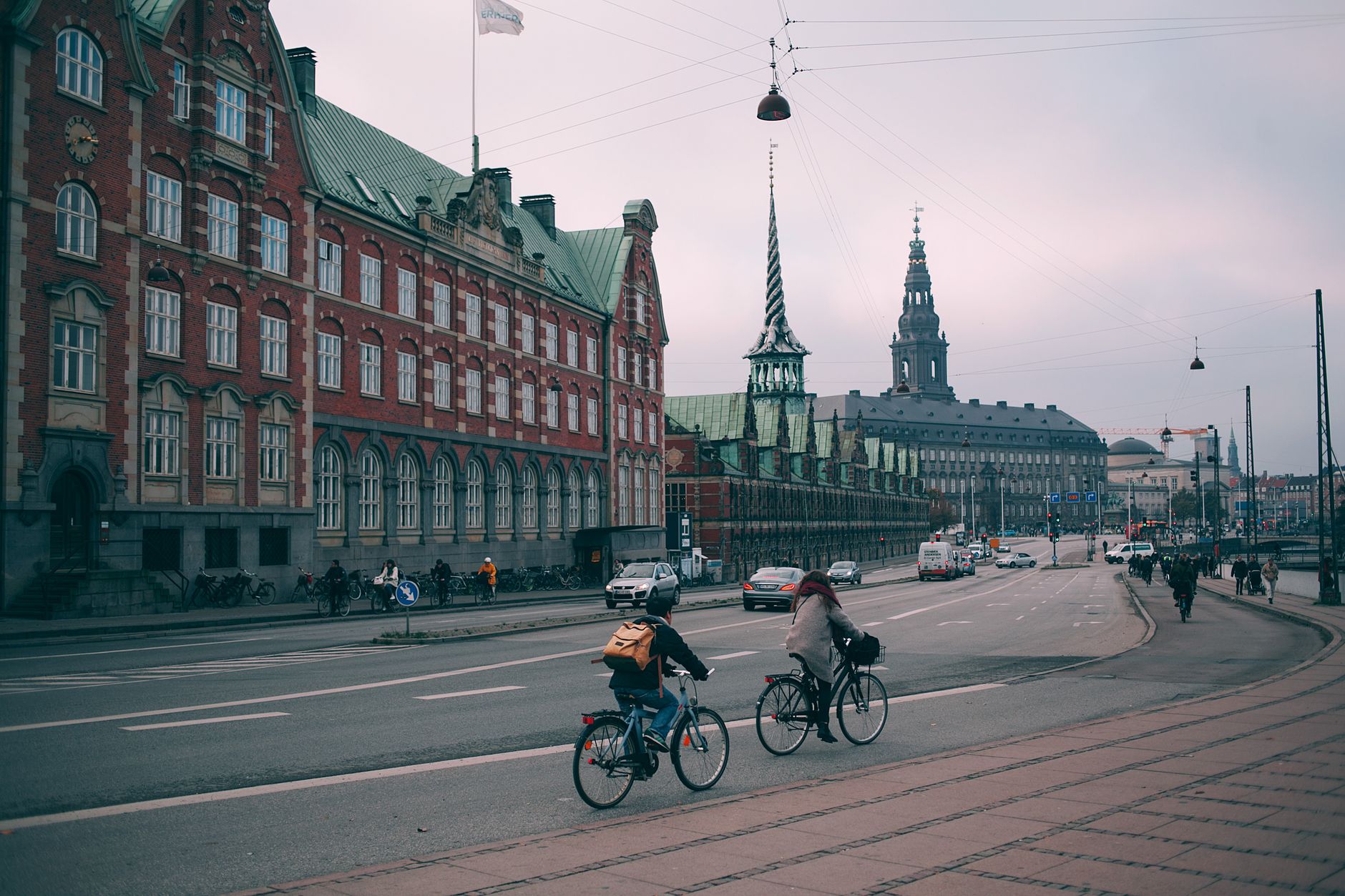

In Copenhagen, the bicycle is neither a sport nor a weekend accessory: it is the city’s circulatory system. Every morning, thousands of Danes pedal to work, school or university along segregated lanes that weave between historic and modern buildings. The Danish capital has achieved something many cities strive for in vain: making the most sustainable option also the most convenient and fastest. This report explores how active mobility has become embedded in urban life, what role public policy plays, and what lessons can be drawn for other cities.
This is not a recent revolution. Since the mid-20th century, Copenhagen has been knitting together a network of infrastructure that today exceeds 400 kilometres of cycle lanes. But the real achievement is cultural: citizens regard the bicycle as part of their identity, and institutions protect it with measures ranging from car taxes to multi-million investments in bridges and dedicated cycle highways.
A network connecting neighbourhoods and people
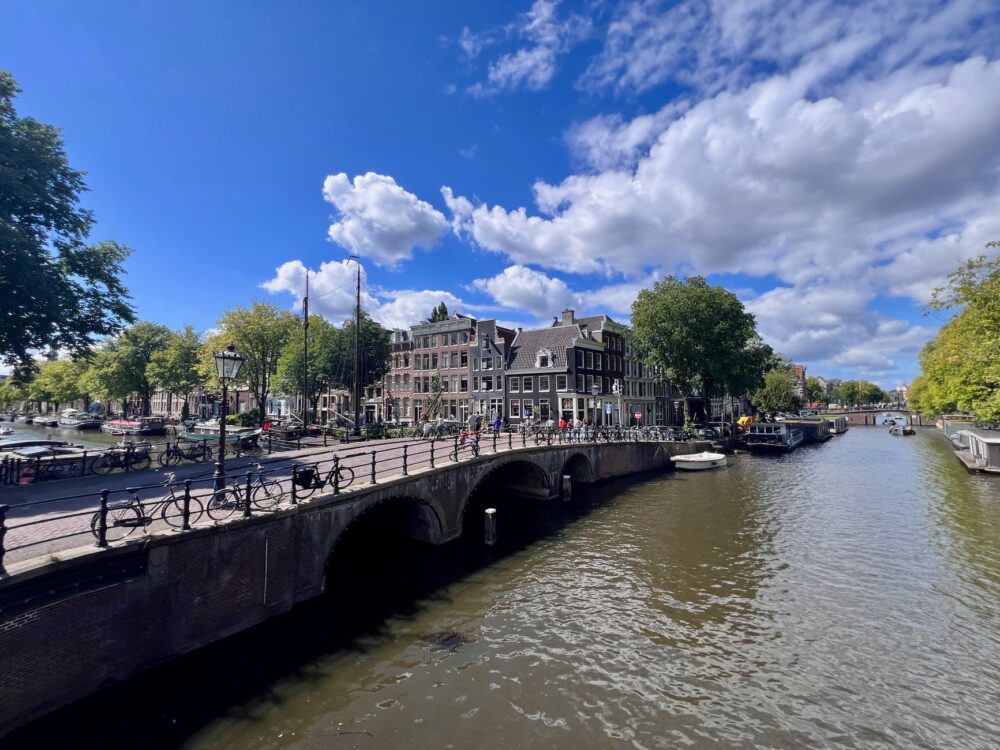
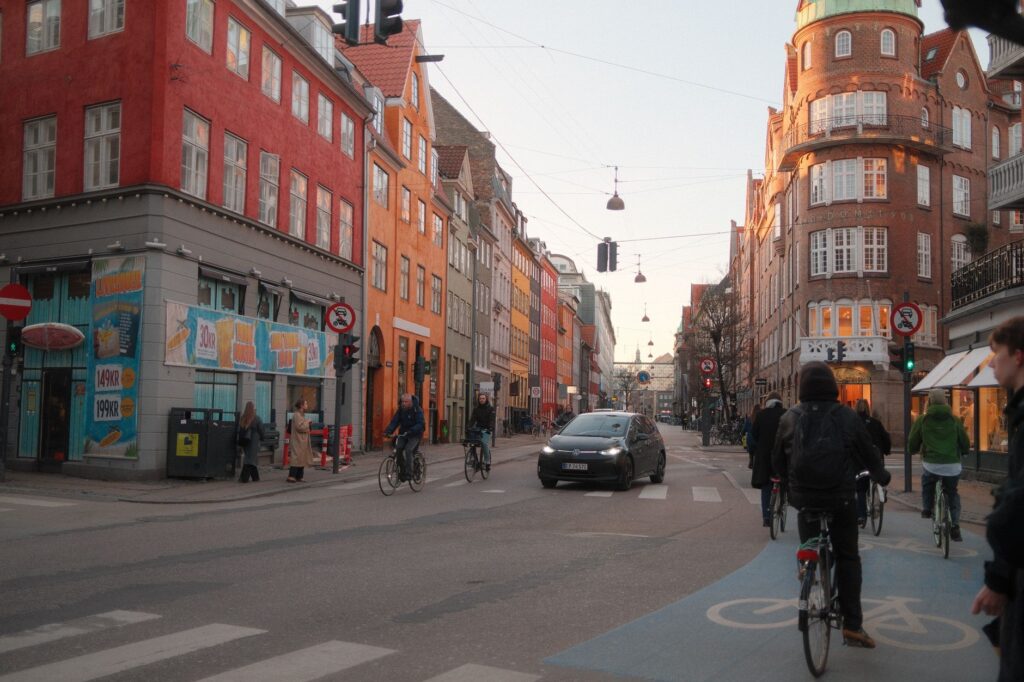
Copenhagen’s cycle network is not limited to the centre. It extends to suburbs and neighbouring municipalities, enabling long, safe journeys. The Dronning Louises Bridge, which crosses the lakes, exemplifies how infrastructure can transform the urban experience: it separates bicycles, pedestrians and cars, reducing conflicts and accidents. Moreover, the so-called «super cycle highways» (supercykelstier) connect residential areas with employment hubs, allowing trips of up to 20 kilometres without interruption.
This design is no accident. It responds to a deliberate plan to prioritise active mobility over motorised traffic. Local authorities have understood that congestion, pollution and noise are not solved by widening roads, but by offering attractive alternatives. And the data backs it up: more than 60% of Copenhagen residents use a bicycle daily to commute or study.
Policies that push, not drown
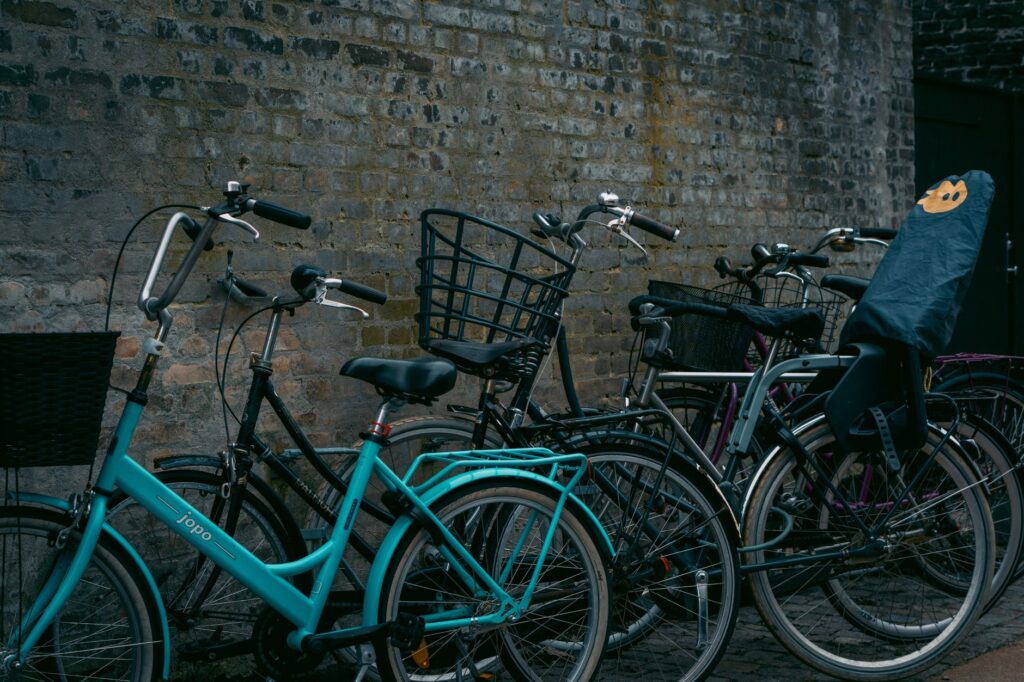
Denmark’s success rests on a stable policy framework. For decades, successive governments have applied high taxes on car purchase and use, while investing in public transport and cycle lanes. But it is not just about penalising cars: it is about making the bike the most rational option. Bicycle parking is abundant and secure, and companies provide showers and changing rooms for those who pedal to work.
A concrete example is the «CopenPay» initiative, which rewards tourists and residents for sustainable actions such as cleaning the harbour or cycling. Although it is not a conventional payment system, it demonstrates how authorities seek to incentivise responsible behaviour. These measures are complemented by urban planning that favours density and mixed uses, reducing the need for long journeys.
«The bicycle is not an end in itself, but a tool to reclaim public space and improve quality of life,» say sources at Copenhagen City Council.
Coexistence and safety: the permanent challenge
Despite the advances, coexistence between cyclists, pedestrians and drivers is not free of tension. The rise in bicycle numbers has led to rush-hour congestion, and some junctions remain dangerous. To mitigate this, traffic lights with specific timings for bicycles have been installed, lanes have been widened, and «coexistence zones» have been created where speed is limited to 30 km/h.
Safety is a priority. Official data show a significant reduction in serious accidents in recent years, thanks to awareness campaigns and road design that reduces blind spots. However, cyclists still call for more investment in maintenance and lane cleaning during winter, when snow and ice complicate circulation.
The role of public transport
Active mobility does not work without a robust public transport network. In Copenhagen, the metro, buses and commuter trains are integrated with bicycles: they are allowed on board at specific times, and there are park-and-ride facilities at stations. This intermodality extends the reach of the bicycle and offers alternatives for bad weather or longer journeys.
The fare system also favours combining modes. The Rejsekort card allows payment by zones and transfers, and monthly passes include bicycle use on some segments. Although not perfect, the Danish model shows that sustainability does not depend on a single technology, but on a coherent and accessible network.
Neighbourhoods that breathe: Vesterbro and Nørrebro
The transformation of neighbourhoods such as Vesterbro and Nørrebro illustrates how active mobility can revitalise urban areas. Once dominated by road traffic, they now feature pedestrian streets, landscaped squares and cycle lanes that have attracted families and local businesses. The result is greater social cohesion and reduced air pollution.
In Nørrebro, Superkilen park is an example of public space designed for encounter and play, with elements that invite walking and cycling. These interventions not only improve mobility but also strengthen community spirit. Residents participate in planning through participatory processes, ensuring solutions adapt to real needs.
Sustainable tourism on wheels
Active mobility has also transformed how the city is discovered. More and more visitors choose to rent a bicycle to explore the canals, Tivoli Gardens or the Christianshavn district. Hotels offer rental services and guided routes, and authorities promote itineraries that avoid the most congested areas.
This proximity tourism reduces the carbon footprint and spreads economic benefits across the city. It also fosters more authentic contact with local culture. It is no coincidence that Copenhagen is considered one of the world’s most cycle-friendly capitals: its model attracts urban planners, politicians and travellers interested in sustainable experiences.
Practical guide
For those wishing to experience active mobility in Copenhagen, here are some useful recommendations:
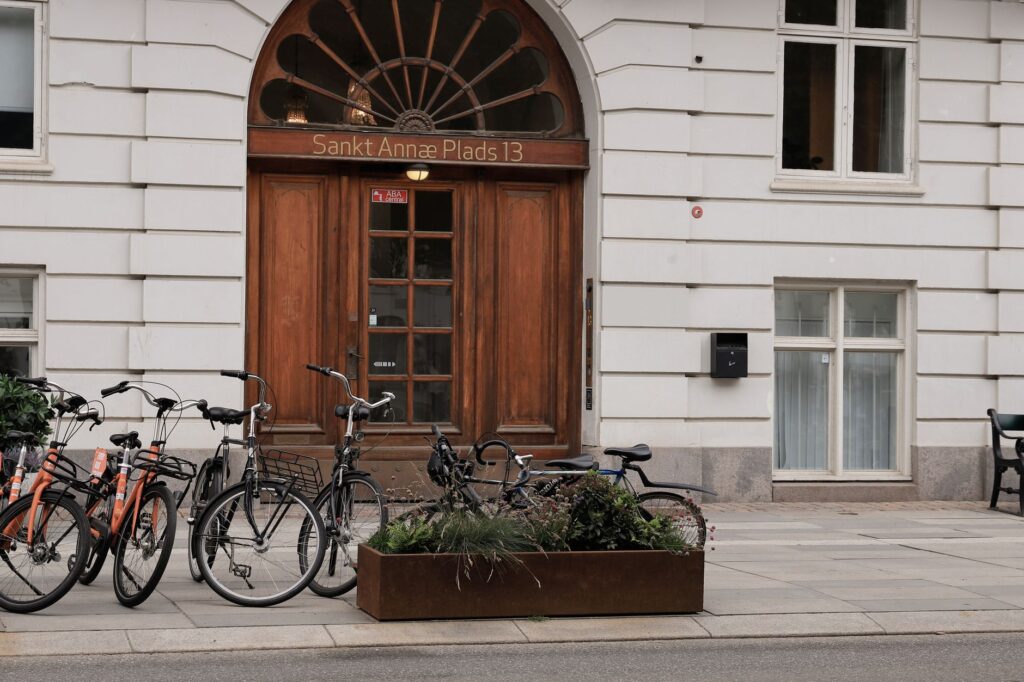
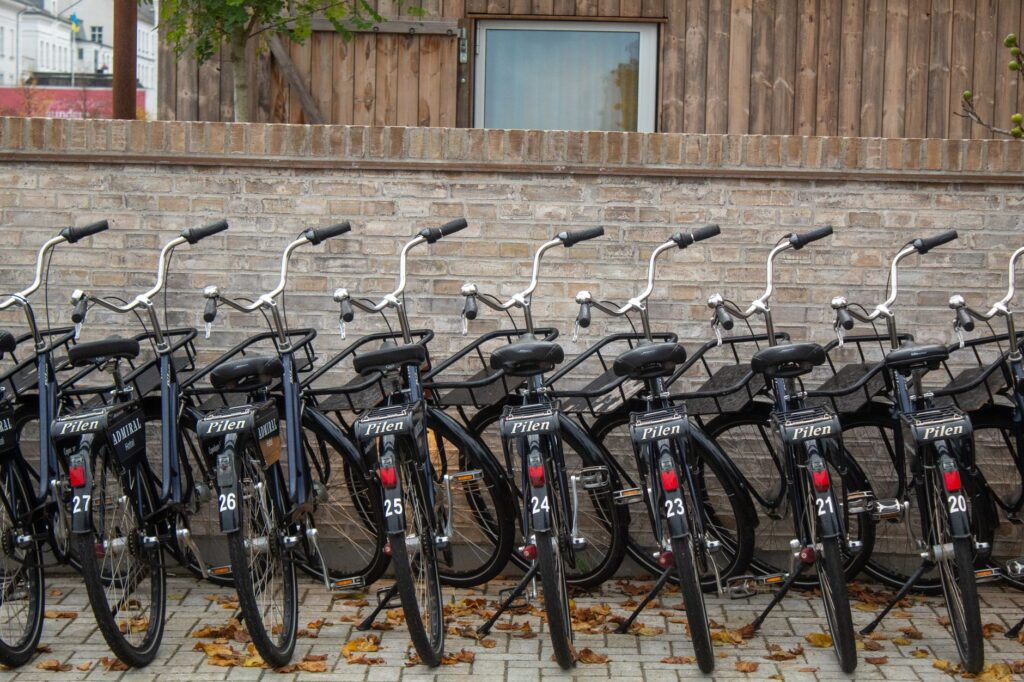
- Bicycle rental: There are numerous shops and bike-sharing systems. Most rentals include a helmet and lock.
- Traffic rules: Respect traffic lights and specific signs for cyclists. Use your bell to warn others and keep to the right.
- Public transport: You can take your bicycle on the metro and commuter trains at permitted times, generally outside rush hour.
- Safety: Ride with lights and visible clothing, especially in winter. Lanes are well maintained, but ice can be treacherous.
- Recommended routes: The harbour route, the lakes and the Christianshavn district are ideal for beginners. For longer trips, try the super cycle highways towards suburbs like Albertslund.
The city offers maps and mobile apps with routes and real-time lane conditions. Many hotels and tourist offices provide up-to-date information.
An exportable model
The Copenhagen case shows that active mobility is not a utopia, but a reality built on political will, sustained investment and citizen participation. Other cities can adapt its principles: prioritise safety, integrate transport modes and foster a cultural shift that sees the bicycle as part of the solution, not the problem.
Challenges persist: the growing popularity of e-bikes, the need for more parking and coexistence with pedestrians. But the direction is clear. Copenhagen keeps pedalling towards a cleaner, healthier and more human future, and its experience inspires cities worldwide.
«It is not about eliminating cars, but about returning public space to people,» summarises a local urban planner.
The future: innovation and equity
Looking ahead, Copenhagen is working on new projects to improve accessibility. Bike-sharing systems with electric assistance are being tested, and lanes are being extended in peripheral areas. Studies are also underway on how to better integrate the bicycle with regional rail transport.
Equity is a key aspect: not all citizens can afford a bicycle or live near the centre. Therefore, public policies include subsidies for purchasing e-bikes and training programmes for adults who never learned to ride. The goal is for active mobility to be a real option for everyone, regardless of age or income.
With a combination of infrastructure, education and regulation, Copenhagen consolidates itself as an urban laboratory where sustainability and quality of life go hand in hand. Its example shows that another way of moving is possible, and that change begins with bold and consistent decisions.