
Barranco smells of firewood, of brewed coffee and of fish that has just arrived from the port. In this district of Lima, cooking is not a spectacle staged for visitors: it is a daily practice that runs through markets, cobbled streets and dining rooms overlooking the sea. Here, the neighborhood corner store that opens at dawn coexists with the huarique that serves a single dish until it runs out, and with the author kitchen that reinterprets that same repertoire without betraying it.
Peru has become a global culinary reference, but the most revealing experience remains at neighborhood scale. Barranco allows that cuisine to be understood from within: what is bought, who cooks, how people eat and why tradition is not a museum object but living material that changes with each generation.
A district organized around food
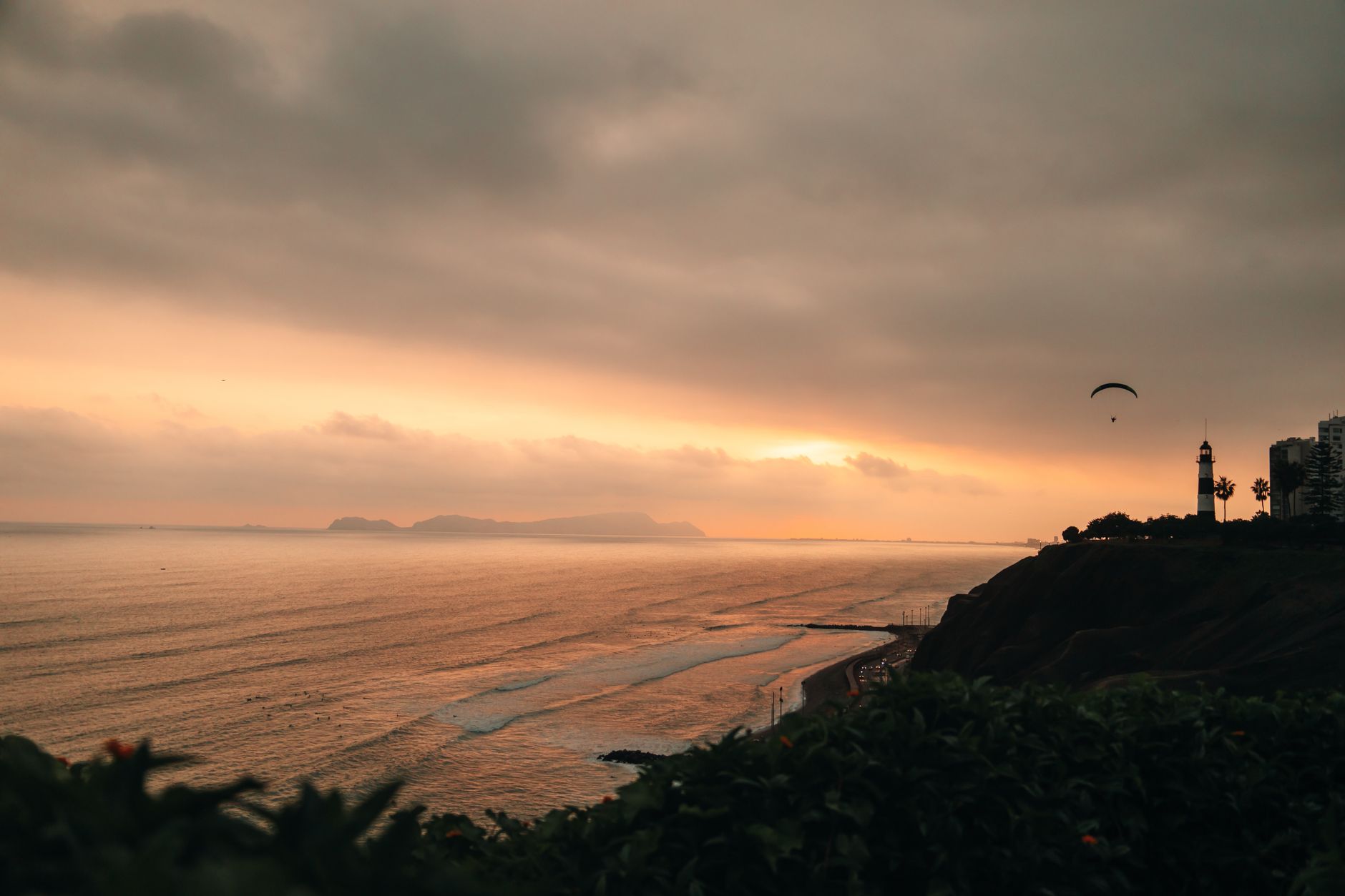
Barranco is small and walkable. Its geography helps: the descent toward the sea, the malecón, the central square and the streets climbing toward the cliffs order daily life and culinary life alike. There is no single gastronomic zone, but several overlapping layers. In the upper part, near markets and avenues, corner stores and home-style food stalls dominate. In the lower part, toward the coast, terraces and dining rooms working with seafood appear.
That coexistence is not accidental. Lima concentrates a diversity of ingredients arriving from three natural regions: coast, highlands and jungle. The Barranco market works as a synthesis of that map. In a single aisle you can find native potato, ají amarillo, aromatic herbs from the highlands, seasonal fish and Amazonian fruit. Peruvian cuisine is better understood when that daily logistics is seen: it is not only technique, it is supply.
The corner store as a starting point
The neighborhood corner store is the least glamorous and most decisive institution of Lima’s gastronomy. In Barranco, these establishments serve a function beyond selling: they guide the home cook, recommend what is at its best and preserve a memory of prices and seasons. There you buy ají, red onion, lime and the day’s fish; you also ask how the potato is, whether the corn is sweet or whether it is better to wait a few days.
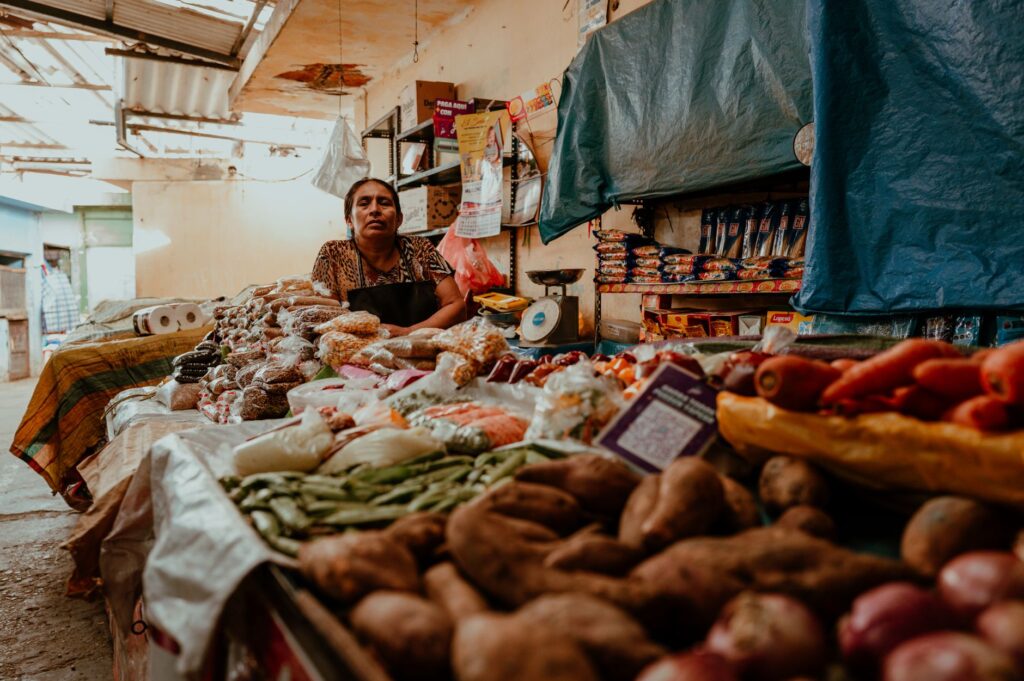
Peruvian cooking does not begin on the plate, it begins at the purchase: whoever knows how to choose has already cooked half of it.
That relationship of trust between vendor and cook explains why Barranco’s home-style food reaches such a high level. It is not only inherited recipes, but a system of information transmitted at the counter. Travelers who want to understand Peruvian cuisine would do well to start there: look, ask and buy before sitting at the table.
Huariques: the cuisine of a single idea
The huarique is a category of its own in Lima. It is not exactly a restaurant or an inn: it is a small place, often family-run, serving a limited number of dishes and doing them well. In Barranco, huariques tend to specialize in one dish and adjust their hours to product availability. When it runs out, they close.
That economy of scarcity produces precise cooking. The cook cannot scatter: if they make anticuchos, they make anticuchos; if they serve cebiche, they serve it while the fish is fresh. Travelers must accept that they will not find an extensive menu or continuous service. The reward is direct food, without intermediaries, where flavor depends on the raw material and the hand that cooks it.
What to look for in a huarique
- The chalkboard or entrance sign: it usually indicates the dish of the day and the price.
- The real hours: many open only at midday and close when the preparation runs out.
- Product turnover: a busy place mid-morning usually indicates fresh cooking.
- A short menu: fewer dishes, more specialization.
The market as a Peruvian cooking classroom
The Barranco market is a place of learning. Walking it slowly allows you to identify the ingredients that sustain Peruvian cuisine: ají amarillo, ají panca, rocoto, lime, cilantro, native potato, sweet potato, corn. Each has its season and its use. Lima’s cooking is built on that base and then incorporates techniques from other traditions.
Peru’s culinary history is a history of encounters. To the Andean and coastal base were added African, Chinese, Japanese, Italian and Spanish contributions, integrated through a prolonged process of exchange. From there emerge dishes now considered national emblems. In Barranco, that mix is felt in the coexistence of stalls: fresh fish next to arroz chaufa, causa next to tiradito, anticucho next to pan con chicharrón.
From huarique to author kitchen
Barranco’s new generation of kitchens does not break with that tradition: it translates it. Author dining rooms work with the same ingredients but arrange them differently, care for presentation and explore combinations. The risk is disconnection from the neighborhood; the success, when it happens, is the ability to make a complex tradition legible to a diner arriving from outside.
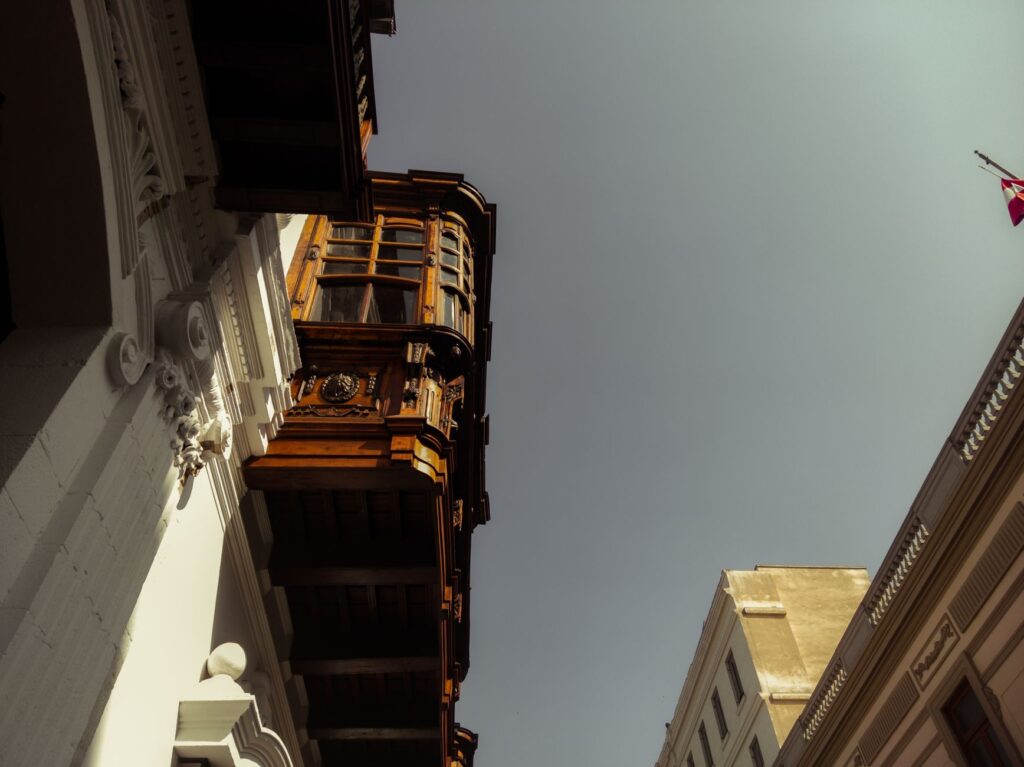
For travelers, the ideal sequence is the inverse of the hierarchy: start at the corner store, continue at the huarique and finish at the author kitchen. That way you understand what is being reinterpreted and why. Eating in Barranco without passing through the market is reading a book from the epilogue.
The best author kitchen is the one that can be explained with what is sold at the corner market.
Fish, sea and season
The Peruvian coast is one of the richest in the world in fish and seafood variety. Barranco, close to the port and the shoreline, depends on that marine pantry. Cebiche, tiradito, causa with fish and seafood stews are part of the daily repertoire. The key is season: not every fish is available year-round, and good cooks adjust their offer to what arrives.
Travelers who want to eat well should ask what is fresh and accept the cook’s recommendation. That willingness to be guided is, in practice, the best gastronomic tool. In Barranco, cooking is enjoyed more when you give up the menu and trust the day’s product.
Sweets, breads and neighborhood coffee
Lima’s sweet tradition has its own space in Barranco. Creole desserts, heirs of convents and family kitchens, coexist with neighborhood bakeries and cafés that serve as meeting points. Suspiro a la limeña, picarones, alfajores and mazamorras are part of a repertoire consumed daily, not only at festivals.
Coffee deserves a separate paragraph. Lima has developed a specialty coffee culture that finds small, careful places in Barranco. For travelers, it is a useful pause between meals and a way to watch district life without rushing.
Eating in Barranco: rhythm, hours and etiquette
Barranco’s gastronomic life follows a clear rhythm. Corner stores and markets operate early. Huariques concentrate at lunch. Author kitchens and terraces work in the afternoon and evening. Travelers who adjust their schedule to that rhythm will eat better and spend less.
As for etiquette, remember that in huariques and market stalls service is direct and fast; a prolonged experience is not expected. In author dining rooms, the pace is slower. Asking about ingredients and the origin of dishes is well received: it is part of Peruvian culinary culture.
Practical guide
To organize a gastronomic day in Barranco, divide the day into three stages. In the morning, tour the market and corner stores: observe, ask and buy fruit or bread. At midday, eat at a specialized huarique; accept the dish of the day and ask which product is at its best. In the afternoon, have coffee at a specialty place and walk the malecón. At night, book an author kitchen or a terrace with sea views.
- Clothing: comfortable and layered; Lima’s climate can be humid and cool.
- Payment: many small stalls prefer cash; carry small bills.
- Hours: market in the morning, huariques at midday, author kitchens at night.
- Language: Spanish is the main language; in tourist areas English may be available.
- Reservations: recommended at author dining rooms, especially on weekends.
- Tipping: not always included; leave according to service.
Barranco does not offer a single version of Peruvian cuisine, but several at once. That coexistence is its greatest appeal: it allows you to move from the market counter to the careful table without changing neighborhoods. For travelers, the lesson is simple: in Peru, eating well is a way of understanding the country.