
Geometry of Coral and Currents: The Logistical Odyssey of Fiji’s Lau Islands
The Lau Islands, located at the eastern edge of Fiji, represent one of the last bastions of traditional navigation in Oceania. Here, modernity is not measured in fiber optics, but in the ability of cargo vessels to navigate the coral reefs that act as natural fortresses. Logistics in this corner of the Pacific is not merely a transport matter; it is an exercise in patience and respect for the cycles of the ocean.
The isolation of these islands has preserved a culture governed by the rhythm of the tides. While other regions of the archipelago have succumbed to mass tourism, the Lau maintain a delicate balance between agricultural self-sufficiency and absolute dependence on the vessels that arrive once or twice a month from Suva. This profound disconnect from global circuits is a deliberate choice.
The remote location of this archipelago, composed of more than sixty islands and islets, creates a natural barrier that protects its cultural identity. The inhabitants of the Lau have developed a symbiotic relationship with the sea, understanding that each resource that reaches their shores is a vital link that sustains the social fabric of their small, widely scattered villages.
This lack of integration into global tourist routes is not a product of chance, but of a community management style that prioritizes the preservation of ancient traditions. Visitors who arrive at these shores encounter a lifestyle where time seems to stand still, allowing for a deep immersion in customs that have remained virtually unchanged for centuries of oceanic history.
The engineering of coral passes
Navigating to the Lau Islands is a technical challenge of the highest order. Captains must contend with treacherous bathymetry where depths can shift from hundreds of meters to barely a couple in seconds. The ships operating this route are, for the most part, multipurpose vessels combining passenger transport with the supply of fuel, food, and essential agricultural machinery.
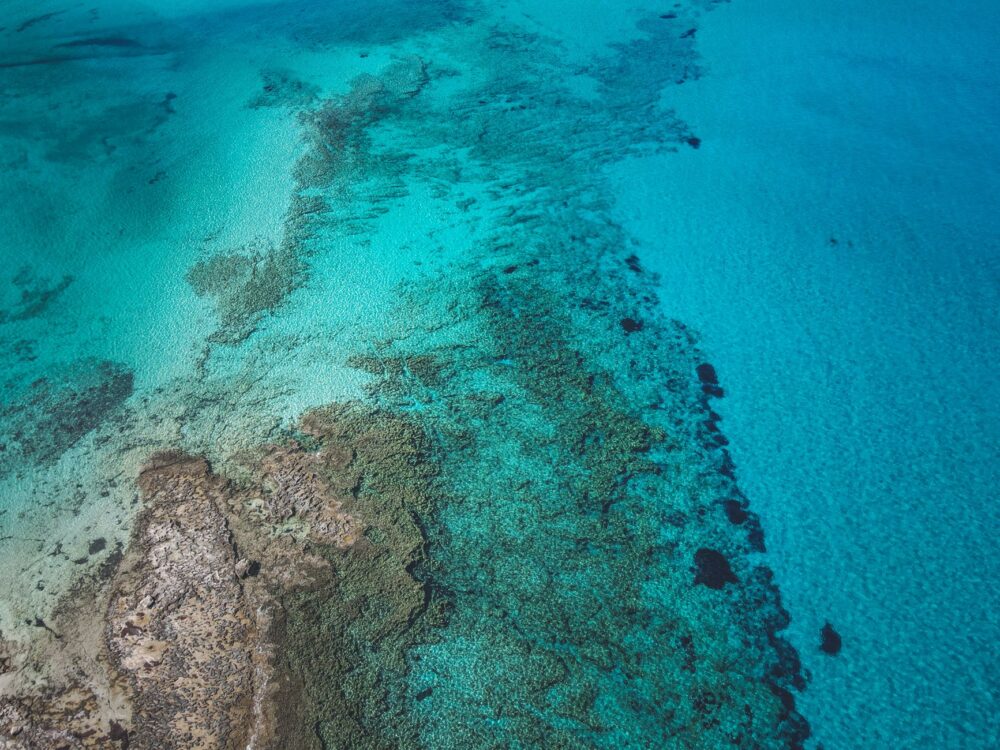
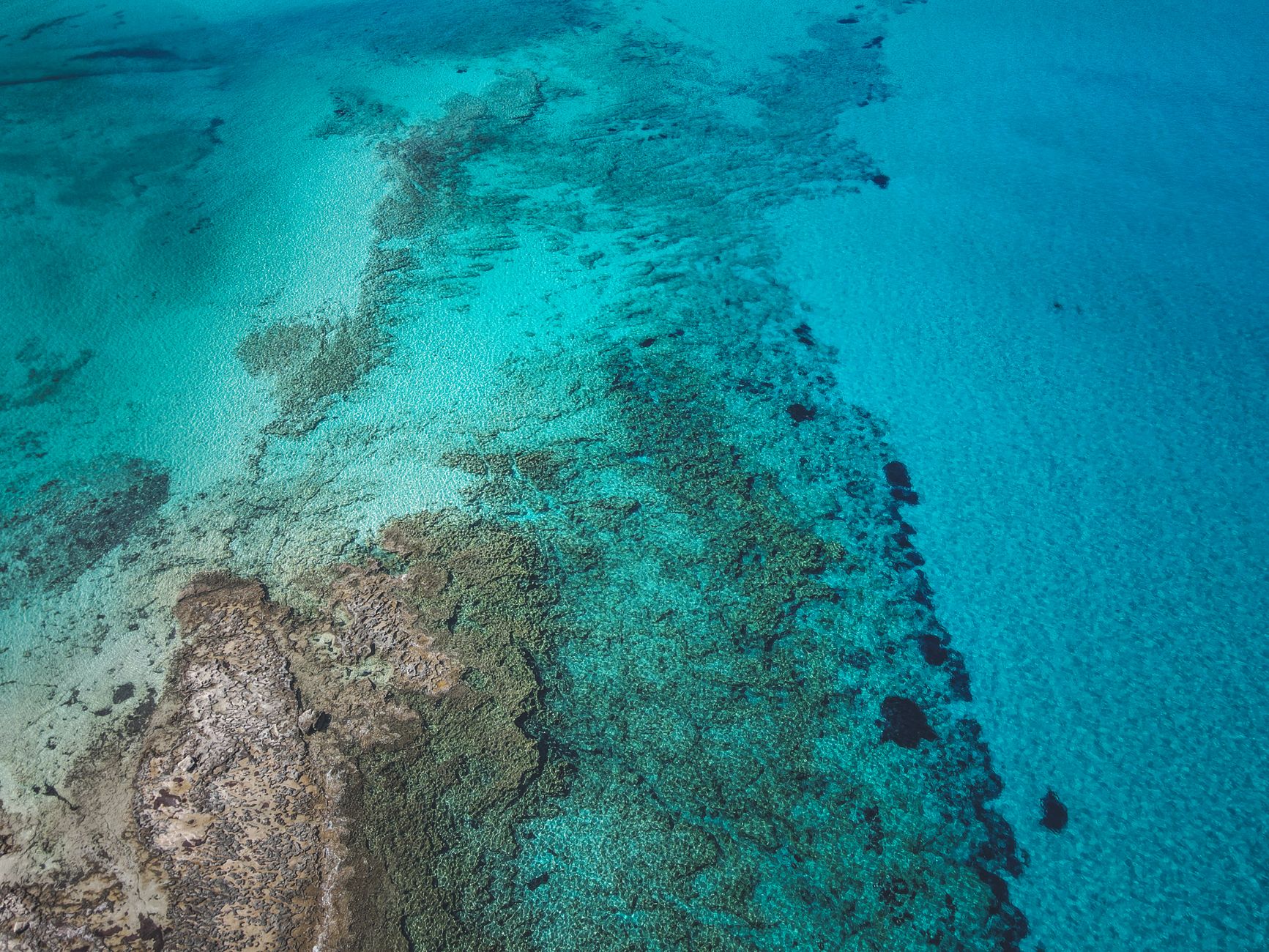
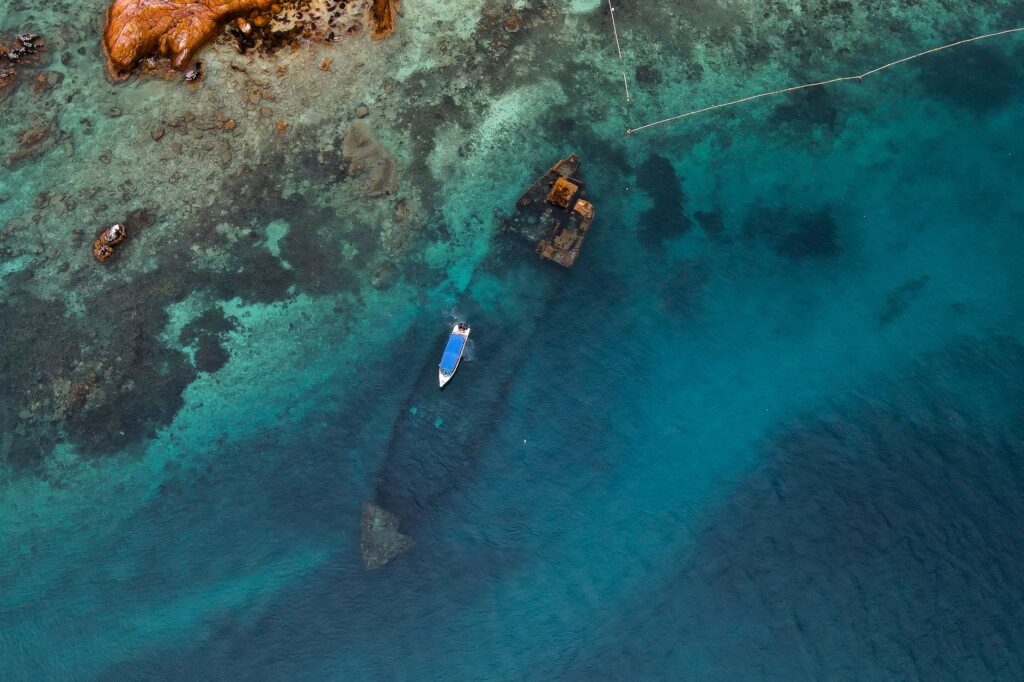
The mastery of local navigators lies in their reading of the water’s color; a slightly lighter shade in the deep blue is the unmistakable sign of a reef that does not appear on any digital nautical chart.
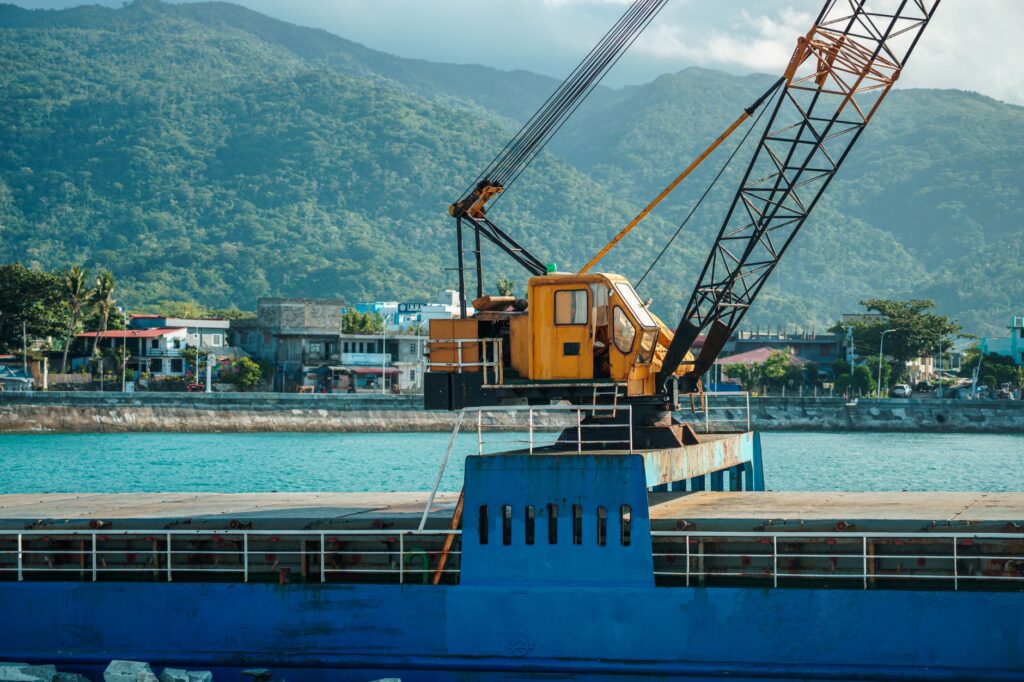
Port infrastructure is virtually non-existent throughout most of the archipelago. In most cases, unloading is carried out by barges that must approach the shore during high tide. This process, known locally as the lightering, is the backbone of the island economy and requires precise coordination between the crew and the local inhabitants waiting on the beach.
The challenge facing mariners is constant, as the entry channels to the lagoons are often narrow and flanked by living coral formations that grow rapidly. Any miscalculation can result in catastrophic damage to the hull, forcing captains to operate with extreme caution, a necessity that defines the pace of every commercial voyage across the regional maritime network.
The complexity of these maneuvers has forced maritime operators to maintain fleets of vessels with shallow drafts. These ships, while less efficient in terms of total cargo capacity, offer the versatility required to access improvised docks or even anchor directly on sand, allowing essential logistics to reach the most inaccessible corners of the Lau group of islands.
The pulse of the subsistence economy
Trade in the Lau is a choreography of barter and necessity. Each arriving ship is a social event that brings village life to a standstill. Fresh produce, copra, and vesi wood carvings are the stars of a constant flow that maintains the viability of communities spread across hundreds of square kilometers of open ocean, ensuring their continued survival.

The arrival of the supply ship marks the social calendar of the inhabitants. It is the moment when letters, medicines, and household tools are distributed. The wait, sometimes prolonged due to storms, reinforces the sense of community, forcing neighbors to share their food surpluses while they wait for the next vessel to appear on the horizon.
Copra, the dried meat of the coconut, remains the primary export engine of these islands. Despite the fluctuations in international prices for vegetable oils, the collection of coconuts and their artisanal processing continue to be a fundamental source of income that allows families to acquire manufactured goods that cannot be produced locally on the remote coral atolls.
The craftsmanship of vesi wood, a local species of great hardness, represents the artistic pride of the Lau people. The carvers, whose techniques are passed down from father to son, create bowls, spears, and decorative figures that narrate the history of their people. These objects have aesthetic value and act as cultural ambassadors when taken to Viti Levu.
Resilience in the face of climate change
Climate change has altered wind patterns and the frequency of cyclones, further complicating supply logistics. Marine engineers collaborating with community leaders are now working on adapting piers to withstand more intense storm surges, a titanic task on terrain composed primarily of limestone and coral, which is inherently porous, fragile, and difficult to reinforce against the rising sea levels.
Sea-level rise is an existential threat that the inhabitants of Lau monitor with deep concern. Coastal erosion is forcing the redesign of landing points, as the beaches that once served as logistical bases are being reclaimed by the ocean. Adaptation is not only technical but a matter of cultural survival against the potential loss of ancestral lands.
The management of water resources has become equally critical. With droughts becoming more frequent and prolonged, the transport of potable water in cargo vessels has become a logistical priority. This necessity has transformed the storage capacity of the ships, which must now prioritize water tanks over other less essential consumer goods to support the island populations.
Local communities are implementing more sophisticated rainwater harvesting systems to reduce their dependence on external deliveries. This transition toward self-sufficiency is vital, as climate uncertainty makes maritime routes increasingly unpredictable, testing the response capacity of conventional transport systems that still operate in the area, often struggling to keep up with the changing environmental demands of the region.
Navigation as identity
Despite the introduction of GPS systems, traditional navigation remains a highly valued skill. Youth in the region learn to identify currents based on the observation of seabirds and water temperature, an ancestral knowledge that integrates with new satellite communication technologies to ensure the safety of voyages, blending the ancient wayfinding methods with the modern necessities of maritime safety.
The use of stars for orientation during night voyages remains an admired practice. Although modern ships have state-of-the-art radar, veteran navigators insist that the intuition developed through direct observation is irreplaceable. This combination of modern science and traditional wisdom is what allows the archipelago to remain connected despite the various physical and environmental adversities they face daily.
Local schools have begun to include modules on traditional navigation in their educational programs. The goal is to ensure that new generations do not lose the bond with the ocean that has defined their people for millennia. This education is seen as a form of cultural resistance against globalization, keeping alive the essence of being a Lau inhabitant.

Safety at sea is an absolute priority. The captains and sailors of the region are respected not only for their technical ability but for their capacity to make critical decisions under pressure. In an environment where there are no immediate rescue services, prevention and deep knowledge of local conditions are the most valuable tools for any ship’s crew.
Challenges of food sovereignty
The dependence on external supply has generated a debate about the need to diversify local production. Many farmers are experimenting with crops resistant to soil salinity, seeking to reduce the need to import basic foods. This effort is crucial to ensure that the islands can sustain themselves in the event of prolonged interruptions in the maritime transport routes.
Cultivating vegetables on atolls is a complex task due to the poor quality of coral soils. However, through the use of organic composting and terrace farming techniques, some communities have managed to significantly increase their production. These efforts are supported by local cooperatives that facilitate the exchange of seeds and knowledge between the different islands of the group.
Fishing remains the pillar of the diet in the Lau. Artisanal fishing techniques, which respect the reproduction cycles of local species, ensure that reefs are not overexploited. This community management of marine resources is a sustainability model that has attracted the attention of conservation organizations interested in preserving the biodiversity of the Pacific for future generations to enjoy.

The integration of small-scale commercial fishing with Suva markets is a developing economic opportunity. Through the use of solar refrigeration technologies, fishermen can now preserve their catches for longer, allowing excess production to be marketed efficiently, generating income that is reinvested in the improvement of community infrastructure and the strengthening of the local island economy.
The future of connectivity
The future of connectivity in the Lau depends on a model that seeks sustainability rather than speed. While the rest of the world rushes toward immediacy, these islands remind us that true freedom is, at times, waiting for the wind to blow in your favor. Technology must serve the archipelago, not the other way around, while respecting its natural rhythm.
The expansion of digital connectivity, although slow, is allowing for better coordination of logistical routes. The use of messaging applications to report on the arrival of vessels has reduced waiting time at the docks. This small technological revolution is an example of how modernity can be integrated without destroying the social fabric of the islands or their traditions.
The development of low-impact tourism, based on ecotourism and respect for local culture, is a path being explored with extreme caution. The intention is to avoid the mistakes made in other parts of the Pacific, ensuring that any economic benefit returns directly to the inhabitants of Lau and contributes to the protection of their unique and fragile natural environment.
The resilience of the Lau Islands is a testament to the human capacity to thrive in isolation. Through the combination of tradition and adaptation, these communities continue to navigate toward the future, facing the challenges of a changing world while keeping intact the essence that makes them an unrepeatable place in the heart of the Pacific Ocean.
Practical guide
- How to get there: Access to the Lau Islands is primarily from the port of Suva, on the main island of Viti Levu. The MV Lau Trader vessel is the most consistent option, though schedules are subject to weather conditions.
- Requirements: It is essential to obtain a visitor permit from the Lau Provincial Administration before undertaking the journey.
- Accommodation: There are no large hotels; stays are arranged through homestays organized by village councils.
- Preparation: It is recommended to bring basic hygiene supplies and a personal medical kit, as local resupply on the islands is limited.