
Origins and Topographical Challenges in the Tropical Great Divide
The construction of the Kuranda Railway was never merely a nineteenth-century infrastructure project; it constituted a direct challenge to one of northeastern Australia’s most unforgiving geographies. In the late 1880s, the gold rush and the opening up of the Atherton Tablelands demanded a secure communication route capable of cutting across the Great Dividing Range. Until then, transport relied entirely on muddy trails and the precipitous climb up the Barron Gorge escarpment—a terrain where seasonal monsoonal rains could wipe out human footprints in a matter of hours.
British engineers and the thousands of Chinese, Irish, and European laborers who sweated through the project faced a monumental obstacle: a vertical wall of pure granite covered by an impenetrable tropical rainforest and slashed by roaring rivers. The solution required plotting a route that seemed to defy the laws of physics, excavating tunnels by hand and erecting masonry bridges over dizzying abysses using little more than animal muscle and dynamite.
The Architecture of the Gradient: Tunnels, Bridges, and Sharp Curves
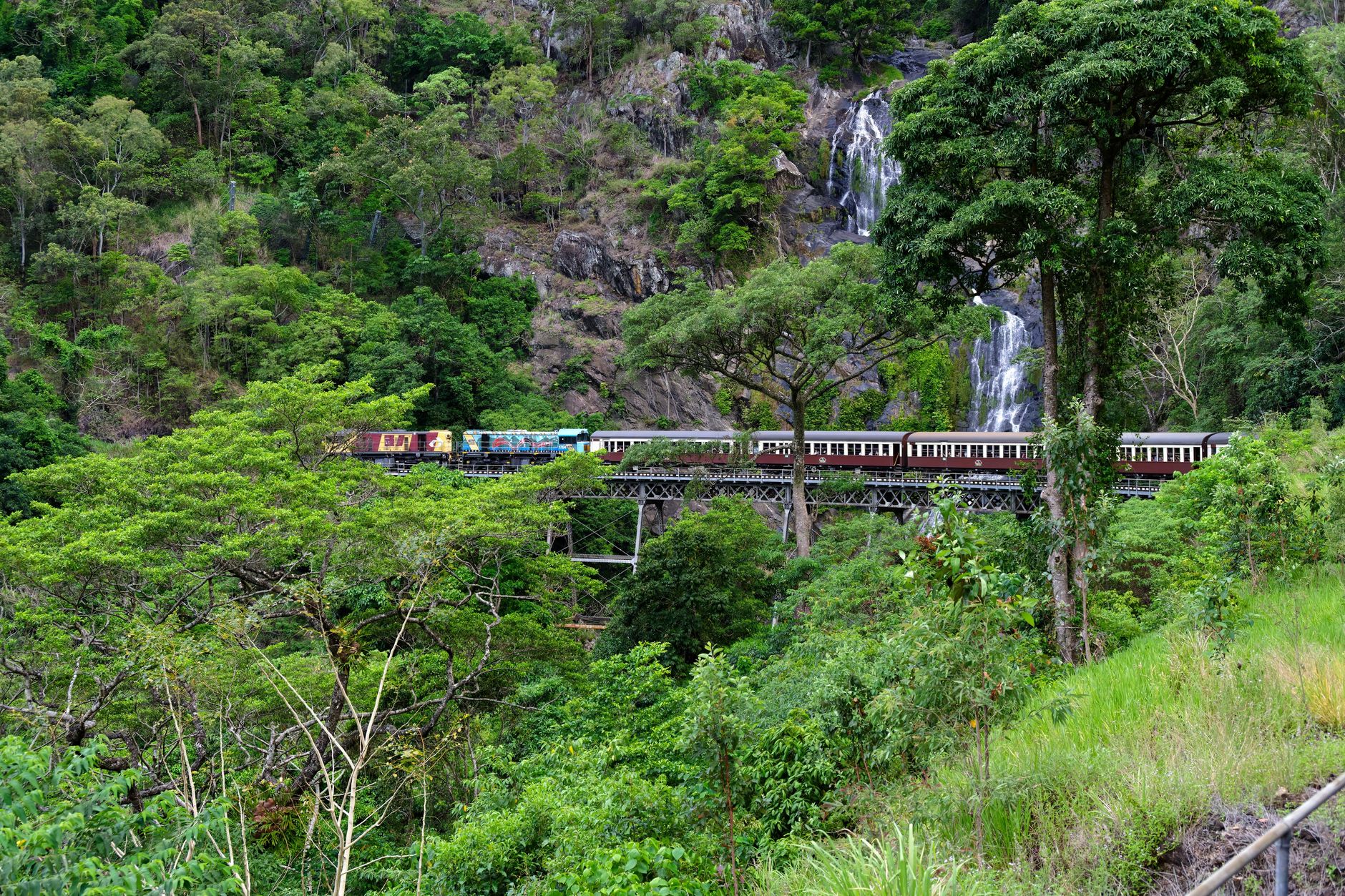
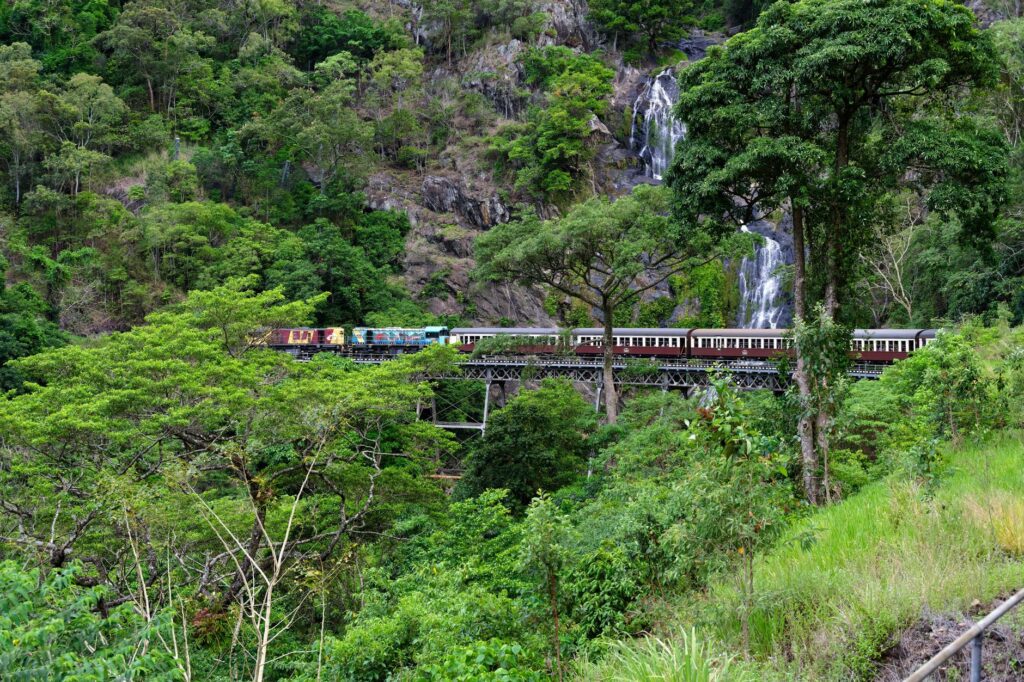
The final layout, completed in 1891 after countless human casualties and technical setbacks, stands as a masterpiece of civil engineering adapted to climatic hostility. Spanning just over thirty kilometers, the track climbs from sea level in Cairns up to the three valleys of Kuranda, overcoming an elevation gain of more than three hundred meters. To achieve this, builders designed fifteen tunnels cut directly into solid rock and thirty-seven concrete and steel bridges spanning ravines where the Barron River roars with summer might.
Every curve and track section demanded meticulous calculations. The turning radius at several points is so tight that passengers in the front carriages can clearly see the tail of the train snaking along the mountain slope. This configuration not only answers the need to gain height progressively but also minimizes rockfalls—a constant hazard in a region where annual precipitation is measured in meters.
The Battle Against Humidity and Invasive Vegetation
Keeping a railway line operational in a humid tropical rainforest demands titanic conservation efforts. The timber in the original sleepers quickly succumbed to wood-boring insects and persistent moisture, forcing engineers to progressively replace them with steel and reinforced concrete structures. Likewise, tropical vegetation possesses an astonishing regenerative capacity; the roots of strangler figs and invasive vines constantly threaten to undermine retaining wall foundations and clog drainage systems.
Today, specialized teams patrol the line continuously to prune foliage encroaching on the train’s clearance gauge and to inspect the stability of rock slopes. The engineering of this railway is not static, but a permanent, watchful dialogue between the metal structure and the biological vortex of the surrounding environment.
The Kuranda railway does not conquer the jungle; it patiently negotiates its passage through it, reminding us that true engineering is that which learns to coexist with nature’s overwhelming force.
Rolling Stock and the Heritage Travel Experience
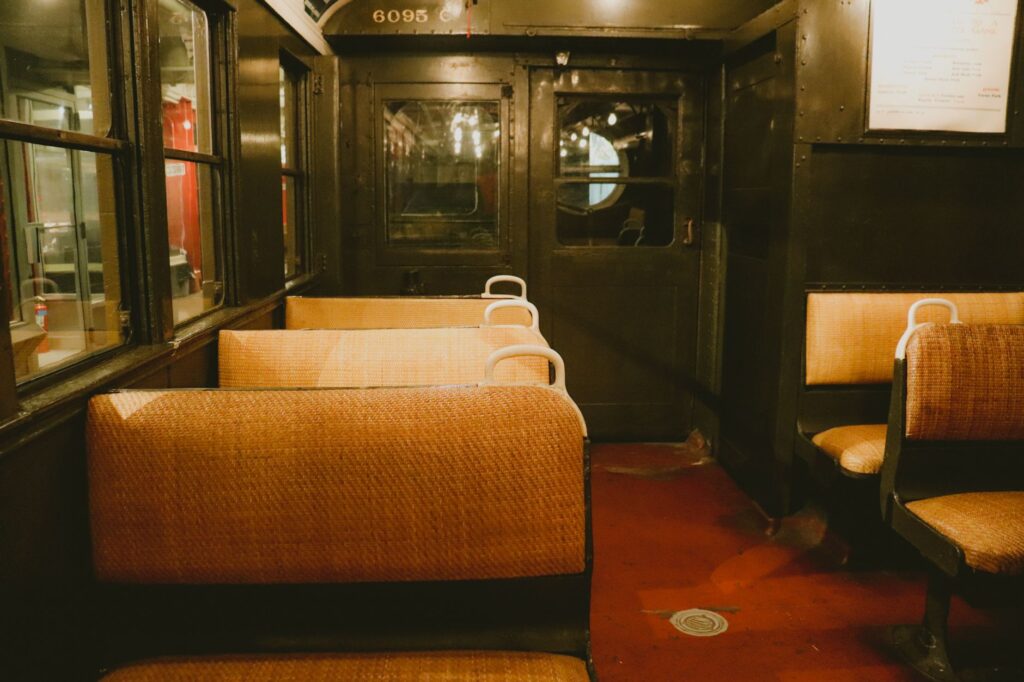
The fleet currently operating on the Kuranda Railway successfully balances respect for historical aesthetics with modern safety demands. The restored early 20th-century carriages, crafted from fine Australian timbers such as red cedar and ash, retain polished brass details, original ceiling fans, and bench seating that evoke the golden age of grand colonial travel.
Beneath that nostalgic exterior, however, lie advanced braking technology and satellite communication systems indispensable in areas where cellular signals completely vanish. Train drivers must delicately manage dynamic braking on prolonged descents, preventing brake shoe overheating on the steepest sections of the journey, which reach an incline of one in forty-eight.
Intermediate Stations and Working-Class Memory
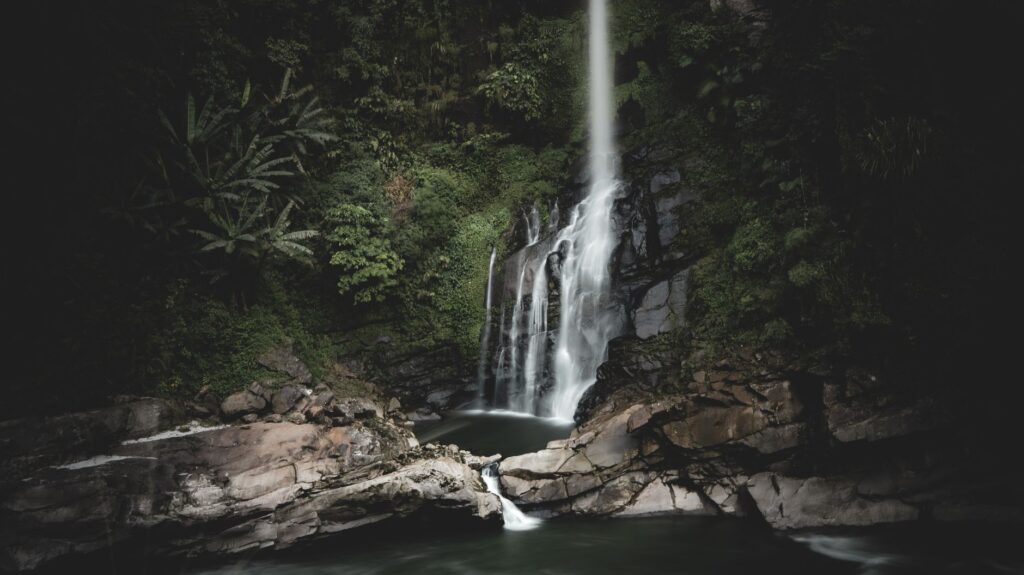
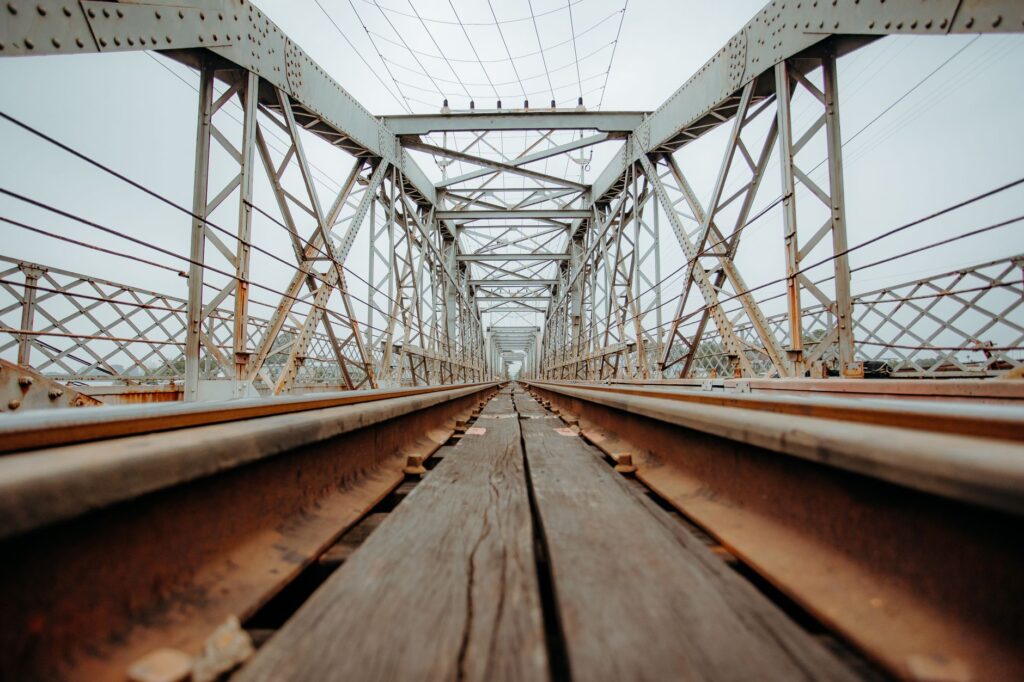
Along the route, small stations like Redlynch and Stoney Creek keep alive the memory of the temporary settlements that arose during construction. Stoney Creek, situated beside an imposing waterfall and a curved metal lattice bridge, bears witness to the titanic effort required to raise heavy infrastructure amid the thicket. At these stops, informational panels and archival photographs offer insight into the harsh living conditions of workers who lost their lives to malaria, fevers, and workplace accidents.
Far from being mere tourist stops, these enclaves act as tangible reminders of the human cost required to connect the coast with Queensland’s agricultural and mining interior, integrating industrial heritage into the region’s cultural landscape.
Sustainability and Tourism in the Contemporary Era
In the 21st century, the Kuranda Railway faces a new paradigm: balancing the massive influx of international travelers with the strict conservation of Barron Gorge National Park, a UNESCO World Heritage site. Management of the line has had to reinvent itself to reduce its ecological footprint, implementing locomotive efficiency improvements and working closely with the Djabugay Aboriginal communities, the ancestral owners of the land.
Interpretive stops along the route not only educate visitors about endemic flora and fauna—such as the southern cassowary and rare high-altitude orchids—but also convey the indigenous worldview of the rainforest as a living, sacred space. In this way, the train journey transcends mere recreational travel to become a living lesson in environmental management and intercultural respect.
Logistical Challenges and Regional Connectivity
The railway’s economic viability depends on its seamless synchronization with other regional transport modes, most notably the Skyrail Rainforest Cableway, which glides above the treetops nearby. This multimodal combination allows visitors to make the outbound journey by air and the return trip along the tracks, optimizing visitor flows and reducing congestion on local roads.
Nevertheless, the rail infrastructure remains vulnerable to extreme weather events, such as tropical cyclones that regularly batter the Queensland coast. Each rainy season demands rigorous emergency protocols and rapid engineering interventions to repair trench damage and ensure the operational continuity of this historic artery.
Preserving a nineteenth-century railway in a high-cyclone zone is not an exercise in nostalgia, but an ongoing test of logistical resilience and respect for Australia’s territorial heritage.
Practical guide
Planning a journey on the Kuranda Jungle Railway requires understanding the climatic seasonality of the Australian tropics and the high tourist demand for the line.
How to Get There and Booking Options
The primary departure station is Freshwater Station, located about a fifteen-minute drive or taxi ride from downtown Cairns. Embarking at the terminal Cairns Railway Station is also possible. Booking tickets several weeks in advance is strongly recommended, especially during the dry season (May to October), as seats in the heritage Gold Class carriages tend to sell out quickly.
When to Go and Climatic Considerations
The best time for the journey spans the Australian winter months, between June and September, when temperatures are milder and rainfall is scarce. The wet season (November to April) offers the chance to see waterfalls, such as Barron Falls, at peak volume, but carries the occasional risk of temporary service suspensions due to soil saturation or cyclone alerts.
Duration and Multimodal Combination
The complete journey between Cairns and Kuranda takes approximately one hour and fifty minutes each way, including a brief photographic stop facing the Barron Gorge waterfalls. One of the most popular and balanced options involves combining the outbound trip aboard the historic steam or diesel train with a return via the Skyrail cableway, purchasing a combined pass that includes bus transfers to and from the stations.
Traveler Tips
Wear light yet breathable clothing, insect repellent, and comfortable shoes for walking through Kuranda’s markets and trails. If traveling during the wet season, a lightweight raincoat is essential due to sudden downpours. Do not forget to check the service status on the official website the very morning of your trip to confirm the absence of unforeseen weather disruptions.
The Echo of the Whistle Among Giant Ferns
When the final light of the tropical sunset filters through the fronds of tree ferns and fan palms, the echo of the locomotive’s whistle as it approaches the final station momentarily suspends the passage of time. Kuranda and its railway are not merely relics of steel and timber anchored in the nineteenth century, but an eloquent testament to human audacity in the face of geographical limits.
In this remote corner of Queensland, every steel tie and every hand-excavated tunnel continues to narrate a story of resilience, ingenuity, and profound respect for the wild nature enveloping them, reminding the traveler that the most beautiful roads are those that carve their way patiently through the earth’s abysses.