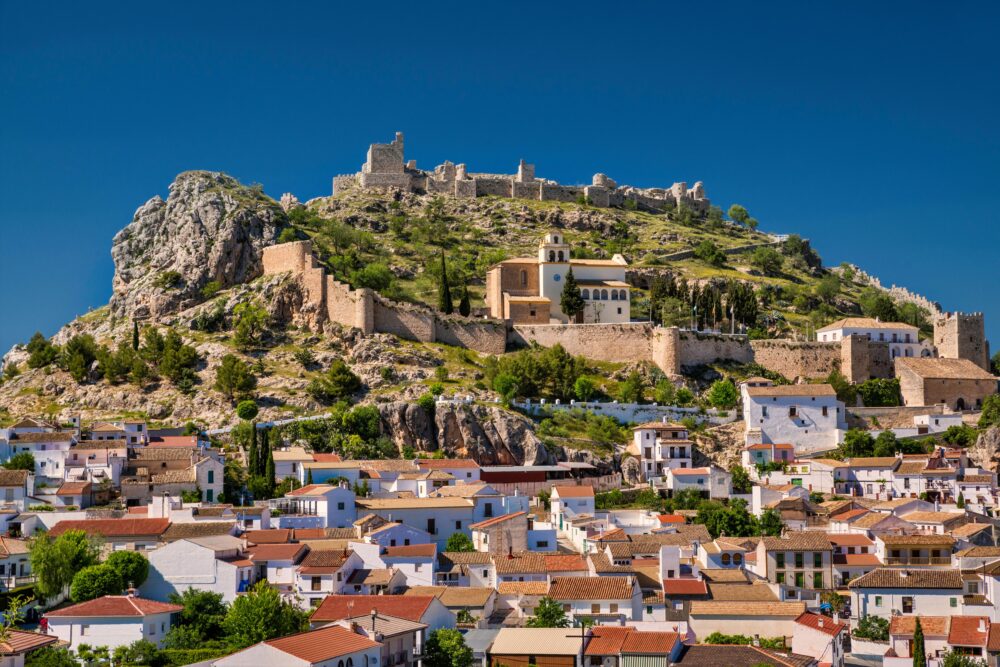
Alentejo is traditionally associated in the traveler’s imagination with endless plains of cork oaks, blazing summer heat, and whitewashed villages dozing beneath the sun. Yet in its westernmost strip, where mainland Portugal confronts the Atlantic without a safety net, the landscape shifts tone and adopts an unexpected ferocity. Odemira, Portugal’s largest municipality by area, embodies this duality with a geographical force that defies regional clichés. Here, the ocean is not merely a touristic backdrop, but a geological actor carved by fierce tides, slate cliffs, and river valleys that empty into estuaries inhabited by silence.
Along nearly fifty kilometers of coastline protected by the Southwest Alentejo and Vicentine Coast Natural Park, human intervention has maintained a fragile equilibrium. There are no massive hotel complexes or concrete resorts; instead, the territory unfolds through fishermen’s trails, small farming communities, artisan workshops, and a vibrant international creative community that has found in this Atlantic edge a sanctuary to rethink contemporary living.
The geography of extremes: where the hills meet the sea
Understanding Odemira requires accepting its scale. Spanning over 1,700 square kilometers, this municipality stretches from the rolling heights of the Monchique mountains to the marine breakers of Almograve or Zambujeira do Mar. The Mira River acts as a liquid spine, crossing the territory from south to north until it widens into a calm estuary near Vila Nova de Milfontes. This river basin defines two worlds in constant dialogue: the rural interior, marked by dryland agriculture, earthy flavors, and traditional terraced gardens; and the coastal strip, where northern winds shape fossil dunes and salt-tolerant scrubland.
In recent years, this rugged geography has drawn a new generation of inhabitants. Fine artists, ceramists, designers, and regenerative farmers have repopulated nearly abandoned hamlets. This is not a conventional urban exodus, but a conscious pursuit of material and aesthetic autonomy. The beauty of Odemira lies in its ability to resist tourist standardization, maintaining a rhythm of life still paced by the seasons and the tides.
Vila Nova de Milfontes and the Mira River estuary
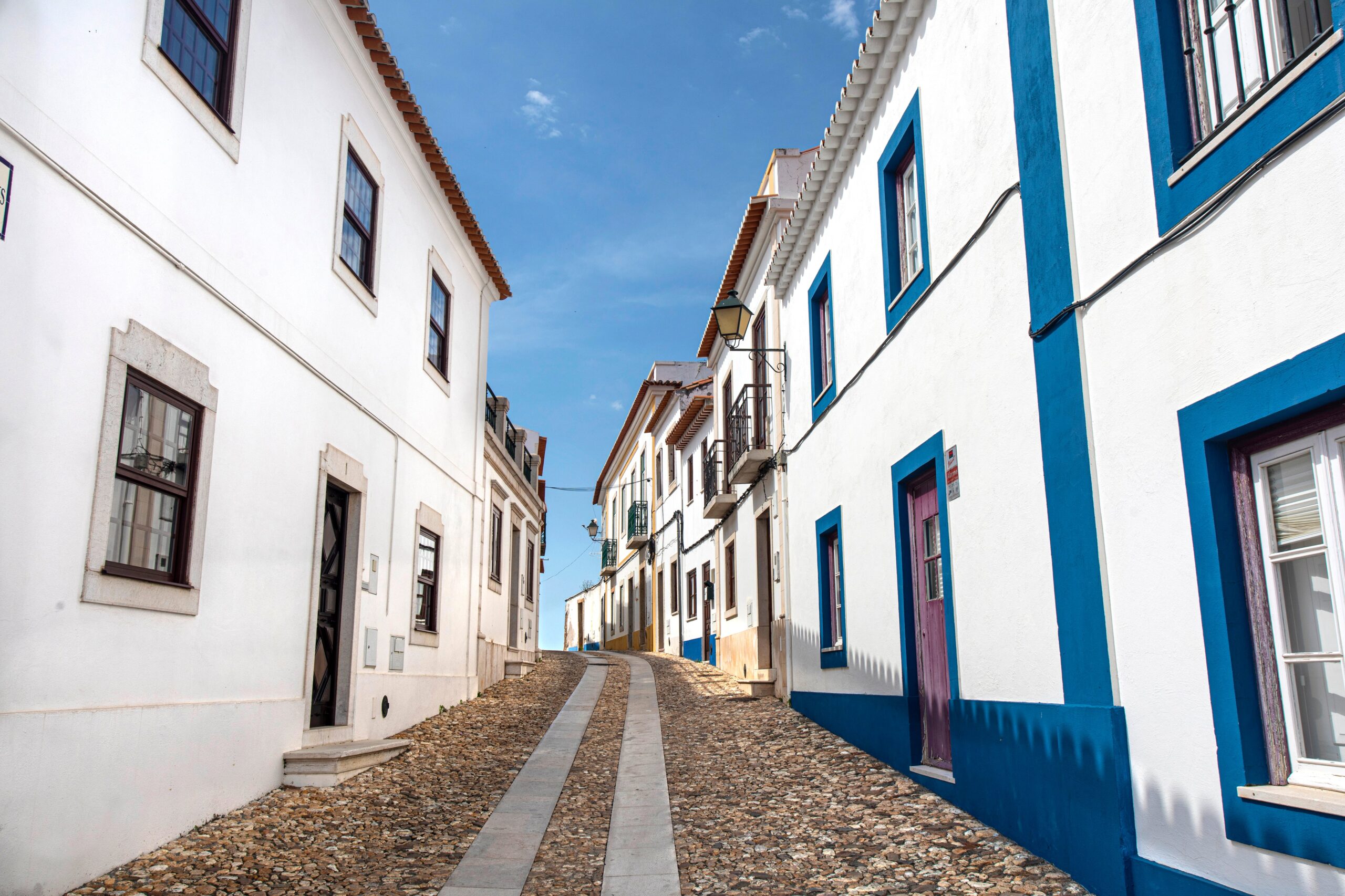
The journey typically begins in Vila Nova de Milfontes, the coastal settlement with the greatest historical weight. Situated on the right bank of the Mira estuary, the town preserves its layout of white streets and alleys opening onto small squares where time seems suspended. Opposite, guarding the river mouth, stands the fort of São Clemente, a 16th-century fortification built to deter Algerian pirate incursions and privateers raiding Portuguese estuaries.
Crossing the river in summer via traditional boatmen services provides access to fluvial and maritime beaches of fine sand, such as Furnas. The Mira estuary is considered one of Europe’s cleanest river stretches, an ecosystem shared by otters, flamingos, and a rich variety of fish taking advantage of the mixing fresh and salt waters. In the seaside cafes, local fishermen share space with travelers hiking the famous Rota Vicentina trail, cementing a cosmopolitan yet deeply rooted maritime atmosphere.
The art of dwelling: creativity in the rural environment
A few kilometers inland, far from the summer bustle of the coast, small hamlets like São Luís or Cercal do Alentejo reveal Odemira’s creative pulse. In these villages, old farmhouses have been restored using bioconstruction techniques and local materials such as clay, lime, and eucalyptus or cork oak timber. This movement is not merely aesthetic, but ethical and political in the broadest sense.
High-temperature pottery studios, botanical screen-printing workshops, and permaculture projects thrive among hills blanketed in rockroses and strawberry trees. Creators who have settled here highlight the generosity of the Alentejan landscape as an engine of inspiration. The relative isolation of these lands fosters a creative focus difficult to find in major European capitals, where noise and immediacy devour reflective processes. Local craftsmanship dialogues with contemporary design, generating unique pieces exported to galleries worldwide without losing their bond with clay and the hands that shape it.
Fishermen’s Trail: walking along the edge of the abyss
For hiking enthusiasts, the section of the Fishermen’s Trail traversing Odemira’s coastline is a first-rate sensory experience. This route, part of the Rota Vicentina network, follows the exact paths locals have used for centuries to reach hidden coves in search of barnacles and seafood. Walking along these black slate cliffs means feeling the relentless power of the Atlantic.
During spring, coastal scrub bursts into color thanks to endemic botanical species like Centaurea vicentina or sea heather. White storks nesting on the vertical walls of marine cliffs—a globally unique coastal phenomenon—constantly soar above hikers, recalling that this is one of the Iberian Peninsula’s most vital ornithological sanctuaries. Every sunset, the horizon is dyed deep ochres and purples, offering a visual spectacle that inevitably invites introspection.
Zambujeira do Mar and the elegance of the essential
Further south, nearly touching the Algarve border, Zambujeira do Mar represents the quintessence of the Alentejan fishing village. Perched atop a dark rock cliff, the cluster of houses plunges toward a postcard-worthy beach protected by natural stone ramparts. Unlike other Portuguese coastal enclaves, Zambujeira has retained its human scale, featuring family-run restaurants where the day’s fresh fish—from white seabream to turbot—is grilled over coals with a drizzle of local olive oil and sea salt.
At the top of the cliff, the small chapel of Nossa Senhora do Mar stands unyielding as waves crash below. This corner, famed for once hosting outdoor music festivals of great cultural resonance, maintains a peaceful atmosphere for the rest of the year. Here, community life revolves around the fish market, the village square, and unhurried conversations on terraces as dusk falls, when the sea breeze requires a light jacket even in July.
Flavors of interior and sea: the Odemiran pantry
Odemira’s gastronomy is the exact reflection of its dual geography. The table brings together land products—Alentejano pork, intensely flavored goat and sheep cheeses, low-acidity extra virgin olive oils, and aromatic wild herbs—with the marine bounty of the Atlantic.
- Fish and seafood cataplana: A stew cooked in an airtight vessel locking in the juices of monkfish, clams, and prawns with a sofrito of tomato, onion, and cilantro.
- Carne de porco à alentejana: The famous combination of pork marinated in paprika and white wine, sautéed with fresh clams and cubed french fries.
- Sopa de cação: Traditional dogfish soup flavored with cilantro, garlic, vinegar, and crumbled country bread.
- Convent sweets and honey: Featuring almond tarts and pastries made with pure mountain honey and regional nuts.
Practical guide
How to get there: Faro Airport is about 90 kilometers south, while Lisbon Airport is roughly 190 kilometers north. The best way to explore the municipality is by rental car, allowing free access to rural tracks and secluded beaches.
When to go: Spring (April to June) offers optimal temperatures and spectacular cliffside blossoming. Autumn (September and October) stands out for tranquility and warm sea water, ideal for swimming.
Where to stay: Opt for sustainable rural tourism in restored country estates (casas de campo) or small boutique hotels in Vila Nova de Milfontes and Zambujeira do Mar integrating energy efficiency criteria.
Emotional epilogue: the invisible heartbeat of the Vicentine coast
At the end of the journey, when the coastal lights fade and the dull roar of the ocean becomes the only soundtrack, Odemira reveals its most intimate truth. This is not a destination designed for rapid consumption or superficial wonder, but a territory demanding time, listening, and a readiness for awe. In its red dirt tracks, in the weathered gaze of its people, and in the silent obstinacy of its cliffs facing the sea, beats a form of vital resistance reminding us of the importance of preserving margins. Odemira is not merely visited; it is temporarily inhabited, allowing its Atlantic wind to erase the urgencies of the modern world and return to us, intact, the capacity to look with new eyes.
Source in EN: El Viajero in EL PAÍS. Odemira, una ruta por el concejo del Alentejo más salvaje.