
The horizon of Central Asia is undergoing a quiet yet profound transformation within the offices of cultural diplomacy and regional connectivity. Uzbekistan, the historical heart of the great trading empires that wove the Silk Road, has in recent months intensified a diplomatic offensive aimed at diversifying and deepening tourism cooperation with the countries comprising the Commonwealth of Independent States (CIS). This strategy goes beyond mere visitor arrival statistics; it embodies a geopolitical vision of territorial integration, where monumental heritage, visa facilitation, and the creation of joint cross-border routes configure a new map of human mobility in the Eurasian heartland.
The initiative, formally driven through state agencies such as UZA and backed by intergovernmental forums, seeks to dismantle the logistical barriers that have traditionally fragmented travel across the former Soviet republics. By harmonizing transport regulations, standardizing the quality of hotel services, and promoting multi-destination packages that link Samarkand, Bukhara, and Khiva with cultural enclaves in Kazakhstan, Kyrgyzstan, or Tajikistan, Tashkent is positioning itself as the coordinating node for sustainable and high-value regional tourism.
The Diplomacy of Heritage and the New Eurasian Axis
To understand the scope of this regional strategy, one must analyze the specific weight that tourism has acquired in Uzbekistan’s macroeconomic agenda over recent years. The structural reforms initiated following the country’s political opening have relied on the hospitality industry as one of its most dynamic pillars. Nevertheless, the Western market, though coveted, presents seasonal limitations and direct connectivity constraints that neighboring CIS markets do not experience to the same degree.
Tourist flows originating from Russia, Kazakhstan, and other CIS member states share a cultural affinity, linguistic conveniences, and an airline and railway network currently undergoing accelerated modernization. The elimination of bureaucratic hurdles and the implementation of free-transit agreements or unified visas allow contemporary travelers to view the Central Asian space as a coherent geographical unit, much as medieval caravans did six centuries ago.
Air and Rail Connectivity: Weaving the 21st-Century Network
One of the greatest historical challenges for Central Asia’s tourism development has been geographical remoteness and the complexity of internal transport connections. The new phase of CIS cooperation places special emphasis on logistical infrastructure. National carriers such as Uzbekistan Airways have expanded frequencies to regional capitals, while high-speed rail corridors, like the Afrosiyob train, stand out as the backbone of a clean and efficient mobility system.
Bilateral working groups held under the CIS umbrella also address the creation of cross-border highway corridors equipped with modern infrastructure for adventure tourism and motor caravan travel. This commitment to multimodal connectivity drastically reduces travel times between the oases of the Kyzylkum desert and the mountainous foothills of the Tian Shan, enabling complex itineraries that previously required weeks of logistical planning.
Living Heritage: Beyond the Monumental Postcard
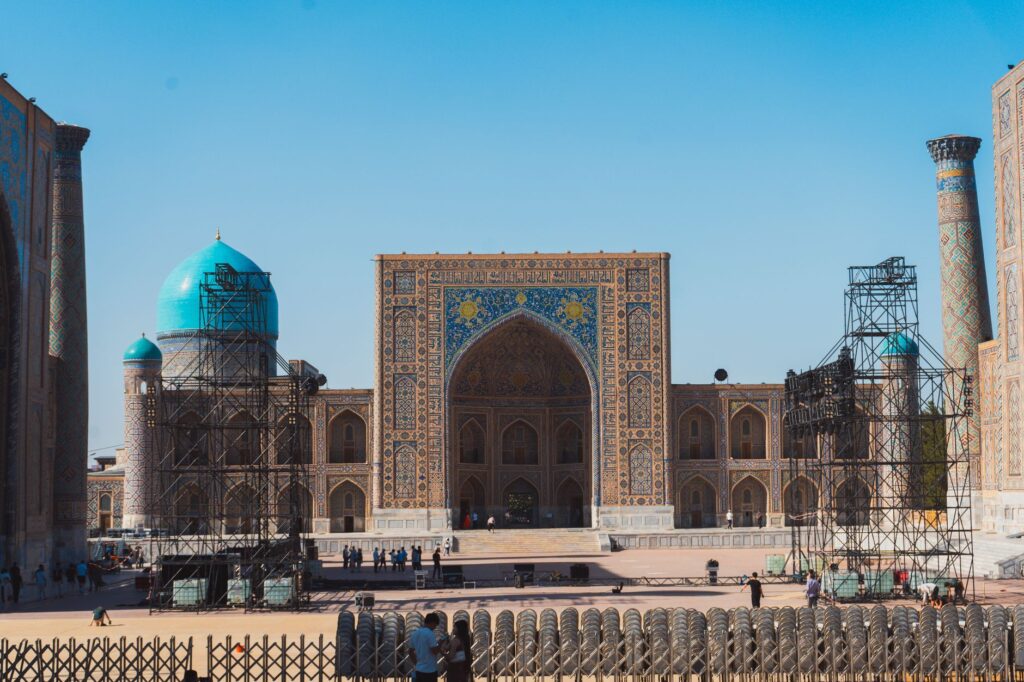
The tourism narrative that Uzbekistan projects toward its CIS partners shuns the museum-like freezing of the past. While the grand turquoise domes of Registan Square in Samarkand or the Poi Kalon complex in Bukhara remain the primary visual magnets, current strategy directs its focus toward intangible heritage and experiential tourism. Ceramic workshops in Gijduvan, the Silk Road legacy in Margilan, and culinary traditions associated with crafting traditional plov are integrated into circuits that value the expertise of local communities.
This anthropological approach responds to a growing demand from more mature regional travelers seeking authenticity and human connection over mass tourism. The preservation of traditional trades thus becomes a premier economic argument, ensuring that the benefits of the tourism boom trickle down directly to family workshops and craft cooperatives in historic regions.
Environmental Sustainability and Climate Challenges
The projected increase in visitor arrivals raises unavoidable questions regarding the carrying capacity of fragile ecosystems and the raw-earth monuments that characterize the Uzbek landscape. Authorities in Tashkent, in collaboration with international organization experts and CIS agencies, have begun debating common regulatory frameworks for the sustainable management of heritage and water resources in arid zones.
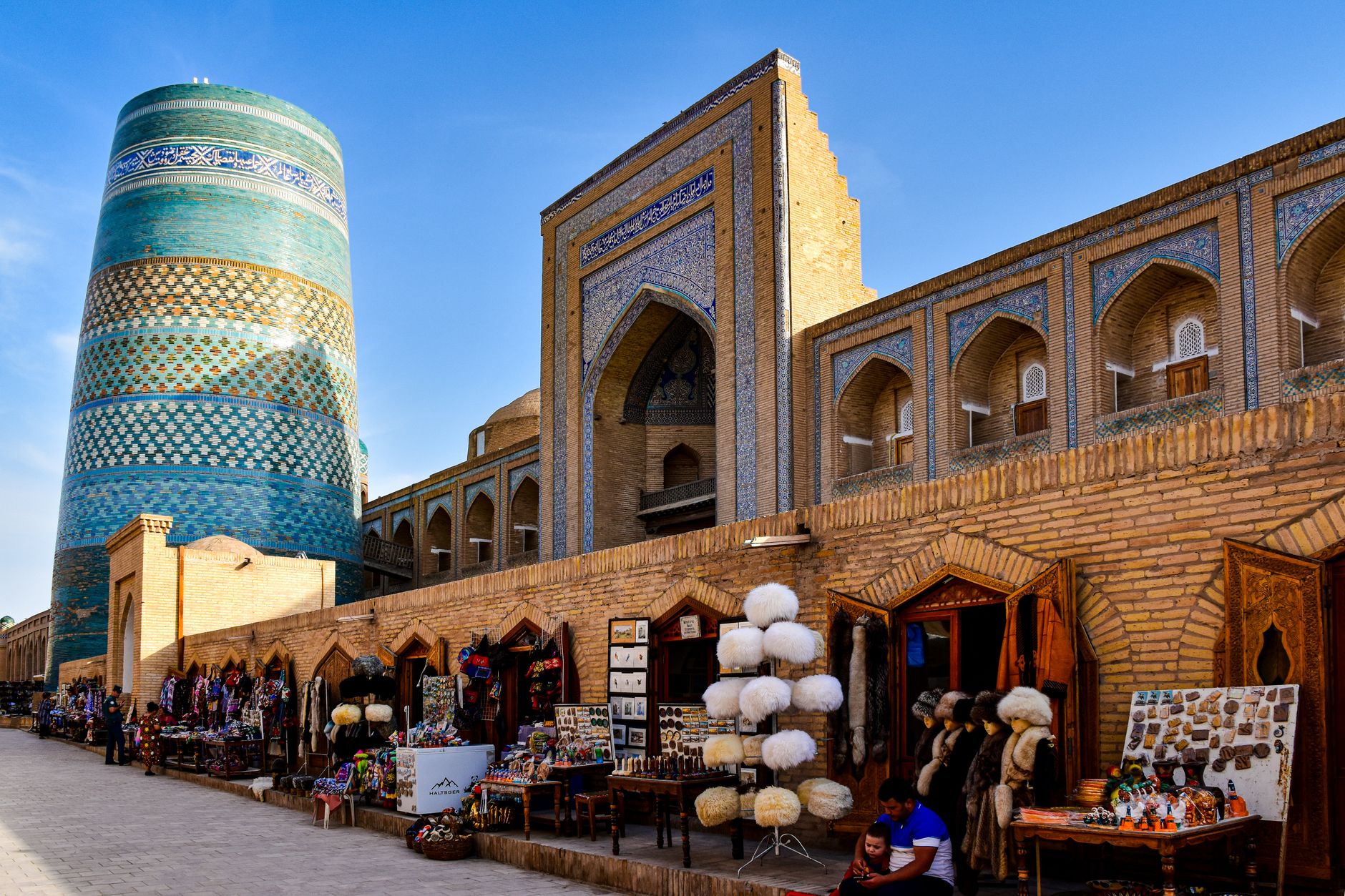
The conservation of historic oases like Khiva requires a millimeter-wide balance between visitor influx and the protection of architectural structures vulnerable to humidity and anthropogenic erosion. Likewise, the integration of energy-efficiency criteria into emerging hotel infrastructure is increasingly scrutinized, marking a turning point from the deregulated real estate developments of the past.
Professional Training and Hospitality Quality Standards
No tourism expansion strategy can consolidate without a substantial upgrade in human resource qualifications. The CIS cooperation agreement includes academic and technical exchange programs between higher education tourism institutions in Uzbekistan and their regional peers. The homogenization of professional certifications for tour guides, hotel managers, and logistics operators is actively encouraged.

This standardization ensures that an accredited guide in Tashkent or Samarkand possesses the international standards of historical rigor, safety, and customer care demanded by contemporary visitors. The professionalization of the sector reduces labor informality and raises the added value of the entire tourism value chain across the country.
The true renaissance of the Silk Road does not lie in the restoration of its ancient bricks, but in the capacity of its peoples to traverse it once again with mutual confidence and freedom.
Cultural Dimension and Soft Diplomacy
Regional tourism acts as a privileged channel for soft diplomacy and intercultural understanding among CIS countries. The celebration of international traditional music festivals, symposia on Islamic architecture, and joint gastronomic fairs generates meeting spaces where national identities dialogue without political friction.
Uzbekistan has successfully capitalized on its geostrategic position to present itself not merely as a destination for sun and monuments, but as the spiritual and intellectual epicenter of a region reclaiming its role in 21st-century global history. Youth exchanges and artistic residencies promoted within these agreements reinforce a cross-border social fabric indispensable for long-term stability.
Practical guide
How to get there: Tashkent International Airport (TAS) features direct and regular air connections with major capitals of CIS member states, as well as domestic flights to Samarkand, Bukhara, and Urgench operated by Uzbekistan Airways.

Entry requirements: Citizens of most CIS countries enjoy visa-exemption regimes for tourist stays ranging from 30 to 90 days. It is advisable to verify current health requirements and mandatory hotel registration upon entry into the country.
Internal transport: The Afrosiyob high-speed train connects Tashkent with Samarkand and Bukhara quickly and comfortably. Booking tickets weeks in advance is essential due to high seasonal demand.
Currency and payments: The official currency is the Uzbek som (UZS). International cards (Visa and Mastercard) are widely accepted in hotels and restaurants in major cities, though carrying cash for traditional markets and rural areas is recommended.

When to visit: Optimal seasons for touring Uzbekistan are spring (April to June) and autumn (September to November), when temperatures in the desert and plains are moderate.
Health and safety: Uzbekistan stands out for its low rates of street crime. Drinking bottled water and securing travel insurance covering international medical assistance is recommended.
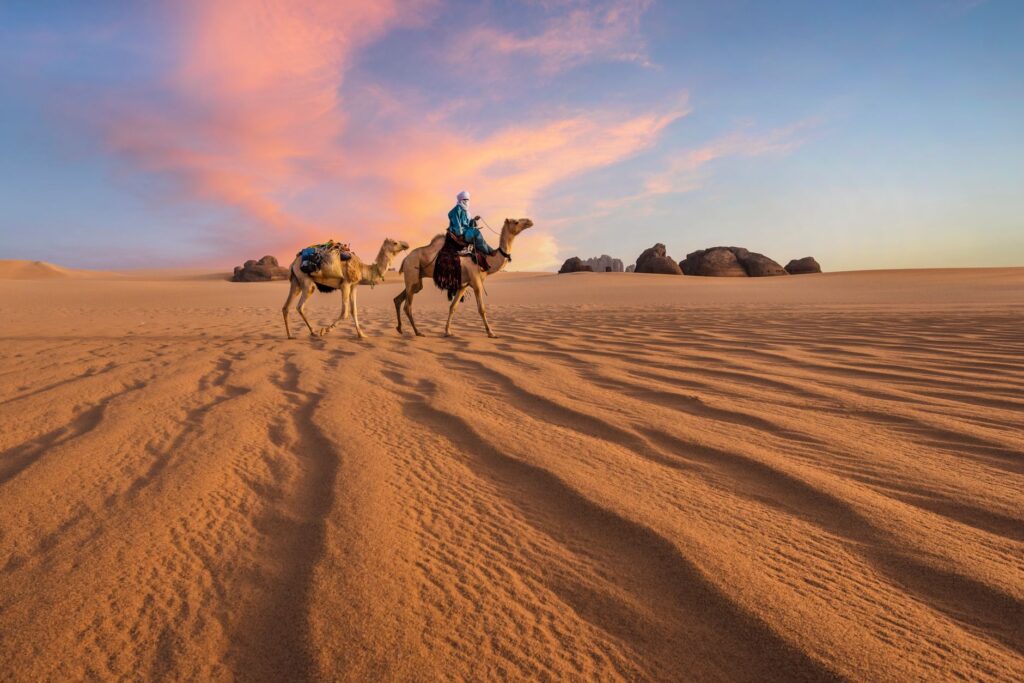
Epilogue Along Desert Trails
At dusk, when golden light strikes the clay ramparts of Itchan Kala in Khiva, the bustle of contemporary tourism seems to vanish beneath the silent weight of centuries. The diplomatic initiatives and agreements signed in ministerial offices thus acquire their deepest meaning: it is not about growth figures or economic balances, but about restoring breath to the paths that united civilizations. Uzbekistan demonstrates that the future of its heritage depends on its ability to open doors to the global neighborhood without losing the intimacy of its millennial soul.
Source in EN: UZA.uz (Uzbekistan expands tourism cooperation in the CIS region)