
Origins and Foundations of a Railway on the Ice Frontier
The history of railway penetration into the island of Hokkaido responds to a unique geopolitical and industrial imperative within the Empire of Japan during the late 19th century. With the establishment of the Meiji era and the strategic decision to colonize and develop the vast natural resources of the north, authorities envisioned a transport system capable of withstanding the archipelago’s harshest climatic conditions. The initial layout, designed to connect southern deep-water ports with fertile central plains and inland coal mining operations, laid the groundwork for high-resilience engineering. Unlike the densely populated lines of Honshu, laying tracks across Hokkaido demanded unprecedented technical solutions to mitigate the impact of blizzards and prolonged freezing temperatures on the physical infrastructure.
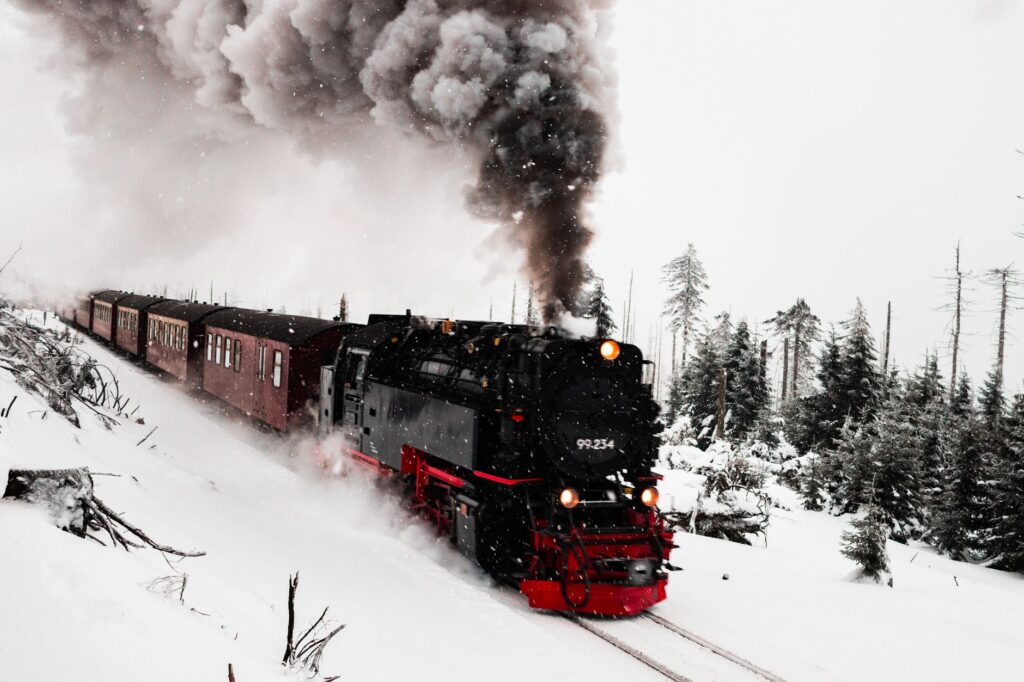
British and American engineers initially contracted by the Japanese government brought Western railway construction expertise, but they quickly had to adapt it to the raw northern geomorphological reality. Enclosed river valleys and volcanic mountain ranges imposed steep gradients and tight curves that required superior tractive power. The progressive introduction of more robust steam locomotives and the subsequent electrification of key sections fundamentally transformed the region’s logistical capacity, enabling the safe transport of heavy freight and passengers through long winter months when roads became entirely impassable.
Volcanic Topography and the Challenge of Alpine Tunneling
Overcoming Hokkaido’s mountainous spine required piercing the terrain through a series of tunnels and bridges that now stand as milestones of Asian civil engineering. The island’s orographic system, marked by constant volcanic activity and complex geological fault lines, forced builders to exercise extreme geotechnical precautions. Every kilometer of track won from the rock required meticulous studies to prevent landslides and ensure the stability of embankments against massive seasonal snow accumulations, a phenomenon exceeding four meters of accumulated depth in higher elevations.
Among the greatest engineering triumphs of this journey is the conquest of the mountain passes separating the Hakodate basin from the interior plains. The construction of long tunnels, initially excavated by hand and later modernized with advanced mechanical boring technology, drastically reduced transit times and unified the island’s economic markets. Metal bridge structures, engineered to bear both the dynamic loads of modern convoys and the extreme thermal contractions of boreal winters, reflect a technical mastery that has endured over a century of continuous operations.
Winter Logistics and the Battle Against Deep Snow
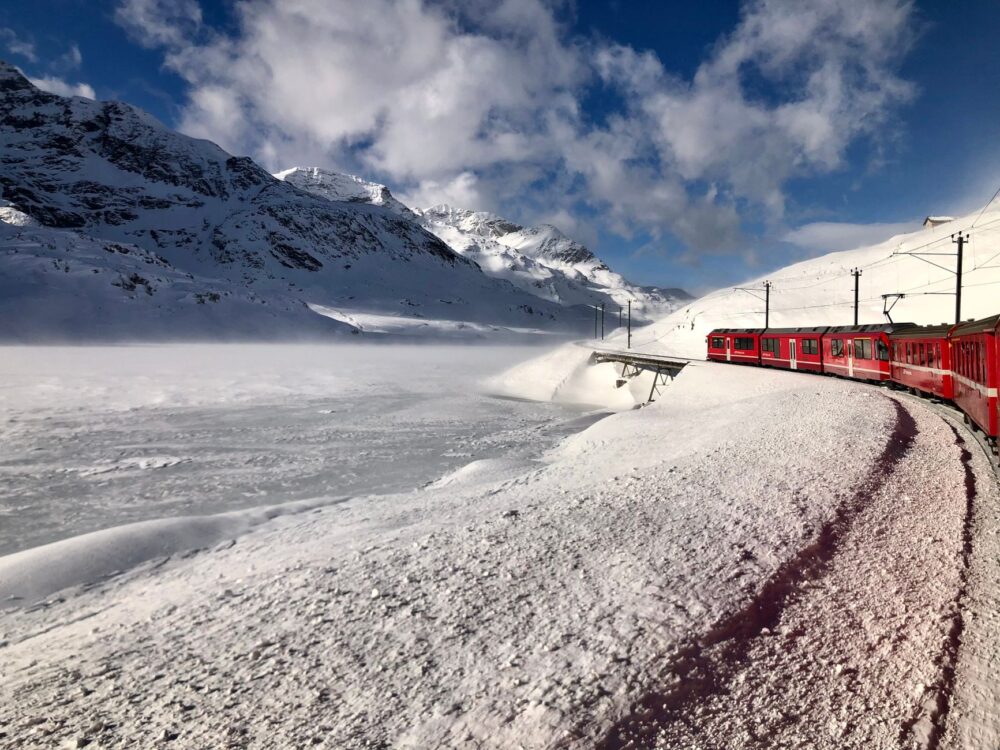
Operating a railway network in one of the planet’s snowiest regions requires unparalleled logistical and technical deployment. Winter management along the Hakodate-Asahikawa corridor goes far beyond simple snow clearing; it constitutes an exhaustive system of predictive and preventative maintenance. The historical use of wedge plows coupled to powerful locomotives has evolved into sophisticated self-propelled rotary snowplows and electric heating systems embedded in track switches to prevent mechanical components from freezing solid.
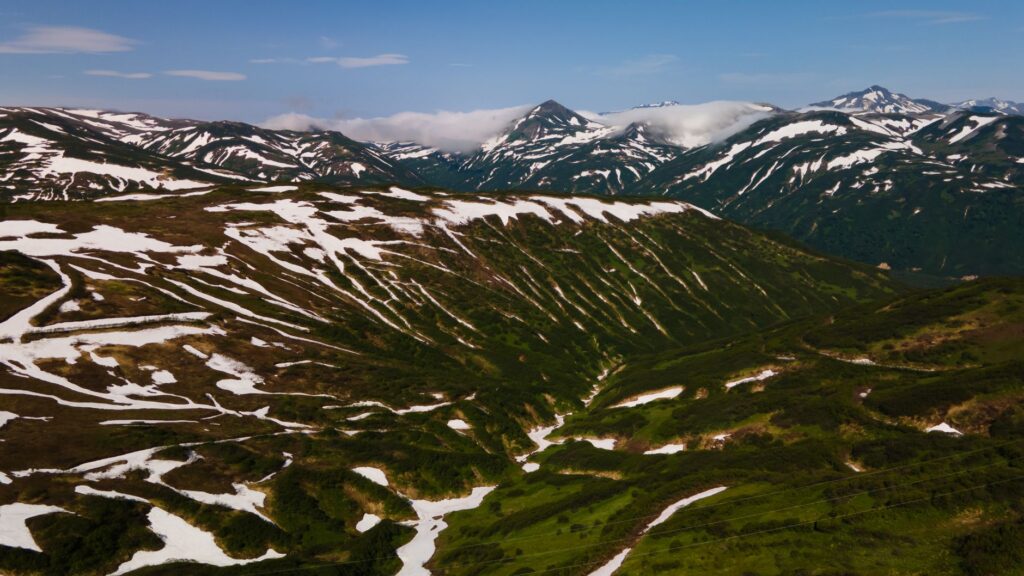
Additionally, the installation of snow fences along the most exposed stretches of steppe and open valleys has saved countless times from prolonged traffic paralyzation. These timber and concrete structures, strategically oriented against dominant winds blowing from Siberia, divert the snow mass before it reaches the trackbed. Coordination between traffic control centers and track maintenance brigades is millimetric, allowing express trains to maintain exemplary punctuality even under reduced visibility conditions and severe arctic storms.
The railway in northern Japan is not merely a means of transport, but the umbilical cord ensuring the social and economic continuity of entire communities isolated by snow.
From Steam to High Speed: Technological Modernization
The technological transformation process of Hokkaido’s railway has been driven by the constant pursuit of efficiency and comfort. During the first half of the 20th century, the transition from steam traction to cleaner, more powerful diesel locomotives increased service frequencies. However, the true qualitative leap arrived with the advent of electric traction and subsequent integration with the national high-speed train network—the celebrated Shinkansen—which successfully shortened connection times with Honshu via the undersea Seikan Tunnel.
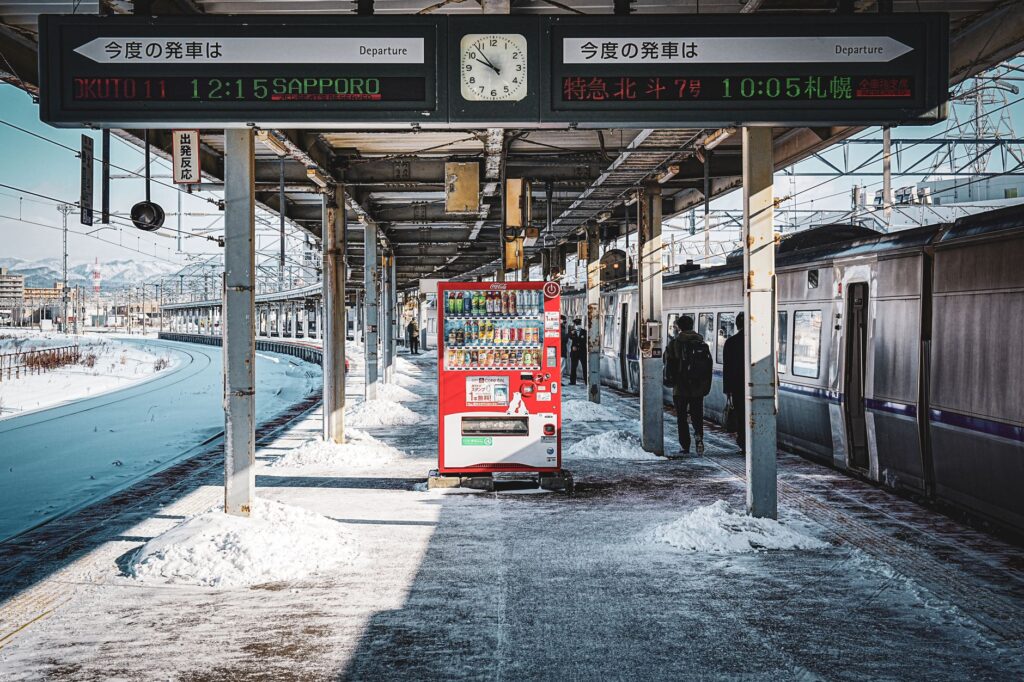
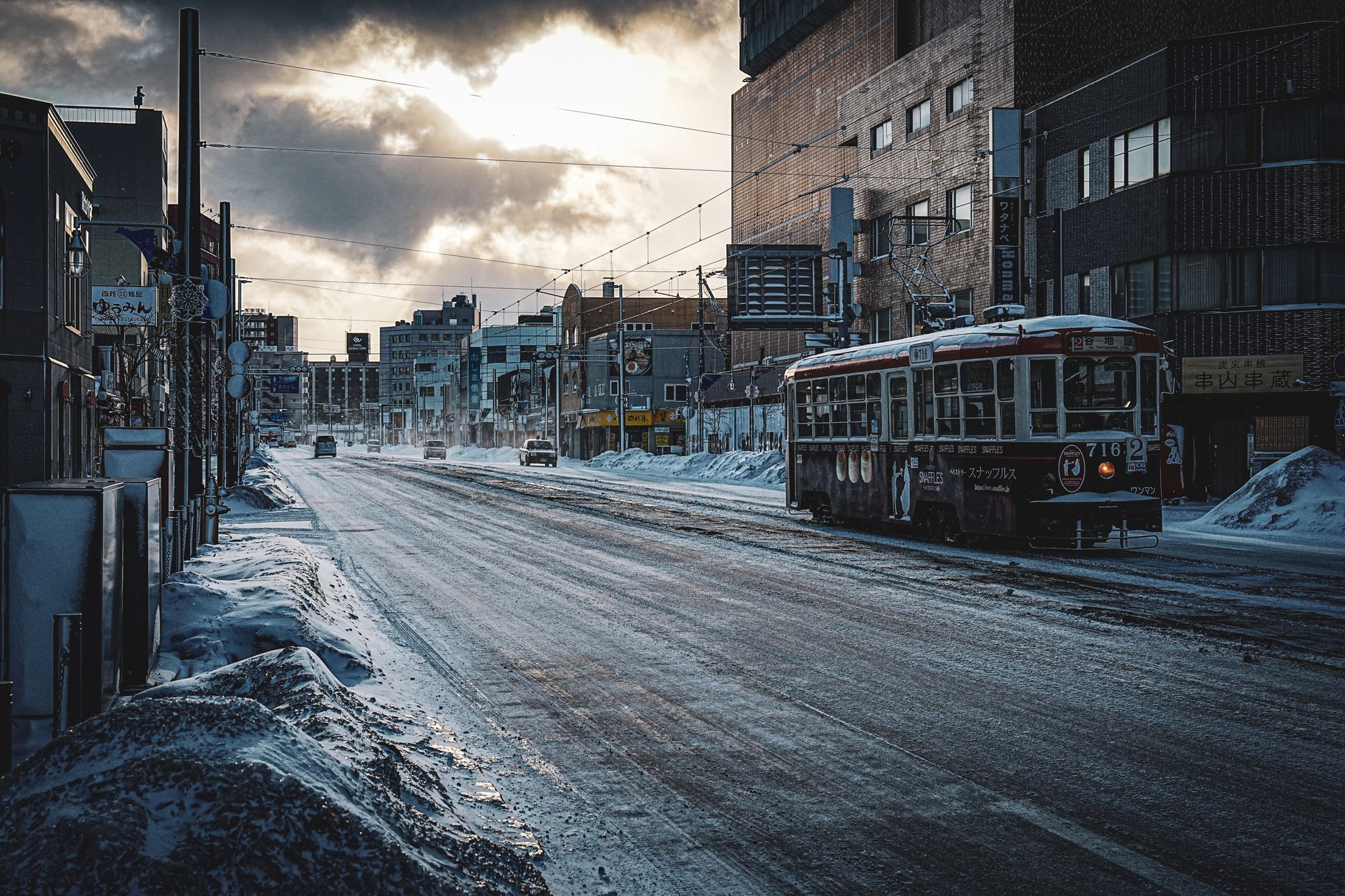
This modernization was not without economic and operational challenges, particularly given rural depopulation in interior zones. The operating company has successfully balanced the high profitability of major urban corridors with the maintenance of essential social services for agricultural and fishing towns. The incorporation of specialized tourist cars equipped with large panoramic windows and reinforced traction systems for icy rails has commercially revitalized the route, turning it into a premier international attraction.
Seasonal Architecture and Century-Old Stations Along the Route
The architectural heritage of stations along the Hakodate-Asahikawa axis narrates the history of Hokkaido’s colonization and urban development. Hardwood buildings with steeply pitched gable roofs, engineered specifically to withstand heavy snow loads without collapsing, blend with modern concrete and steel terminals prioritizing universal accessibility and energy efficiency. These spaces are far from mere transit platforms; they function as community hubs where local life, regional agricultural commerce, and the historical memory of generations of railway workers converge.
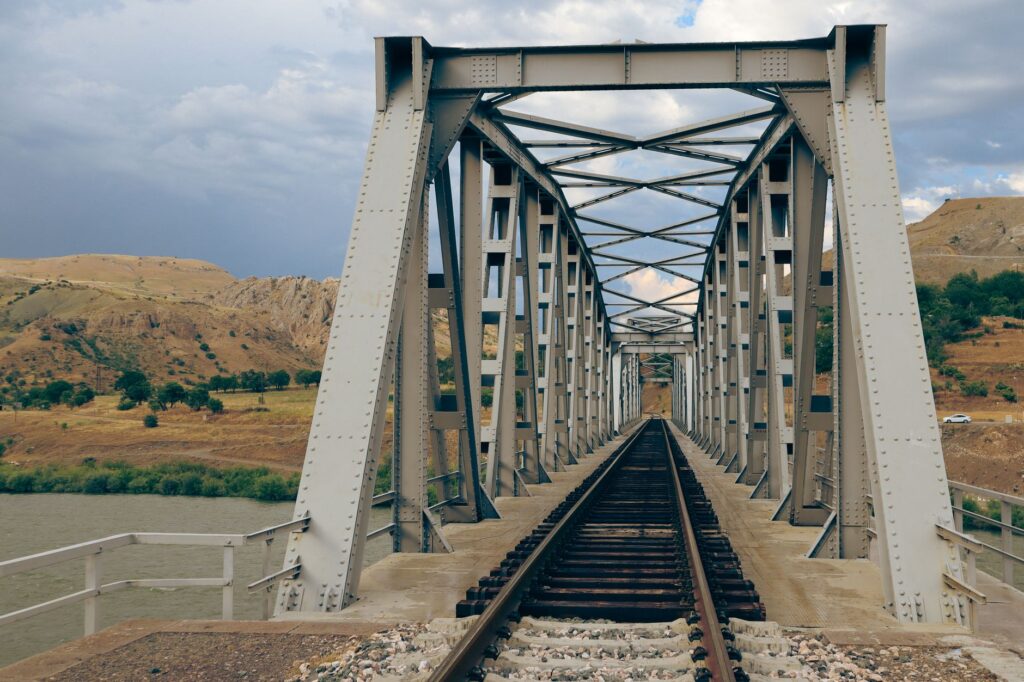
Many of these stations have been designated as cultural assets, preserving original elements such as wrought-iron covered platforms, manual interlocking cabins, and mechanical signaling systems operated via pulleys and counterweights. The meticulous restoration of these properties keeps the pioneer era spirit alive, offering contemporary travelers a tangible immersion in 19th-century industrial aesthetics without sacrificing 21st-century technological comforts.
Sustainability and the Future of Northern Rail Transport
In the contemporary context of energy transition and climate action, Hokkaido’s railway emerges as the most sustainable transport alternative compared to mass automobile reliance and regional aviation. Local authorities and rail operators have implemented ambitious carbon footprint reduction plans, exploring local hydroelectric energy integration and evaluating green hydrogen-powered locomotive prototypes specifically adapted to the island’s severe sub-zero temperatures.
This ecological commitment combines with sustainable territorial development strategies aimed at revitalizing local economies through low-emission tourism. The promotion of combined rail and hiking itineraries, support for local agro-food production retailed directly on board, and the digitization of ticketing and traveler assistance services ensure the long-term viability of this century-old infrastructure. The railway thus proves that its adaptability is as solid as the rock foundation underpinning its route.
Practical guide
Planning a journey across the northern railway network requires understanding the region’s seasonality and operational specifics. Essential logistical aspects are detailed below:
- Best time to visit: December to February to experience extreme winter landscapes and maximum snowplow efficiency; June to August to enjoy blooming lavender fields and the mild climate of the alpine summer.
- Tickets and passes: The Hokkaido Rail Pass, issued by Japan Railways, offers unlimited travel for consecutive periods of 5, 7, or 10 days. Seat reservations are essential during major winter national holidays.
- Main connections: The southern gateway is the port of Hakodate, linked to Honshu via the Seikan Tunnel. Asahikawa acts as the major northern logistical hub toward Daisetsuzan National Park.
- Luggage and clothing: High-traction anti-slip footwear is strongly recommended for icy platforms, along with layered thermal clothing, as train and station interiors feature very powerful heating systems.
- Real-time information: Official JR Hokkaido apps provide constant updates on line status in case of temporary suspensions due to severe blizzards.
Epilogue at Asahikawa Station: The Final Northern Pulse
As evening falls over the platforms of Asahikawa, the metallic whistle of an express convoy cuts through the freezing breeze descending from the snow-covered peaks of Daisetsuzan National Park. Passengers disembark wrapped in heavy coats, breath instantly condensing in the frigid air, while station staff inspect axles and undercarriages with flashlights and inspection hammers, ensuring every bolt and joint withstands the nocturnal onslaught of the thermometer. In this daily ritual, repeated tirelessly for over a hundred years, lies the true greatness of the railway: a silent pact between human will and the implacable majesty of the northern winter.