
Stone Roots at the Heart of the Island
Few urban enclaves concentrate with such fidelity the geological, agricultural, and social memory of a territory as Palma’s Central Market, popularly known as the Mercat de l’Olivar. Behind its noble stone walls and wrought-iron framework, the true pantry of Mallorca has beaten for over half a century. It is not merely a commercial exchange point, but an authentic anthropological theater where the fruits of a wind-whipped, sea-salted land converge. Here, each food stall functions as a living archive of ancestral recipes, nearly extinct trades, and an insular biodiversity that resists the onslaught of tourist standardization.
Stepping into the halls of this commercial colossus at dawn demands understanding a rhythm where time seems measured by tides and seasonal harvests. The murmur of voices in the local dialect, the metallic glint of scales fresh from the fish markets of Alcúdia and Sóller, and the dense aroma of cold cuts cured in inland farmhouses configure an unmistakable sensory landscape. It is the starting point of a journey that transcends the surface of the plate to investigate the daily toil of farmers, fishermen, and flavor artisans who sustain the food sovereignty of the Balearic Islands.
The Geography of Terraces and Salt
To understand what is displayed on the tables of l’Olivar, one must look toward the surrounding landscape. Mallorca is not a uniform island; its territory is divided into sharply defined microclimates ranging from the shaded mountain ranges of the Tramuntana to the clayey plains of the Pla and the saline wetlands of the south. In the dry-stone terraces cultivated for generations, local vegetable varieties such as the tomàtiga de ramellet—a hanging tomato designed to withstand summer drought and provide acidity to Mallorcan soups during the cold months—thrive. This respect for water and soil defines a subsistence cuisine reconverted into haute gastronomy thanks to its unwavering attachment to indigenous produce.
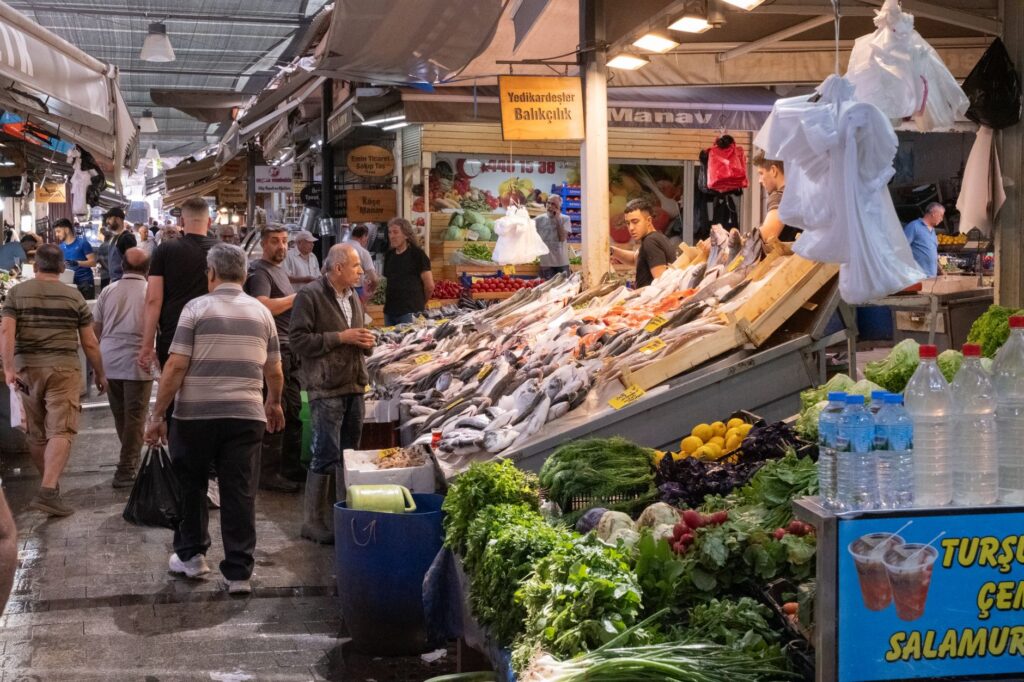
A few kilometers from the terraced fields, the coastal salt flats provide the other great mineral pillar of insular gastronomy. The fleur de salt, harvested by hand beneath the Mallorcan sun, imbues meats and fish with a subtlety that avoids masking pure flavors. In the market aisles, vendors patiently explain which type of curing salt suits each cut or which extra virgin olive oil—with the Binissalem or Majorica designation of origin—should accompany a proper pa amb oli. Popular wisdom is transmitted here from generation to generation without the need for printed manuals.
Historic Stalls and the Daily Pulse
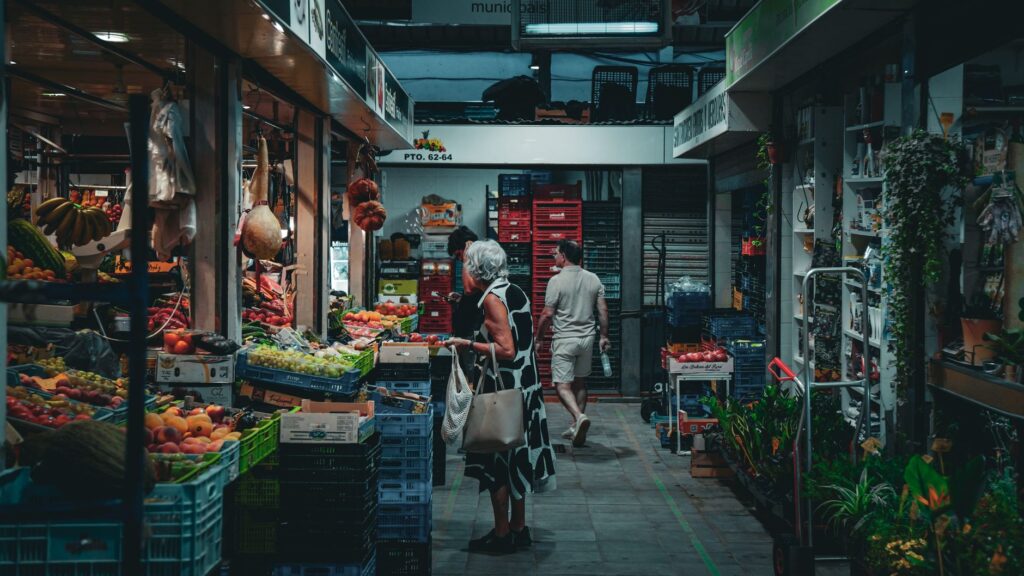
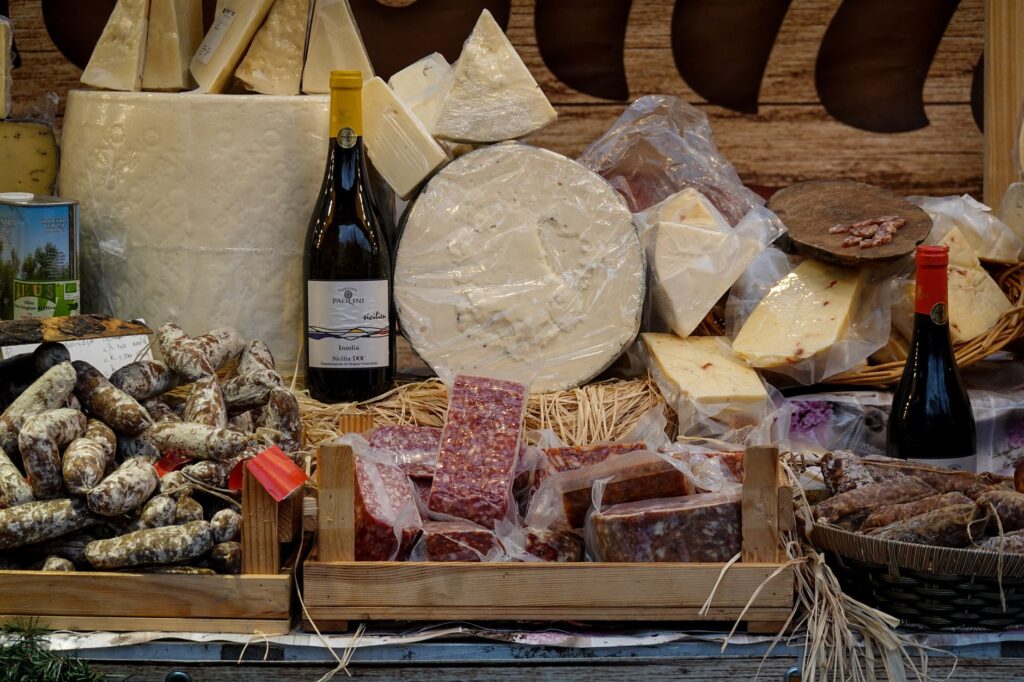
Walking among the stalls of l’Olivar is to trace a continuous line between Mallorca’s agrarian past and its metropolitan present. Entire families have guarded these stands for decades, becoming guardians of endangered plant species and native livestock breeds. Among them stands out the meat of the porc negre, the indigenous black Mallorcan pig whose marbled fat is essential for crafting authentic artisan sobrasada. This cured sausage, seasoned with sweet paprika and the tramontana wind, encapsulates the alchemy of traditional preservation in a demanding Mediterranean climate.
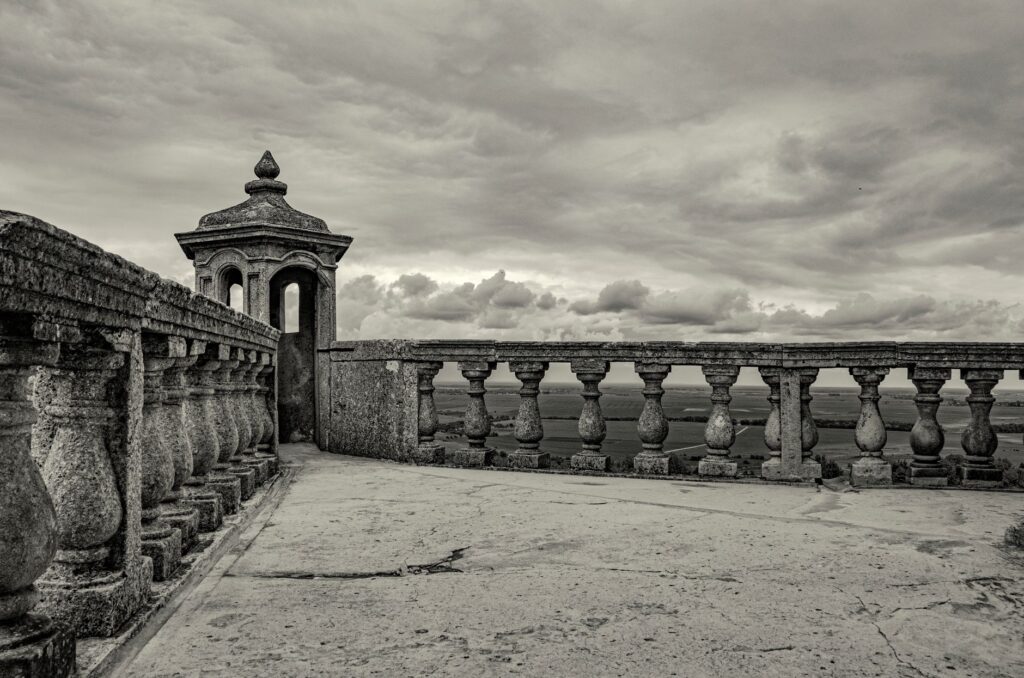
The market is not a museum of nostalgia, but the dynamic engine where producer and diner look each other in the eye to validate the authenticity of the landscape they consume.
No less fascinating is the section dedicated to coastal fishing. Here, the goal is not industrial volume, but the singular catch secured through artisanal small-scale methods: the raor—a coveted razorfish caught in summer—, the John Dory, or the amberjack that populate underwater rocky reefs. Fishmongers clean, fillet, and advise with a mastery that turns weekly shopping into a masterclass in seafood cookery. Each regular customer maintains their own pace, establishing a pact of blind trust with the vendor that guarantees taking home the best of the day’s catch.
Bread, Olive Oil, and the Liturgy of the Oven
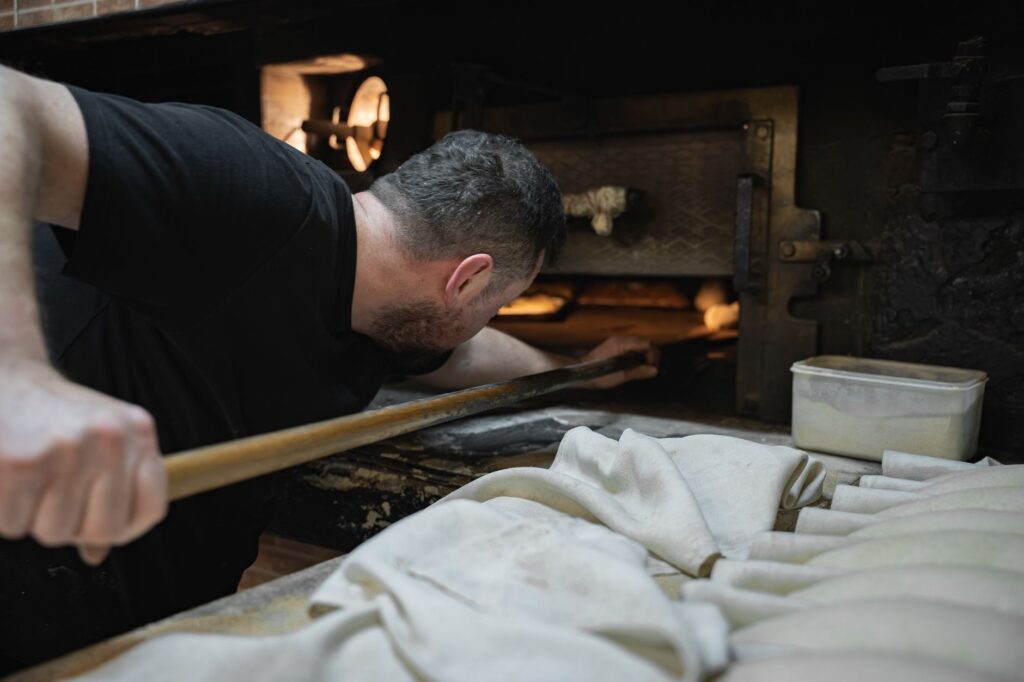
The backbone of the Mallorcan table rests on elements that appear humble yet are laden with historical symbolism. The dark country bread, crafted from native salt-free flours, features a dense crumb and a rustic crust ideal for absorbing the juices of the hanging tomato and olive oil. In the traditional ovens integrated into the market and its surroundings, the day begins before dawn with the preparation of panades—meat pies filled with lamb, peas, and sobrasada—and the famous cresvells or rubiols, depending on the insular liturgical calendar.
This trench-line baking dialogues directly with the vegetable garden. Coca de trampó, crowned with finely chopped green pepper, onion, and raw tomato baked over a crisp crust of oil and lard, exemplifies the Balearic kitchen’s capacity to turn humble ingredients into a bite of high sensory intensity. The secret lies in the quality of the fat used and the enveloping heat of the wood-fired ovens still operating in the old quarters of the island’s towns, daily supplying Palma’s retail points.
The Liquid Pantry: Vineyards and Apothecary Liquors
No journey through Palma’s gastronomy would be complete without addressing its liquid heritage, a sector that has experienced an extraordinary renaissance over the past three decades. In the market’s wine cellars, bottles crafted from native varieties such as Manto Negro, Callet, or Gorgollassa reclaim the prominence they once lost to mass winemaking. These red wines, of moderate alcohol content, gentle tannins, and balsamic notes reminiscent of pine and Mediterranean scrub, pair perfectly with the heartiness of inland stews.
Alongside wine, Mallorcan herbal liqueurs—sweet, dry, or mixed—occupy a place of honor on the shelves of the oldest grocers. Formerly crafted in rural convents and pharmacies as medicinal remedies based on anise and botanical macerations of rosemary, lemon verbena, and lemon leaves, they now constitute the undisputed closing chord after any insular feast. Their unhurried consumption, served chilled in a short glass, seals a communion between diner and local botany that few European territories preserve with such purity.
Practical guide
How to get there: The Central Market of l’Olivar is located right in the historic center of Palma (Plaza de l’Olivar, s/n). It is easily accessible on foot from Plaza Mayor or via the urban bus network (EMT). If traveling by private vehicle, the market features a large subterranean parking facility.
Recommended hours: The market is open Monday through Saturday from 7:00 AM to 2:30 PM. The best time to visit with tranquility and observe the hustle and bustle of local restaurateurs is between 8:00 AM and 10:30 AM. Fish and seafood stalls wind down their activity around noon.
Essential purchases: Do not leave without acquiring a piece of porc negre sobrasada with a certificate of origin, a bottle of extra virgin olive oil from the Tramuntana, hanging tomatoes for home storage, and a small bag of Es Trenc sea salt.
Recommended dining: To complete the experience, consider booking a table at one of the small taverns in the La Lonja neighborhood or tasting traditional cocas at the centennial bakeries in Palma’s historic center. It is advisable to consult the local wine list at any establishment bearing the seal of quality of the insular designations of origin.
The Last Whisper of Wind and Sea
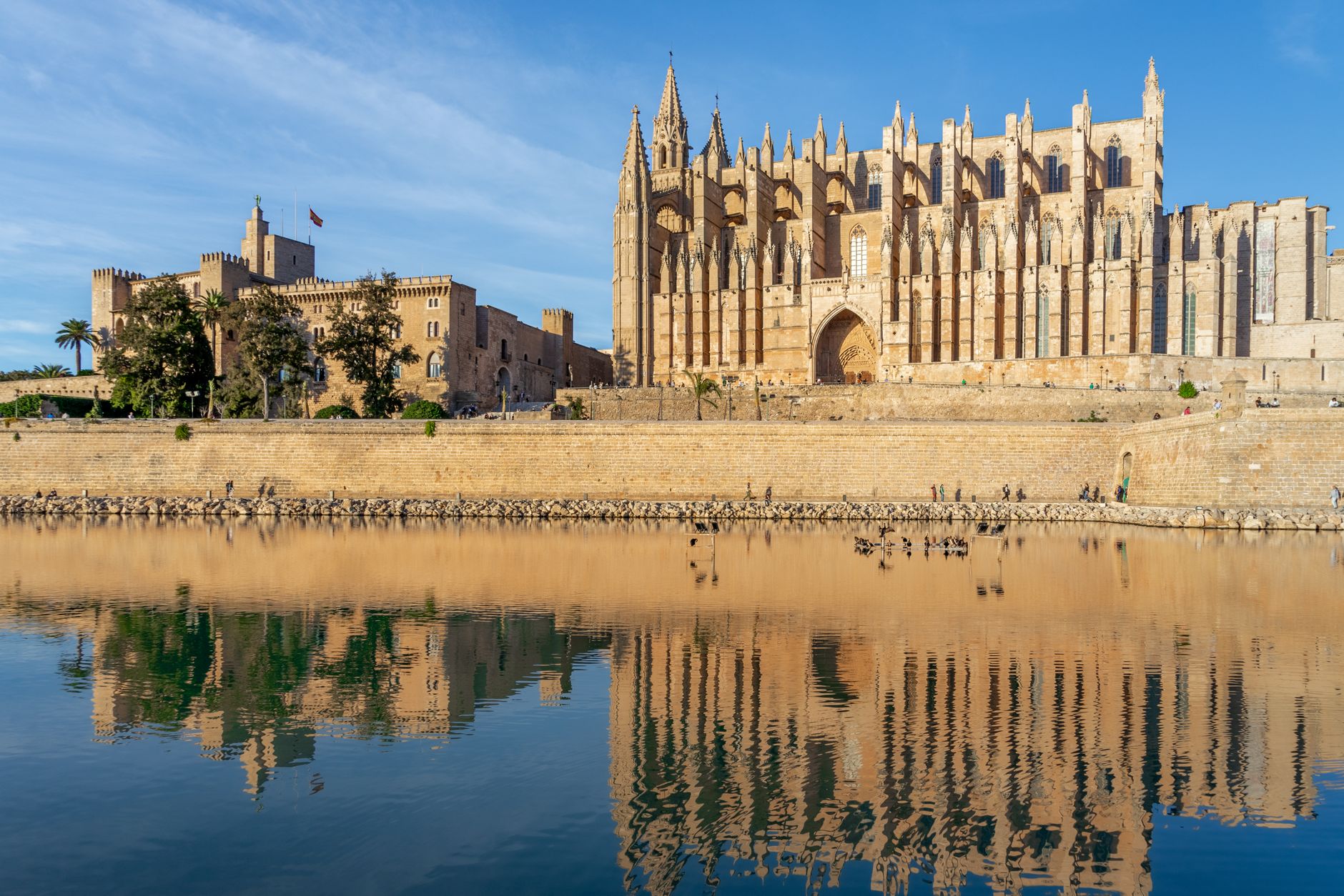
As evening falls, when the metal shutters of l’Olivar descend and commercial chatter yields to the silence of cobblestone streets, Palma recovers an ancient intimacy that seems to float between stately courtyards and marés stone facades. It is the moment when the island distills its true essence, free of summer artifices. In the small kitchens of maritime neighborhoods and inland farmhouses, the slow fire of a clay casserole continues to tell the same old story: that of a people who learned to extract from the wind, the dry stone, and the salty sea a feast of unalterable resistance and beauty.