
Introduction to an Insular Refuge Frozen in Time
At the geographic heart of the Irish Sea, the Isle of Man functions as a microcosm where the roar of the steam engine and the hum of late 19th-century electric motors continue to dictate the daily rhythm of its residents. Far from constituting a mere seasonal tourist attraction, this integrated transport network—comprising the Manx Electric Railway, the Steam Railway, and the Snaefell Mountain Railway—represents the last interconnected Victorian-era rail system operating entirely with its original rolling stock. Here, mobility is not a routine logistical chore, but a daily exercise in heritage resilience and a masterclass in how civil infrastructure can harmonize with a landscape of rolling hills and wind-swept cliffs.
The core thesis of this report argues that the survival of these historic railways does not stem from commercial nostalgia, but from a rigorous symbiosis between small-scale engineering, geological adaptation to a capricious terrain, and community resolve to preserve a vital artery that defied obsolescence. Through this journey across narrow-gauge tracks and centennial workshops, we will examine the mechanical, economic, and human challenges that keep this iron machinery alive in the twenty-first century.
The Genesis of Steam: Conquering the Southern Landscape
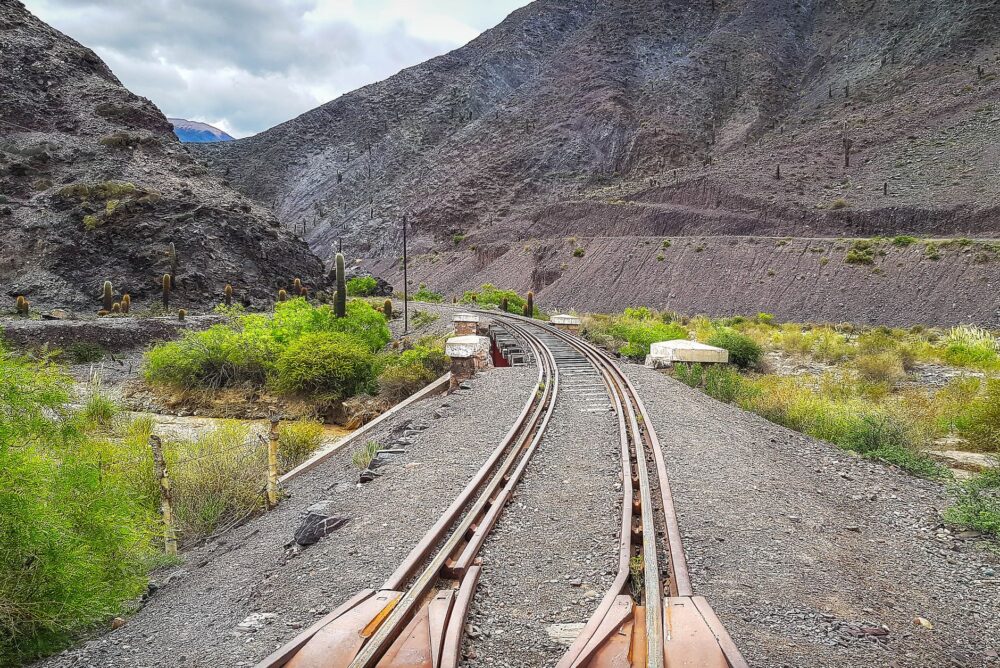
Inaugurated in the 1870s, the Manx Northern Railway and its southern counterpart answered an urgent agricultural and commercial need to link rural hubs and fishing ports with Douglas, the administrative center. The topography of the island’s south, characterized by steep river valleys and constant elevation changes, demanded winding alignments that avoided tunnels through dry-stone embankments and cuts in clay shale. The Beyer, Peacock & Co. locomotives, built in Manchester, were engineered with a specific power-to-weight ratio to tackle imported coal logistics and steep grades without compromising the integrity of the three-foot narrow gauge.
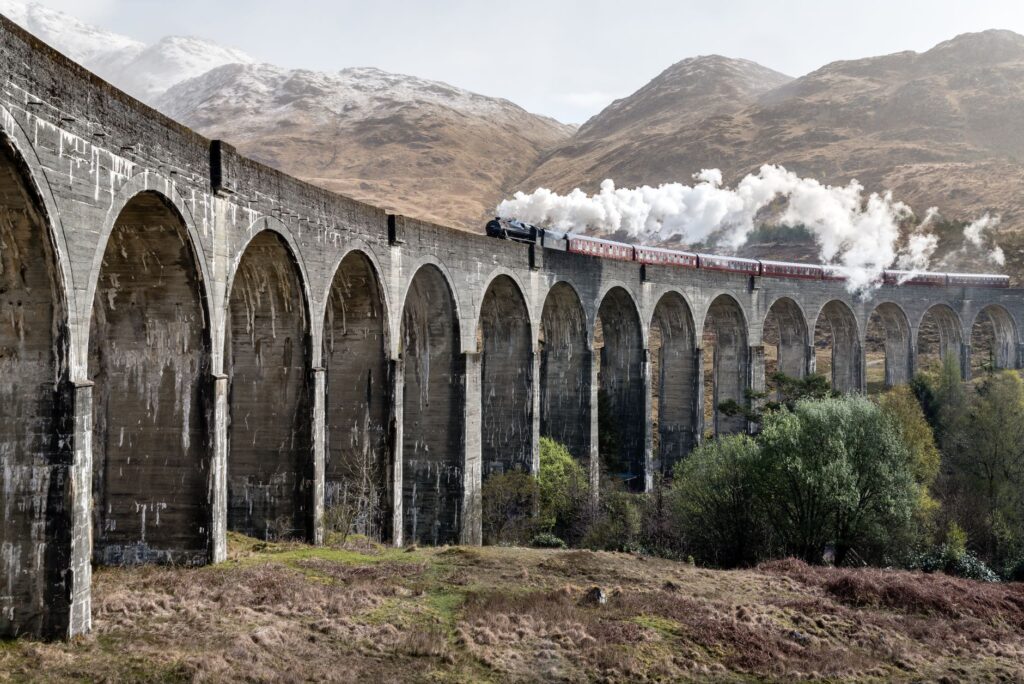
For decades, these formations carried not only livestock and coal, but the social fabric of a dispersed rural community. Maintaining these tracks demanded a titanic effort from local gangs combating the saline corrosion caused by the constant proximity of the sea. Today, the Douglas workshops continue to employ manual fitting and artisanal casting techniques, refusing to replace original components with standardized industrial parts, turning every train into a living piece of industrial archaeology.
The Pioneering Electrification of the Manx Electric Railway
If the south relied on steam, the north and eastern coast owed their modernization to a bold bet on electricity at the close of the 19th century. The Manx Electric Railway, rolled out in successive stages between 1893 and 1899, stands as an exceptional testament to early large-scale rural electrification. Using a trolley pole collection system and a 500-volt direct current, the line snakes along coastal cliffs from Douglas to Ramsey, overcoming vertiginous slopes through wheel adhesion and the skill of motormen.
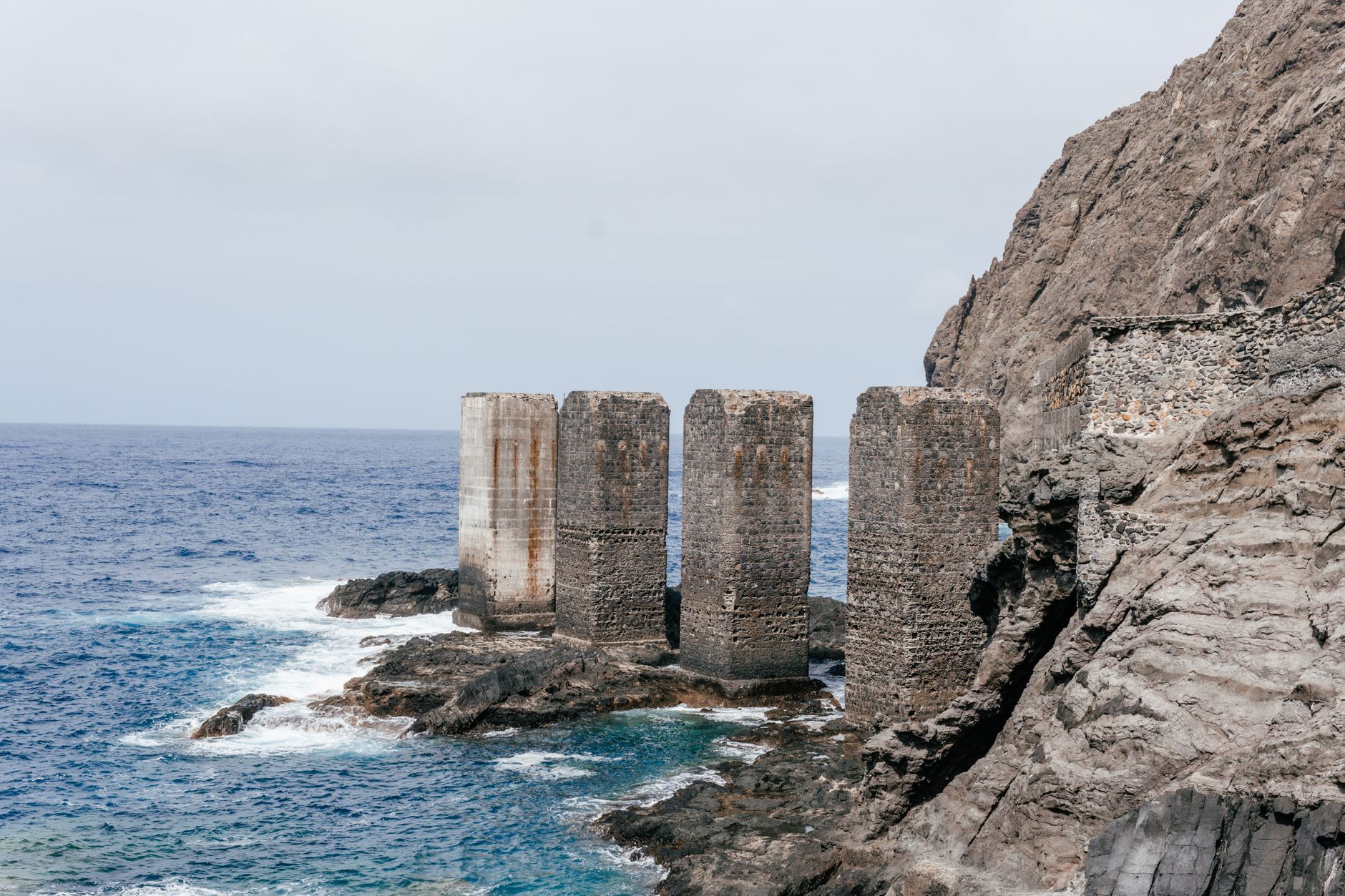
Building this line required monumental civil engineering for its era. Engineers had to carve basalt rock from coastal cliffs using black powder and hand tools, tracing a railway shelf where the margin for error was microscopic. Slope stability depends heavily on continuous drainage and vegetation management, as rainwater seepage and marine erosion periodically threaten to undermine the trackbed.

The railway does not sever the landscape; it embraces it with microscopic precision, turning every curve above the abyss into an uninterrupted dialogue between Victorian ingenuity and the fury of the Irish Sea.
Snaefell Mountain Railway: The Alpine Rake Challenge in Insularity
The culminating point of the Manx transport network is undoubtedly the Snaefell Mountain Railway, the only mountain line in the British Isles utilizing the Fell central brake system. Opened in 1895 after a record construction period of just seven months, this railway ascends to the island’s sole summit, offering views on clear days of all four kingdoms of the United Kingdom: England, Scotland, Wales, and Ireland.
The Fell system does not rely on a traditional toothed rack, but on an elevated center rail gripped by mechanically actuated horizontal brake shoes, ensuring descent control on gradients reaching 1 in 12. This technical deployment was indispensable to prevent cars from losing traction amid frequent snowstorms and gale-force winds battering the Snaefell summit. Logistical power supply at this altitude, exposed to extreme weather, demands constant monitoring of electrical substations and high-voltage lines flanking the moorland.
Maintenance Logistics and the Culture of the Centennial Workshop
Maintaining an operational fleet well over a century old requires a management model radically opposed to contemporary mass rail transport. At the Derby Castle and Inchcape depots, turners, carpenters, and fitters operate more like fine-art conservators than heavy transit workers. The teak wood used in electric tram bodies is imported and worked using historic templates, while steam locomotive axles undergo rigorous ultrasonic testing to detect material fatigue.
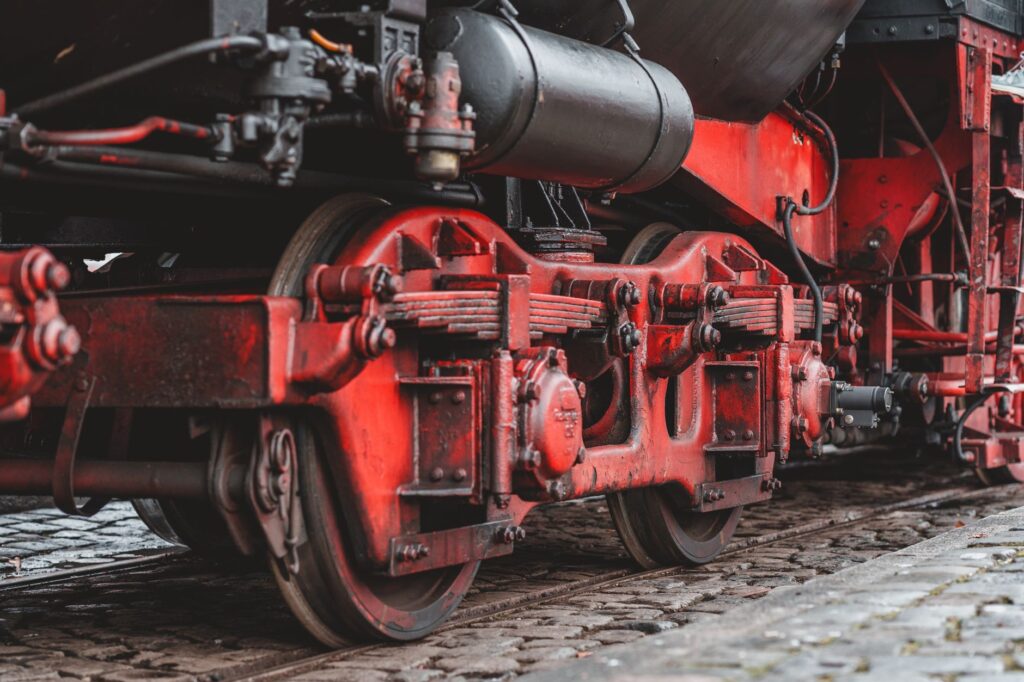
This commitment to technical authenticity generates a highly specialized labor ecosystem. Knowledge of heavy boiler-making and 1900-era DC motor tuning is not taught in modern universities; it is passed down through direct apprenticeship between generations of local technicians. The survival of the system critically depends on preserving this artisanal human capital, whose generational handover represents the greatest challenge for the island’s transport authorities.
Socioeconomic Impact and Community Connectivity
While international tourism forms a foundational pillar for the financial viability of these trains, the network retains incalculable civic utility for local residents. Throughout the winter months, when secondary roads become blocked by fog or frost, school and commuter services guarantee territorial cohesion between rural settlements and service centers. Adapted carriages allow the transport of bicycles, groceries, and mail, perpetuating the vertebral role for which they were originally conceived.
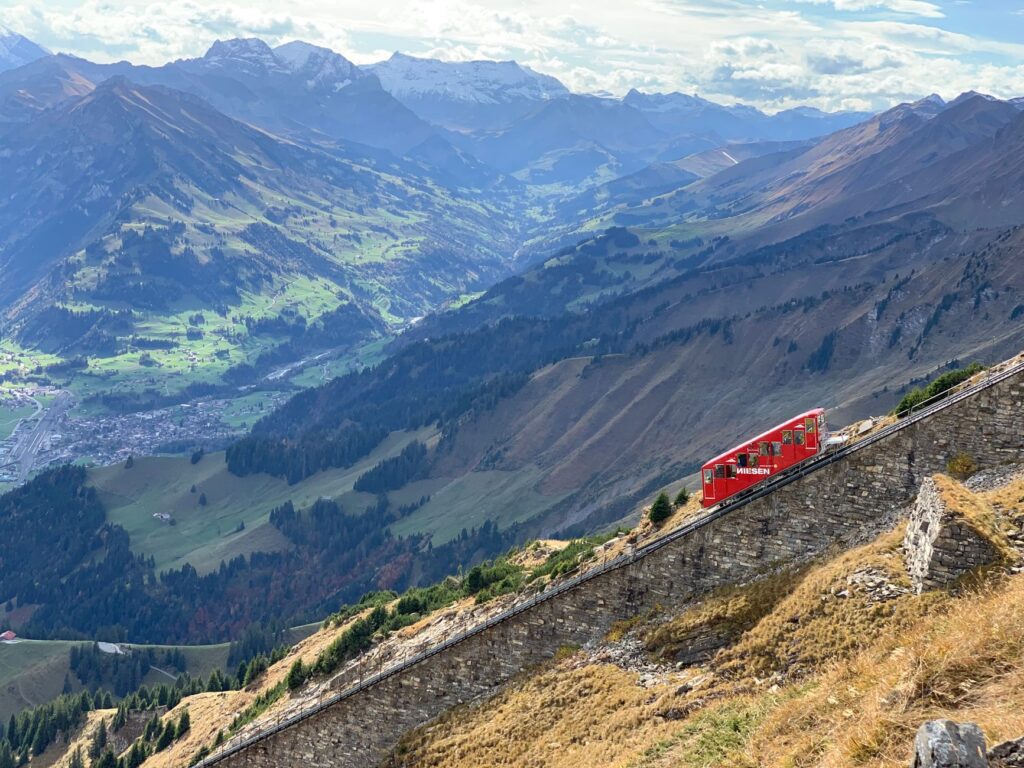
Likewise, fare integration with the island’s bus network under the Bus Vannin brand ensures travelers can traverse the territory without depending on private vehicles. This integrated mobility model proves that historic infrastructure can coexist with and complement modern public transport networks, reducing the carbon footprint of an insular community aiming for climate neutrality in strategic sectors.
Practical guide
How to get there: The Isle of Man is accessible via regular air connections from major UK and Ireland airports, as well as ferry services operated by the Steam Packet company from Liverpool and Heysham.
When to travel: The regular railway operating season runs from late March through early November. Winter offers reduced weekend schedules and special steam-traction events.

Tickets and fares: The Go Explore intermodal pass provides unlimited access to the entire historic rail network and island buses for periods ranging from one to seven days, optimizing logistical costs for travelers.
Route recommendations: Allow at least three full days to leisurely explore the three main lines, combining stops in fishing villages with walks along adjacent coastal footpaths.
Epilogue: The Perennial Heartbeat of Ancient Metal
As evening falls, when the final convoy of the day slowly crosses the un-gated level crossings of the Manx countryside, silence reclaims its dominion over the valleys. Yet the echo of steam and the crackle of the trolley wire remain suspended in the damp air of the Irish Sea. In an era obsessed with digital speed and planned obsolescence, the Isle of Man offers a subversive lesson: true modernity often lies in the ability to care for what works, honoring the effort of Victorian engineers who understood that a journey is measured not only by how fast one arrives, but by the depth with which the path is experienced.