
Introduction to the Millennial Archipelago and Its Mobility Challenge
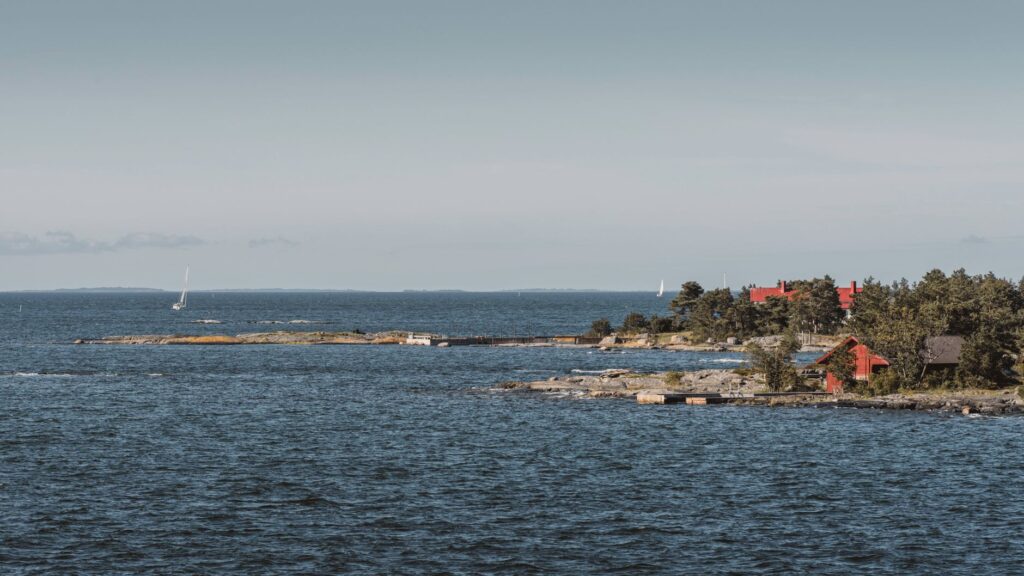
The Turku Archipelago, scattered like an infinite mosaic of thousands of islands and islets in the southern Baltic Sea, represents one of northern Europe’s most complex and fragile landscapes. For generations, the economic and social survival of these insular communities has depended on an intricate network of internal combustion ferries, cargo barges, and private watercraft connecting glacier-sculpted rocks. However, over the past decade, the combined pressures of climate change, shoreline erosion caused by mechanical wakes, and the imperative to decarbonize regional transport have forced a complete rethinking of this model. The transition toward truly sustainable mobility is no longer a theoretical aspiration in these latitudes, but an operational urgency redefining the relationship between humanity and water.
Faced with historical isolation and the high maintenance costs of traditional infrastructure, an interdisciplinary consortium of local authorities, naval operators, environmental scientists, and island residents has driven a paradigm shift. This effort centers on integrating river and coastal ferries powered by high-capacity batteries, rapid-charging stations fueled by local wind energy, and a complementary network of low-impact floating walkways prioritizing pedestrian and bicycle traffic. The result is a multimodal transport system that drastically reduces the carbon footprint and preserves the delicate aquatic ecosystems of the Baltic, setting an international benchmark for managing fragmented island territories.
Electrifying the Archipelago Route: Naval Technology Versus Isolation
The heart of this transformation lies in the modernization of the public ferry fleet, locally known as the Saariston rengastie or Archipelago Trail. For decades, these vessels operated on heavy diesel engines, generating constant greenhouse gas emissions and accidental hydrocarbon spills in protected waters. Today, the introduction of 100% electric ferries marks a milestone in naval engineering applied to inland waterways and coastal routes. These ships feature hydrodynamically optimized steel hulls designed to minimize propulsion resistance, dramatically reducing the energy consumption required for every crossing between islands.
Recharging takes place via automated terminals located at main docking piers, where robotic arms connect high-density battery systems within minutes, taking advantage of passenger and vehicle boarding times. This precise synchronization maintains reliable frequencies without disrupting the traditional schedules relied upon by local residents and business owners. According to data compiled by Southwest Finland transport authorities, the gradual replacement of the diesel fleet has cut direct carbon dioxide emissions by over seventy percent on core routes, proving that heavy electrification is technically viable even in adverse weather conditions and during harsh Baltic winters.
The true innovation in the archipelago lies not solely in electric motors, but in the ability to synchronize cutting-edge technology with the unhurried rhythm of island life.
Floating Walkways and Soft Mobility: Connecting Islets Without Habitat Fragmentation
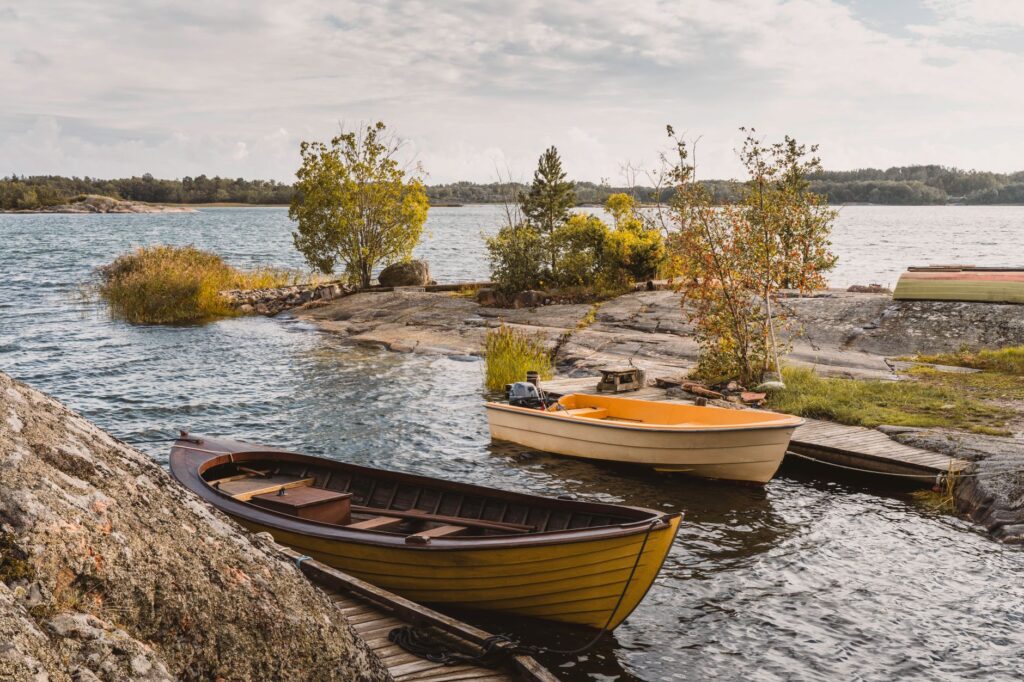
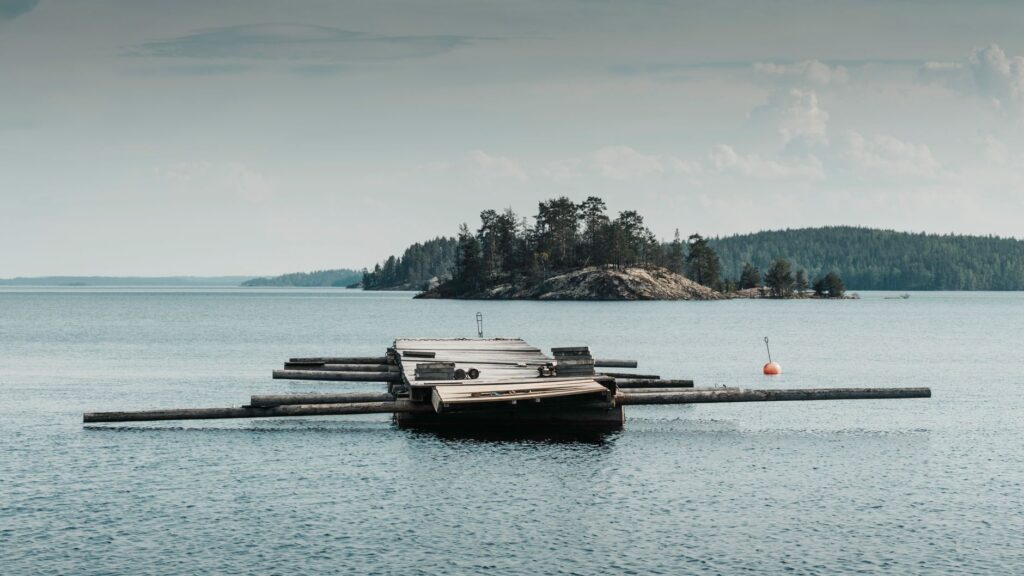
Beyond the main routes served by core ferries, the Turku Archipelago comprises countless smaller islets that traditionally remained disconnected or required small-scale motorboats, bringing noise pollution and stress to local wildlife. To resolve this human-scale connectivity gap, mobility engineers and landscape architects have developed an innovative system of modular, flexible floating walkways. Built from high-durability composite materials and recycled polymers, these structures float on the water without altering marine currents or interfering with the migratory routes of fish and water birds.
These pedestrian and cycling paths allow residents and visitors to traverse short distances between neighboring islands under their own power, fostering active, low-impact tourism deeply respectful of the environment. Furthermore, their modular design facilitates relocation or seasonal maintenance without heavy machinery or dredging that could damage Zostera marina seabeds. By eliminating the need to construct high fixed bridges that would irreversibly alter the visual horizon of the marine landscape, floating walkways integrate organically into the scenery, turning the act of commuting into a contemplative, immersive experience of Baltic nature.
The Fundamental Role of Local Communities and Shared Governance
No technological transformation in the archipelago could have succeeded without the active, direct participation of its permanent residents. Unlike other tourist destinations where mobility decisions are made in capital-city offices, transport planning in Turku follows a model of decentralized community governance. Neighborhood associations, fishermen’s councils, and small tourism business owners take part in regular committees evaluating ferry schedules, charging station locations, and visitor flow impacts during the peak summer season.
This close collaboration has resolved practical challenges that no external engineer could have anticipated. For instance, adapting electric vessel schedules to ensure children can attend school on larger islands without losing daylight hours in winter, or creating tiered pricing structures that protect residents’ economies from seasonal speculation. The result is a cohesive social fabric that views energy transition not as an external imposition, but as an indispensable tool for securing the long-term viability of their traditional way of life against rural depopulation.
Energy Integration: When Islands Become Autonomous Generators
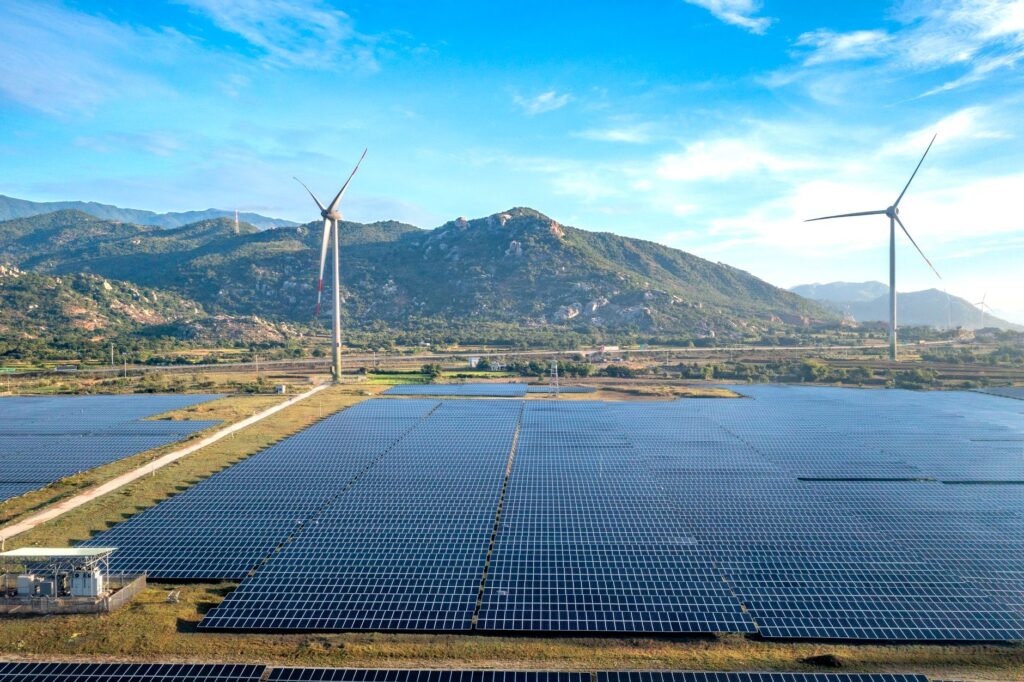
The massive electrification of maritime and land transport in the archipelago poses a colossal challenge: where to source the electricity needed to power the entire fleet without overloading the mainland grid. To answer this question, local authorities have advanced an ambitious plan for decentralized energy generation based on local renewables. Several strategic islands along the route now feature small low-shear wind turbines and solar panel arrays adapted to overcast winter conditions, complemented by second-life electric vehicle battery stationary storage systems.
This ecosystem of smart microgrids allows ferries to run largely on clean energy generated on-site or in the immediate vicinity. During summer months, when solar radiation is prolonged and tourism peaks, installations generate surplus energy fed back into the main grid or stored for dark November days. This partial self-sufficiency bolsters the archipelago’s resilience against mainland power outages, turning the islands into an advanced model of energy security and logistical autonomy for similar geographical regions worldwide.
Regenerative Tourism and Capacity Limits in a Fragile Marine Ecosystem
Improved, clean, and quiet access to the archipelago has brought sustained growth in tourism interest, raising a classic dilemma of contemporary sustainability: how to prevent the success of green mobility from causing territorial overcrowding. To counteract this risk, the regional tourism sector, in collaboration with local municipalities, has adopted a management strategy grounded in carrying capacity and regenerative tourism promotion. Promotional campaigns no longer seek to attract higher visitor volumes, but instead educate travelers on ecosystem fragility and the importance of low-impact practices during their stay.
Mandatory digital reservation systems for vehicles on core ferries during peak months have been implemented, discouraging private car use and prioritizing travel on foot, by bicycle, or via light electric watercraft rentals. Likewise, longer stays outside the high season are encouraged, distributing visitor flows evenly throughout the year and stabilizing industry revenues. This approach ensures that sustainable transport infrastructure serves to protect natural and cultural heritage rather than accelerating its degradation through excessive human pressure.
True sustainability in island destinations is not measured by how many tourists can arrive, but by how their presence helps regenerate the natural and social environment.
Practical Guide
How to get there: The primary gateway to the archipelago is Turku in southwestern Finland. From Helsinki, it is easily reached by train (approximately two hours) or via international flights to Turku Airport. Once in the city, local bus connections link directly to major ferry departure ports such as Parainen and Naantali.
When to visit: May through September offers the most favorable weather, with long days and nearly continuous sunlight in midsummer (June and July). However, spring (April and May) and early autumn (September) stand out for lower visitor numbers and pristine natural landscapes. Winter is reserved for experienced travelers seeking absolute serenity and the spectacle of floating ice.
Getting around: The Archipelago Trail (Saariston rengastie) network is fully integrated. Travelers are encouraged to use public transport, rental bicycles, and the new electric ferries. Private car use is discouraged due to limited deck space and special tariffs for combustion vehicles. Pedestrian floating walkways are open to the public free of charge.
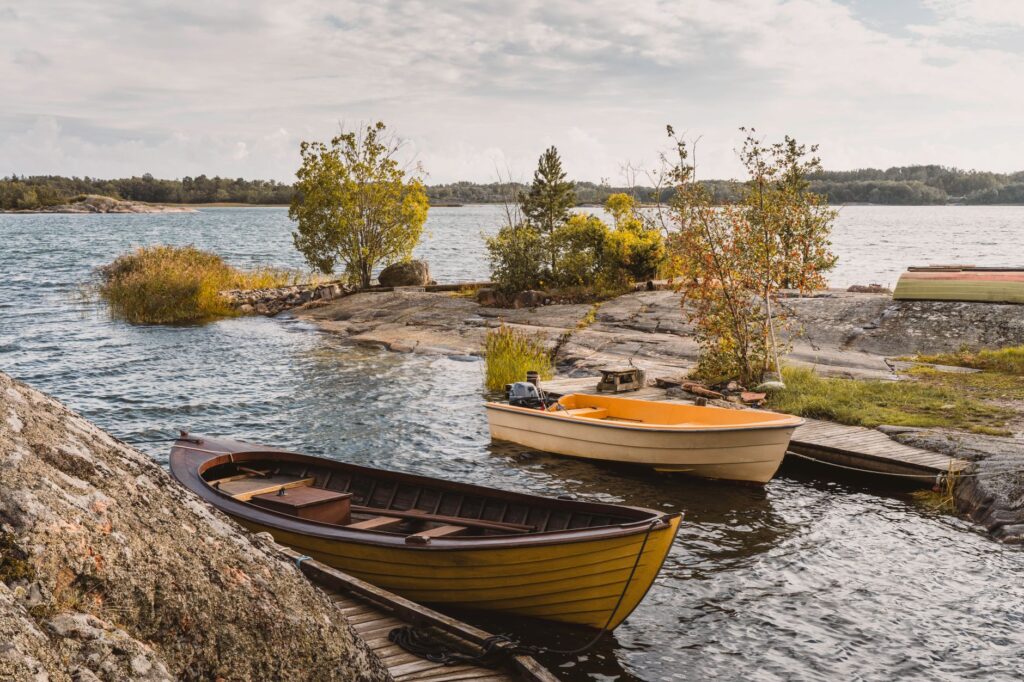
Accommodation and dining: Family-run guesthouses, small eco-hotels certified with the Nordic Swan label, and traditional wooden waterfront cottages predominate. Local gastronomy relies on regional produce: fresh Baltic fish like herring and salmon, wild berries from island forests, and vegetables grown in local microclimates.
The Silent Horizon: Toward a Future of Harmonious Navigation
As the sun slowly descends on the Baltic horizon, tinting the calm waters of the Turku Archipelago in golden and violet hues, the impact of this silent transformation becomes evident in every corner of the landscape. The constant roar of diesel engines that accompanied sunsets at local piers for decades is gone; in its place, the predominant sound is the gentle lapping of water against aerodynamic hulls of electric ferries and the distant murmur of cyclists crossing floating walkways. This acoustic shift is far more than an aesthetic upgrade: it represents the restoration of acoustic peace to an ecosystem that desperately needed to recover its natural balance.
The accumulated experience in these islands proves that transitioning toward truly sustainable mobility in fragmented territories requires no utopian solutions, but a rigorous combination of advanced engineering, respectful design, and, above all, an unwavering commitment to listening to the communities inhabiting the land. The Turku Archipelago thus stands as a beacon of hope for other coastal and island regions worldwide, proving that humanity can connect with the world without breaking the invisible threads sustaining life on Earth.