
The Tug-of-War Between Maritime Economy and Conservation in the Heart of Norway
The Norwegian municipality of Eidfjord finds itself at a historical crossroads. Nestled deep within the Hardangerfjord, this enclave of barely one thousand residents has become the epicenter of a global debate regarding the limits of mass tourism. With cruise ship traffic experiencing a surge of nearly 50%, the town lives under constant pressure from colossal vessels unloading thousands of visitors in a matter of hours. This phenomenon is not isolated; it reflects the chronic tension between the desire for local economic prosperity and the urgent need to safeguard fragile ecosystems that take centuries to recover from human saturation.
The massive influx of passengers raises complex questions about the true carrying capacity of natural destinations. While port authorities and tour operators celebrate record figures as a triumph of post-pandemic recovery and an engine for local commerce, residents and conservation groups watch with growing concern as terrestrial infrastructure wears down and daily life is disrupted. The central question running through this report is whether cruise tourism can truly be sustainable or if the concept is merely a public relations formula to soothe travelers’ consciences.
Extreme Geography and the Vulnerability of the Hardangerfjord
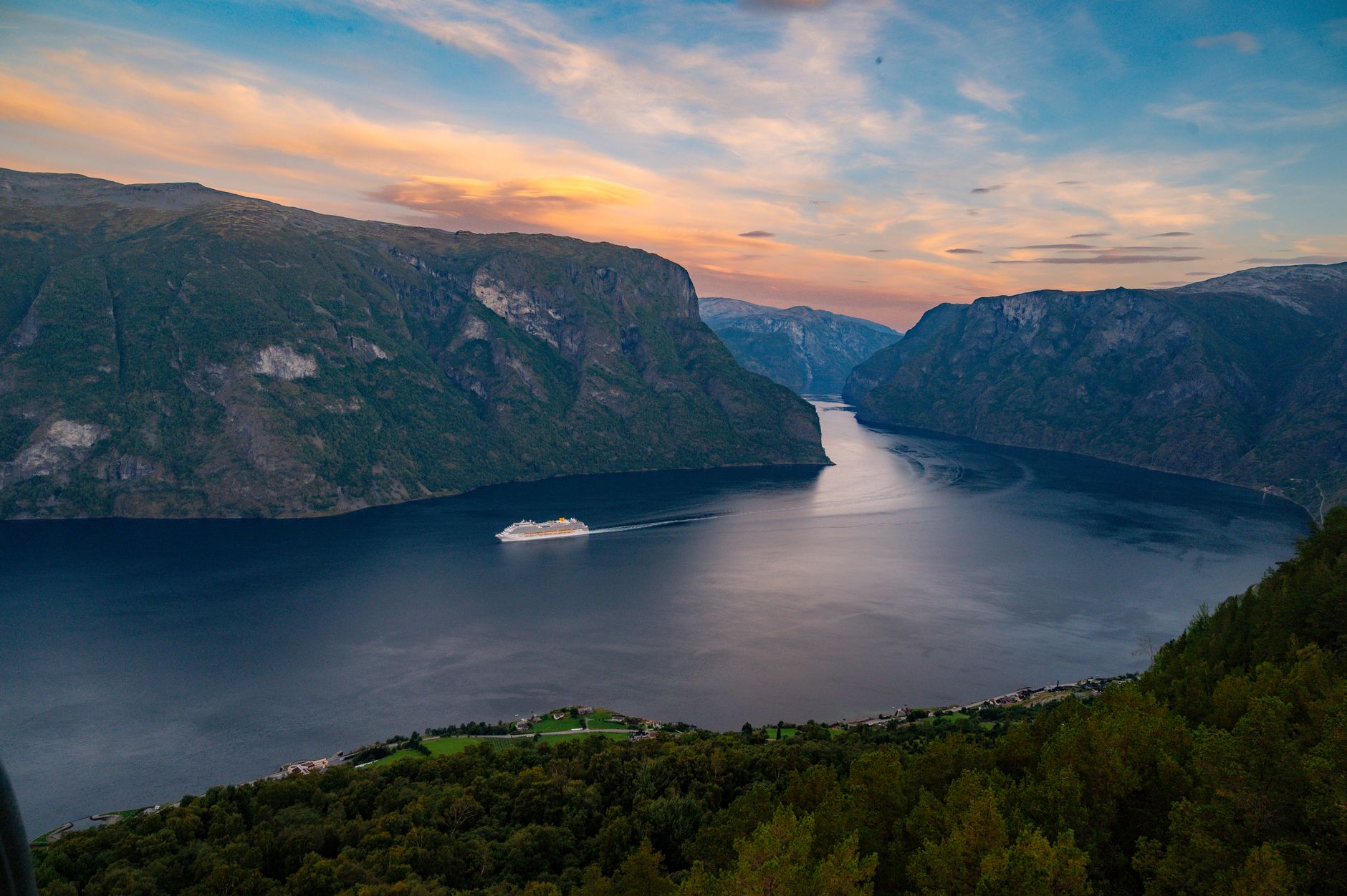
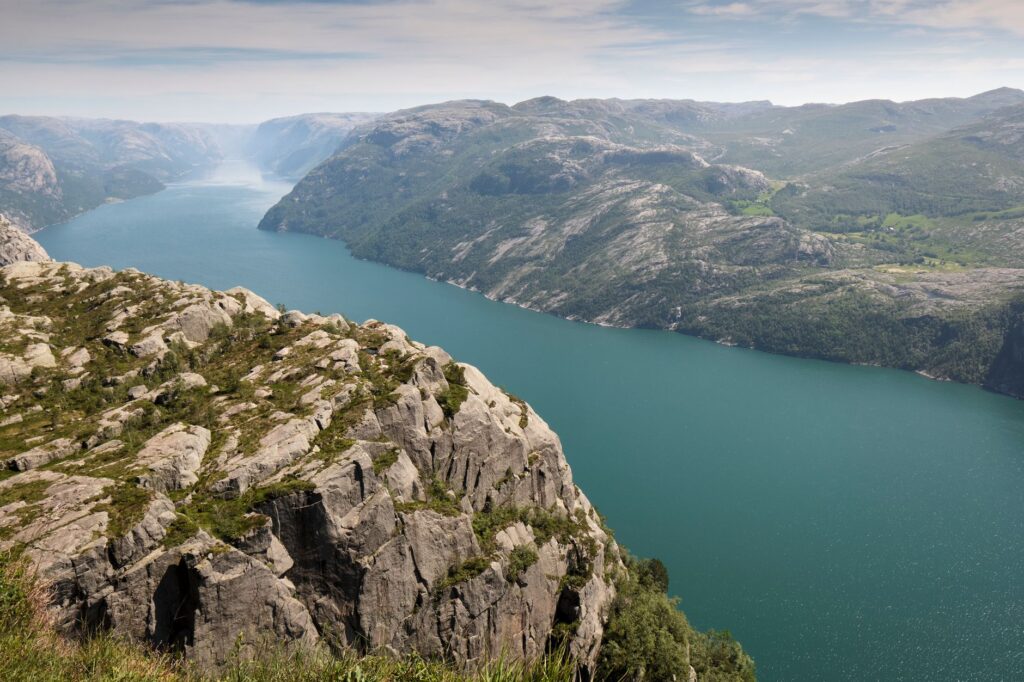
Understanding the scale of the problem in Eidfjord requires a close look at its geography. The Hardangerfjord is a masterpiece of glacial erosion, a submerged canyon flanked by vertical rock walls that rise steeply toward inhospitable plateaus like Hardangervidda. This natural isolation, which protected its communities from overcrowding for centuries, now acts as an acoustic and atmospheric funnel. Emissions from the auxiliary engines of large passenger ships, which often remain docked with power systems running, become trapped between the fjord slopes, degrading air quality in traditionally pristine valleys.
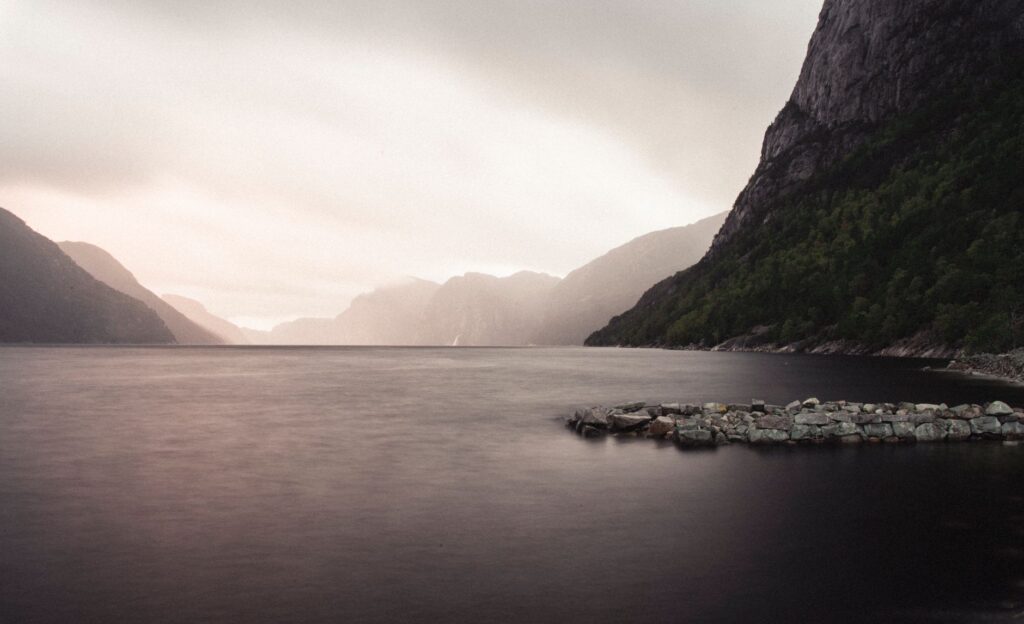
Beyond air pollution, the marine environment suffers invisible yet devastating pressures. Intense maritime traffic increases underwater noise, a critical factor that interferes with the communication and navigation patterns of local fauna, including fish species and marine mammals inhabiting deep waters. Local authorities have begun demanding more rigorous environmental impact assessments, but Norwegian and international legislation often falls short given the speed at which the global shipping industry operates.
The Economic Metamorphosis of an Agricultural Community
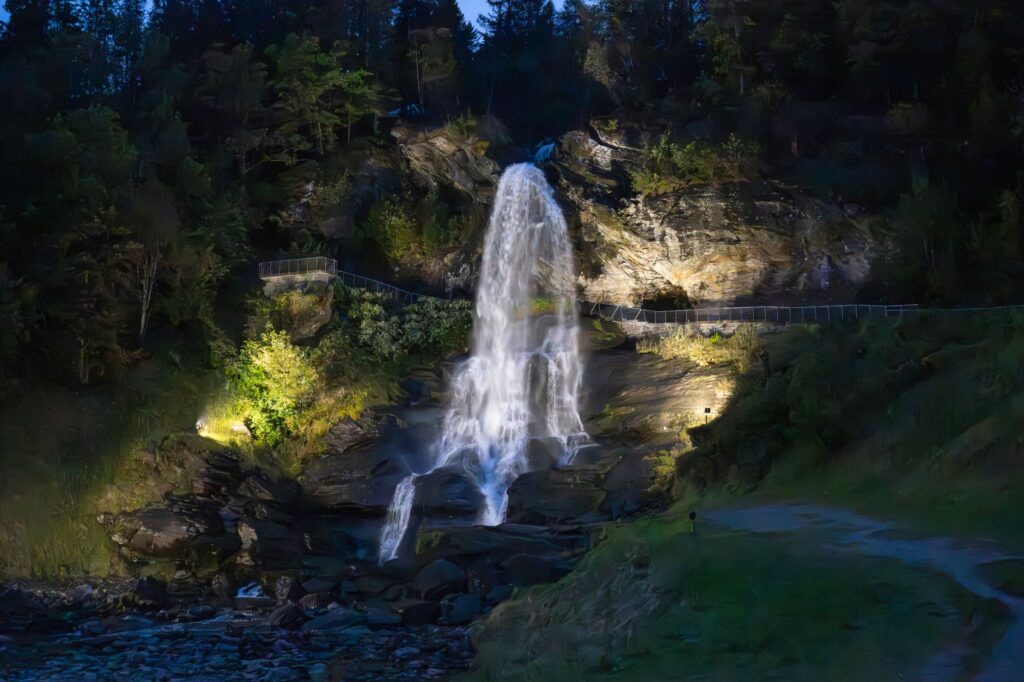
Historically, Eidfjord’s economy relied on mountain agriculture, extensive livestock farming, artisanal fishing, and, moderately, low-impact hiking tourism. The sudden influx of cruise ships has rewritten this productive model. Today, a significant portion of the active population depends directly or indirectly on services geared toward day-trippers: souvenir shops, bus excursions to the famous Vøringsfossen waterfall, and cafes operating at maximum capacity during the summer months.
However, this structural shift generates deep income disparity. The economic benefits of large international operators rarely stay entirely within the municipality; instead, they concentrate in shipping corporations and a small group of local agencies. Meanwhile, the municipal government must bear costly burdens in infrastructure maintenance, waste management, and emergency services. The true price of mass tourism is not reflected in arrival statistics, but in the invisible wear and tear on municipal public services.
Technological Innovation and the Illusion of Port Sustainability
In response to growing criticism, the port of Eidfjord and regional authorities have advanced various initiatives under the umbrella of sustainability. Among the most notable measures are projects to equip docks with shore-power connections (known in the sector as cold-ironing), allowing cruise ships to shut down their main and auxiliary engines while docked, drastically reducing local emissions of carbon dioxide and nitrogen oxides.
Likewise, port tariff systems based on environmental performance have been implemented, rewarding vessels that use cleaner fuels or catalytic reduction technologies. However, experts warn that these technological solutions are insufficient unless accompanied by strict limits on the number of port calls and permitted passengers per day. A ship’s energy efficiency does not offset the colossal impact of disgorging five thousand tourists simultaneously into a village of one thousand souls.

True sustainability is not about cleaning the monster’s exhaust, but about questioning whether the monster has the right to be there in the first place.
Logistical constraints are evident in every corner of the municipality during high season. Secondary roads climbing toward the plateau become congested with fleets of rented coaches, and iconic hiking trails suffer accelerated erosion and waste accumulation. The local administration is torn between fear of losing subsidies and the urgent need to curb runaway growth that threatens to destroy the very authenticity that attracts visitors in the first place.
The Pulse of the Residents: Between Hospitality and Saturation
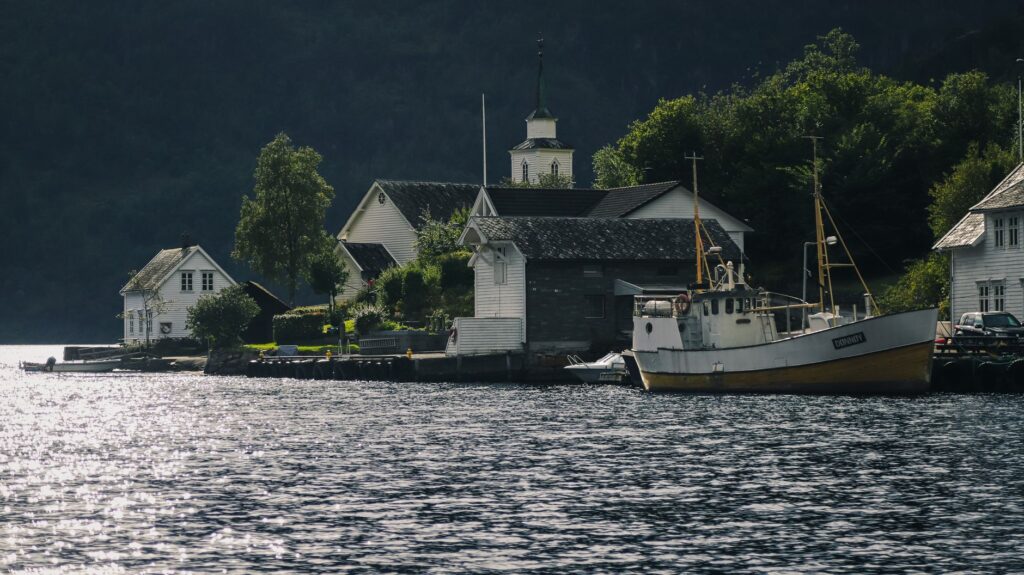
Conversations with Eidfjord residents reveal a divided and reflective society. On one hand, merchants and service providers appreciate the financial boost brought by the tourism season, especially amid rising living costs in Norway. On the other hand, long-term residents decry the loss of summer tranquility, rising housing costs, and the transformation of their home into a seasonal theme park.
This unrest has fueled grassroots movements demanding daily visitor caps and bans on mega-cruise ships exceeding certain lengths. Citizens recall that Eidfjord’s identity is tied to untamed nature and fjord silence, two elements incompatible with tourist overcrowding. Social pressure stands as the primary counterbalance to the economic voracity of the cruise industry.
Toward a New Paradigm of Tourism Management
Eidfjord’s case illustrates a lesson applicable to numerous natural destinations across the planet: unlimited growth in a finite space is an unsustainable contradiction. Local and national public managers are compelled to transition from indiscriminate tourism promotion toward restrictive governance that prioritizes residents’ quality of life and ecosystem integrity over raw visitor volume.
This entails making difficult political decisions, such as placing moratoriums on new port infrastructure for large vessels, promoting more conscious overnight tourism, and discouraging the fleeting-visit model. Preserving the Hardangerfjord is not merely an aesthetic or ecological concern, but an ethical imperative for future generations inheriting this unique landscape.
Protecting a landscape does not mean closing it off to the world, but ensuring the world does not devour it in the attempt to admire it.
Practical guide
Planning a responsible trip to Eidfjord requires understanding local dynamics and adjusting expectations to minimize your ecological footprint in this fragile Norwegian natural environment.
- How to get there: Access is available via public transport from Bergen using long-distance buses or combining rail and ferry routes. The use of rented internal-combustion private vehicles is strongly discouraged if electrical or collective transport alternatives exist.
- When to travel: To avoid peak hours and months of overcrowding caused by large cruise ships, plan your visit during the shoulder months (May or September), prioritizing early morning or late afternoon time slots.
- Where to stay: Choose small family-run hotels, converted local farmsteads offering rural lodging, or campsites holding official eco-certifications and demonstrable waste management practices.
- Code of conduct: Strictly respect the Norwegian principle of allemannsretten (right to public access to nature), which entails leaving no trace, avoiding campfires in unauthorized areas, and maintaining a safe distance from local wildlife.
- Local consumption: Support the municipal economy by purchasing local artisanal goods and dining at restaurants utilizing zero-kilometer ingredients sourced from surrounding valleys.
Visual and Human Epilogue on the Fjord
As the sun begins to dip behind the snow-capped peaks of the Hardangerfjord and the last cruise ship of the day weighs anchor to slip out to sea, Eidfjord momentarily regains its unhurried, ancestral pulse. In that evening silence, as the crisp glacier breeze ripples the dark fjord waters, an inescapable certainty lingers. The true wealth of this corner of Norway does not reside in passenger logs announced in port bulletins, but in its people’s capacity to defend the fragile balance of a land that refuses to be devoured by its own success.
Source: Data Portuaria (https://news.google.com/rss/articles/CBMiuAFBVV95cUxQMUNWdjNfM2Eycm93OG04Z0UtQU1TXzNHV01FRlJXV0RkU3hUcVN3SnNOc21kWlJ6TjZFdmVoQmhrZUJxTzlKZGNUeHc5TjFtT1pCc25pSkJiMktITHA2MWlQY2JGaXJOODctRjhfMWE1anhlb2huSHh5OHVXcTJsRmZvV3NHdXc3U3YzOUppUXZDVjJROUEzQWJERFZNR2FXdTJ2WkgzNDh0dTRyQ2NvYVprTkdwNE0w?oc=5)