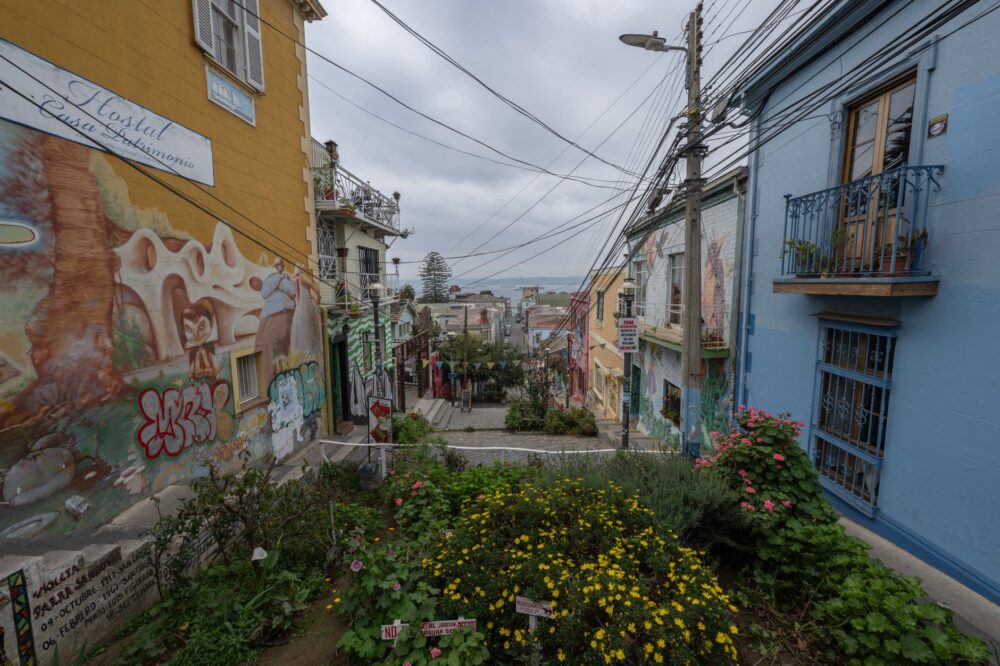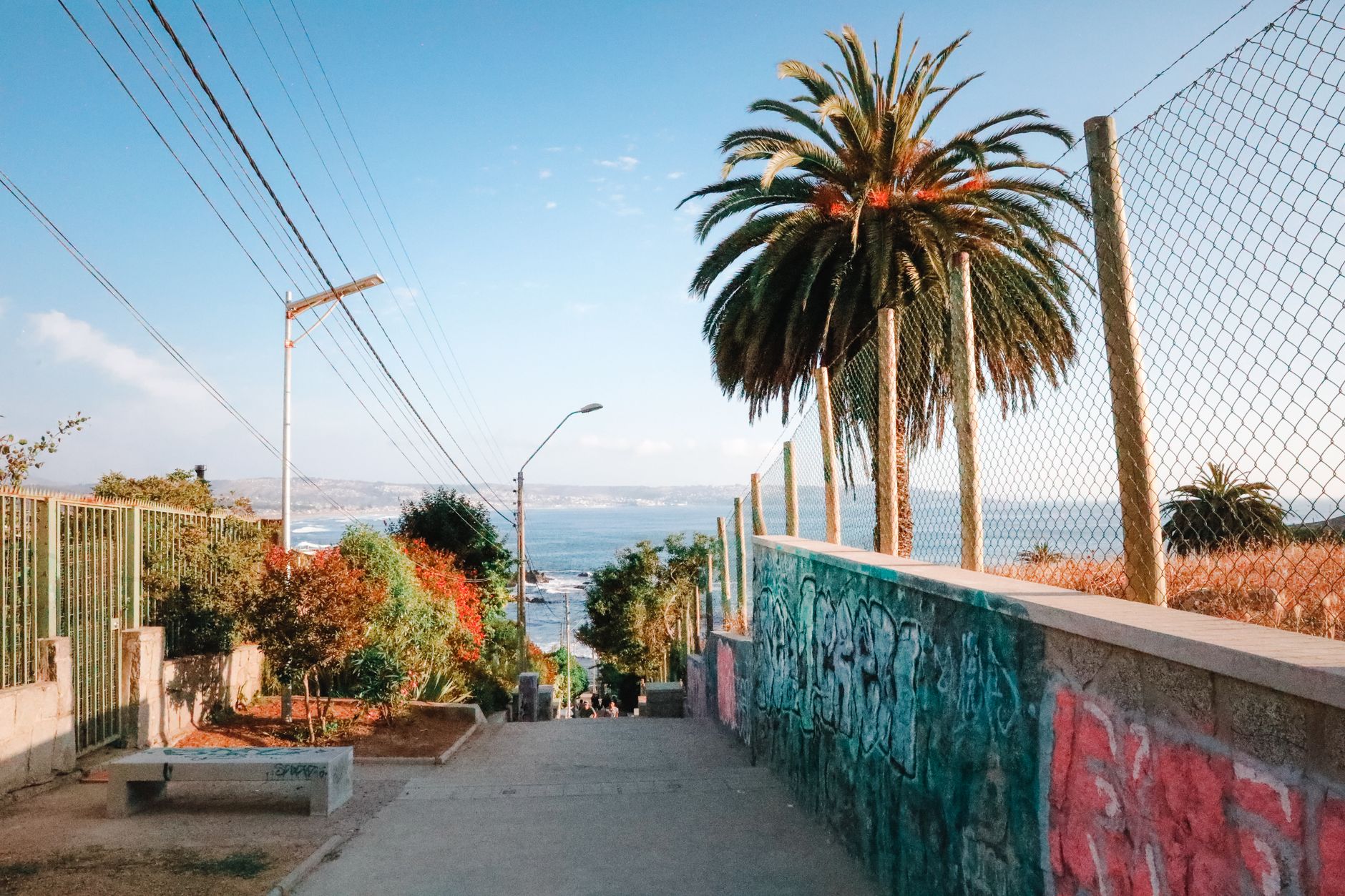

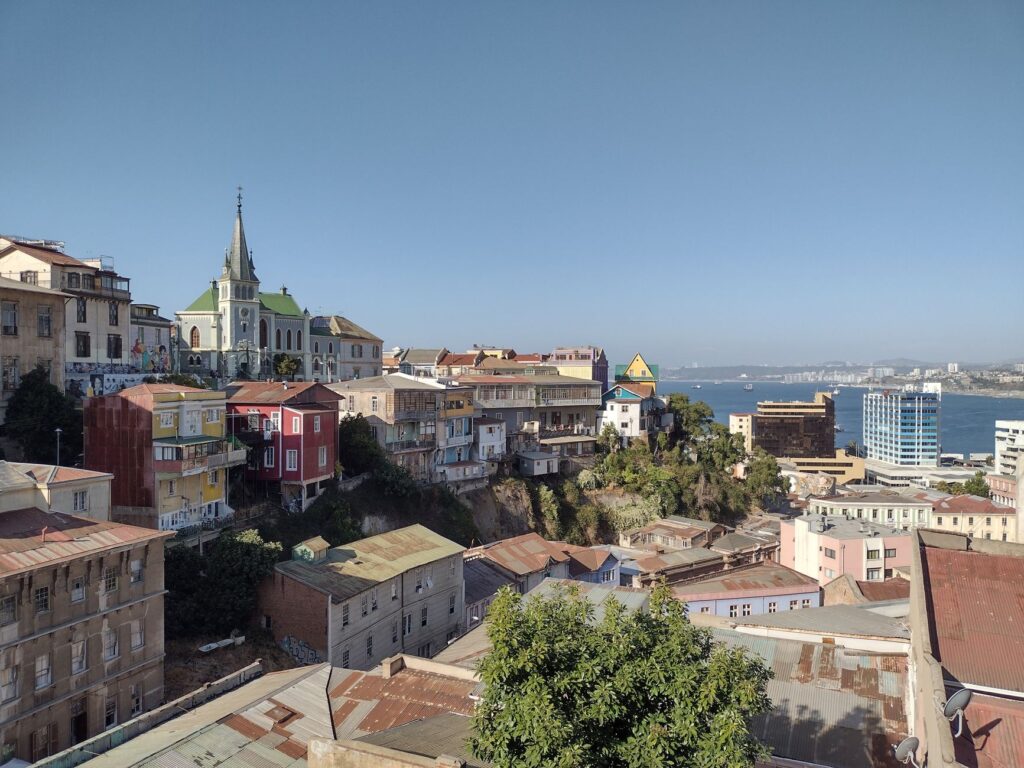
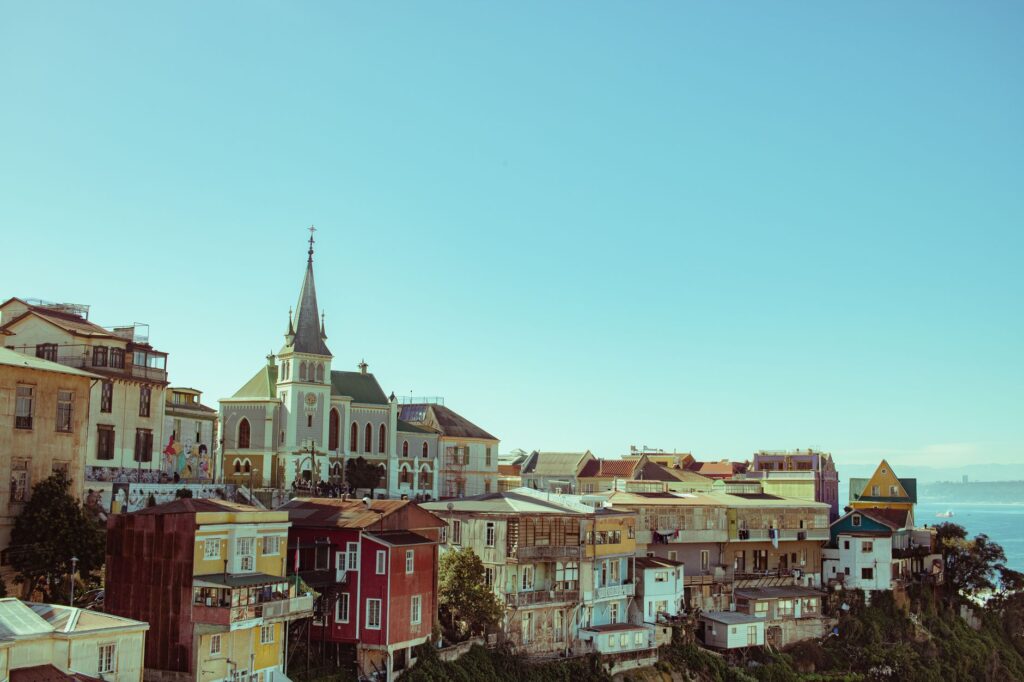
Valparaíso is not a city for those who seek the aesthetic perfection of order; it is for those who find beauty in the choreographed chaos of its hills. In this natural amphitheater facing the Pacific, where colorful houses seem to hang by invisible threads and century-old funiculars defy gravity, Cerro Alegre has historically stood as the epicenter of bohemian life and British-influenced architecture. However, after years of economic and social shifts, the neighborhood is currently experiencing a silent but powerful rebirth—one driven not by large corporations, but by the conviction of local creators who have chosen to invest in the territory through the senses. At the heart of this movement is El Terrat, a project led by Roberto Vásquez that has transformed a privileged rooftop into a laboratory of local identity.
Vásquez’s proposal is more than just gastronomic; it is an act of faith in a city that often feels overlooked by the capitals of progress. Climbing the steps that lead to his terrace, visitors leave the bustle of the lower city behind to enter a space where time dilates between glasses of Casablanca Valley wine and dishes that narrate the history of the Chilean coast. This report explores how signature cuisine has become the most effective tool for reclaiming public spaces and rebuilding the social fabric in one of South America’s most iconic corners.
The Geography of Flavor: Cerro Alegre as a Culinary Canvas
Cerro Alegre is, by definition, a place of encounters. Here, the heritage of 19th-century European immigrants merges with the vibrant culture of contemporary street art. Walking through its streets means stumbling upon history at every corner, but also facing the fragility of a heritage that demands constant care. Roberto Vásquez understood that for the neighborhood to truly thrive again, it needed anchor points that offered more than just a panoramic view; it needed a narrative that connected the palate with the landscape. El Terrat was born under this premise, using elevation not just to gaze at the sea, but to raise the standard of what it means to dine in Valparaíso.
The architecture of the venue respects the port’s verticality. Open spaces allow the sea breeze to circulate, integrating the climate into the sensory experience. It is not uncommon for the camanchaca—the thick coastal fog that sometimes blankets the city—to become an additional guest, providing an atmosphere of mystery that only Valparaíso can offer. In this context, gastronomy becomes an extension of urbanism: every dish served is another brick in the reconstruction of both tourist and local confidence.
«Cooking in Valparaíso is an exercise in resilience; every ingredient that reaches the table has had to climb the same hills as our ancestors, carrying the weight of the port’s history.»
The rebirth of the hill has not been a random process. It has required organic coordination between boutique hostels, art galleries, and restaurants sharing a common vision: quality over mass appeal. Roberto Vásquez has been a key figure in this ecosystem, promoting a network of local suppliers that ensures the economic benefits of tourism remain in the hands of those who inhabit the area. From the fishermen at Caleta Portales to the small-scale winemakers in the nearby hills, everyone is part of the machinery that makes El Terrat function.
Roberto Vásquez: Architect of a New Port Cuisine
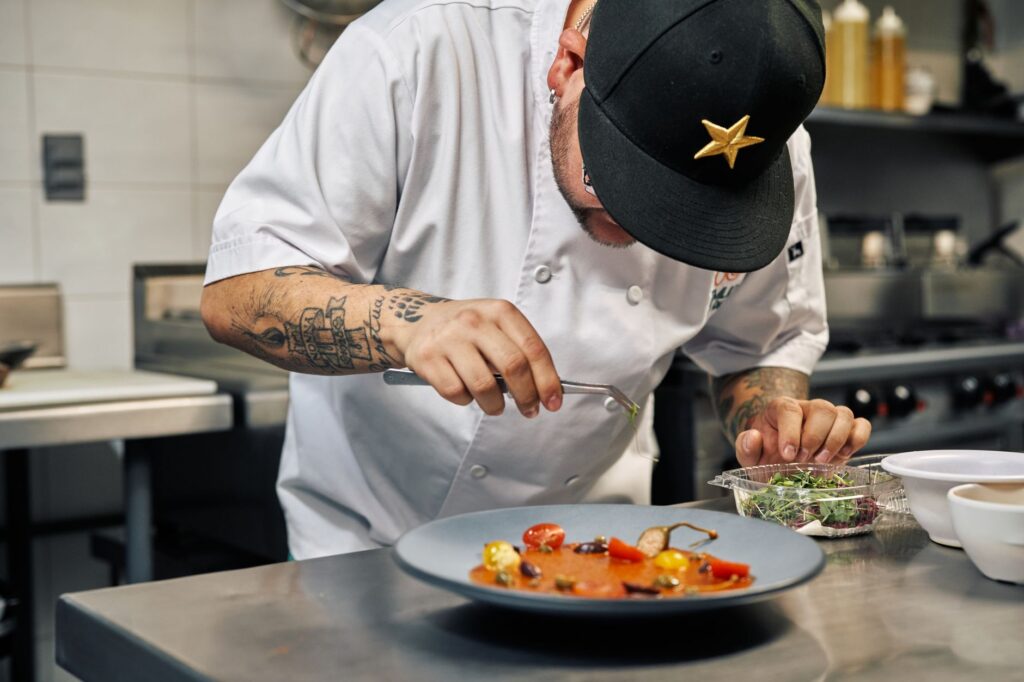
Behind every great project lies an unbreakable will, and in the case of El Terrat, that will has a name. Roberto Vásquez does not see himself merely as a chef, but as a cultural manager using food as a language. His career is marked by a pursuit of technical excellence without losing sight of popular roots. In his dishes, it is possible to find the sophistication of international cuisine applied to products that, until recently, were considered merely basic or for subsistence.
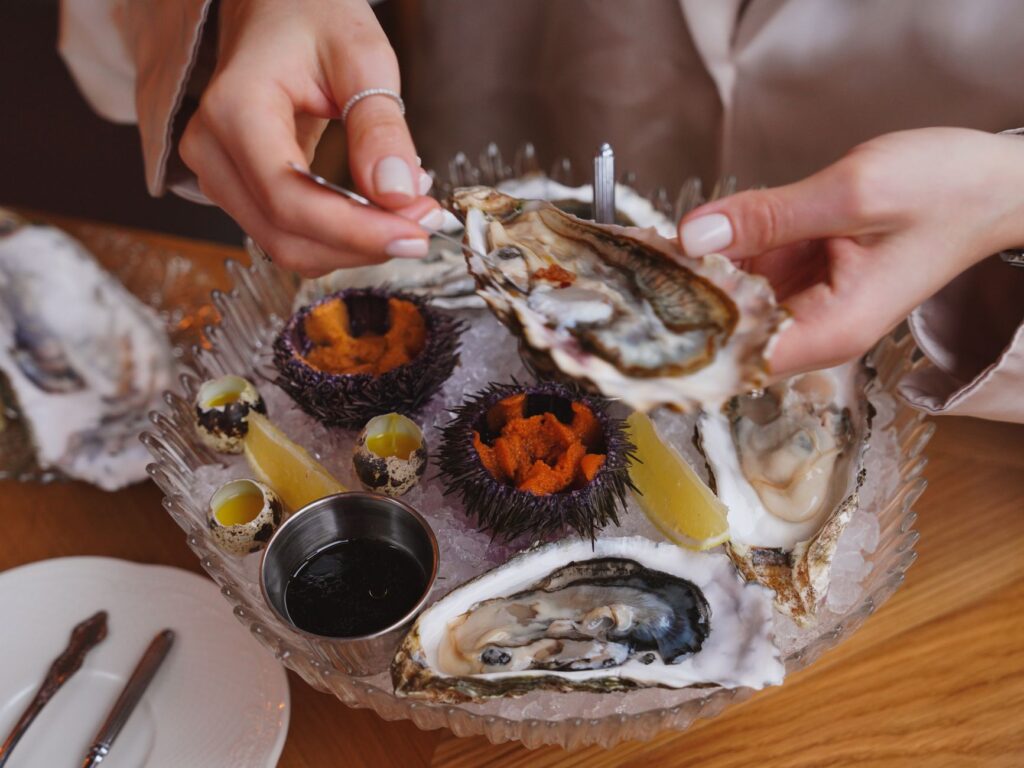
Vásquez spends much of his time on field research. It is not unusual to see him at the morning markets, personally selecting the sea urchins, clams, and conger eel that will star in the day’s menu. His philosophy is based on absolute respect for seasonality, which demands constant creativity. At El Terrat, the menu is a living document that changes with the tides and harvests, reflecting the honesty of a cook who refuses to take industrial shortcuts.
Roberto’s influence on Cerro Alegre extends far beyond the kitchen fires. He has become a mentor for new generations of cooks who see his success as a real possibility for professional development in the region. His pedagogical approach and openness to dialogue have allowed El Terrat to be perceived not as an exclusive venue, but as a beacon of inspiration for the community. High-altitude gastronomy here refers not only to the physical location of the restaurant but to the elevation of the craft to an artistic and social category.
The Pacific Pantry: From Ocean to Table in Minutes
Chile possesses one of the richest coastlines on the planet, and Valparaíso is its primary port. Paradoxically, however, for decades the local culinary offering was limited to traditional preparations that did not always exploit the full potential of the raw materials. El Terrat has broken this inertia, treating marine products with almost surgical delicacy. Rockfish, often ignored by large-scale industry, find a place of honor here, prepared with techniques that highlight their natural texture and flavor.
The use of seaweeds like cochayuyo or luche in fine dining preparations is another hallmark of the proposal. What was once seen as the food of poverty is now presented in emulsions, crisps, and reductions that surprise the most demanding palates. This revaluation of local ingredients is fundamental to the project’s sustainability, as it reduces the carbon footprint and supports the marine biodiversity of central Chile.
- Rock Shellfish: Artfully harvested in the intertidal zones near the port.
- Cool-Climate Wines: A curated selection of white varieties and light reds from the Casablanca and San Antonio Valleys.
- Dryland Vegetables: Products grown in the rural areas of the Valparaíso region, with flavor concentrated by water scarcity.
- Regional Olive Oils: Sourced from inland valleys, providing a unique herbaceous note to the preparations.
The relationship with wine is another fundamental pillar. Valparaíso is the gateway to some of the country’s most important wine valleys. At El Terrat, sommelier service is not an accessory but an integral part of the dish’s design. The acidity of a coastal Sauvignon Blanc or the structure of a local Pinot Noir is used to balance the richness of oily fish and the intensity of shellfish, creating a harmony that celebrates the territory in its entirety.
Social Impact: Gastronomy as a Driver of Urban Change
When a restaurant like El Terrat establishes itself and prospers, the immediate environment begins to transform. Lighting improves, security increases organically through the flow of people, and neighboring buildings are incentivized to restore their facades. This phenomenon, known as urban acupuncture, proves that investment in culture and gastronomy can be much more effective than rigid state plans. Cerro Alegre has seen abandoned locales turn into design studios or specialty coffee shops, creating a virtuous cycle of development.
Local employment is another determining factor. Most of the staff at El Terrat come from the hills of Valparaíso themselves. This not only generates income for local families but also instills a sense of pride and belonging. When a server explains the origin of an ingredient with firsthand knowledge, they are transmitting the identity of their own land, elevating the customer experience to a much deeper human level.
«We don’t just sell food; we offer a different perspective of Valparaíso, one where excellence and history meet to look toward the future.»
However, this growth is not without its challenges. Gentrification is a latent risk that Roberto Vásquez and his colleagues attempt to mitigate by maintaining a real connection with the neighbors. El Terrat actively participates in neighborhood fairs and community activities, ensuring that the «rebirth» of the hill does not mean the displacement of its historic inhabitants, but rather their integration into a new era of shared prosperity.
Technique and Memory: The Art of Plating Nostalgia
Every dish at El Terrat is a visual composition that plays with the textures and colors of the port. The use of artisanal tableware, often created by local potters, reinforces the idea that everything surrounding the food has a story to tell. Vásquez’s technique is impeccable, inherited from years of training and experimentation, but he never allows artifice to overshadow the primary flavor of the ingredient. There is a constant search for «emotional memory»: flavors that recall grandmother’s cooking but are presented with a contemporary aesthetic.
An example of this is his interpretation of traditional seafood stews and chupe. While the base respects slow cooking times and traditional sautés, the presentation and side dishes introduce elements of surprise, such as aromatic foams or edible «soils» that evoke the ground of the hills. It is a cuisine that invites reflection, asking to be consumed without haste while observing how the sunset light changes the colors of the houses visible from the terrace.
Innovation also reaches the cocktail bar. El Terrat has developed a line of signature drinks using national spirits combined with wild herbs gathered from Valparaíso’s ravines. The result is a liquid offering that is as complex and fascinating as the solid one, allowing the rooftop experience to extend late into the night under the starry sky of the Southern Hemisphere.
Practical Guide
For those wishing to experience El Terrat and explore the rebirth of Cerro Alegre, it is essential to plan your visit in advance, especially during weekends. Valparaíso is a city best explored on foot, but it requires comfortable footwear to handle its slopes and stairs.
Location and Reservations: The restaurant is located in the heart of Cerro Alegre. It is recommended to book through their digital platform or official social media, as capacity is limited to ensure a personalized experience. Tables with a direct view of the port are the most requested, especially during sunset hours.
How to get there: The most authentic way to access the hill is by using the El Peral Elevator, which connects Plaza Sotomayor with the Juglarvis Walk. From there, a short walk through mural-filled streets will lead you to El Terrat. If you prefer vehicular transport, ride-sharing services and taxis are well-acquainted with the hill’s intricate network of streets.
Best time to visit: While Valparaíso has a special charm year-round, spring (September to November) and autumn (March to May) offer pleasant temperatures and a golden light ideal for photography. In winter, the atmosphere is more intimate and melancholic, perfect for enjoying the menu’s hearty stews.
Additional recommendations: Combine your lunch or dinner with a walk through the Yugoslavo and Atkinson Promenades. Don’t forget to bring a light jacket, even in summer, as the Pacific wind tends to cool the port nights quickly.
The Sunset as a Promise of the Future
As the sun begins to descend over the Pacific horizon, Valparaíso transforms. The lights of the ships in the bay begin to twinkle, and the windows of the hills light up one by one, creating the effect of a giant nativity scene. In that moment, from the terrace of El Terrat, one understands the true value of Roberto Vásquez’s work. It is not just about commercial success, but about the recovery of hope in a city that has known how to reinvent itself a thousand times.
The rebirth of Cerro Alegre is a testament to the fact that culture, when taken seriously and linked with excellence, has the power to heal territories. El Terrat is, ultimately, a sanctuary for the senses and a starting point for those who wish to discover a Valparaíso that, far from static postcards, vibrates with renewed energy. At the end of the night, what remains is not just the memory of an exquisite flavor, but the feeling of having witnessed a fundamental chapter in the modern history of this untamable port.