
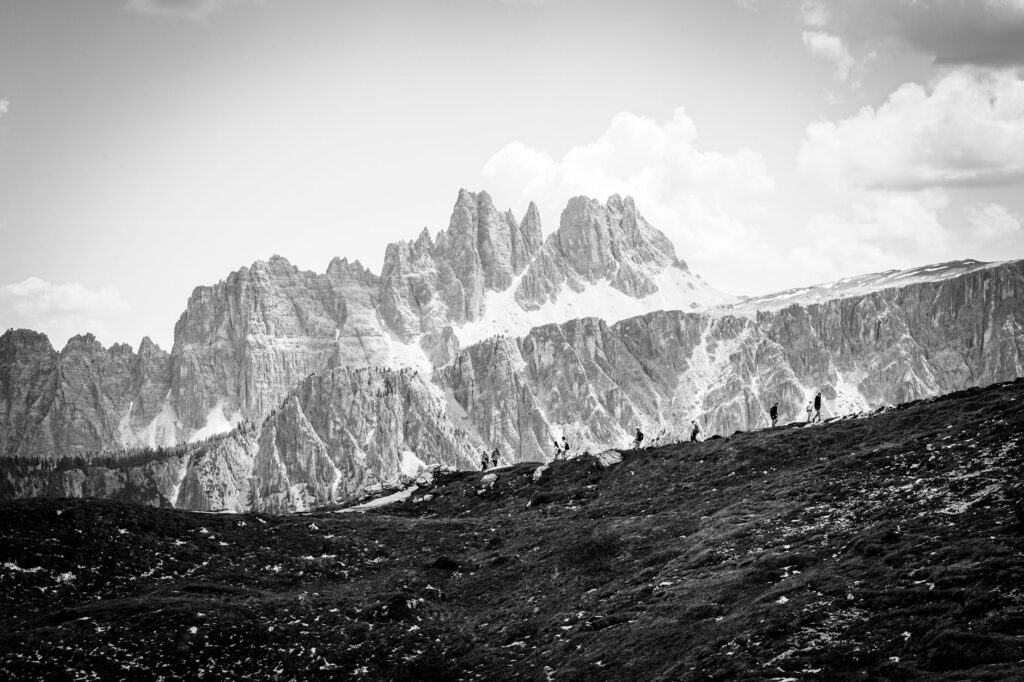
There are places on the European map where geology seems to have been sculpted with deliberate intent, a monumental caprice that defies the logic of terrestrial erosion. The Dolomites, recognized as a UNESCO World Heritage site, offer far more than a conventional alpine landscape; their uniqueness lies in the composition of their rock—dolomite, a double carbonate of calcium and magnesium that catches the fading evening light and transforms it into a blazing spectacle of pinks, mauves, and oranges. This phenomenon, known locally as enrosadira, sets the rhythm of life in the valleys of northern Italy, where the novice traveler soon discovers that the mountain is not merely a static backdrop, but a living organism breathing in sync with the seasons.
Approaching this territory for the first time requires shedding urban haste and embracing a vertical geography where distances are measured not in kilometers, but in elevation gains and hiking hours. From the verdant valleys of Val Gardena and Alta Badia to the imposing summits of the Tre Cime di Lavaredo, every corner of this alpine stronghold intertwines Ladin cultural heritage with a tradition of respectful mountaineering. This feature approaches the experience from the perspective of the curious walker, one who seeks to understand the complex interaction between wild nature and the communities that have inhabited these dizzying heights for centuries.
Dawn Across the Vertical Walls
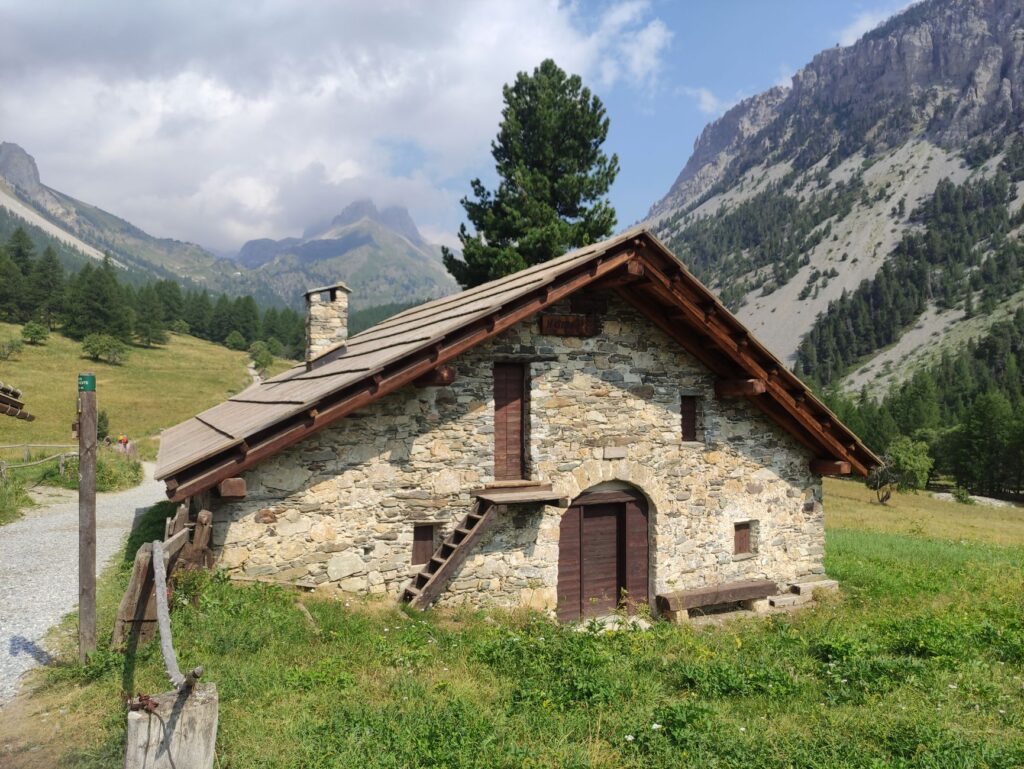
The day in the Dolomites begins long before the sun warms the high-altitude pastures. In traditional mountain huts, known as rifugi, the dawn silence is broken only by the distant murmur of ridge winds and the occasional call of alpine choughs. Gazing out the window of one of these stone-and-timber structures perched above two thousand meters is an initiation into the true scale of the range. The vertical walls rise like mute cathedrals, bearing witness to a remote past when these peaks formed part of coral reefs submerged beneath a tropical sea.
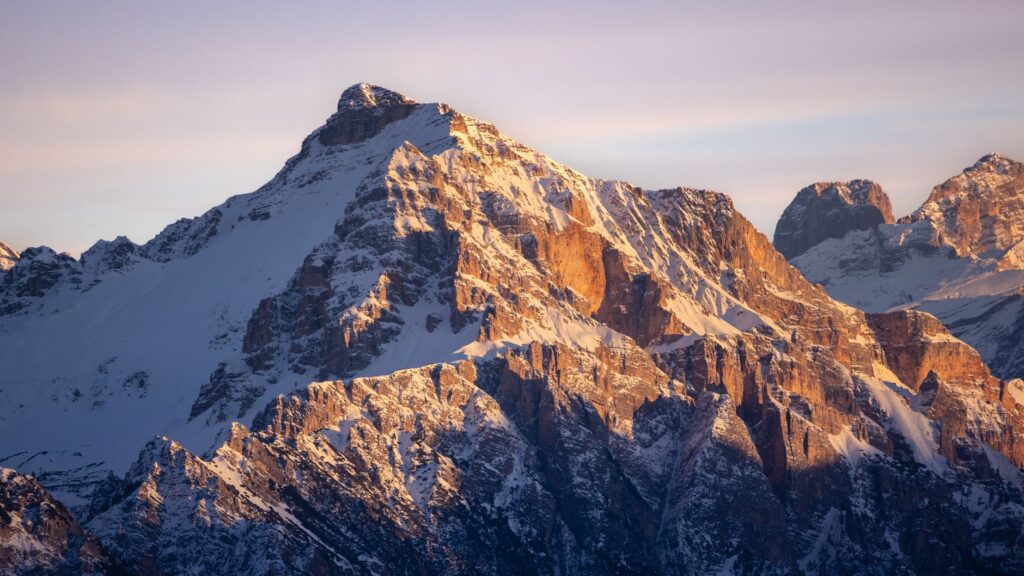
The contrast between emerald meadows, bursting with wildflowers during the summer months, and the raw mineral austerity of the rock creates an unmatched chromatic palette. Photographers and naturalists wake early to capture the first horizontal rays of light, but the true value of this moment lies in the atmosphere of introspection it fosters. Here, nature imposes a meditative rhythm that effortlessly disarms daily urgencies.
The Cultural Footprint of a People Between Peaks
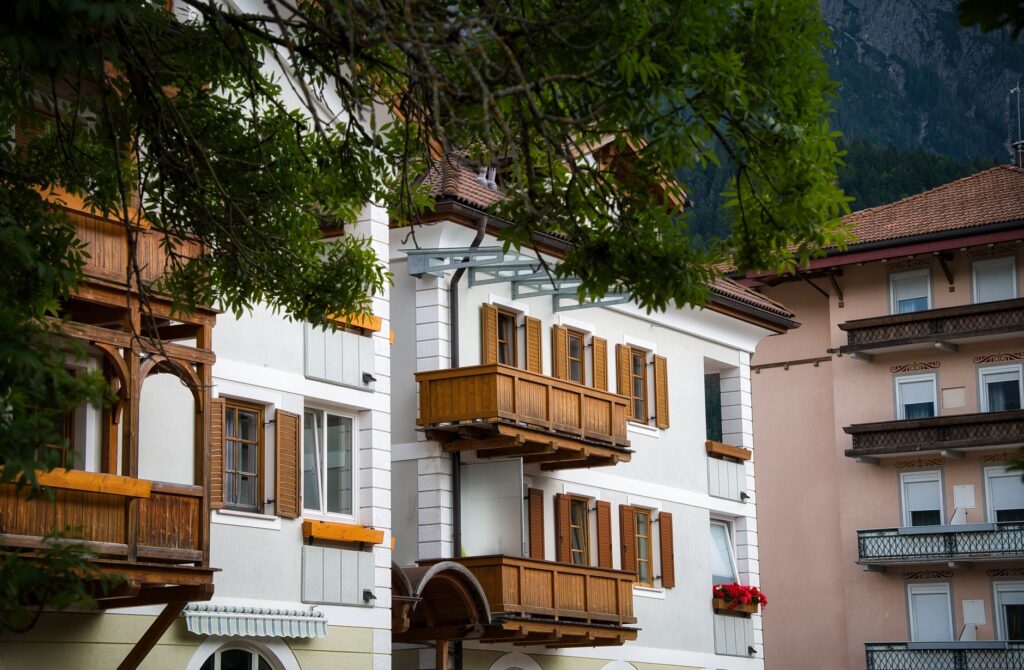
Venturing into the Dolomitic valleys means crossing an invisible border where Italian and German coexist with Ladin, a Rhaeto-Romance language that survives thanks to the historical isolation of these communities. The villages of this region are far more than scenic tourist postcards; they maintain a distinct rural architecture characterized by large timber-and-stone farmhouses adorned with religious frescoes and balconies overflowing with red geraniums.
Local gastronomy reflects this crossroads of Central European and Mediterranean influences. In mountain taverns, comforting dishes such as canederli—bread, speck, and spinach dumplings—or casunziei—half-moon ravioli filled with beetroot and dressed with noisette butter and poppy seeds—tell the story of a subsistence economy now transformed into high-altitude fine dining. High-pasture dairy products, crafted in small artisan cheesemongers, complete a sensory map that explains the territory as eloquently as its summits.
The mountain is never truly conquered; it is traversed with the humility of those who know they are provisional guests in a realm of stone and wind.
Iron Paths and Historical Memory
The rugged relief of the Dolomites has not only attracted alpinists seeking athletic challenges, but has also served as a theater of war. During the First World War, these jagged peaks formed the harsh high-mountain front line between the Italian and Austro-Hungarian armies. Today, hiking trails frequently cross the remnants of trenches, tunnels carved directly into living rock, and military fortifications that bear witness to a turbulent past.
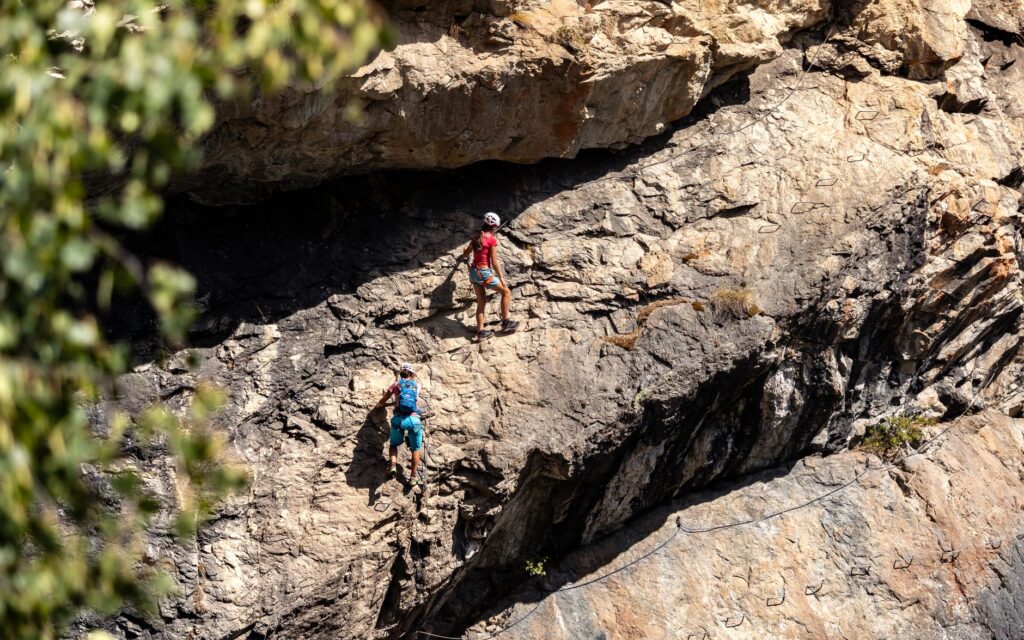
Many modern via ferratas—equipped routes featuring steel cables, ladders, and metal rungs—originated from those wartime infrastructures later adapted for recreational mountaineering. Navigating these airy ledges requires specialized technical gear and solid physical preparation, yet it grants a profound perspective on how humanity has challenged gravity to forge communication routes through seemingly impenetrable terrain.
Water as the Sculptor of the Landscape
Beneath the massive limestone blocks, water plays a fundamental role in shaping the Dolomitic landscape. Glacial lakes, renowned for their crystalline turquoise and emerald waters, act as giant mirrors reflecting the jagged silhouettes of the peaks. Lake Carezza and Lake di Braies stand as remarkable examples of how the summer melting of snowfields feeds protected basins bordered by dense spruce and larch forests.
Strolling along the shores of these mirrors of water at dusk, when daytime visitor numbers dwindle, allows visitors to appreciate the aquatic and forest biodiversity of the natural park. Local conservation associations work tirelessly to regulate access to these fragile enclaves, promoting public transport use and limiting the impact of mass tourism to preserve ecological balance.
Life in the High-Mountain Refuges
An initiation journey to the Dolomites would remain incomplete without spending at least one night in a mountain refuge. These establishments, often managed by local families or sections of the Italian Alpine Club (CAI), offer far more than a simple place to eat and sleep; they function as communal hubs where hikers from all over the world share experiences, maps, and weather forecasts around a shared dining table.
Hospitality in these shelters is direct and sincere. There are no superfluous luxuries, only comfortable bunks, wood-burning stoves, and hearty meals prepared with locally sourced ingredients. As night falls, the complete absence of light pollution transforms the outdoor sky into a natural astronomical observatory, where the Milky Way etches itself with startling clarity against the dark summits.
The true luxury of the high mountains lies not in material comforts, but in absolute silence and the contemplation of an endless horizon.
Practical guide
Planning a first visit to the Dolomites requires careful consideration of seasonality and the geographical specifics of the region. The optimal hiking season extends from late June through September, when the trails are clear of snow and refuges remain fully operational.
Getting there: The most convenient international airports are Venice, Verona, and Innsbruck (Austria). From any of these hubs, renting a car offers the most practical flexibility for navigating between the various valleys and trailhead starting points.
Accommodation: Booking months in advance is essential if you plan to stay in high-demand refuges along iconic routes such as the Alte Vie. In the valleys, lodging ranges from traditional family-run guesthouses to design hotels focused on alpine wellness.
Equipment: High-mountain weather is notoriously variable. Technical layered clothing, trekking boots with high-traction soles, telescopic poles, high-SPF sun protection, and a quality waterproof jacket are absolute must-haves.
Sustainability: Respect protected flora, carry all waste back down with you, and use designated water sources. Utilizing shuttle buses in high-traffic valleys helps safeguard the delicate alpine ecosystem.
The Distant Echo of Pink Stone
As the journey draws to a close and the traveler begins the descent toward the plains of the Veneto or Trentino, the impression left by the Dolomites does not easily fade. The memory retains the rough texture of the dolomite rock, the scent of larch forests after rain, and, above all, the sensation of having shared time suspended between earth and sky. It is not merely about having summited peaks or walked photogenic valleys, but about having tuned into a way of being where nature sets the rules and human beings rediscover their own proper scale.
The mountain remains there, steadfast and serene, waiting for future generations of walkers to raise their eyes once more toward its walls set ablaze by the setting sun. And the traveler returns to daily routine with the quiet certainty that, somewhere in the eastern Alps, the stone holds the silent memory of their passage.
Source in: Condé Nast Traveler España