
The Transformation of the Contemporary Traveler Facing Metropolitan Costs
The act of traveling through the grand metropolises of the American continent has left behind the era of unorganized impulse, entering a territory where logistical precision defines the quality of the experience. Today, navigating the most influential urban centers in the United States and Canada requires not only anthropological curiosity and aesthetic sensitivity, but also a rigorous financial strategy that allows access to the vast cultural and monumental offerings without incurring budgetary imbalances. Contemporary cities function as complex and costly ecosystems, where every museum, observation deck, and iconic attraction demands a significant financial contribution that, accumulated over an extended stay, can compromise the viability of the trip.
Faced with this panorama, the cultural tourism industry has developed mechanisms for unification and tiered access aimed at democratizing major institutions without eroding their operational sustainability. Far from constituting simple commercial discount tools, comprehensive tourism passes represent a paradigm shift in how visitors relate to the urban territory. By grouping multiple points of interest under a single access key, these formulas modify the psychology of the traveler: they transform fragmented visits into coherent itineraries and stimulate the exploration of spaces that might otherwise be neglected due to economic barriers. This phenomenon is significant; in a global context where cultural access risks becoming a prohibitive luxury, understanding structured savings mechanisms is an indispensable competency for any contemporary traveler.
The Invisible Architecture of Metropolitan Passes
To understand how subsidized access systems operate in cities like New York, Chicago, San Francisco, or Toronto, it is necessary to analyze the economic infrastructure underpinning them. These programs operate through strategic alliances between local administrations, tour operators, and cultural institutions themselves. By committing a predictable volume of visitors, entities manage to stabilize their income streams throughout the seasons, while travelers obtain substantial fare reductions, often ranging from a minor fraction to half the total cost of individual tickets. This symbiotic relationship translates into an optimization of both time and monetary resources.
However, choosing an urban pass should never be approached with improvisation. The diversity of options currently available on the market—ranging from cards valid for consecutive days to modalities based on selecting a specific number of attractions—requires prior analysis of personal travel rhythms and urban geography. The real value of any savings tool lies in its perfect alignment with the cultural priorities of the visitor, rather than the sheer number of places visited in record time. Itinerary saturation is the most frequent error among those attempting to maximize the economic return of their investment, sacrificing leisurely contemplation in favor of a frantic accumulation of tourist stamps.
True sophistication in urban travel does not consist in spending less by rushing, but in investing wisely to unravel the cultural essence of each metropolis without urgency.
Geographies of Wonder: Nature and Architecture in North American Metropolises
The appeal of North America’s major cities lies not only in their universal art museums and dense institutional history, but in the unique confluence between surrounding nature and the audacity of civil engineering. From skyscrapers defying verticality in Manhattan’s financial heart to natural viewpoints embracing the San Francisco Bay, the urban landscape is composed of extraordinary visual contrasts. Integrating visits to these spaces within a unified access strategy allows travelers to contemplate the metropolis from multiple perspectives, alternating the bustle of commercial streets with the serenity of urban parks and oceanfronts.
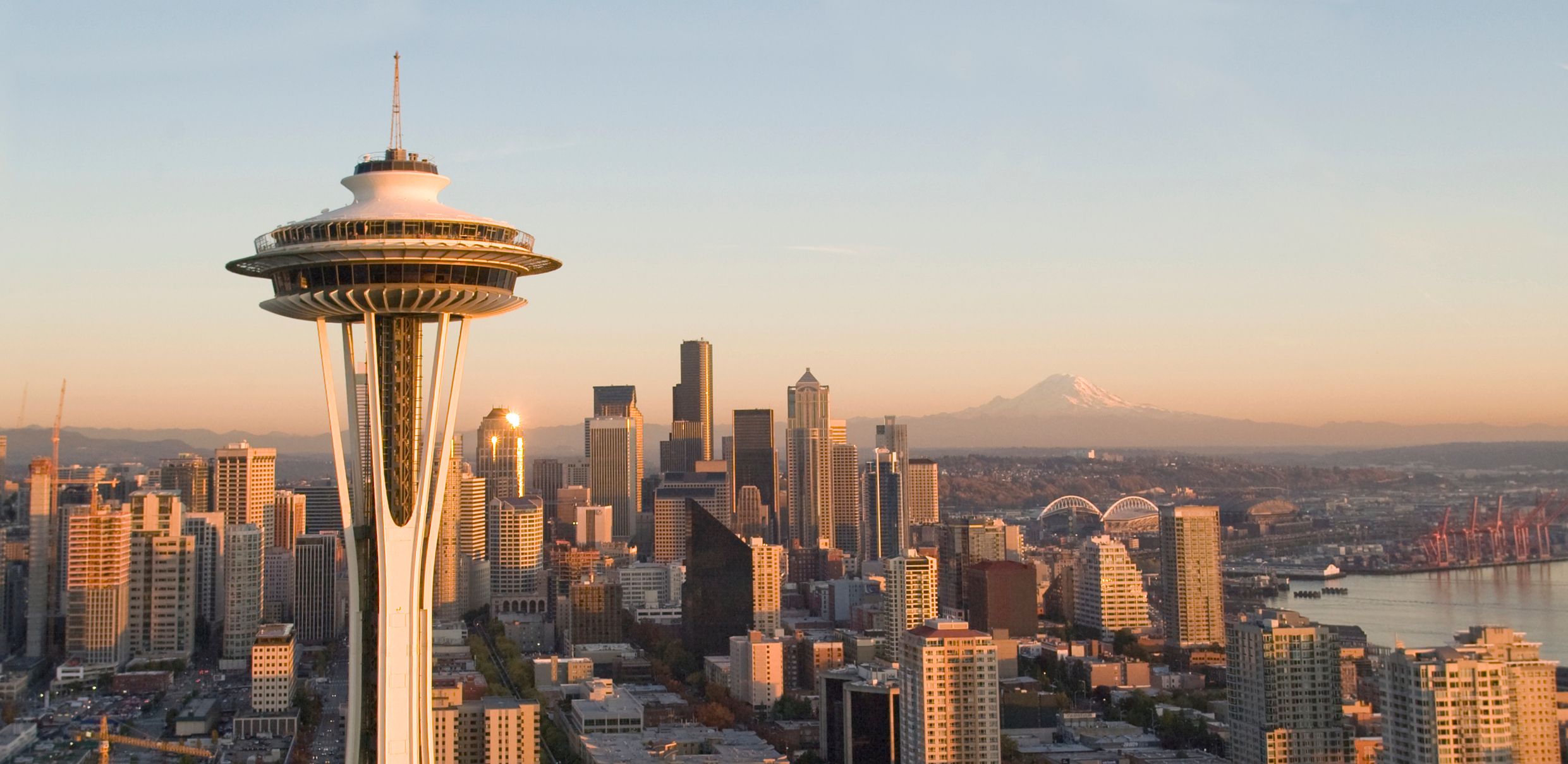
In coastal cities like Seattle or Boston, marine water defines the character of urban life and conditions the development of main attractions, from historic piers to modern public aquariums. Similarly, to the north, Toronto displays a symbiotic relationship with Lake Ontario, fully appreciated from the heights of its iconic tower or during ferry rides to nearby islands. Financial planning through promotional codes and consolidated passes helps travelers afford these high-end experiences—combining landscape observation with scientific outreach—without drastically straining their overall budget.
The Human Pulse: Communities, Neighborhoods, and Local Dynamics
No analysis of metropolitan tourist economics would be complete without considering the human and social impact of visitor flows on historic neighborhoods. Great cities are living organisms composed of diverse communities that maintain an ambivalent relationship with mass tourism. When travelers utilize efficient economic planning tools, they not only optimize their own resources but often channel activity toward established cultural circuits that distribute wealth more equitably among institutions and surrounding businesses.

Exploring peripheral neighborhoods or arts districts through recommended routes fosters a more authentic and respectful cultural immersion. Daily interaction with residents and small merchants reveals the true heartbeat of the city, far from the standardized filters of major commercial attractions. This human dimension brings depth to the trip, turning a simple geographical displacement into meaningful learning. Unified access programs, by structuring main routes, free up time and mental energy for visitors to voluntarily lose themselves in secondary streets, neighborhood cafes, and local markets where the true identity of the metropolis is cooked.
Financial Sustainability and the Ethics of the Informed Traveler
The rise of promotional codes and tourist passes on specialized platforms also raises ethical questions regarding the sustainability of urban tourism. In an era marked by climate urgency and demographic pressure on historic centers, traveling intelligently implies assuming civic responsibility. Optimizing spending through verified bonuses should not be understood as a license for excessive consumption, but as an exercise in efficiency that helps sustain the local economy without overloading fragile urban cultural ecosystems.
Official sources and specialized media agree that transparent information is the best antidote against commercial fraud and false offers. Using exclusively verified channels to acquire passes and discount codes ensures that contributed funds effectively reach the institutions managing heritage assets. Rigorous planning is, ultimately, a sign of respect toward the visited destination, demonstrating a genuine interest in understanding its internal functioning and complex economic support network.
Practical guide
- Source Verification: Always acquire tourist passes and discount codes through official portals or recognized media outlets to avoid scams and hidden fees.
- Temporal Analysis: Calculate the length of your stay and the actual number of attractions you wish to visit before choosing between a day-based pass or an attraction-count pass.
- Reservation Restrictions: Keep in mind that some high-demand museums and monuments require prior time-slot reservations, even when holding a general tourist pass.
- Integrated Transportation: Evaluate whether your chosen pass includes or can be combined with public transit cards to maximize savings on metropolitan commutes.
- Travel Season: Consider that prices and availability of promotional codes vary between high and low seasons, with September being a strategic month due to reduced tourist flows.
- Customer Service: Verify cancellation and refund policies of tourist service providers in case of unexpected last-minute itinerary changes.
- Geographical Limits: Check the coverage radius of the acquired pass to ensure it covers all metropolitan areas you plan to explore during your stay.
The Inner Port: Memory, Silence, and the Traveler’s Epilogue
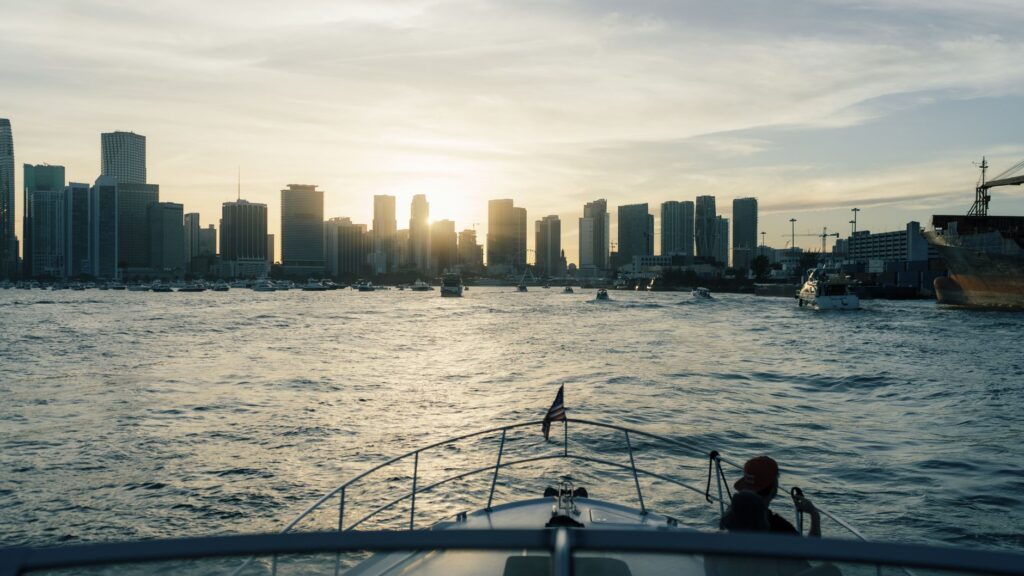
When the bustle of the main avenue fades and the evening light begins to reflect upon the calm waters of the port, the city reveals its most intimate and enduring face. The great metropolises of North America, with their dizzying amalgam of steel, glass, and historical memory, always guard a secluded corner where time seems to stand still. It might be a wooden bench facing the pier where transatlantic liners docked in the past century, or a silent viewpoint on the highest hill overlooking the diffuse profile of the urban skyline. It is at this precise moment that logistical effort and meticulous financial planning find their true meaning: not as an end in themselves, but as the invisible vehicle that allowed arrival with a clear mind and a receptive spirit.

Traveling with intelligence and economic rigor seeks nothing other than to free up the mental space necessary for pure contemplation. By stripping away urgencies and anxiety over the cost of every experience, travelers open themselves to beauty without intermediaries. The city ceases to be a mere catalog of amortizable attractions and becomes a territory of personal discovery, a map where collective history and intimate emotion converge. At the end of the journey, under the twilight light crowning the oceanic landscape, remains the certainty that the most valuable trip is one that transforms our view of the world, leaving an indelible mark that transcends any monetary calculation.
Source in EN: Condé Nast Traveler – CityPass Promo Code: Save Up to 50% (https://www.cntraveler.com/story/citypass-promo-code)