
Introduction to the Southern Edge
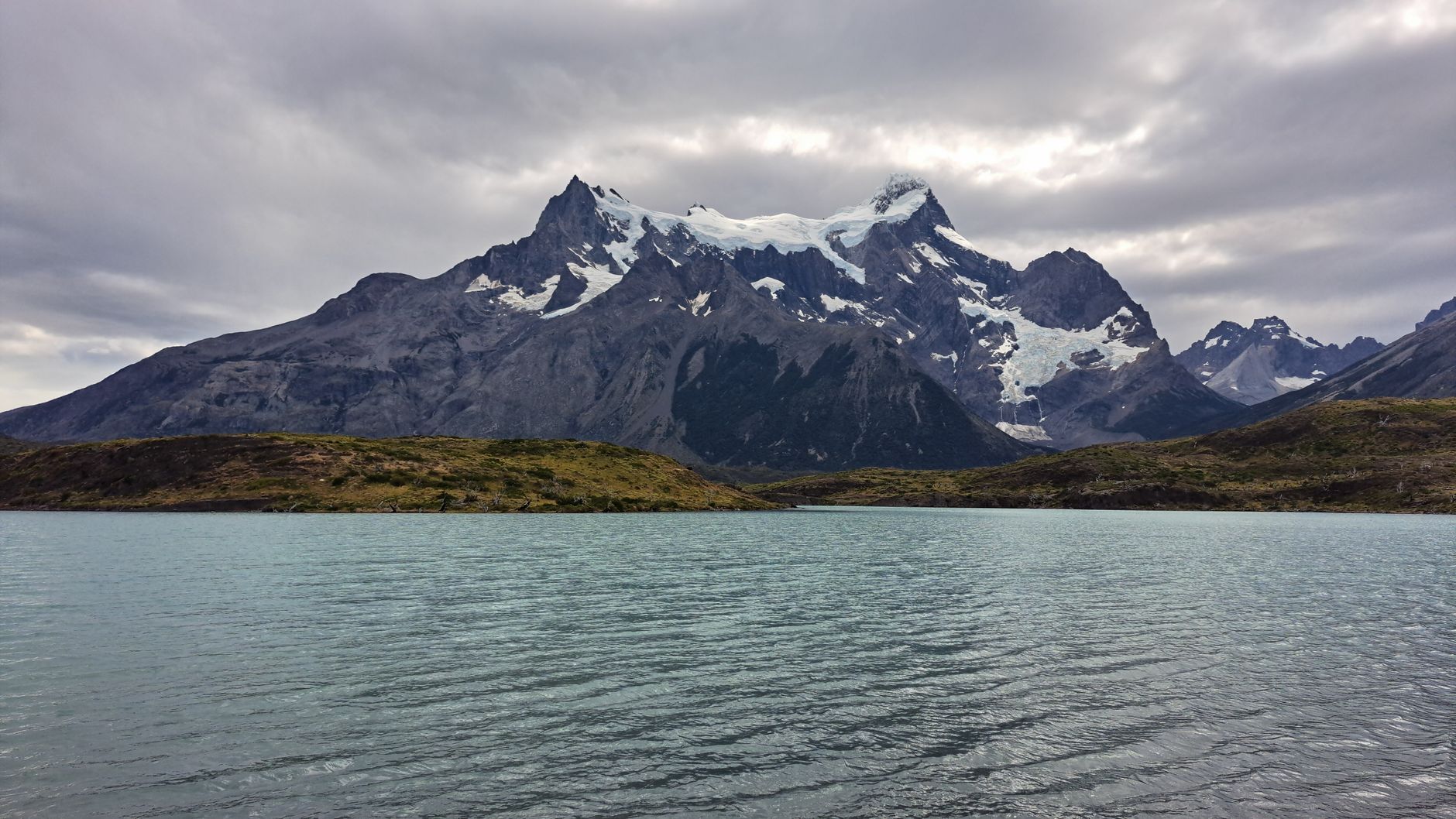
At the southernmost tip of South America, where the Andes mountain range plunges dramatically into the Pacific Ocean and the Patagonian steppes collide with timeless granitic massifs, human mobility has historically been an exercise in resilience. Torres del Paine National Park, located in Chile’s Magallanes and Chilean Antarctica region, is not only a visual sanctuary of granite towers, hanging glaciers, and intensely turquoise lakes; it is also a territory where the laws of geography impose severe restrictions on connectivity. For decades, the transport of visitors and residents relied on internal combustion engine vessels and an incipient network of dirt roads battered by relentless Patagonian winds and seasonal rainfall.
Today, this remote setting stands at the epicenter of a radical transformation driven by the urgent need to preserve one of the planet’s most fragile ecosystems. The introduction of solar navigation technologies and floating walkways anchored by low-impact anchoring systems is not a modernization whim, but an ecological survival strategy. Regional authorities, in close collaboration with local communities, tourism operators, and environmental engineering specialists, have redefined the concept of access. It is no longer about subduing nature to facilitate transit, but about weaving an invisible, respectful transportation network that traverses the heart of the park without leaving permanent scars on the landscape.
The Geography of Wind and Water
Understanding the magnitude of this logistical challenge requires analyzing the park’s topography. The hydrological system of Torres del Paine is a complex network of interconnected lakes—such as Pehoé, Grey, Nordenskjöld, and Sarmiento—that act simultaneously as natural barriers and indispensable communication routes. Traditional vessels, while securing the transfer of expeditions and supplies, generated a significant carbon footprint and acoustic pollution that disturbed local fauna, particularly populations of huemuls, guanacos, and waterfowl nesting in shoreline reeds.

The transition toward sustainable transport models began when trail erosion data and navigation route saturation reached critical thresholds. Naval engineers and park managers realized that any intervention had to be grounded in modal diversification and strict environmental integration. Thus, the lake transport modernization program was born—an initiative prioritizing energy efficiency and landscape integration over speed or mass cargo capacity, proving that calculated slowness is a virtue in protected environments.
Zero-Emission Naval Engineering in Extreme Waters
The core of this technological revolution lies in new catamarans and smaller vessels powered by solar energy and high-density battery storage systems. These nautical vehicles operate in the freezing waters of Lake Pehoé and the Grey River fjord, confronting wind gusts that regularly exceed one hundred kilometers per hour. Unlike conventional diesel engines, electric thrusters provide instant torque that improves maneuverability in adverse weather conditions while completely eliminating the risk of hydrocarbon spills in high ecological value aquatic ecosystems.
The autonomy of these vessels is optimized through solar panels integrated into the decks and fast-charging stations located at the main docks, which are powered exclusively by wind and solar microgrids installed near the visitor centers. This self-sufficient approach drastically reduces dependence on fossil fuels transported by truck from the nearest urban centers, situated hundreds of kilometers away. Furthermore, the reduction in underwater noise has allowed native fish species and aquatic mammals to reclaim migration and spawning routes previously disrupted for decades by conventional nautical traffic.
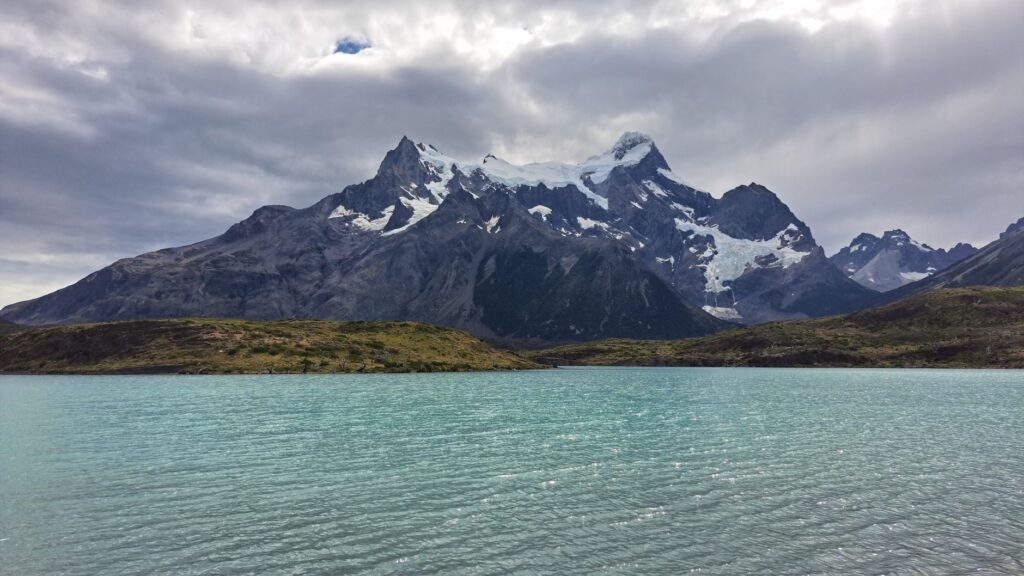
True innovation in extreme territories does not consist of subduing nature with heavy technology, but in designing systems so subtle that nature barely notices our presence.
Floating Walkways and Soft Terrestrial Connectivity
Alongside the transformation of the nautical fleet, terrestrial infrastructure has undergone an equally ambitious metamorphosis. In areas where traditional trails crossed peatlands and saturated soils, intensive foot traffic caused substrate compaction and the destruction of the vegetative layer, accelerating water erosion processes. The engineering response has been the installation of floating walkways and elevated trails on helical piles, a technique that avoids excavation and allows water and nutrients to flow freely beneath the structure.
These walkways, built with high-durability composite materials and certified timber, distribute walker weight evenly and precisely delineate transit space. Consequently, the formation of parallel trails—a destructive phenomenon locally known as trail widening—which degrades the steppe and stunted lenga forests, is prevented. The integration of these infrastructures with solar boarding points creates a continuous multimodal system where visitors can alternate silent navigation and low-impact hiking without relying on internal combustion vehicles.
The Human Factor and Community Economy
No technological transition can consolidate without the backing and active participation of local communities. In Puerto Natales and surrounding ranching estates, the traditional economy based on extensive livestock farming has found a complementary development path in sustainable tourism management. Local inhabitants not only participate in the operation and maintenance of the new fleets and walkways, but also lead environmental interpretation programs, contributing invaluable cultural insight that enriches the traveler’s experience.
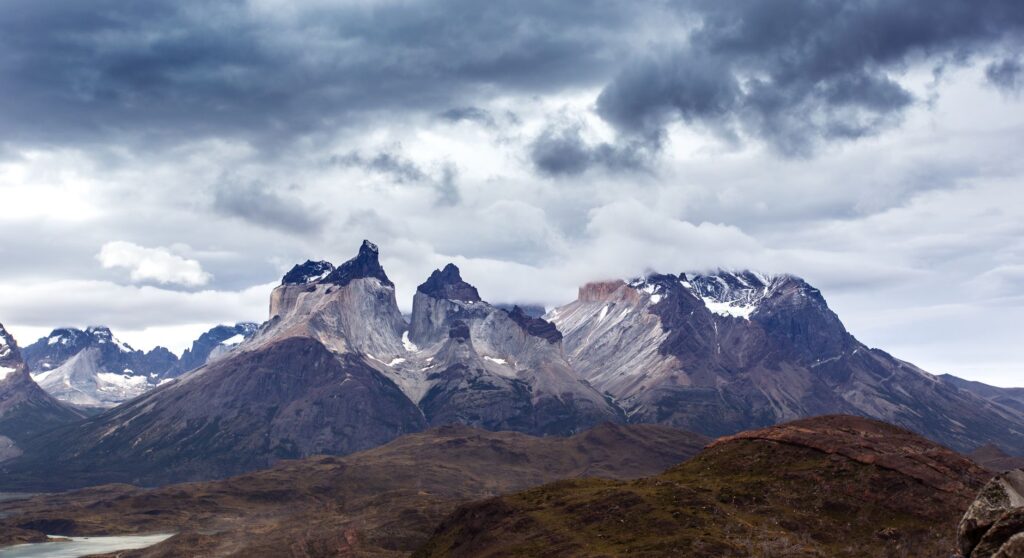
This community integration ensures that economic benefits derived from low-emission tourism remain within the region, reducing the job precarity typical of intense summer seasons. Solar vessel captains, microgrid maintenance technicians, and elevated trail guides are, for the most part, permanent residents who understand the subtle rhythms of the Patagonian climate. Their empirical knowledge, combined with specialized technical training, constitutes the true engine of this sustainable connectivity model.
Climate Challenges and Operational Resilience
Despite significant advances, operating a renewable energy-based transport system deep in Patagonia presents formidable operational challenges. Extreme fluctuations in solar radiation between the austral summer and winter force operators to design highly sophisticated energy management strategies. During winter months, when daylight hours drop sharply and temperatures plunge well below freezing, energy storage and the protection of hydraulic systems demand rigorous preventive maintenance protocols.
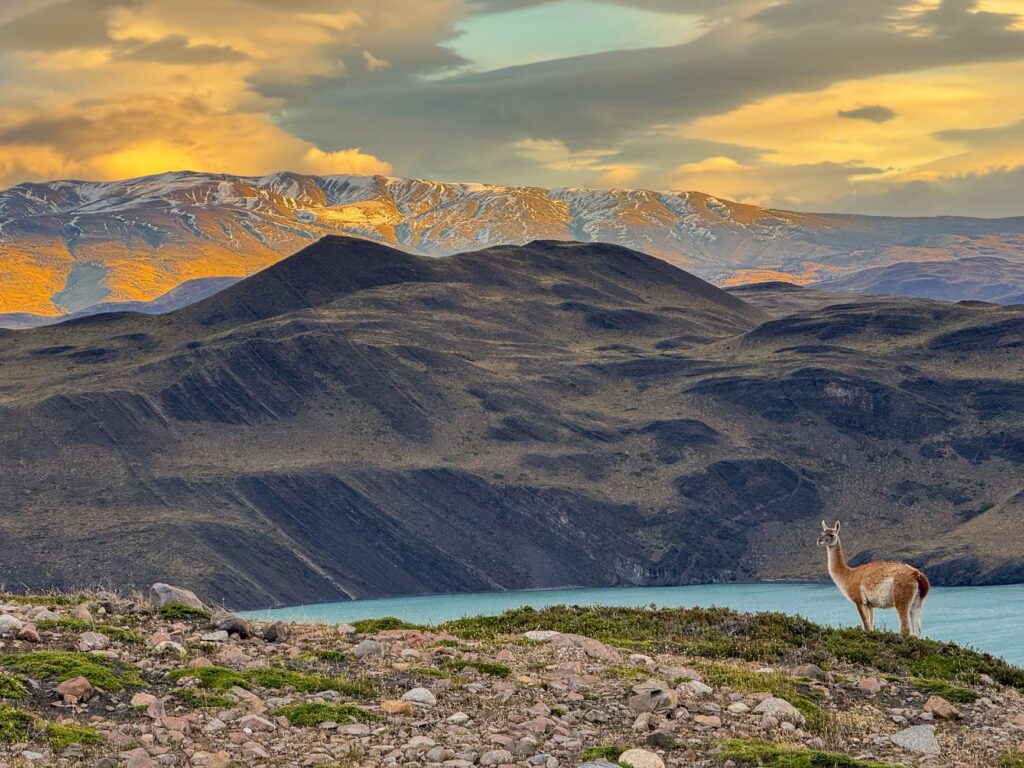
Likewise, the effects of global climate change manifest clearly in the accelerated retreat of glaciers, such as the Grey Glacier, which constantly alters lake bathymetry and requires the periodic relocation of floating docks. Engineers and geologists collaborate permanently to monitor slope stability and water body dynamics, adapting transport infrastructure in real time to guarantee passenger safety without compromising the national park’s environmental integrity.
Practical guide
How to get there: The primary access point to Torres del Paine National Park is the city of Puerto Natales, located about 250 kilometers north of Punta Arenas. From Punta Arenas International Airport, you can take a regular bus line or a rental vehicle along Route 9.
When to visit: The optimal season to explore the park using the multimodal transport system extends from November to March (austral spring and summer), when daylight conditions favor electric vessel operations and the weather is more favorable for hiking.
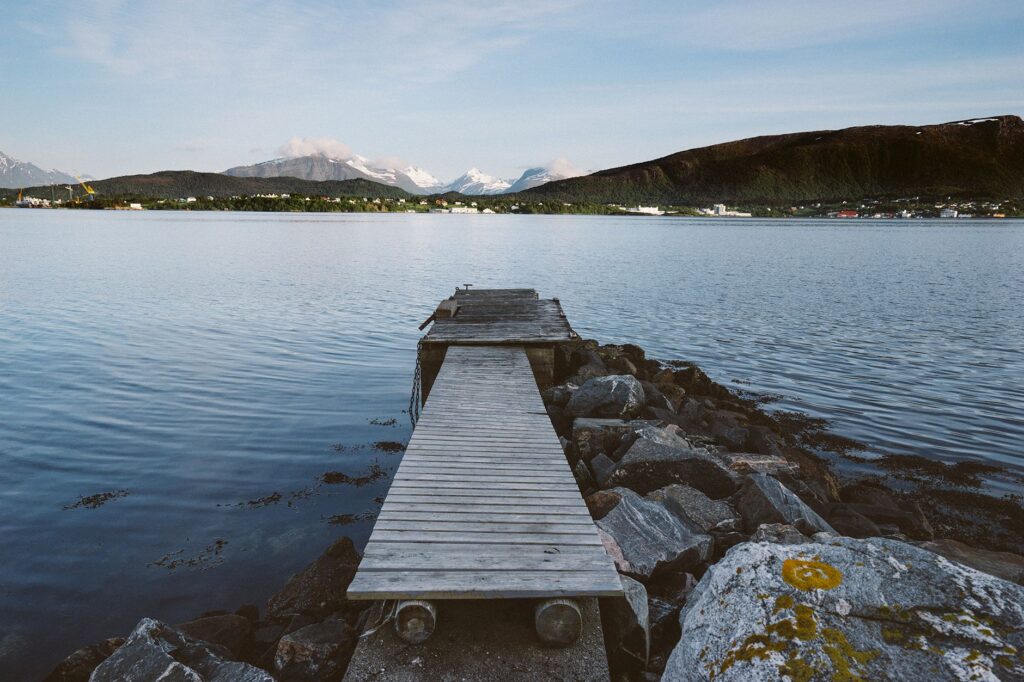
Internal mobility: Use exclusively authorized solar catamarans for lake crossings and strictly respect elevated walkways at all times. Venturing off marked trails is strictly prohibited to protect the fragile vegetation of the Patagonian steppe and forests.
Accommodation and bookings: Places in refuges and campsites within the park are limited and must be booked several months in advance through official CONAF operators and authorized concessionaires.
Visual and Human Epilogue in the Southern Steppe
At dusk, as the final gusts of wind scatter the clouds over the Paine massif, the golden afternoon light sets the granite walls ablaze, casting them upon the calm waters of Lake Pehoé. At the wooden dock, a small group of travelers watches in complete silence as the solar catamaran glides smoothly, a tangible reminder that technology and nature can coexist in perfect harmony. There are no roaring engines or fuel slicks contaminating the water; only the gentle sound of water lapping against the structure’s floats and the distant cry of a Andean condor on its return flight to the high cordillera cliffs.