
Crossing invisible borders and landscapes where the human scale dissolves, the Trans-Siberian Railway stands not only as the longest railway line in the world, but as the grand circulatory system keeping a nation fragmented across nine time zones tethered together. Stretching across 9,289 kilometers, this monumental infrastructure defies the laws of geography, uniting the industrial pulse of European Russia with the mists of the Pacific Ocean in Vladivostok. Its construction, initiated in the late 19th century under the impetus of Tsar Alexander III and supervised by visionary civil engineers, represented a titanic triumph over an unforgiving natural environment.
Today, the Trans-Siberian continues to operate as a vital artery for international trade, heavy freight transport, and the transit of travelers seeking to comprehend the true magnitude of the Asian steppes. Far from being a mere tourist attraction, the train functions as an autonomous community in motion, where daily life adapts to the steady rhythm of the rattle over wooden sleepers and reinforced concrete, bridging disparate realities ranging from bustling urban centers to the most remote settlements of the Siberian taiga.
Imperial Genesis and the Original Route
The idea of connecting St. Petersburg and Moscow with Pacific ports arose from urgent geopolitical and economic imperatives. By the late 19th century, the lack of efficient overland communication routes isolated the empire’s eastern territories, delaying their commercial and strategic development. Under the direction of Finance Minister Sergei Witte, colossal financial resources were mobilized to chart a route that initially skirted the Amur River entirely through Russian territory, though it was later optimized with the construction of the Chinese Eastern Railway to shorten distances.
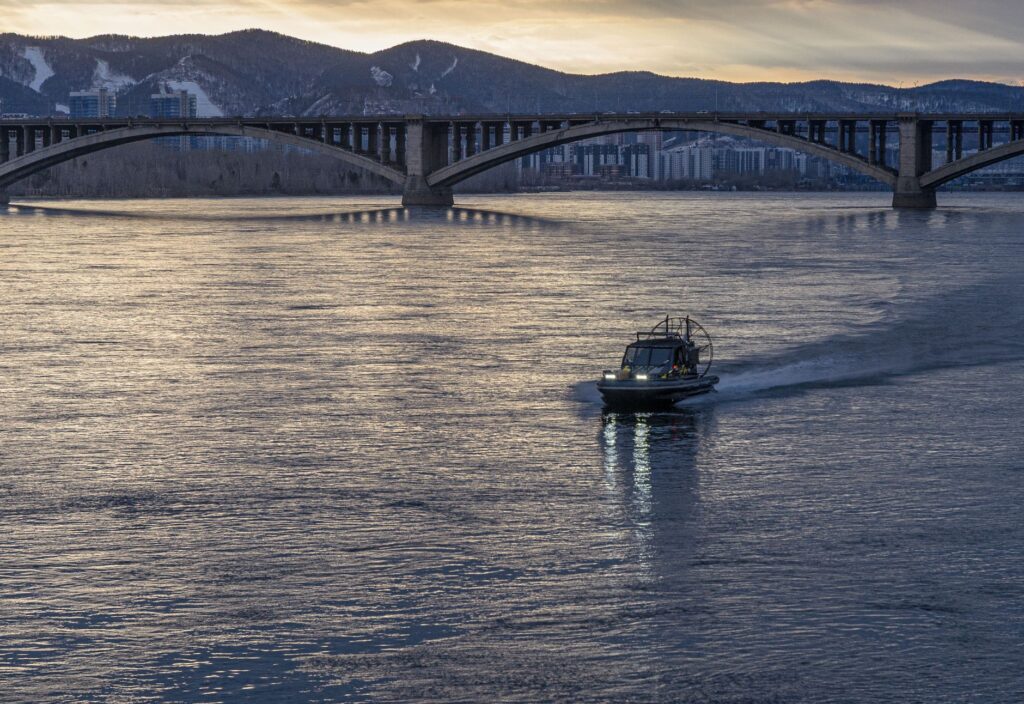
Imperial engineers faced unprecedented challenges: crossing the Volga, Ob, Yenisei, and Lena rivers demanded the construction of monumental bridges whose metal structures had to withstand not only the weight of steam locomotives but also the brutal pressures of spring ice breakups. The workforce, composed of displaced peasants, convicts, and soldiers, labored under extreme conditions, excavating trenches in solid rock with rudimentary tools and enduring winters where the mercury plunged far below minus forty degrees.
Engineering Against the Tyranny of Permafrost
One of the greatest hurdles in the expansion and maintenance of the Trans-Siberian has been permafrost, that permanently frozen layer of soil covering vast expanses of Siberia. When summer temperatures trigger surface thawing, the ground turns into an unstable slurry capable of misaligning tracks and sinking railway embankments. To combat this geological threat, modern and nineteenth-century engineers alike have had to apply rigorous technical solutions, from elevating tracks on deep foundation piles to designing specialized drainage systems.
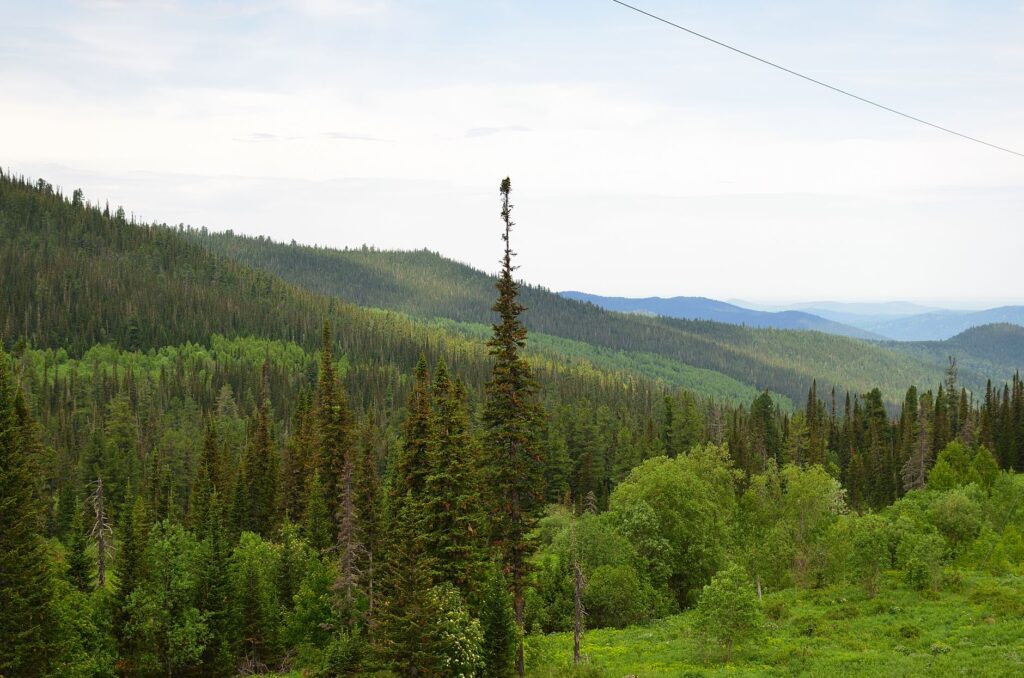
Likewise, thermal corrosion and metal fatigue compel continuous infrastructure inspections. Every track section is monitored through strict protocols evaluating thermal expansion and the structural integrity of bridges. The durability of railway components in this environment depends not merely on the sturdiness of the steel, but on a profound understanding of Siberian soil dynamics and its interaction with the continuous vibrations generated by heavy freight trains.
Life Aboard: Sociology of a Transcontinental Train
Traveling on the Trans-Siberian is stepping into a temporal bubble where hours lose their conventional meaning and space is measured in stations and steaming cups of tea prepared in the carriage samovar. The train is divided into well-defined social classes: from the private first-class compartment to the open spaces of third class, popularly known as *platskart*, where privacy is nonexistent and communal coexistence becomes an unyielding rule of the journey.
In this rolling microcosm, linguistic and cultural barriers dissolve amid endless card games, the exchange of provisions bought on platforms during brief stops, and unhurried conversations about the vastness of the landscape. Stops in intermediate cities such as Nizhny Novgorod, Yekaterinburg —where Europe and Asia are divided by a symbolic obelisk—, Novosibirsk, and Irkutsk act as geographic milestones marking the rhythm of the journey, allowing travelers to observe the country’s demographic and architectural diversity.

The Mirror of Siberia: Lake Baikal and the Circum-Baikal
No stretch of the Trans-Siberian concentrates as much natural beauty and engineering prowess as the one skirting the southern shores of Lake Baikal, the largest and most ancient freshwater reserve on the planet. Originally, the train’s passage around the lake presented a formidable obstacle that temporarily required icebreakers to ferry carriages from one shore to the other during winter, before the completion of the complex Circum-Baikal line.
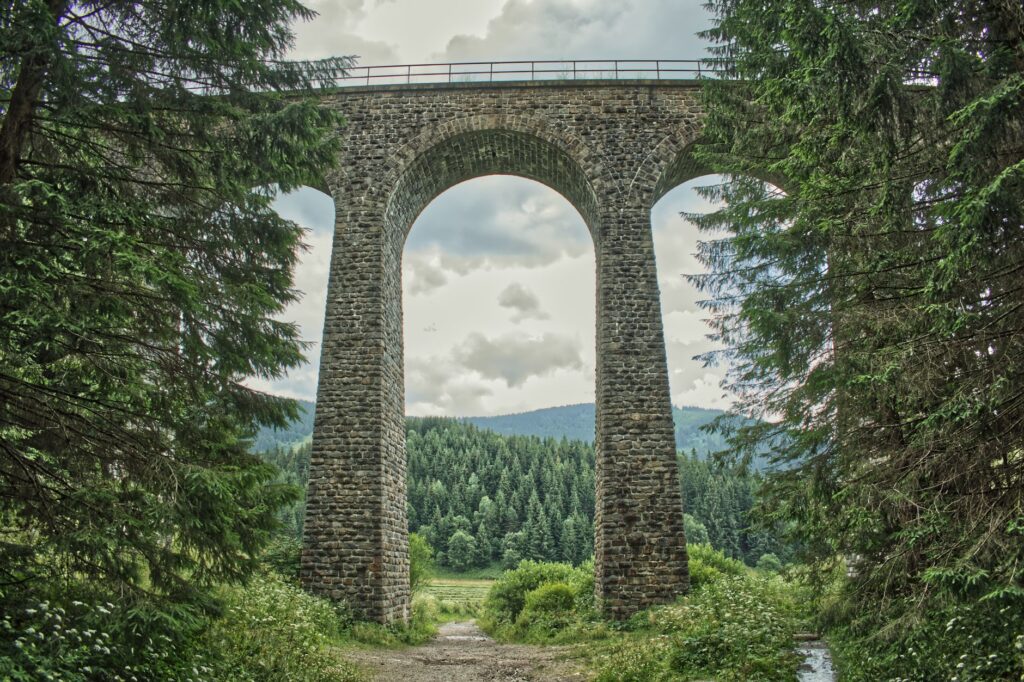
Built between 1899 and 1904, the Circum-Baikal railway is a masterpiece of civil architecture snaking between rocky cliffs and the crystal-clear waters of Baikal. It traverses dozens of tunnels blasted with dynamite and crosses numerous stone viaducts that today, following the diversion of the main route through a modern double-track tunnel, have become a sanctuary for industrial heritage tourism and high-mountain hiking.
Freight Logistics and the Economic Backbone
Although the collective imagination often associates the Trans-Siberian with adventure tourism, its primary function remains that of a freight logistics corridor between Asia and Europe. This rail corridor transports essential raw materials, timber, minerals, coal, and manufactured goods originating from Chinese and Russian industrial centers. The integration of the Trans-Siberian into global intermodal routes has gained renewed prominence in recent decades, offering a faster overland alternative to traditional maritime transport via the Suez Canal.
The operational management of this immense fleet of electric and diesel locomotives requires millimeter-precision coordination centralized from Moscow. Automated signaling systems, preventive catenary maintenance, and the optimization of loading times at logistics hubs are decisive factors in avoiding bottlenecks on a track shared by high-priority passenger trains and heavy freight convoys.
The Eastern Frontier: Vladivostok and the Dissolution of the Horizon
After traversing endless plains, forested mountain ranges, and the river valleys of the Amur, the Trans-Siberian culminates its journey at the Vladivostok station, facing the waters of the Sea of Japan and the Golden Horn Bay. Here, the kilometer marker displaying the exact figure of 9,289 kilometers serves as a tangible reminder of the magnitude of the completed journey. The city, marked by its past as a fortified naval base and its current commercial openness, offers a unique perspective on Asian cultural influence in the Russian Far East.
Contemplating merchant vessels and port cranes from Vladivostok’s viewpoints closes the cycle of a voyage where engineering and geography are inextricably intertwined. The train is not merely a means of transport, but a constantly moving monument defining the territorial identity of Eurasia.
The Trans-Siberian Railway is not a simple line drawn on a map; it is the steel backbone preventing the Siberian immensity from devouring the memory of distances.
For those wishing to delve deeper into the history of Russian rail expansion, the St. Petersburg Railway Museum and the historical archives in Novosibirsk preserve original blueprints, construction photographs, and restored steam locomotives documenting the titanic effort required to unite two oceans across ice and steppe.
Practical guide
- Route Planning: The full non-stop journey requires a minimum of seven days, though breaking the trip down with stops in key cities such as Yekaterinburg, Krasnoyarsk, and Irkutsk is highly recommended.
- Documentation and Visas: It is essential to verify current visa requirements for entry into the Russian Federation and to arrange permits for certain restricted border regions well in advance.
- Ticketing: Tickets for long-distance trains go on sale up to 90 calendar days in advance. Purchasing them through official channels is advised to avoid markups from intermediary agencies.
- Travel Classes: First class (*Spalny Vagon* or SV) offers two-berth compartments; second class (*Kupe*), four berths; and third class (*Platskart*), open-plan carriages with bunk beds that foster social interaction.
- Provisions and Supplies: Although trains feature a dining car, carrying personal provisions such as dried fruit, instant soups, tea, and bottled water is advisable, taking advantage of station platform stops to purchase local items from wandering vendors (*babushkas*).
- Currency and Connectivity: The Russian ruble remains indispensable for minor transactions in remote stations. Mobile phone coverage is excellent in major cities but can vanish completely for hours while crossing uninhabited taiga areas.
- Recommended Season: Summer months (June to August) offer extended daylight and mild temperatures, while winter (November to February) delivers snowscapes of extreme beauty while demanding professional thermal gear.
The true measure of the Trans-Siberian is not calculated in kilometers traveled, but in the profound shift in perspective experienced by anyone watching the taiga drift past the window.