
Introduction to the Seward Tundra and Its Resilient Wildlife
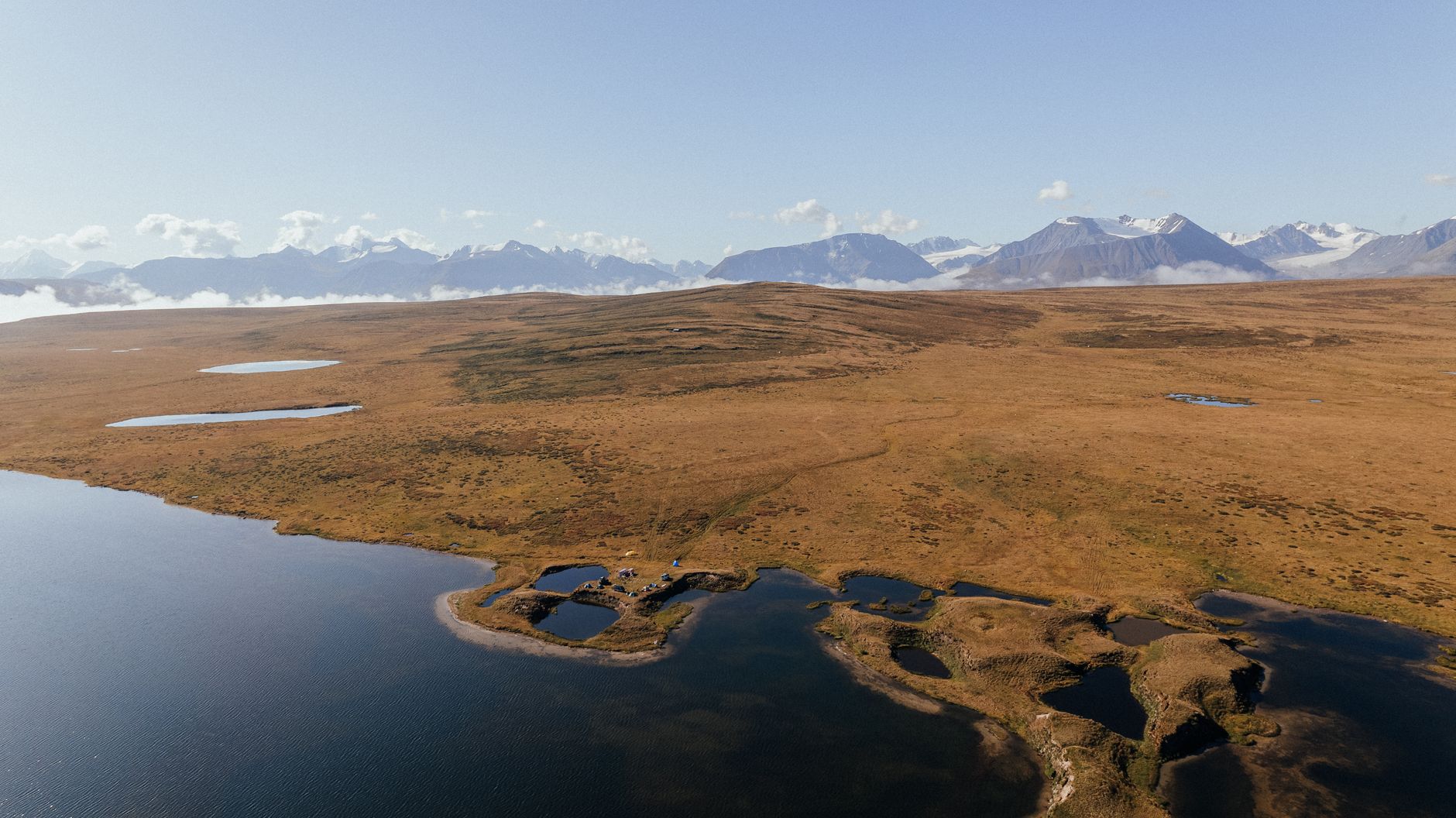
The Seward Peninsula, located on the western extremity of Alaska, represents one of the most unforgiving and fascinating landscapes on the North American continent. Here, bordered by the Bering Sea and the Bering Strait, the tundra extends as a vast plain interrupted by low-altitude mountain ranges and hills sculpted by wind and permafrost. In this territory where winter temperatures frequently plummet to minus forty degrees Celsius, survival demands extreme physiological adaptations. Among the most notable inhabitants of this ecosystem is the Alaskan arctic hare (Lepus othus), a large mammal masterfully adapted to the rigors of the polar winter and the short, dynamic boreal summers.
The study of this species provides insights not only into its own biological resilience, but also into the health of the entire tundra food web. Unlike hares from more temperate latitudes, Lepus othus has evolved a series of morphological and behavioral mechanisms that enable it to cope with resource scarcity and constant pressure from arctic predators such as the arctic hare’s primary nemeses: the arctic fox, the wolf, and the snowy owl. This report examines the habitat, biology, and conservation challenges facing this iconic lagomorph at a time when the subarctic climate is undergoing unprecedented transformations.
Geography and Climate: The Extreme Setting of Western Alaska
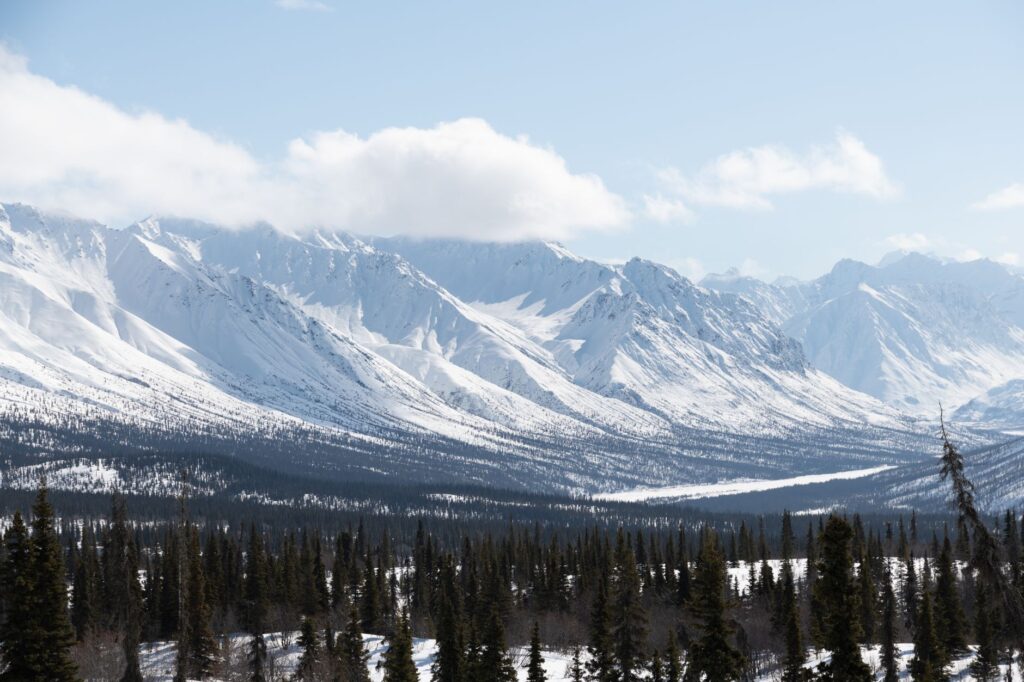
The geography of the Seward Peninsula is characterized by its isolation and direct exposure to weather systems originating from the Bering Sea. The Kigluaik Mountains, exceeding one thousand meters in elevation at certain points, create local microclimates where snow driven by hurricane-force winds forms dense drifts. These accumulations of compact snow are fundamental to the ecology of the arctic hare, providing temporary shelter from blizzards and elevated access to the tender twigs of dwarf willow and birch shrubs protruding from the white blanket.
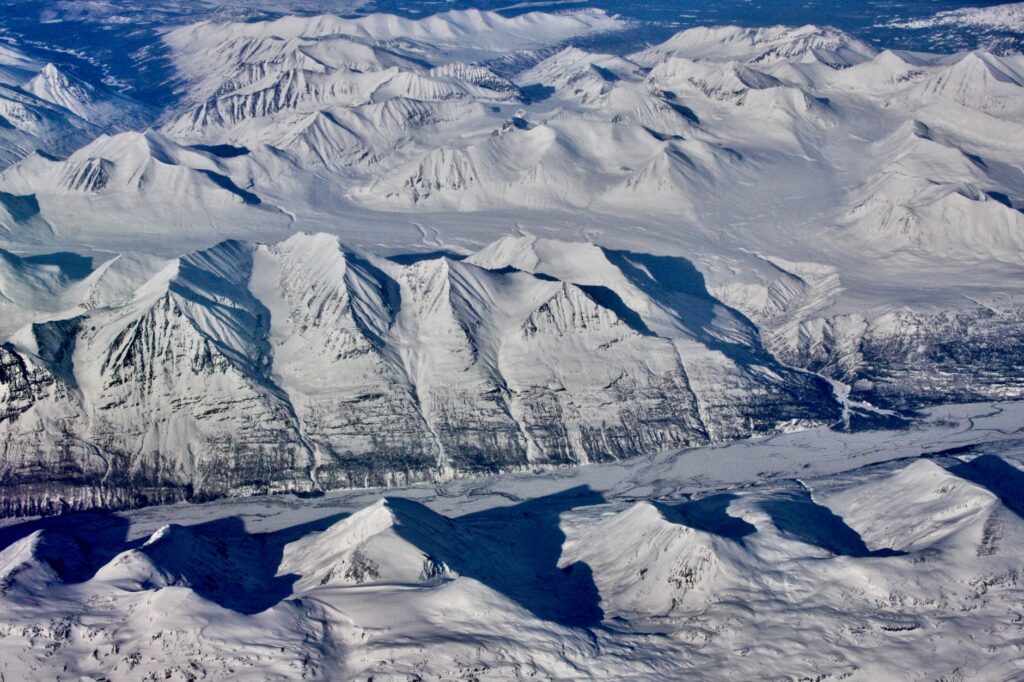
The thermal regime of the region is marked by extreme seasonality. While winters are long, dark, and lashed by freezing winds, summers last barely a few months, during which the surface layer of permafrost partially thaws, allowing the proliferation of lichens, mosses, and fast-growing vascular plants. This climatic duality forces local wildlife to synchronize their life cycles with pinpoint precision. Any alteration in the duration of winter or the thickness of the snowpack directly impacts the hare’s foraging capacity and survival.
Biology and Morphology: Adaptations to Extreme Cold
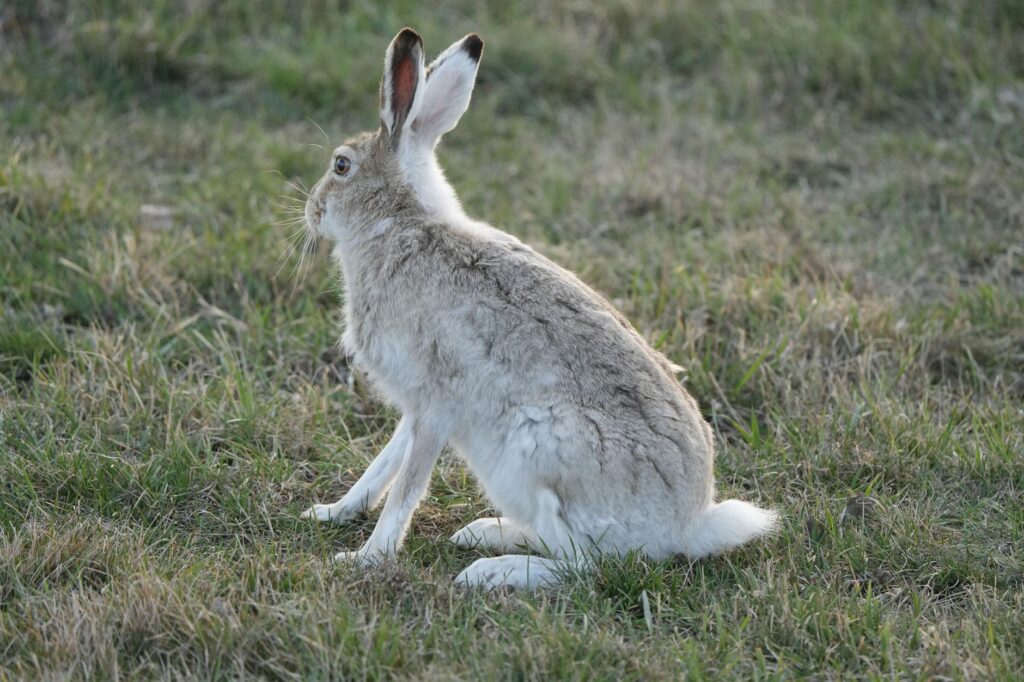
Lepus othus is one of the largest hare species in the world, an evolutionary characteristic responding to Bergmann’s rule, whereby bulky animals retain body heat better due to a lower surface-area-to-volume ratio. Its winter coat is pristine white, dense, and composed of an undercoat of very fine down that acts as an exceptional thermal insulator, complemented by longer guard hairs that repel the moisture of powdery snow.
In addition to its size and coat, the extremities of the arctic hare feature remarkable adaptations. Its long hind legs, equipped with a broad surface area covered in thick fur, act as natural snowshoes that prevent the animal from sinking into soft snow, allowing it to escape pursuers with agility. Its peripheral circulatory system features a countercurrent heat exchange mechanism in the paws, minimizing thermal loss to the frozen substrate and preventing frostbite in distal tissues.
Thermoregulation Strategies and Winter Behavior
During the months of greatest thermal severity, the behavior of the arctic hare is governed by the need to conserve energy. Unlike other mammals that hibernate, this lagomorph remains active throughout the year, implying a constant search for food under severely reduced daylight conditions. To minimize exposure to wind and extreme cold, hares frequently excavate small hollows in snowdrifts, known as snow roosts, where they spend resting hours protected from blowing snow.
The winter diet of Lepus othus consists primarily of woody shoots, bark, and buds of dwarf willow (Salix reticulata and Salix pulchra), alongside remnants of herbaceous plants located by digging with strong front claws. This diet, although nutrient-poor and high in fiber, is sufficient to maintain basic metabolic needs thanks to a digestive system adapted to process highly lignified plant material.
Trophic Dynamics and Predator Pressure
At the apex of the tundra food web, the arctic hare occupies a crucial ecological role as a keystone prey species for numerous resident and migratory carnivores. The arctic fox (Vulpes lagopus) and the red fox (Vulpes vulpes), whose range has shifted northward due to regional warming, represent a constant threat to both juveniles and adults weakened by winter.
Similarly, nocturnal raptors, particularly the snowy owl (Bubo scandiacus), rely heavily on the availability of hares and rodents to feed their chicks during the brief breeding season. To evade these aerial and terrestrial predators, the arctic hare relies on its cryptic coloration, remaining completely motionless against the snowy background until the very last moment, when it launches explosive, zigzagging runs capable of reaching considerable speeds.
Survival in the tundra is not a matter of brute force, but of perfect synchronization between the animal’s physiology and the relentless rhythms of the subarctic climate.
Impact of Climate Change on Boreal Habitats
The ecosystems of western Alaska are undergoing accelerated modifications as a consequence of global climate change. The increase in average annual temperatures in the Arctic, doubling the rate of the rest of the planet, is driving the gradual thaw of permafrost and altering snow precipitation patterns. These phenomena directly modify vegetation structure, favoring the expansion of taller shrubs at the expense of the dwarf scrublands upon which the arctic hare depends.
Furthermore, the occurrence of sporadic winter rains, a historically rare event in the region, generates an impenetrable ice crust over the snowpack. This phenomenon, locally known as ‘rain-on-snow’, drastically blocks hares from accessing food and triggers mass mortality episodes from starvation, altering the demographic stability of local populations and forcing researchers to rethink long-term monitoring strategies.
Research and Monitoring Efforts in Western Alaska
Scientific tracking of Lepus othus on the Seward Peninsula presents formal logistical challenges due to the remoteness of the territory and the severity of weather conditions. Research institutions, in collaboration with Alaska Native communities, have implemented camera-trapping programs and non-invasive genetic analyses based on fecal pellet collection along fixed sampling transects.
These studies enable estimation of population density, genetic diversity, and seasonal survival rates without interfering with the natural behavior of the animals. The incorporation of traditional ecological knowledge from Inupiat peoples, who have coexisted with the species for generations, provides an invaluable historical perspective to interpret long-term fluctuations and design adaptive management plans based on robust empirical data.
Practical guide
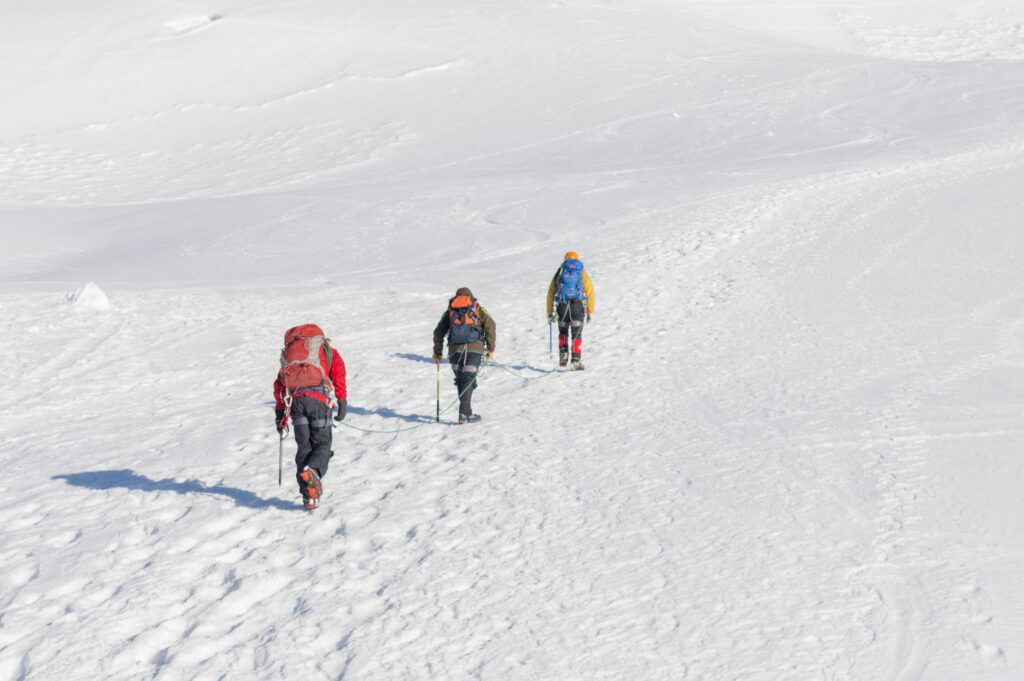
Planning an observation and photographic research expedition to the Seward Peninsula requires meticulous logistical preparation and absolute respect for the fragility of the subarctic environment.
- How to get there: The primary access is via scheduled commercial flights from Anchorage to Nome, the peninsula’s main hub. From Nome, travel to interior tundra zones is conducted using charter bush planes equipped with skis or low-pressure tires, depending on the season.
- Best time to visit: To observe the winter phase and intact snowpack, the months of March and April offer an appropriate combination of increasing daylight and stable, though still freezing, temperatures.
- Photographic and technical gear: It is essential to use cameras with auxiliary lithium batteries protected against extreme cold, stabilized long-range telephoto lenses (300mm to 600mm) to avoid disturbing wildlife, and multilayer technical clothing with down insulation and high-performance windbreakers.
- Permits and regulations: Much of the tundra land belongs to Alaska Native corporations or is managed by federal agencies. Prior authorization is required to access private areas and strictly comply with wildlife conservation guidelines.
- Field safety: Weather conditions can change drastically within minutes. Traveling accompanied by experienced local guides, carrying satellite communication systems, and having emergency equipment for unexpected outdoor overnights is mandatory.
Conservation, Communities, and Future on the Polar Horizon
The future of the arctic hare on the Seward Peninsula is inextricably linked to global capacity to mitigate greenhouse gas emissions and local protection of tundra ecological corridors. As the boreal landscape transforms, the conservation of this species demands a collaborative approach integrating rigorous science with indigenous governance, recognizing the intrinsic value of arctic biodiversity.
Protecting the delicate balance of the subarctic tundra is not merely safeguarding an emblematic species, but preserving the ecological memory of one of the planet’s last truly wild frontiers.
Local communities continue to play a foundational role as stewards of the land, monitoring shifts in animal populations and promoting sustainable land-use practices. The preservation of Lepus othus and its nival habitat remains a testament to the resilience of life in the face of adversity, reminding naturalists and travelers of the urgency to act responsibly amidst contemporary ecological challenges.