
Introduction to North America’s Fluvial Colossus
The Mississippi River is far more than a mere geographical feature; it forms the liquid backbone upon which much of the industrial, commercial, and mythic identity of the United States was built. Stretching from its headwaters in Minnesota to its vast delta in Louisiana, this ancient watercourse has served as a communication artery and a theater of technological transformations. During the nineteenth century, the advent of steam navigation completely revolutionized the continent’s economy, turning upstream and downstream currents into a navigable trade corridor that defied the tyranny of oars and wind. Today, the few sternwheel paddle steamers still plying these waters are not mere nostalgic relics, but authentic living works of naval engineering that condense a golden era.
Approaching the operational reality of these iron and wood colossi requires delving into a universe where fluvial physics and artisan tradition merge. Unlike ocean navigation, the Mississippi presents a perpetually shifting bed, plagued by moving sandbars, submerged logs locally known as snags, and seasonal water level variations that test the skill of captains. This report explores the technical anatomy, the logistical challenge of their maintenance, and the cultural persistence of a transport mode that defies the accelerated pace of the twenty-first century through the contemplative observation of the American landscape.
Naval Architecture of the Freshwater Colossi
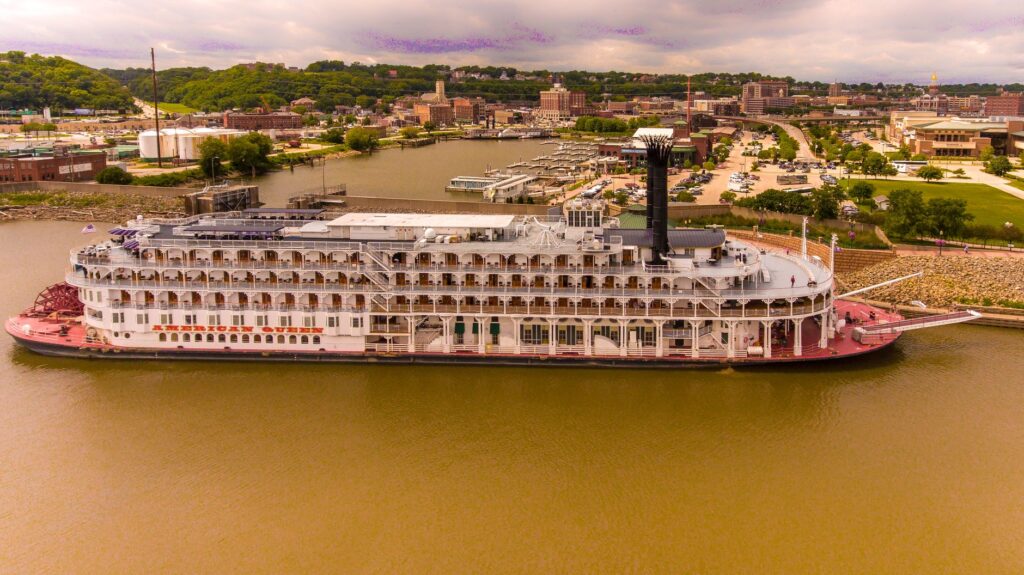
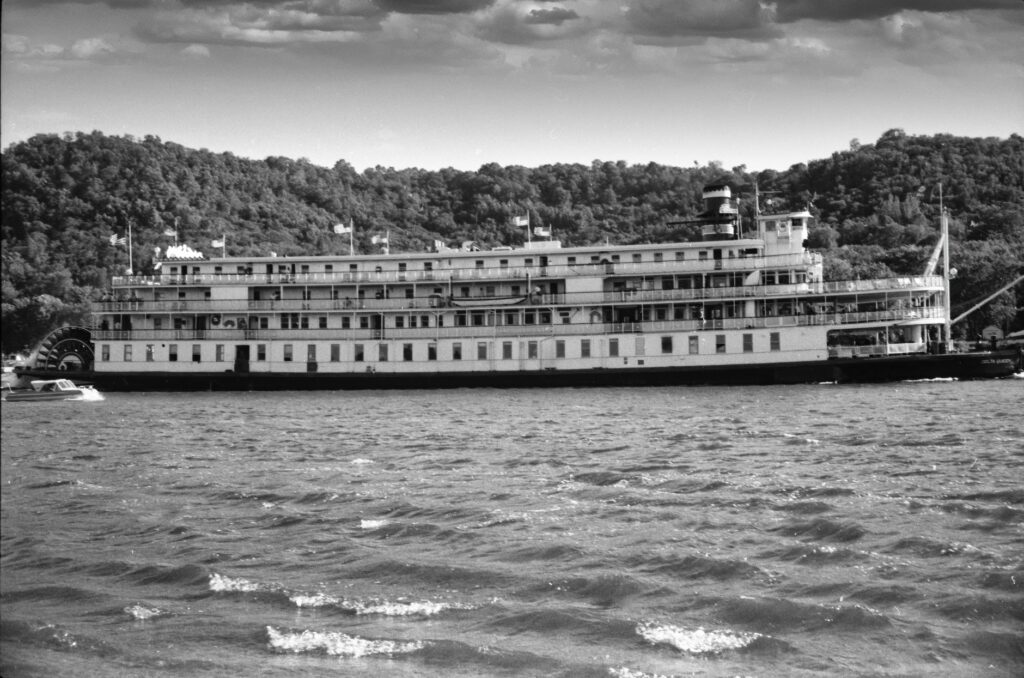
The structural conception of a traditional Mississippi steamer responds strictly to the physical demands of a wide yet shallow river. Unlike maritime vessels designed with deep keels for open-sea stability, river steamboats possess nearly flat bottoms. This characteristic allows them to float on barely a couple of meters of water, maximizing cargo surface area while making them extremely vulnerable to lateral winds and cross-currents. The superstructure, distributed across multiple levels or tiered decks, is constructed primarily from lightweight timbers such as white oak and pine, lightening total weight to prevent grounding.
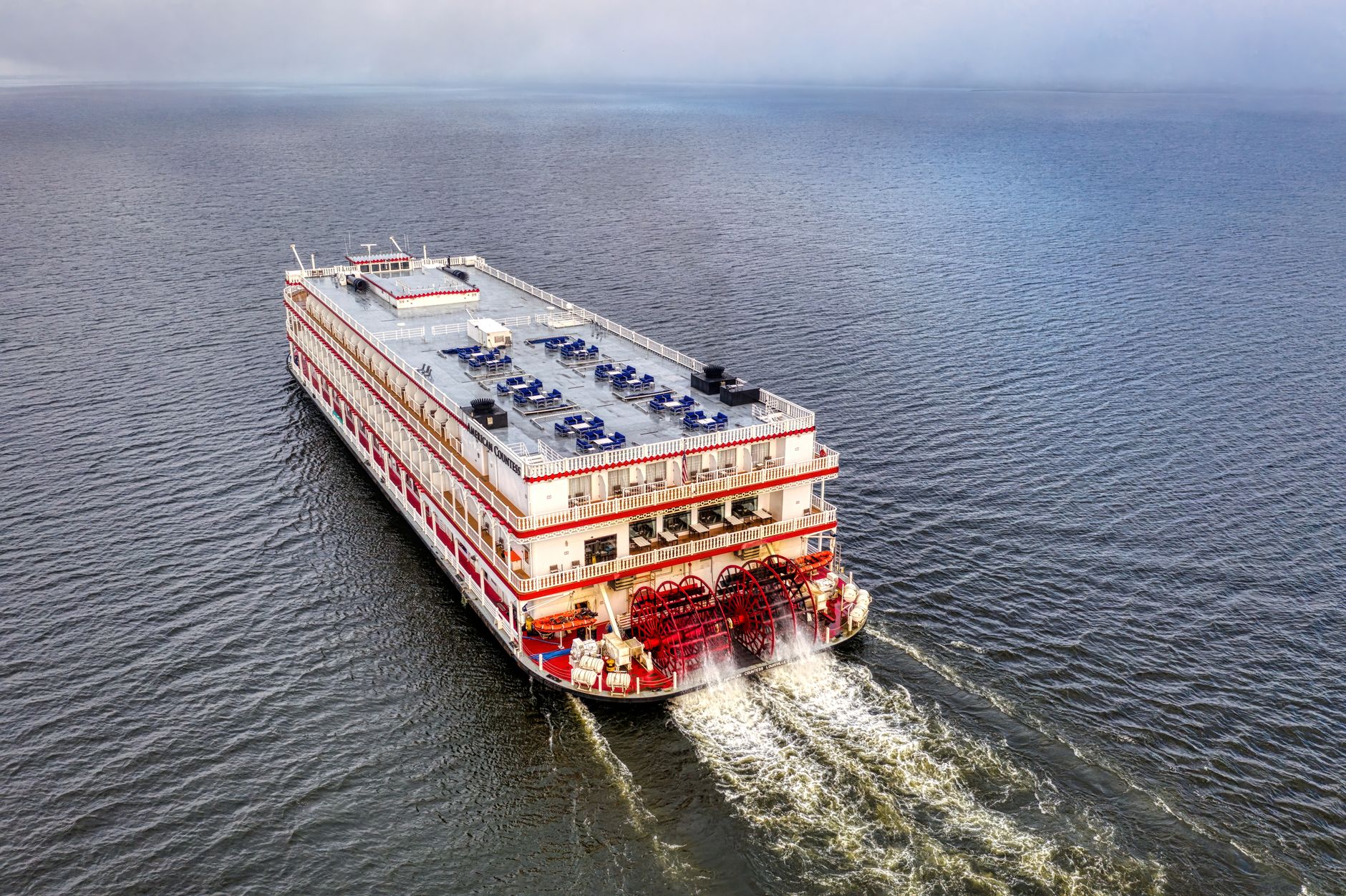
The most distinctive element of these vessels is situated at the stern: the enormous paddle wheel. Driven by low or high-pressure steam cylinders, this rotating structure transfers kinetic energy directly into the water via a series of rectangular wooden paddles arranged radially. Precision in calculating the pitch of these paddles is vital; if they submerge too deeply, they brake the vessel’s progress; if they ride too high, they lose traction and cause cavitation. Modern naval engineers supervising the restoration of these ships employ both original shipyard blueprints from Pittsburgh and Cincinnati and digital modeling techniques to replicate the exact tolerances of the nineteenth century.
The Boiler and Thermodynamics of River Steam
The beating heart of any Mississippi steamboat lies in its thermal propulsion system. In the dawn of river navigation, fierce competition for speed drove the use of high-pressure boilers, often crudely constructed from wrought iron and operated without proper safety valves. This historical circumstance caused tragic explosions that scarred the collective imagination and prompted the first federal regulations on maritime safety in the United States. Surviving vessels of the modern era operate under strict engineering protocols combining modern water-tube boilers or low-pressure systems certified by the Coast Guard.
The thermodynamic process begins in the combustion chamber, historically fueled by coal or wood and adapted in some cases today to clean diesel to comply with environmental regulations, while preserving the original visual appearance. High-temperature steam is channeled into enormous horizontal or inclined cylinders, where gas expansion pushes heavy pistons. This reciprocating motion is converted, via monumental forged-steel connecting rods, into the continuous rotation of the main shaft driving the paddle wheel. Each phase of this mechanical cycle emits a characteristic syncopated rhythm—the hiss of steam and the metallic strike of valves—forming the unmistakable acoustic signature of these vessels.

Crew and the Secret Art of Fluvial Piloting
Navigating the Mississippi does not rely on static nautical charts, as river cartography expires weekly due to constant sedimentation and bank erosion. For this reason, the role of the river pilot retains an aura of mystery and absolute respect. Traditionally immortalized by figures such as Mark Twain in his chronicles, the pilot’s trade demands millimeter-precise visual memory and an intuitive capacity to read the water’s surface. Subtle ripples, surface eddies, and mud coloration reveal to the expert the presence of submerged obstacles mere centimeters from the hull.
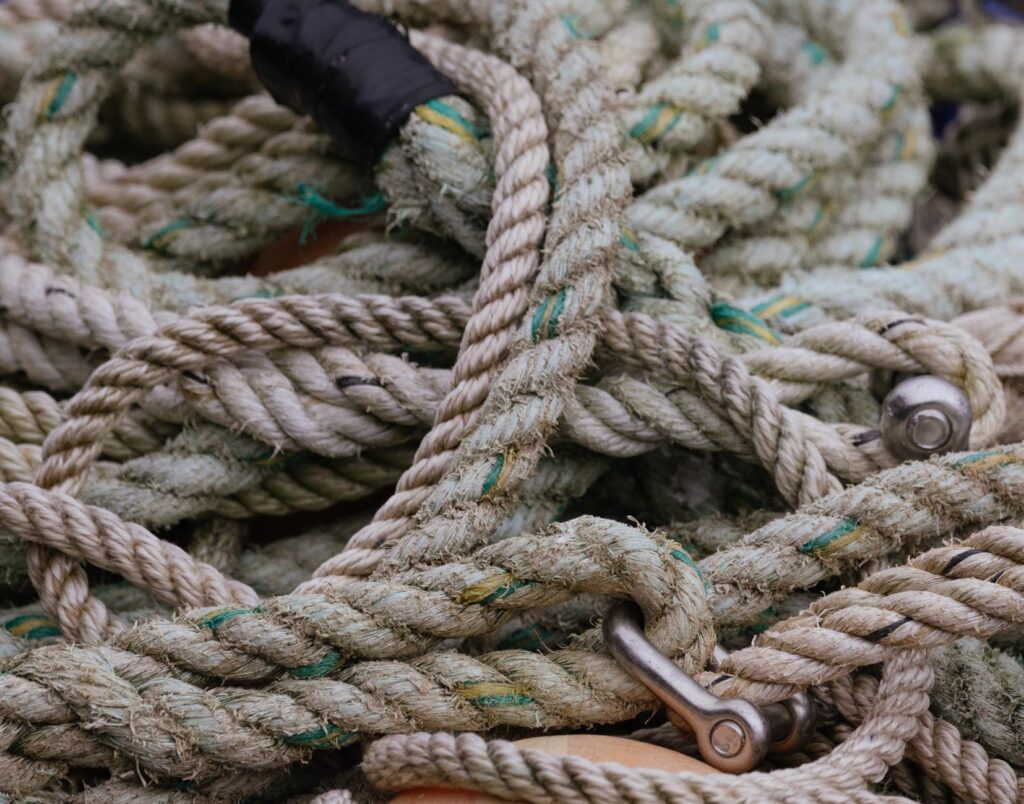
The crew is organized with a nearly military hierarchy imbued with maritime camaraderie. In the pilothouse, the captain and pilot relieve each other in marathon shifts, assisted by deckhands who handle heavy hemp mooring lines and steam capstans when the vessel docks at ports in Louisiana or Missouri. In the interior decks, hospitality staff keep alive the tradition of passenger care, evoking times when these ships functioned as floating drawing rooms where cotton planters, itinerant merchants, and diplomats converged.
Human Geography and the Economic Pulse of Historic Ports
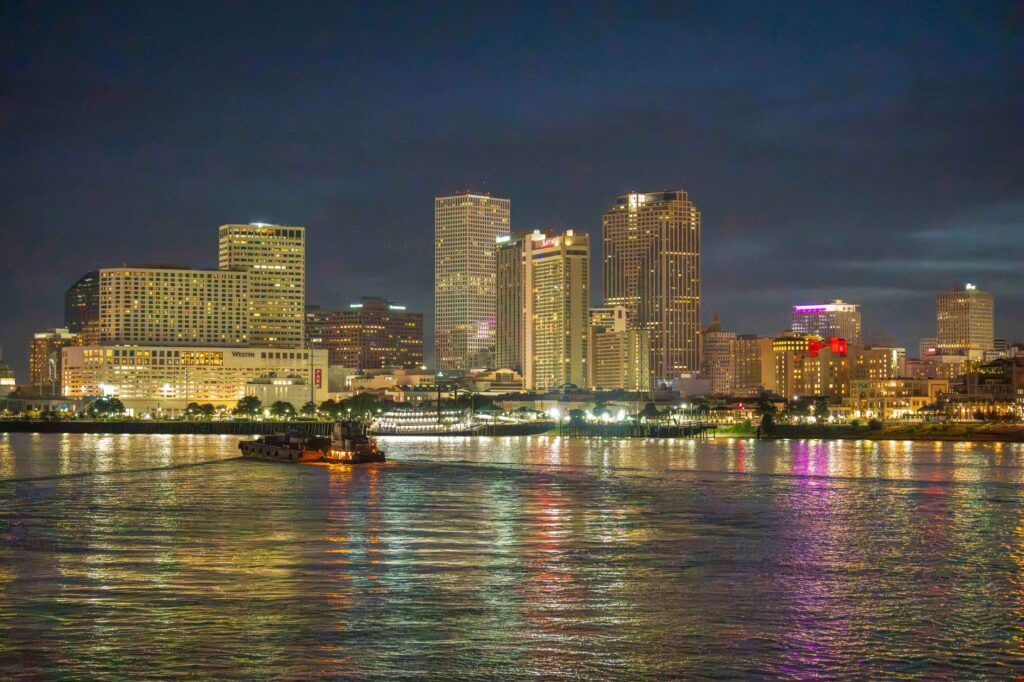
The economic and social impact of Mississippi steamboats shaped the settlement of key cities such as Natchez, Vicksburg, Memphis, and New Orleans. During the nineteenth century, these urban centers grew to the rhythm dictated by steamboat bells, discharging bales of cotton, sugar, and tobacco while embarking passengers toward the industrial north. Today, although bulk freight transport relies on imposing fleets of barges pushed by industrial diesel tugboats, passenger steamboats maintain a symbiotic cultural relationship with riverside communities, energizing industrial heritage tourism that values historical authenticity.
Stops at small rural landings allow observers to note the persistence of local economies tied to the river. Farmers, artisanal fishermen, and local river guides interact with travelers, sharing tales about major seasonal crests—the historic floods that periodically redraw the boundaries between land and water. This human exchange enriches the travel experience, transforming the journey into a floating seminar on the social geography of the American Deep South.
Practical guide
Planning a journey aboard a historic steamboat on the Mississippi River requires understanding seasonality and the limited availability of these vessels. Main routes generally operate between spring and autumn, avoiding extreme heat peaks and winter floods.
- Recommended Season: From April to June and September to November, when temperatures are moderate and the river flow offers stable navigation conditions.
- Main Departure Ports: New Orleans (Louisiana), Memphis (Tennessee), and St. Louis (Missouri) concentrate the primary terminals with historic docking infrastructure.
- Journey Duration: River cruises range from weekend getaways to full seven-to-ten-day voyages ascending the middle course of the river.
- Booking Requirements: Due to high demand and the small number of authentic operating vessels, berths must be booked at least six to nine months in advance.
- Accessibility and Amenities: Although modern air conditioning and elevators have been added to some levels, much of the original wooden architecture involves elevated thresholds and narrow corridors.
Epilogue: The Silent Wake in the Louisiana Twilight
As the sun begins to dip over the alluvial plains of Louisiana, tinting muddy waters with copper and violet hues, the paddle steamer slows its pace to approach the bank. In that moment of relative silence, interrupted only by the rhythmic splashing of the large oak paddles striking the surface, time seems to suspend itself. The silhouettes of bald cypress trees draped in Spanish moss cut against the horizon, reminding travelers that this landscape has remained indifferent to the frenzy of technological modernity. Traveling the Mississippi under these conditions is not mere geographical displacement, but a meditative immersion into the depths of American memory, where each navigated mile confirms the silent endurance of a mechanical heritage that refuses to vanish.