
The Wandering Gaze in the Era of Optical Precision
Traveling has never been solely an exercise in physical displacement; it is, above all, an act of perception. From the earliest illustrated ship logs to contemporary high-capacity memory cards, humankind has tirelessly sought tools capable of capturing the fleeting nature of the unfamiliar. In this pursuit, photographic technology has ceased to be a mere instrumental appendix and has become the cognitive filter through which we interpret landscapes, cultures, and time itself. Today, optical excellence seeks not just millimetric sharpness, but emotional fidelity in the face of the unexpected.
The democratization of professional equipment has radically transformed the profile of the modern traveler. We are no longer passive spectators recording static postcards, but visual chroniclers equipped with sensors capable of capturing the dim light of a Buddhist temple at dusk or the chromatic vibration of a tropical street market. This technical capacity raises a philosophical and practical dilemma: what is the boundary between the direct contemplation of experience and the obsessive mediation of the electronic viewfinder? The answer lies not in renouncing the tool, but in the maturity with which it is deployed.
Light as Territory: Geography and Technology at the Edge of the Frame
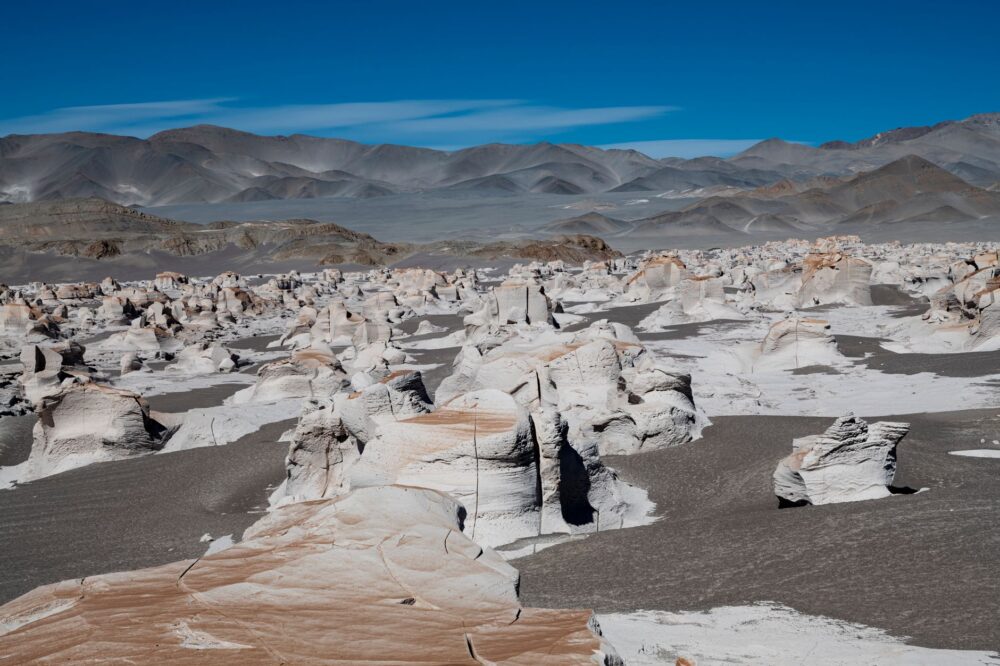
Territory is not merely a physical map demarcated by political borders and geographical accidents, but a luminous coordinate. Every latitude possesses an uncopyable quality of light, ranging from the metallic blue of high alpine summits to the diffuse warmth of coastal fog in the North Atlantic. Advances in image stabilization and dynamic range management expand the boundaries of the recordable, allowing the photographer to document reality under lighting conditions previously considered prohibitive.
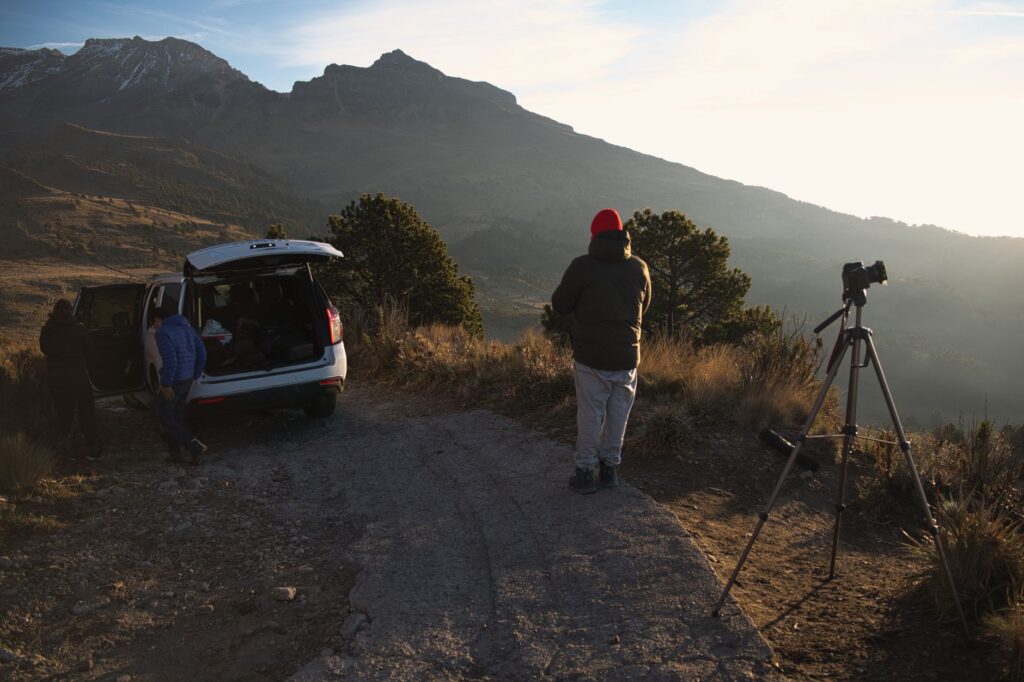
This technical evolution forces a rethinking of the discipline of travel. Carrying robust camera bodies and prime lenses no longer responds to a mere aesthetic caprice, but to a narrative necessity. The Gothic architecture of a European cathedral or the desert immensity of a South American salt flat demand specific optical responses that respect proportions and human scale. Equipment ceases to be dead weight and transforms into a respectful mediator with the environment, translating monumental scale into the scale of the human gaze.
The camera is not a shield against reality, but a subtle amplifier of attention that turns the everyday into an enduring document.
The contemporary challenge is to avoid the visual homogenization generated by the saturation of standardized images. With millions of travelers simultaneously documenting the same iconic enclaves, true distinction lies in the ability to find forgotten angles, peripheral textures, and visual silences. Advanced technology provides sharpness, but authorship resides entirely in the decision of what to leave outside the frame.
The Human Pulse: Portraits and Encounters on the Road
No landscape possesses true entity without the human presence that inhabits, traverses, or suffers it. People photography within contemporary travel demands a strict ethics of encounter. The use of discrete telephoto lenses or bright wide-angle glasses allows approach to community dynamics without altering their natural flow, respecting the invisible boundaries between the traveler’s curiosity and the host’s intimacy.
In the bustling spice markets of North Africa or the floating communities of Southeast Asia, the camera frequently acts as a cross-cultural bridge. Mutual curiosity regarding the optical artifact dissolves language barriers. However, the true photographic achievement is not measured by the audacity of physical approach, but by the depth of the bond that the frame is able to suggest. A good travel portrait reveals the subject’s dignity and the humility of the person holding the camera.
Advances in focusing speed and automated eye-tracking have drastically simplified the capture of spontaneous moments. Nonetheless, the most refined technique lacks value if the socioeconomic and cultural context of the portrayed person is ignored. The traveler’s responsibility is bidirectional: to record with veracity and to protect the identity of those who entrust their image to the lens.
Architecture, Movement, and the Rhythm of Cities
Contemporary metropolises are living organisms in constant mutation. Documenting urban architecture and the flow of transport requires understanding vanishing lines, the geometry of public space, and the speed of human transit. Ultra-wide lenses and distortion correction systems now allow us to capture the audacity of Asian skyscrapers or the complex web of European historic centers with astonishing geometric fidelity.
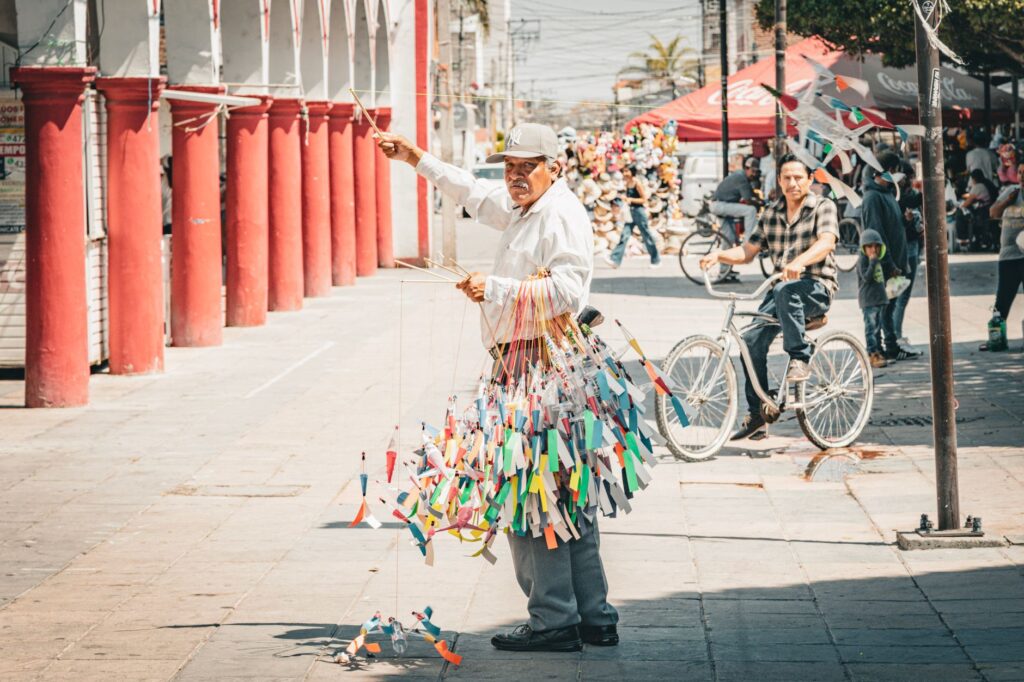
Public transport —from bullet trains crossing Japanese valleys to rickety ferries crossing the Bosphorus— constitutes a privileged observatory of local life. From the window or the platform, the camera records the micro-stories of commuters and globetrotters. The technical challenge lies in balancing the fast shutter speeds required to freeze movement with the subtle trail of dynamism defining urban energy.
- Use of tilt-shift lenses to correct perspective in large architectural complexes without resorting to digital distortion.
- Leveraging the blue hour in financial districts to contrast the artificial office light with the crepuscular sky.
- Documentary recording of rail and port transport as a metaphor for global human connection.
Material Memories: The Value of the Tangible in the Digital Age
In an ecosystem dominated by the intangibility of the cloud and backlit screens, a travel photographic archive risks becoming ephemeral. Paradoxically, as digital sensors reach astronomical resolutions, the need to materialize the creative process grows. Fine art printing, handcrafted travel albums, and the rigorous selection of digital negatives return photography archives to their condition as precious objects.
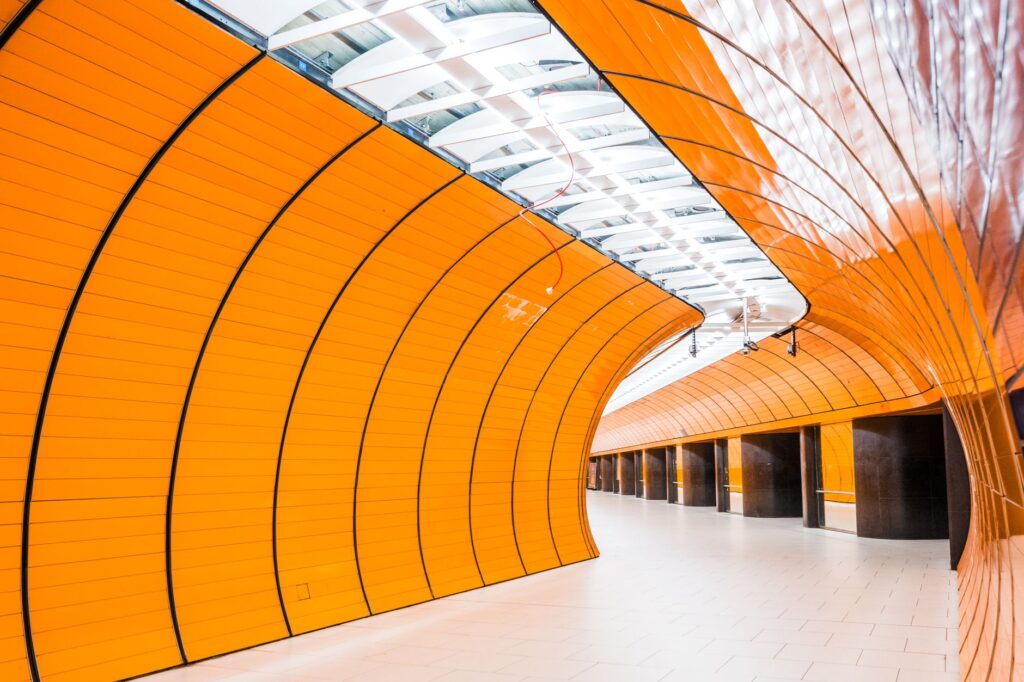
This return to the tangible modifies our relationship with leisure time and memory. Selecting only fifty images from ten thousand raw shots is an exercise in narrative synthesis comparable to writing a travel journal. Modern optical technology provides the raw material with immaculate quality, but it is the traveler’s editorial judgment that grants permanence and meaning to that collection of moments.
Preserving the visual memory of a journey is not about accumulating gigabytes of redundant information, but about distilling the essence of what transformed us along the way.
Practical guide
Planning the logistics of photographic and travel equipment requires technical rigor, knowledge of regulatory restrictions, and a meticulous selection of material resources to avoid excess weight and ensure equipment safety.
- Equipment Verification: Always acquire optical material through authorized distributors offering valid international warranties and verified technical support.
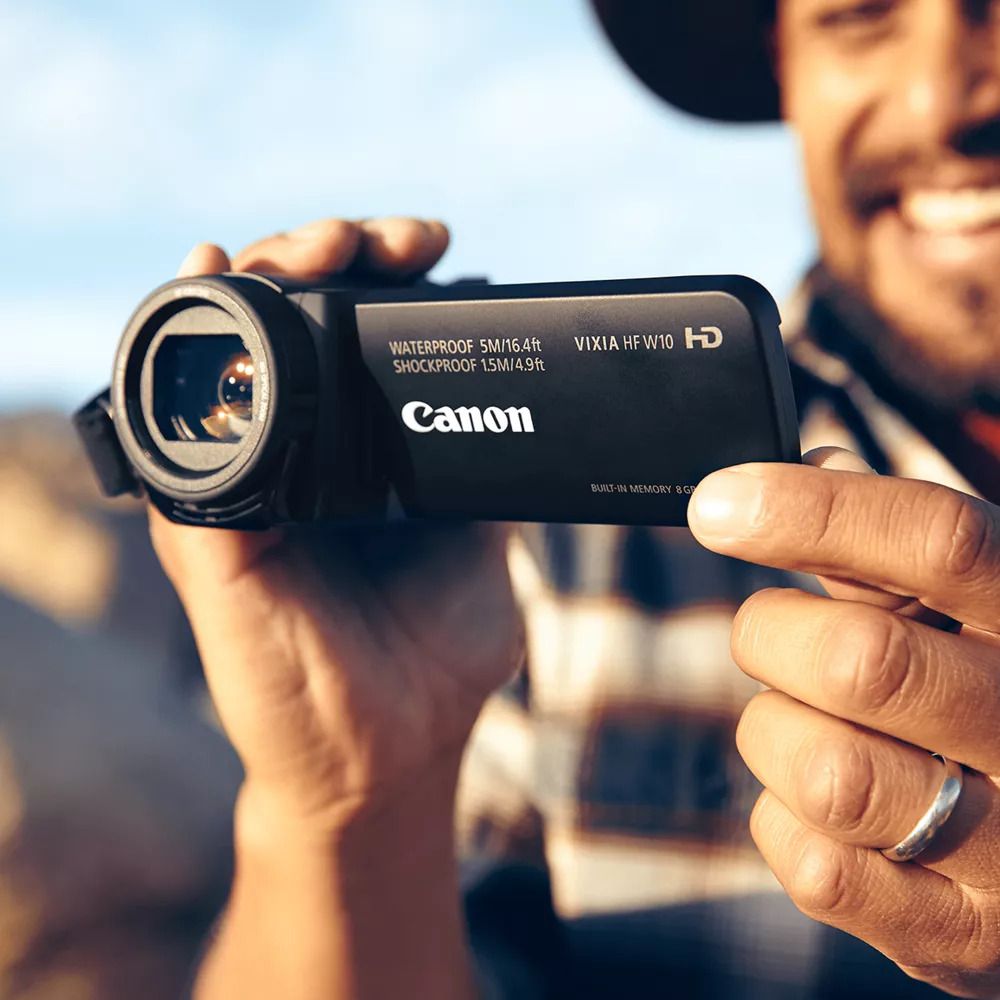
- Purchase Optimization: Take advantage of seasonal sales windows and official promotional coupon codes on leading brands like Canon to renew bodies and lenses before embarking on long-duration journeys.
- Route Energy Management: Invest in original high-capacity batteries and portable solar charging systems for expeditions in remote areas lacking electrical grid access.
- Security and Travel Insurance: Secure specific policies covering the total value of photographic equipment against theft, accidental damage, and extreme weather conditions.
- Airport Regulations: Always transport lithium batteries and camera bodies in carry-on luggage, strictly complying with international civil aviation guidelines.
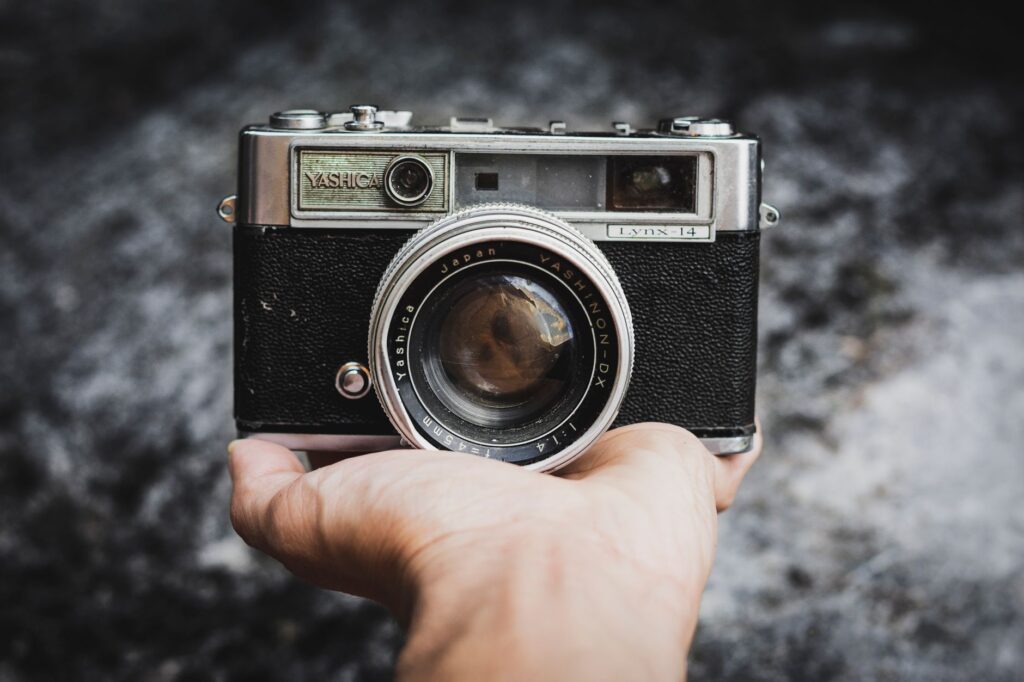
Visual Epilogue: The Territory of Emotion and Silence
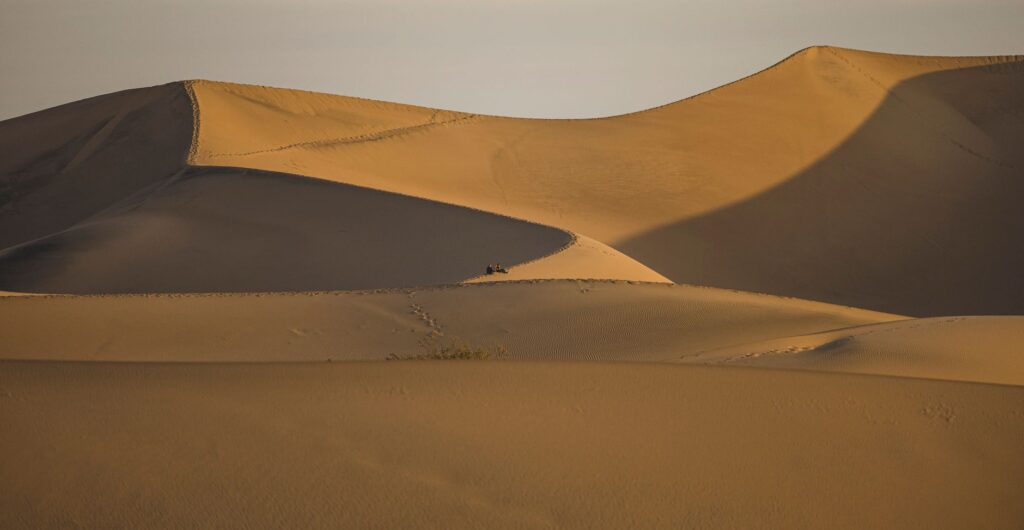
At the end of any journey, when equipment has been safely stored in cases and suitcases unpacked, what remains is that which cannot be measured in megapixels: the emotional sediment of wonder. The most memorable travel photography is not the one accumulating the greatest technical display, but the one capable of conveying the loneliness of a marine dawn, the rough texture of an adobe wall, or the infinite stillness of an unknown horizon.
The journey thus becomes a mirror where technology and human sensitivity converge. Every shot is a voluntary pause in the vertiginous race of time, a fragile testimony of our brief stay in foreign places that, through the work of light and memory, we ultimately inhabit fully.
Source in EN: Condé Nast Traveler – Photography technology and gear optimization guide for travel.