
Introduction to the Colossus of Rock and Ice
At over four thousand meters above sea level, the air of the Colombian Eastern Cordillera grows dense, sharp, and pierced by an absolute silence broken only by the whistling Patagonian wind. In this realm where vegetation yields to giant frailejones and glacial moraine fields, Vultur gryphus finds its ultimate stronghold. El Cocuy National Natural Park, with its imposing snow-capped peaks and vertical limestone abysses, is not merely a scenic sanctuary; it is a living laboratory where the survival of major wildlife depends on the delicate harmony between geology, climate, and strict biological monitoring.
As climate change retreats the ice caps at an alarming rate, altering food availability and updraft air currents, biologists and local communities are weaving an unprecedented protection network. This report examines the biological reality of the Andean condor in the heights of Boyacá, stripping the bird of its ancestral myths to observe with scientific rigor its territorial behavior, the threats besieging its flight path, and the scientific initiatives attempting to secure its permanence in South American skies.
Geography and Glacial Morphology of the Sierra Nevada
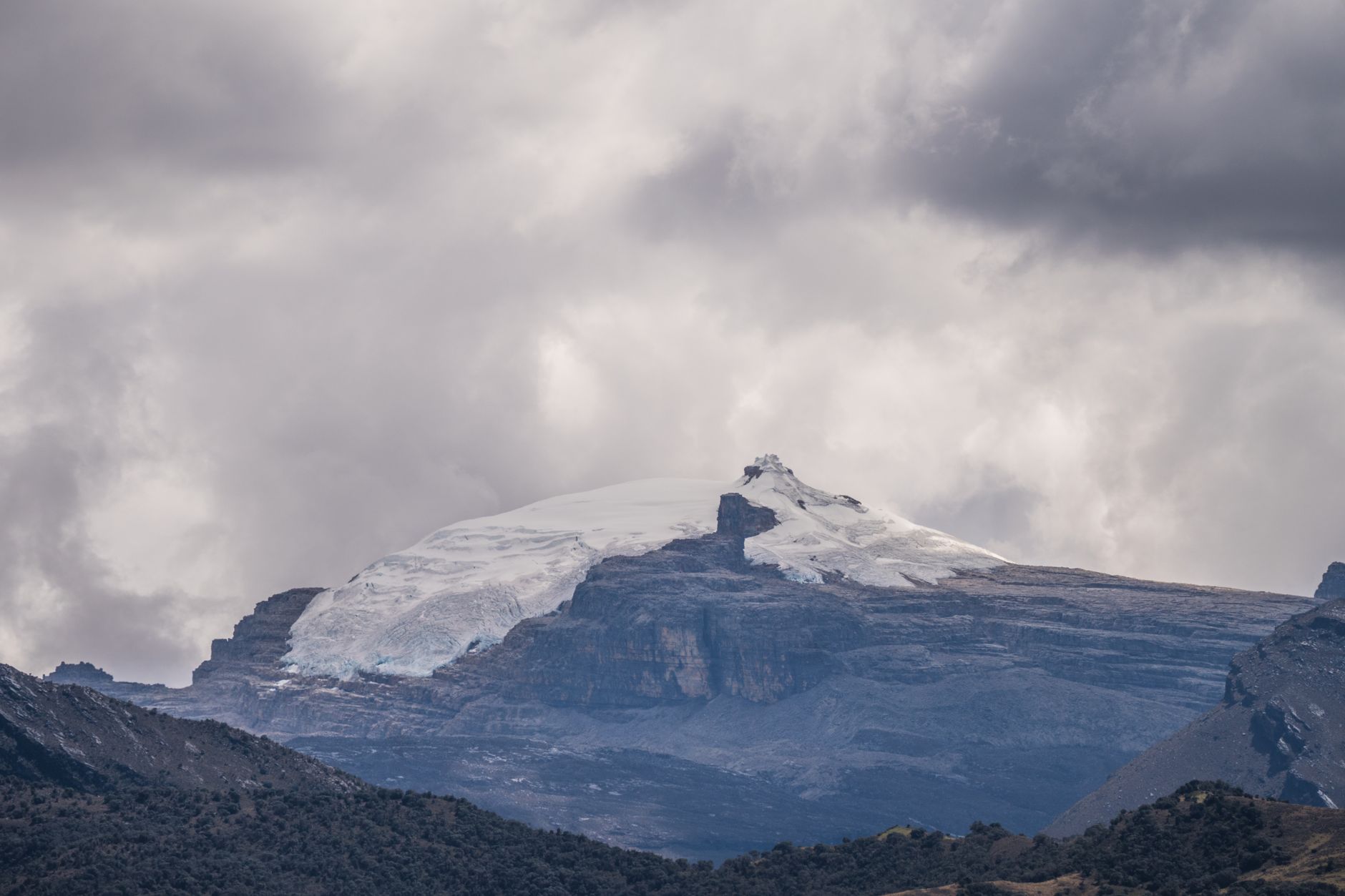
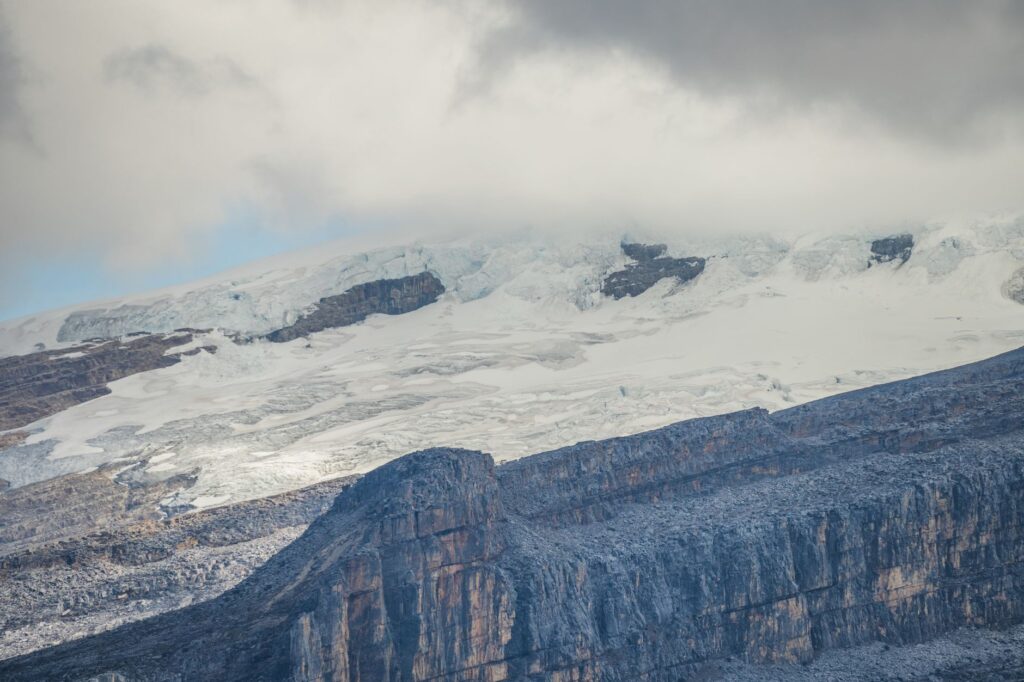
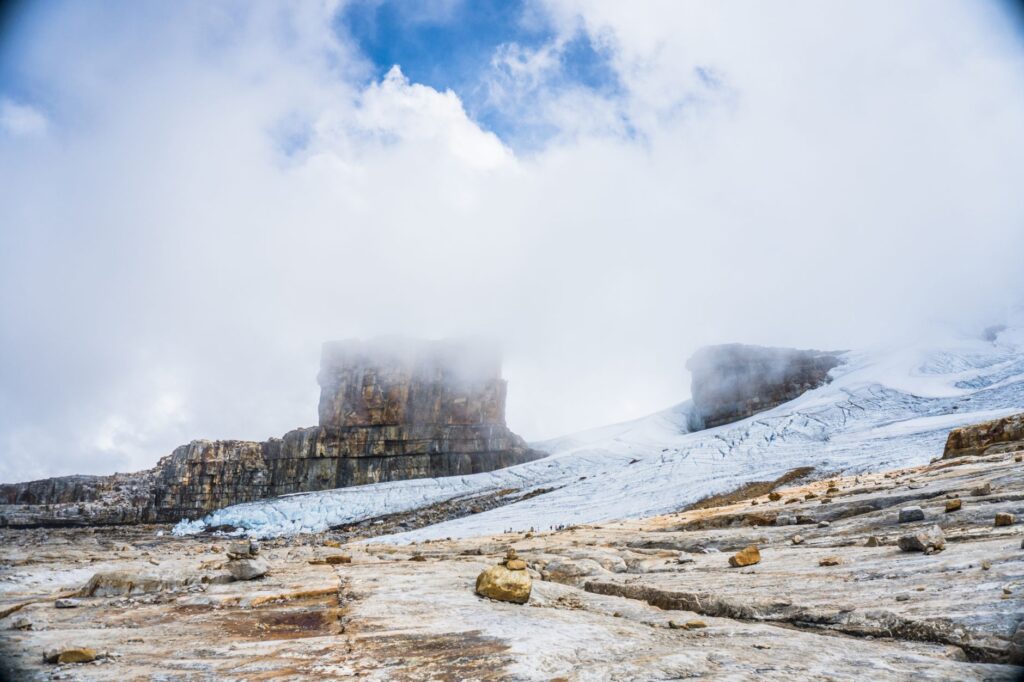
The geological architecture of El Cocuy is the result of millennia of glacial erosion and tectonic shifts that have raised rocky walls up to 5,330 meters high, such as the Pan de Azúcar peak. These vertical faces are not mere geographical accidents; they act as natural launch pads and thermal shelters for the Andean condor. Cold currents descending from the summits collide against sun-exposed slopes near the equator, generating powerful upward thermal currents that allow this winged mass to soar for hours with barely a flap of its wings.
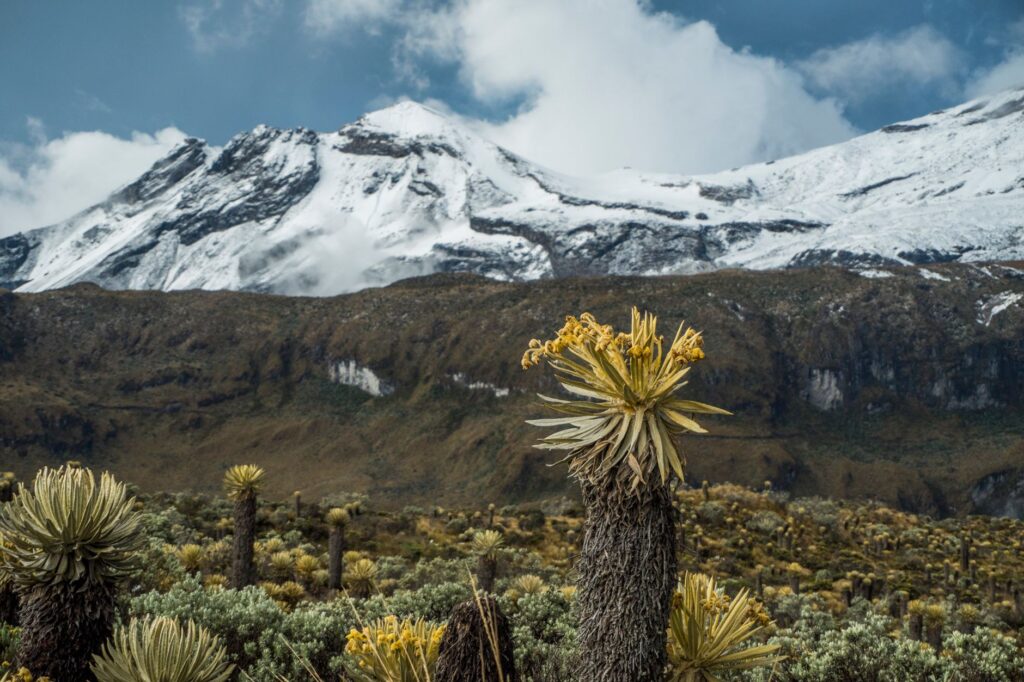
The high-mountain ecosystem is divided into well-defined biotic bands, from Andean forest to superparamo. It is in this latter zone, characterized by rocky soils and a sparse vegetation layer dominated by lichens and mosses, where the condor locates its lookout points. The stability of these vertical habitats is crucial. Any alteration in runoff or vegetative cover in the lower valleys directly impacts wild herbivore populations, whose carrion constitutes the primary sustenance of these scavenging birds.
Biology and Thermoregulation on the Roof of the Andes
With a wingspan exceeding three meters and a weight hovering around fifteen kilograms, the Andean condor is an evolutionary engineering marvel adapted to high-altitude flight. Its anatomy is optimized to exploit low atmospheric pressure and thermal convection currents. The primary flight feathers act as flexible ailerons that dissipate turbulence generated when brushing against rocky cliffs during landing maneuvers on inaccessible ledges.
Thermoregulation in sub-zero temperatures demands complex physiological adaptations. During early morning hours, individuals are commonly observed perching on east-facing ledges with their wings fully spread. This posture is deliberate; it maximizes body surface area exposed to direct solar radiation to raise internal core temperature before beginning food foraging. Its head and neck, devoid of feathers and often shifting tones based on mood or health, prevent organic debris accumulation during feeding and facilitate body heat dissipation when physical flight effort is extreme.
Population Dynamics and Dietary Habits
Unlike other raptors, the Andean condor invests enormous energy in rearing offspring. Its reproductive rate is among the lowest in the animal kingdom: females lay a single egg every two years, and chick dependency extends up to eighteen months. This biological slowness makes populations extremely vulnerable to any cause of unnatural mortality, whether through indirect poisoning or anthropogenic pressure in traditional grazing zones.
The condor’s low reproductive rate turns every birth in El Cocuy into a critical demographic event for species stability in the northern Andes.
The condor’s diet is strictly scavenging, fulfilling a fundamental sanitary role within the ecosystem. They locate remains of wild animals—such as white-tailed deer or pumas—and domestic livestock through keen eyesight and a community observation network involving other scavengers like turkey vultures. By rapidly consuming carcasses, they curb the proliferation of bacterial pathogens that could decimate other local wildlife species.
Contemporary Threats: Poisons and Fragmentation
Despite its protected legal status in Colombia, the Andean condor faces a silent crisis driven by extensive cattle ranching and rural ignorance. The illegal use of baits laced with agrochemical substances, originally deployed to eliminate predators like pumas or feral dogs, represents the primary cause of mortality. The condor, being the first to descend upon carrion, ingests the lethal toxin, decimating entire groups sharing communal roosting sites.
Compounding this threat is habitat loss and fragmentation caused by the expansion of agricultural frontiers and high-mountain ranching. Unplanned roads and disorderly tourist pressure along park access trails generate acoustic and visual disturbances during critical nesting periods, occasionally forcing breeding pairs to abandon nests on hard-to-reach rocky ledges.
Scientific Monitoring and Community Participation
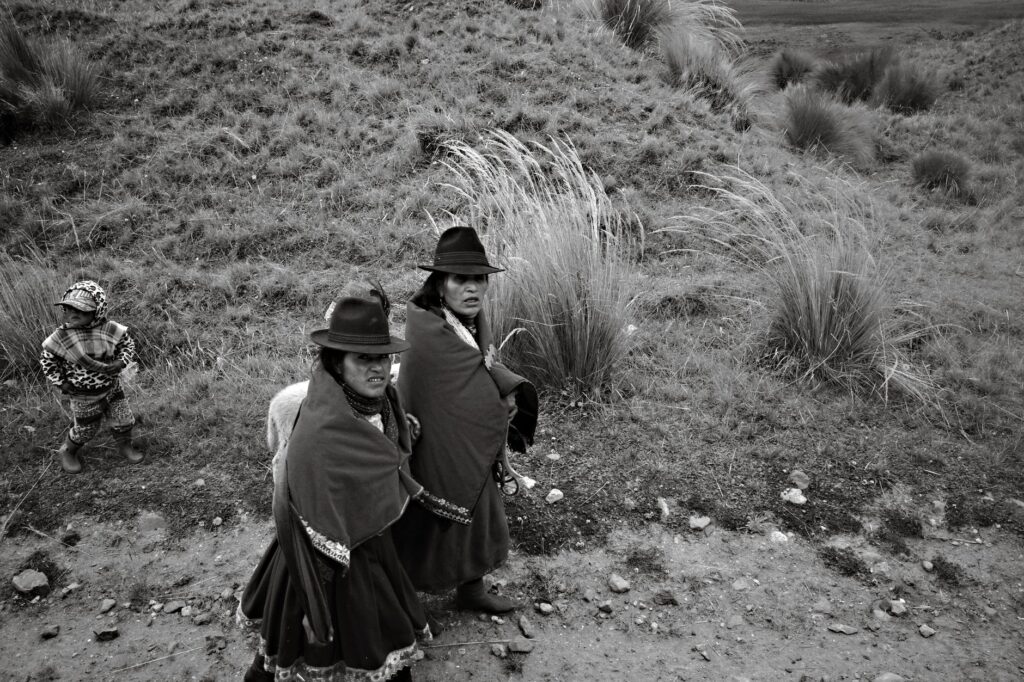
Familiarizing with this landscape, conservation strategies in El Cocuy have evolved from simple legal prohibition toward participatory science and environmental education with local inhabitants. Park rangers, ornithologists, and rural communities from municipalities like El Cocuy, Chita, and Güicán conduct simultaneous coordinated censuses to estimate the true number of individuals and locate active roosts on inaccessible vertical sierra walls.
The use of satellite telemetry via lightweight solar transmitters fitted on rehabilitated individuals has helped unravel inter-cordilleran flight routes. This data proves that the condor recognizes no national park administrative boundaries; it flies freely between departmental jurisdictions, foraging on private ranches and seeking refuge on protected summits, demanding coordinated regional management across the territory.
Conservation Architecture and Low-Impact Tourism
Well-regulated ecotourism has become a vital economic tool demonstrating to rural communities that a live flying condor generates more sustainable benefits than a threatened animal. Local guides trained in wildlife observation lead respectful expeditions avoiding approaching closer than five hundred meters from identified nesting zones, ensuring natural bird behavior remains undisturbed by human presence.
Similarly, economic compensation programs for ranchers suffering livestock predation from wildlife have drastically reduced poisoned bait deployment. This comprehensive approach proves that Andean condor conservation is not merely species biology, but a challenge of territorial governance and socio-environmental justice in the Colombian Andes.
Practical guide
How to get there: Main access to El Cocuy National Natural Park is from Bogotá via a nine-to-ten-hour road journey to base towns El Cocuy or Güicán de la Sierra. Four-wheel-drive vehicles are strongly recommended due to variable secondary mountain road conditions.
Recommended season: Months with lowest rainfall and optimal conditions for wildlife viewing and clear landscapes span December through March, with a secondary window in July and August. Avoid heavy rainy seasons (April-May and October-November).
Requirements and permits: Advance registration in the Colombia National Natural Parks online system is mandatory, alongside hiring an authorized local guide and purchasing the rescue and medical assistance insurance required for entering high-mountain zones.
Essential equipment: Layered technical clothing including waterproof windbreaker jackets, trekking boots with high-traction soles, certified UV protection sunglasses for high altitudes, broad-spectrum sunscreen, and long-range binoculars or spotting scopes for wildlife observation without altering animal space.
The Invisible Heartbeat of the Summit
As evening begins to fall over the foothills of the Sierra Nevada de El Cocuy, golden light bathes the rock walls with an almost mystical intensity. It is in this twilight moment that the high-mountain silence grows deeper, almost reverent. Atop an inaccessible ridge, an old condor slowly shakes its wings before folding them against its body, merging with the stony silhouette of the mountain that watched it hatch and that today, thanks to the tenacious effort of scientists and countryfolk, remains its impregnable fortress.