
In the heart of Extremadura, where time seems measured by the unhurried rhythm of the seasons and the ancient profile of monumental stone, gastronomy stands as an incorruptible archive of memory. The traveler who crosses the arches of the old town and descends into the contemporary commercial fabric discovers that the true vitality of Cáceres lies not only in its Renaissance palaces, but in the vibrant everyday life of its food bastion. The Central Food Market is not merely a point of economic exchange; it is the stage where the heartbeat of the dehesa, the secular effort of herding, and the wisdom of kitchens that have preserved their identity against global homogenization converge.
Crossing the threshold of this space in the early morning hours means witnessing a choral performance where the protagonists are the products of the land and the weathered faces of those who cultivate, raise, and transform them. Here, the Extremadura geography is broken down into aromas of thyme, La Vera paprika, cheesemaking traditions, and meats that hold the secret of winter pastures. This report proposes a deep immersion into the pillars supporting the pantry of Cáceres, unraveling the symbiotic relationship between the urban market and the vast horizons of the Plains of Cáceres.
The Architecture of the Pantry: Brick, Iron, and Memory
The market building, with its functional structure adapted to twentieth-century needs, engages in a permanent dialogue with the stony monumentality surrounding it. Beneath its high ceilings, a meticulous choreography unfolds where each stall operates as a small cathedral of fresh produce. Wholesalers and shopkeepers, many of them heirs to family legacies who have been rolling up the metal shutters at dawn for decades, handle their goods with an almost choreographic skill. There is no unnecessary shouting; instead, the respectful murmur of informed transactions prevails, where regular customers seek expert advice on the exact curing point or the ideal cut for Sunday stew.
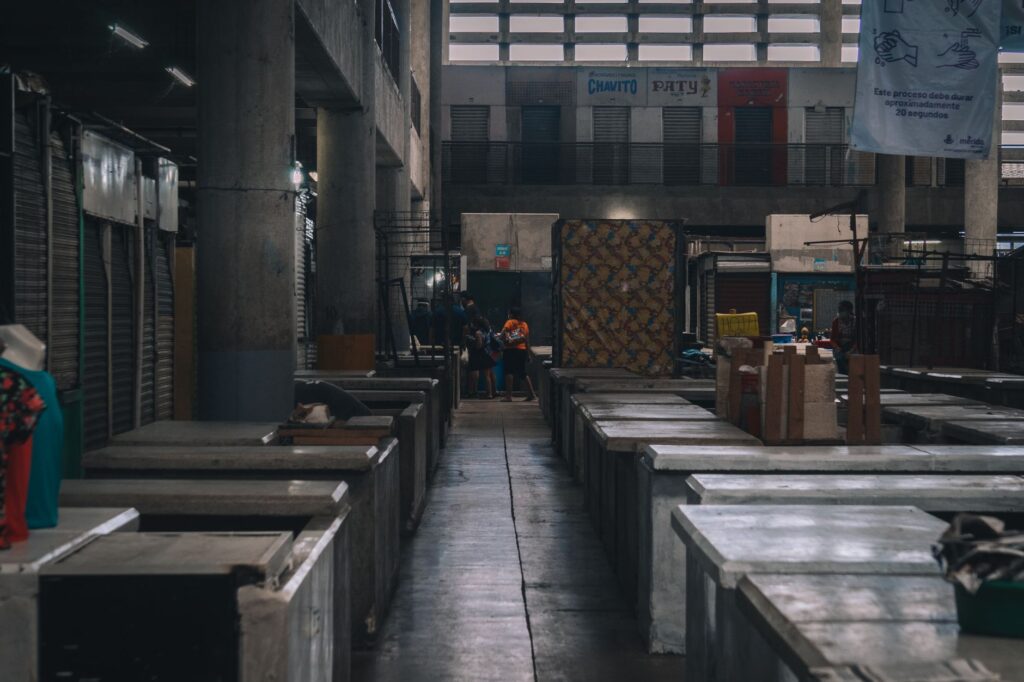
Within this ecosystem, the interior architecture fosters social encounter. The cold marble counters contrast with the chromatic warmth of seasonal fruits, vegetables from the Tagus river valley, and strings of cured meats hung with geometric precision. Natural light filtering through the side windows illuminates a hierarchy of flavors based on proximity. Every square meter of this venue tells a story of agricultural resistance, where surpluses from family orchards and small livestock farms find a direct channel for survival and recognition.
The Red Gold of the Dehesa and the Liturgy of Iberian Pork
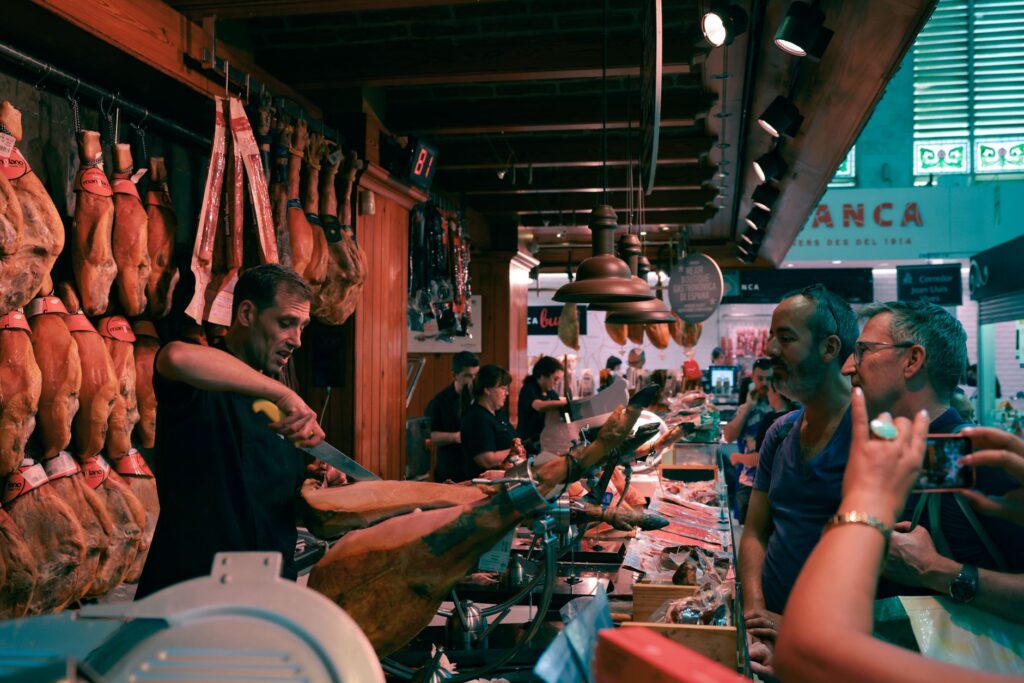
If there is one element that underpins the culinary identity of the region, it is the Iberian pig raised under the free-range montanera system. The dehesas extending across the north and south of the province provide a unique habitat where the combination of holm oaks and cork oaks generates the acorn, the sacred fruit that determines the excellence of hams, shoulders, and cold cuts. In the aisles of the market, professional carvers practice their trade with the calm precision of a surgeon, slicing translucent pieces that reveal marbled veins of fat, faithful testimony to a life lived freely under the Extremadura sun.
Conversations with butchers shed light on the complexity of classifications by acorn-fed and grain-fed standards, dismantling commercial myths and restoring value to artisanal products. Less well-known cuts of great culinary significance, such as the pluma, abanico, or presa, are also sold here—cuts that until a few decades ago were reserved for the domestic consumption of herding families. Today’s cuisine in Cáceres has elevated these meats without stripping them of their rustic and direct character.
Iberian pork in the dehesa is not merely a source of food resources; it is the ecological architect that preserves the balance of a unique ancient ecosystem in Europe.
The Invisible Pastures: The Cheese Universe of the Plains
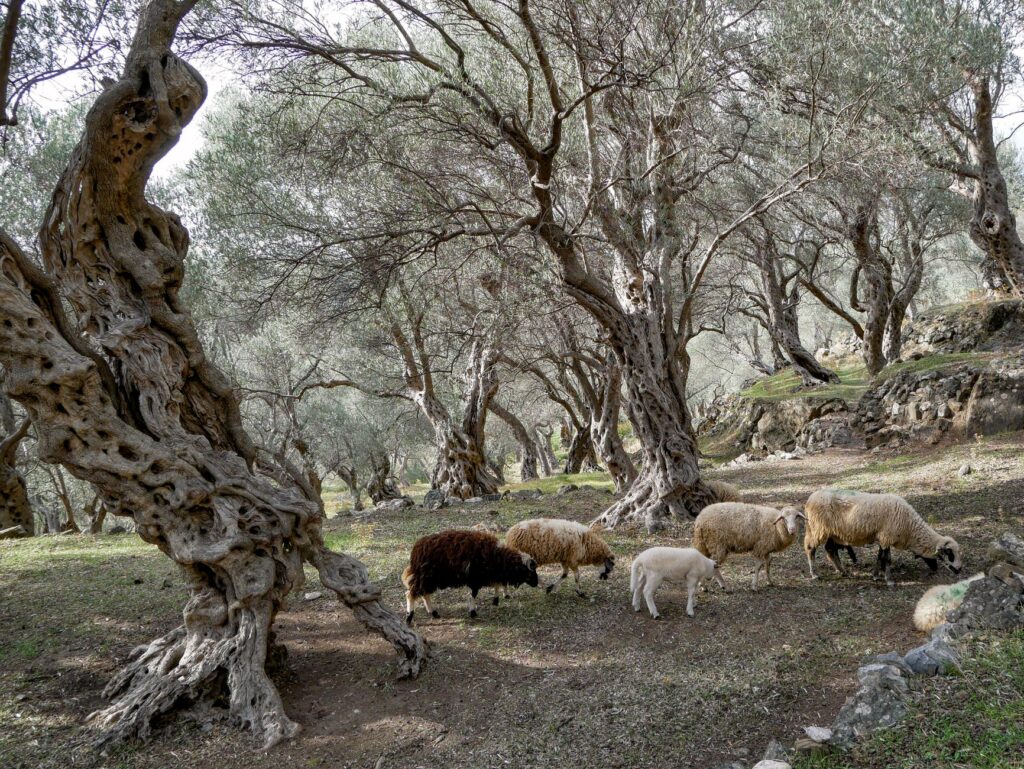
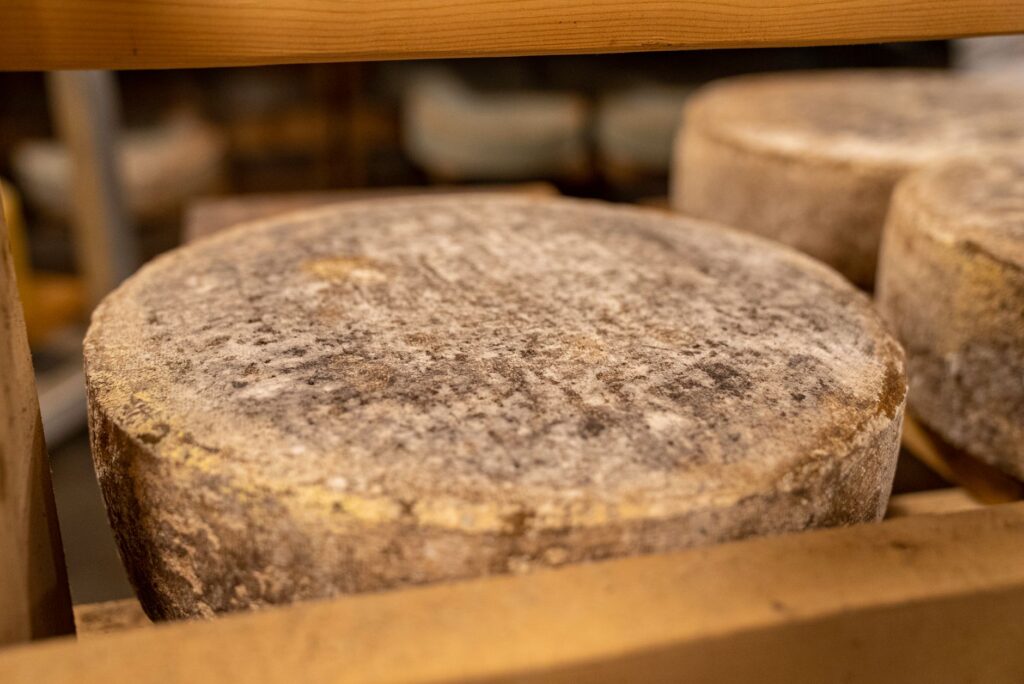
A few kilometers from the urban bustle, the Plains of Cáceres unfold a cereal and pasture steppe that feeds flocks of Merino sheep and Retinta goats. This deceptively austere landscape is the origin of some of the most complex cheeses on the peninsular panorama. In the market’s specialty stalls, rinds dusted with flour or washed with paprika conceal interiors of creamy or compact texture, depending on the maturation and the type of plant rennet used, traditionally obtained from the flower of the wild thistle.
The cheeses of the Land of Cáceres and neighboring designations of origin represent a victory against time and industrial standardization. The artisanal dairies supplying the stalls combine centuries-old methods with rigorous sanitary controls, achieving wheels where herbaceous notes, subtle bitterness, and a precise touch of salinity merge on the palate. Chatting with vendors about the differences between a young torta cheese and a long-aged wheel is stepping into a botany lesson applied to raw milk.
The Orchard and Dryland: The Vegetable Pantry of the Lowland
Agriculture surrounding Cáceres benefits from river courses and traditional irrigation channels that complement harsh drylands. In the market, vegetables exhibit honest sizes and intense flavors, far removed from the plastic perfection of global commercial circuits. Tomatoes, peppers, and pumpkins recover their seasonal prominence, dictating the foundations of hot and cold soups that form the soul of the local diet.
Legumes fill burlap sacks that invite touching and smelling. Regional beans, chickpeas, and lentils are the foundation of hearty stews designed to combat the continental winter cold of Extremadura and the thermal extremes of summer. Vendors patiently explain necessary soaking times and local tap water hardness, technical details that transform a simple dish into a masterpiece of domestic alchemy.
The Ritual of the Slow Hearth: Soups, Crumbs, and Stews
The cuisine of Cáceres fed by the market avoids unnecessary artifice. It is sustained by the principle of extracting maximum flavor from humble ingredients through the technique of patience. Extremadura bread crumbs, made with stale bread, extra virgin olive oil, paprika, and pork cracklings, summarize the philosophy of rural men and women who needed lasting energy to face long days of labor.
Likewise, lamb or kid stew, flavored with bay leaf, garlic, and local wine, becomes the liturgical dish of community and family gatherings. In the historic quarter’s restaurants and private homes, these dishes are prepared respecting slow cooking times in earthenware casseroles. Local cuisine thus acts as an invisible bridge between the silvopastoral past and a present that values authenticity over disposability.
Practical guide
Planning a visit to the Central Market of Cáceres and its gastronomic surroundings requires attending to local rhythms to enjoy the experience to its fullest.
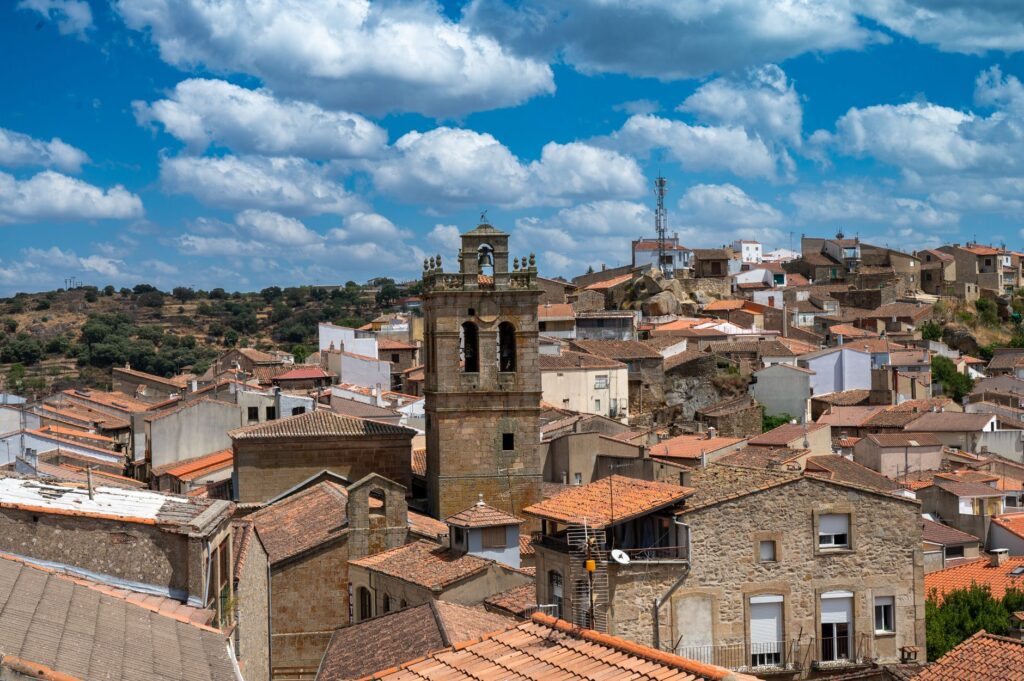
Location and Hours: The market is located in the commercial expansion zone near the historic center. It opens Monday through Saturday from 08:00 to 14:30 hours, with early morning being the optimal time to see the fresh produce in its entirety.
How to Get There: It is accessible on foot from any point in the old town via a pleasant downhill walk. For those arriving from other provinces, train connections and highway links facilitate access, though walking through the center is recommended due to traffic restrictions in the walled enclosure.
Shopping Tips: Always ask about the origin of seasonal products. Vendors are accustomed to advising on specific cuts of Iberian meat and maturation points for torta cheeses.
Accommodation and Dining: Numerous boutique hotels and charming small lodgings occupy rehabilitated palaces within the walled city. For dining, combine traditional tapas in bars near the market with a leisurely dinner in restaurants interpreting Extremaduran cuisine.
Best Time to Visit: Autumn and spring offer mild temperatures ideal for exploring both the market and the surrounding dehesas, while coinciding with key moments in the agricultural and livestock calendar.
The Echo of the Holm Oak in Time
When the afternoon begins to soften the outlines of the wall and the final market stalls pack away their goods, Cáceres recovers a solemn stillness that invites reflection. In this corner of Extremadura, food is not a mere biological formality, but an invisible pact between human beings and the territory that sustains them. Every slice of ham, every wedge of artisanal cheese, and every spoonful of traditional stew carry the memory of hands that worked the land and the patience of a landscape that, despite modern pressures, continues to dictate its own laws.
The traveler who leaves the city with luggage impregnated with aromas of paprika and holm oak understands that true contemporary luxury consists of this: being able to taste intact history, served unhurriedly at a table where every dish is a tribute to the resilience of rural life.