
Introduction to the Heights of Aigüestortes
High-mountain territory in the western Pyrenees harbors biological secrets that reveal their true magnitude only after a rigorous hike along stone paths and scree slopes. In Aigüestortes i Estany de Sant Maurici National Park, the landscape is defined by a geology sculpted by Quaternary glaciers and glacial lakes known locally as ibones. This extreme environment is not a sterile stage, but the primeval habitat of one of the most emblematic species of Iberian fauna: the Pyrenean chamois, scientifically classified as Rupicapra pyrenaica.
Far from the mass tourism that saturates Pyrenean valleys during the summer months, summits exceeding two thousand five hundred meters in altitude host complex ecological dynamics. Biologists and rural wardens monitoring these natural frontiers observe with meticulous attention how chamois populations respond to increasingly warm winters and summers marked by severe drought episodes. This report examines the biology of this agile ungulate, the morphological changes in its environment, and the strict conservation measures needed to safeguard its legacy in the Lleida peaks.
Glacial Morphology and the High-Mountain Habitat
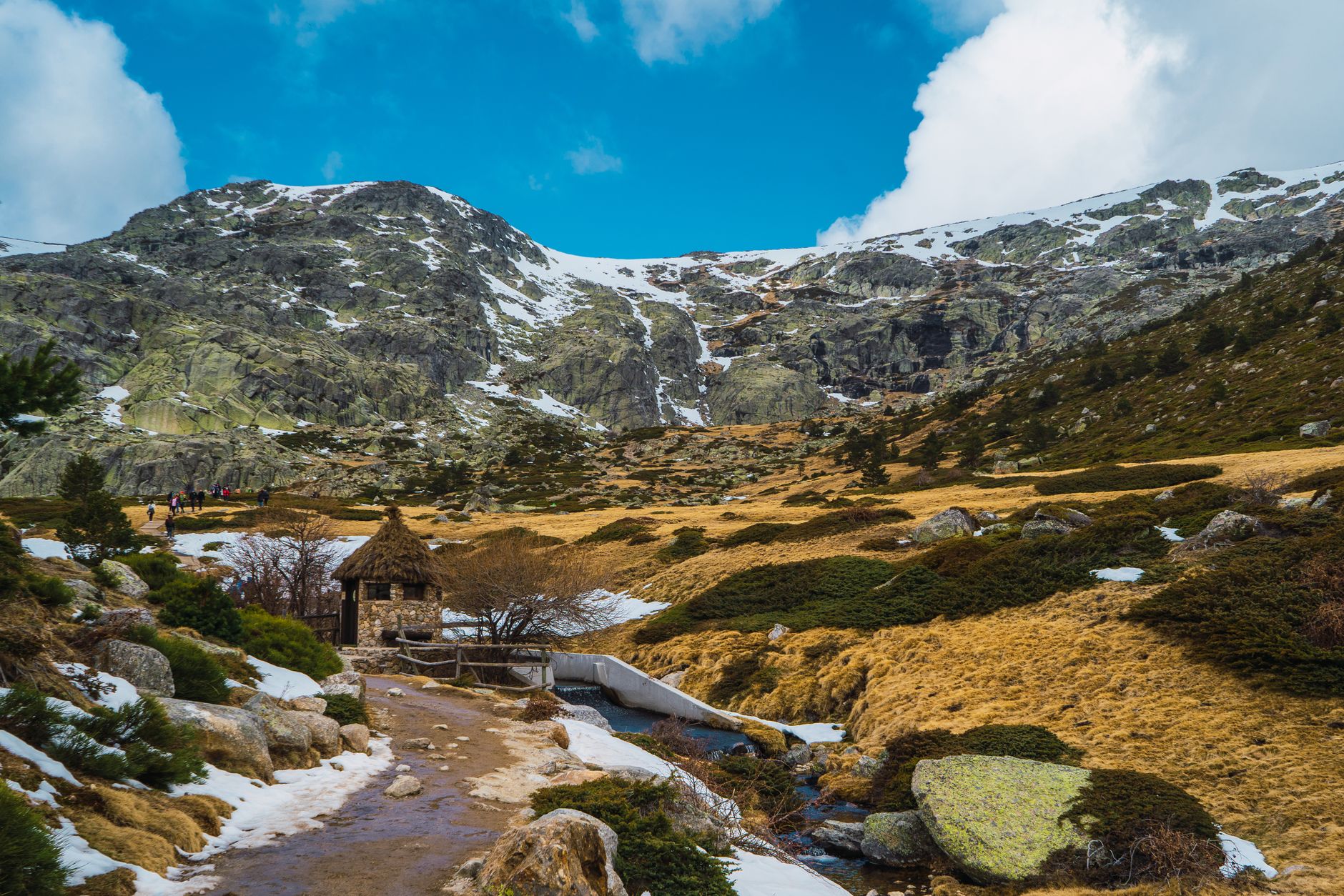
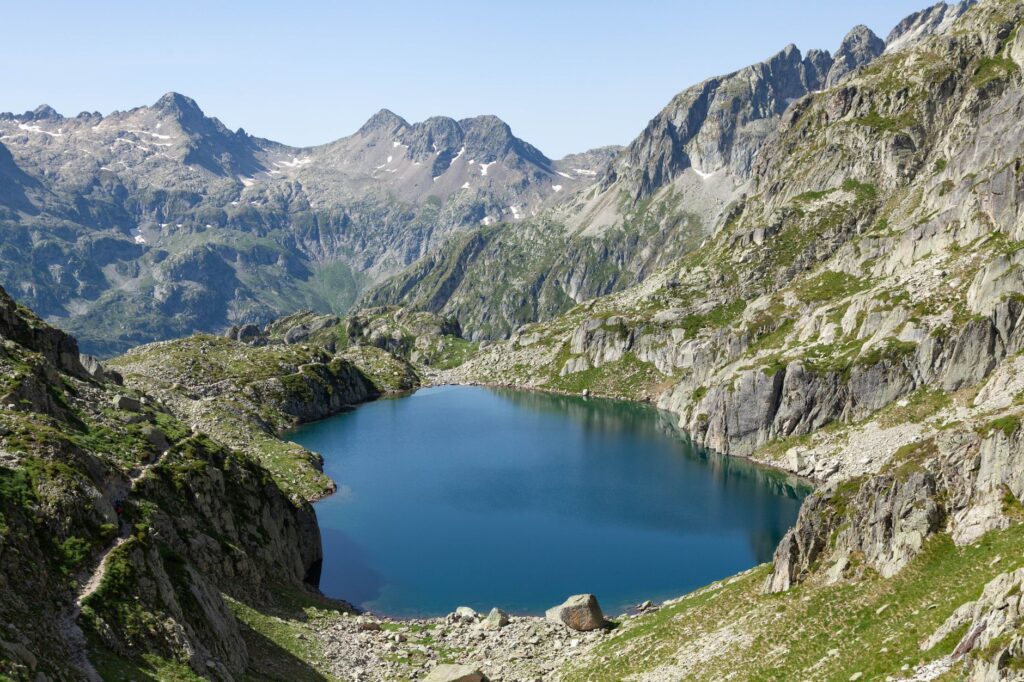
To understand the survival of the Pyrenean chamois, analyzing the geological substrate it inhabits is imperative. Aigüestortes National Park owes its physiognomy to the intense action of ice masses during the Pleistocene, a process that carved U-shaped valleys, glacial cirques, and basins that now shelter over two hundred lakes or estanyes. Granite and slate slopes offer a rugged terrain where constant erosion generates unstable screes and sharp ridges acting as natural barriers against generalist predators and unchecked human activity.
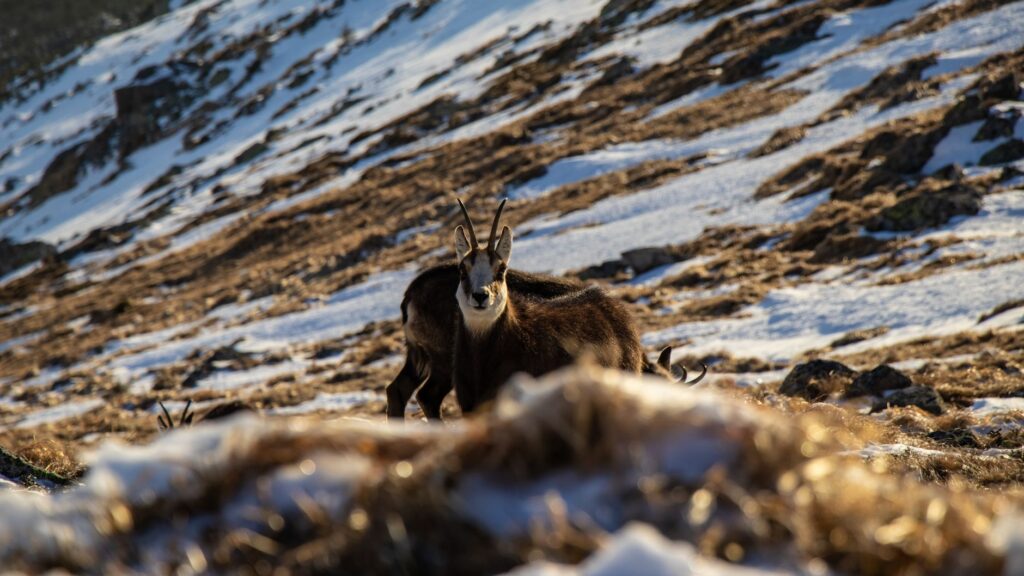
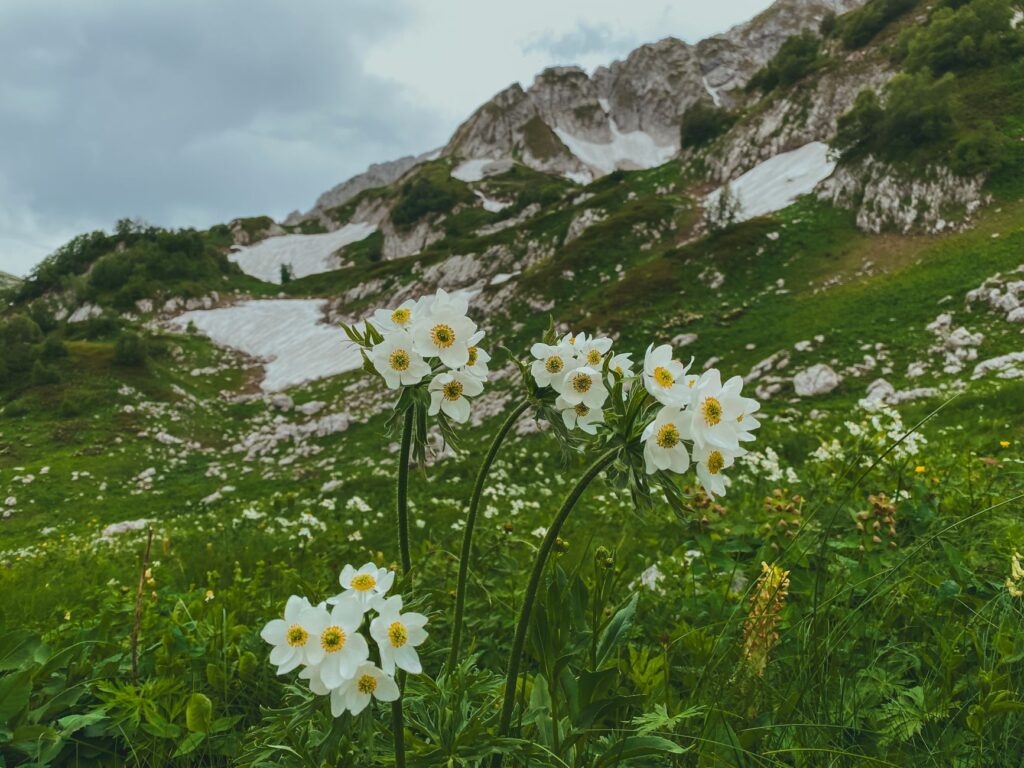
Within this steep relief, vegetation is organized into clearly defined bioclimatic belts. Above the black pine and fir forest marking the subalpine fringe, the alpine belt extends, dominated by dense grasslands and creeping shrubs such as rhododendron and dwarf juniper. Higher up, bare rock and boulder fields dominate the landscape. It is in this upper tier that the chamois finds its optimal refuge, a territory characterized by harsh winters, strong katabatic winds, and very high ultraviolet solar radiation demanding extraordinary physiological adaptations.
Biology and Morphological Adaptations of Rupicapra pyrenaica
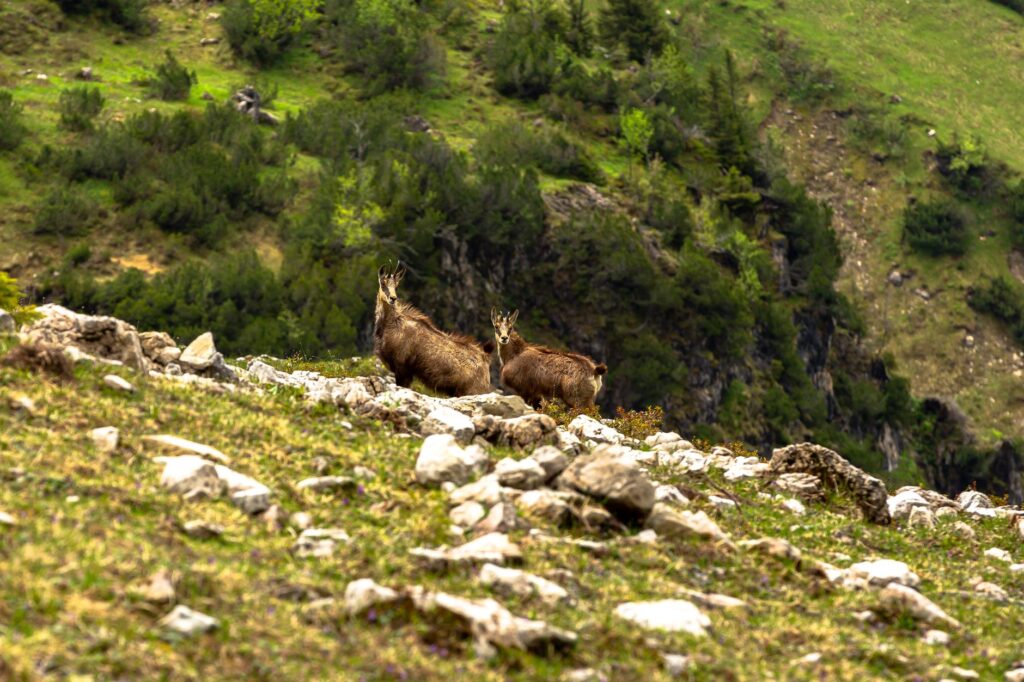
The Pyrenean chamois is a medium-sized bovid perfectly engineered for locomotion in vertical and unpredictable terrain. Its anatomy reveals millennia of evolution oriented toward mechanical efficiency: its hooves possess a hard outer rim acting as a natural crampon on frozen rock, while the central pad, soft and elastic, provides exceptional grip on wet or slippery surfaces. This digital structure enables jumps of several meters across precipices with millimetric precision.
Beyond its limbs, the internal physiology of Rupicapra pyrenaica is optimized to withstand extreme thermal fluctuations. Its coat undergoes a radical seasonal molt: during warmer months it acquires a reddish-brown and lightweight tone, while in autumn it develops a dense, dark coat of long hair with a thick insulating undercoat allowing it to tolerate temperatures dropping below minus twenty degrees Celsius. Horns, present in both males and females though slightly more hooked in males, serve both to establish social hierarchies during the rutting season and to defend against occasional golden eagle attacks on newborn kids.
Seasonal Dynamics and Social Behavior
High-mountain life is dictated by the inexorable rhythm of the seasons. During spring, coinciding with snowmelt and the sprouting of early tender grasses on sunny slopes, pregnant females retreat to inaccessible ledges to give birth to a single offspring. This temporary isolation minimizes predation risk and ensures the caloric intake necessary for lactation. Adult males, meanwhile, tend to lead a more solitary life or gather in small bachelor herds, occupying the highest and most exposed elevations of the massif.
With autumn’s arrival, the landscape acquires ocher and golden hues announcing the onset of the rut. During this period, males descend toward gathering areas seeking harems formed by females and their kids from the previous year. Fights between competitors are frequent yet ritualized, based on short chases and frontal horn clashes rarely resulting in fatal injuries, though demanding enormous energy expenditure at a time when food availability begins to dwindle drastically.
The Impact of Climate Change on Nival Ecosystems
The sustained increase in global temperatures is irreversibly altering Pyrenean climate patterns. Data collected by high-mountain weather stations indicate a notable reduction in the number of days with continuous snow cover and a retreat of permanent snowbanks previously surviving in the shaded pockets of the highest peaks. This snow scarcity not only affects the hydrological cycle and summer river flows, but directly impacts the phenology of alpine flora upon which wild herbivores depend.
Thermal regime alteration also favors the expansion of parasites and pathogenic vectors toward altitudes where they previously could not survive due to extreme cold. Veterinarians and biologists monitoring chamois populations have documented sporadic outbreaks of infectious keratoconjunctivitis and lung parasitosis in colonies traditionally maintaining good health. Paradoxically, reduced winter snow accumulation can facilitate access by trophic competitors, such as domestic livestock, to high-altitude pastures previously protected by meters of snowpack for much of the year.
Human Pressure and Park Tourism Management
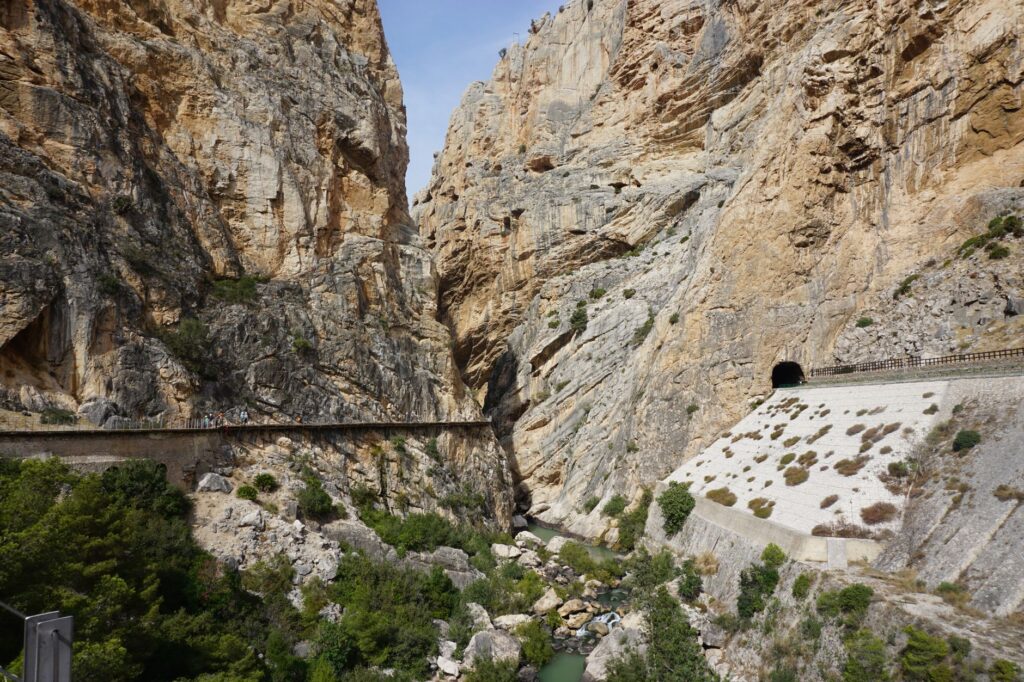
Declared a National Park in 1955, Aigüestortes welcomes hundreds of thousands of visitors annually, drawn by the pristine beauty of its lakes and the relative accessibility of its hiking routes. While regulating private vehicle traffic at main entrances and banning wild camping have mitigated the most destructive impacts, summer overcrowding on key trails generates acoustic and physical stress in native fauna. Chamois, animals sensitive to unexpected human presence, tend to abandon optimal feeding areas when hiker density exceeds critical thresholds.
Nature tourism in protected areas demands a fragile balance; every step off the marked trail represents a direct intrusion into the delicate metabolic balance of alpine fauna.
Park managers face the constant challenge of educating visitors through environmental awareness programs and rigorous maintenance of a marked trail network channeling human flow. The presence of unauthorized or unleashed companion animals constitutes one of the greatest threats to ungulates like the chamois, as their chasing instinct triggers panicked flights that can cause fatal falls on rocky terrain or spontaneous abortions in pregnant females.
Practical guide
Planning a rigorous and respectful visit to Aigüestortes i Estany de Sant Maurici National Park requires understanding local regulations and changing meteorological conditions in the high Pyrenean mountains.
- Recommended season: Months from June to September offer the safest access to high-elevation trails, though July and August register peak visitor numbers.
- Access and transport: Private vehicle access is restricted in main valleys. Using the official authorized off-road taxi service from towns like Espot or Boí is mandatory.
- Essential equipment: Mountain footwear with high-traction soles, layered clothing with waterproof membrane, high-index sunscreen, category 3 or 4 sunglasses, and telescopic poles.
- Fauna observation: Bringing quality binoculars (8×42 or 10×42) and maintaining a minimum safe distance of fifty meters to avoid altering chamois behavior is strongly advised.
- Strict regulations: Making fires, camping outside staffed refuges, littering, collecting plants or minerals, and entering with companion animals are strictly prohibited.
The Silence of the Summits and Traveler Responsibility
Contemplating the Pyrenean chamois silhouetted against the golden sunset horizon, just as the shadows of granite crests begin covering glacial valleys, is an experience transcending mere wildlife sighting. It represents humanity’s reunion with the indomitable essence of wild nature. In this sanctuary of stone and water, every rock eroded by wind and every crystal-clear tarn recall the fragility of an ecosystem that has endured millennia of glaciations but today depends critically on the moderation and awareness of those visiting it.
Preserving the summits of Aigüestortes rests not solely on public administrations and conservation teams, but on the ethical attitude of every traveler traversing its trails. By adopting silent, respectful wildlife observation tourism strictly confined to park regulations, we ensure the sharp warning whistle of the chamois continues echoing among rocks for future generations, keeping the wild pulse of the Catalan Pyrenees alive.