
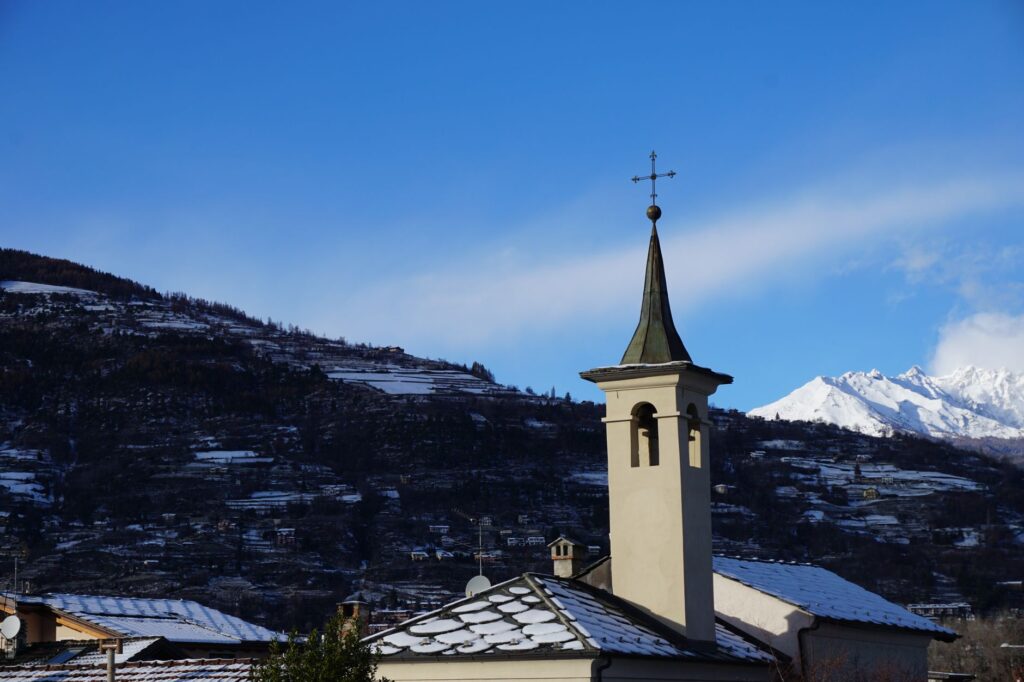
In the northeastern confines of Italy, where the Julian Alps fracture into gray stone walls and coniferous forests climb toward perpetual snows, the air possesses a distinct density. This is not merely the chill of altitude or the crystalline purity of the breeze descending from the glaciers; it is a subtle, almost imperceptible vibration that seems to emanate from the earth itself. In this geographical crossroads where Latin, Slavic, and Germanic cultures converge, music is not a mere aesthetic adornment, but a structural component of the landscape. The high valleys, carved by glacial torrents and crowned by inaccessible peaks, harbor a unique artisanal tradition: the construction and restoration of monumental organs—colossal instruments that transform the architecture of mountain temples into living resonant chambers.
The silence of these latitudes is not a void, but a canvas awaiting tuning. During the winter months, when heavy snowfall isolates villages and mountain passes close to vehicular traffic, the rhythm of life retracts into the interiors of master organ builders’ workshops. These spaces, impregnated with aromas of pine resin, beeswax, tanned leather, and hot solder, operate as laboratories of acoustic alchemy. Here, the physics of sound intersects with precision carpentry and traditional metallurgy, yielding artifacts that defy the transience of modern time and integrate organically into the Alpine architectural heritage.
The Geography of Wood: Vertical Forests and Millennial Resonance
The genesis of a pipe organ begins long before the first chisel touches timber; it starts on the shadiest slopes of the Julian Alps, where silver firs and Swiss stone pines grow under severe climatic stress. Altitude and constant exposure to freezing winds force these trees to develop slow, uniform growth. Growth rings narrow until they become nearly invisible, configuring a dense, homogeneous grain with exceptional acoustic properties. Master organ builders personally select each standing tree, seeking those trunks that have matured without knots or deviations, facing the full rigor of the Alpine winter.
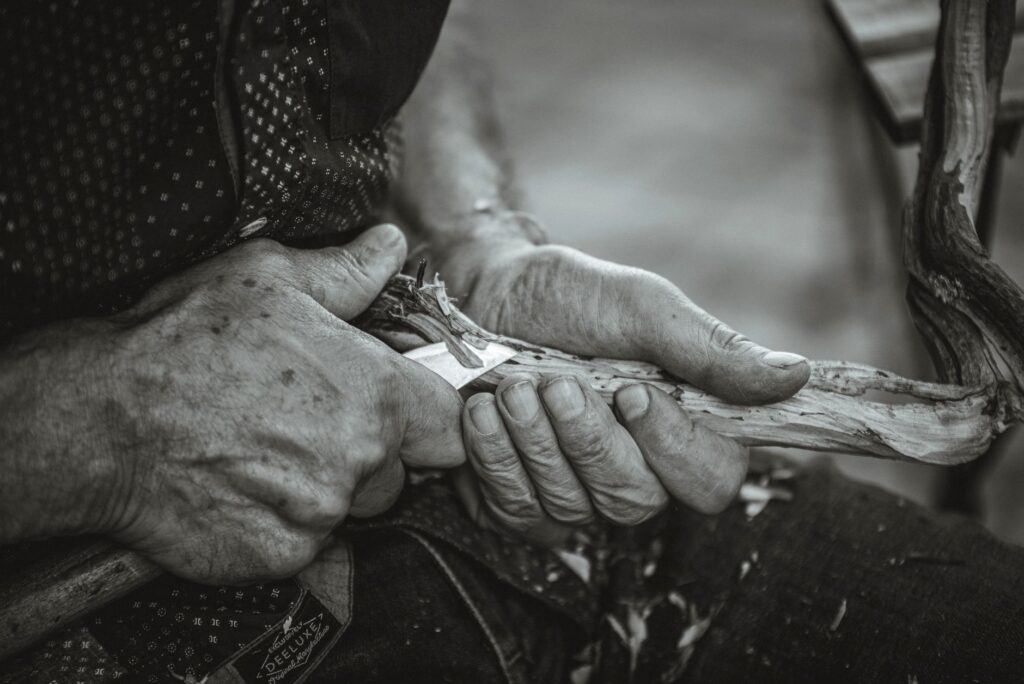
Once felled, the curing process demands a patience that defies contemporary industrial standards. Planks are stacked outdoors for years, exposed to spring rains, summer heat, and winter frosts, allowing the internal tensions of the sap to release naturally. This prolonged drying grants the wood absolute dimensional stability, an indispensable requirement ensuring that the windchest tabletops—the mechanical heart distributing air to the pipes—do not suffer microscopic deformations with seasonal humidity shifts. In these workshops, cutting-edge technology coexists with centuries-old methods: electric machinery yields to manual saws and forged iron hand-planes that respect the molecular structure of the wood.
The Alchemy of Metal: Casting and Alloys in the Forge
If wood provides the structure and harmonic warmth, metal is responsible for giving voice to the instrument. At the heart of the workshop, the casting area resembles a medieval forge. Here, exact proportions of tin and lead are prepared, combining in varying percentages to determine the timbre, brilliance, and depth of each stop. Tin imparts clarity and projection, while lead grants darkness, roundness, and body to the emitted note.
The casting technique is an exercise in physical precision and synchronization. Molten metal at high temperature is poured onto a stone table covered in felt and linen, creating a metallic sheet of mathematically calculated thickness. This sheet is subsequently hand-scraped with specialized blades to correct any surface imperfections and calibrate density at every point. From these sheets, pipes are cut, rolled, and soldered—individual units ranging from a few millimeters to several meters in length. Each seam is executed with surgical precision, ensuring the pipe body is entirely airtight and capable of withstanding wind pressure without parasitic resonances.
The pipe organ is not merely a musical instrument; it is a breathing architecture that translates mountain geography into sonic geometry.
The final voicing and tuning of these metal pipes is a process lasting weeks inside the mountain churches. The organist-voicer, equipped with cutting tools and tuning cones, adjusts the lip and mouth of each pipe, listening to how the sound interacts with stone vaults and masonry walls. At this point, the building’s acoustics become an active member of the design team, requiring air pressure and mouth aperture to be adapted to the specific humidity and temperature of the sanctuary.

Sacred Architecture and Dialogue with Alpine Stone
Integrating a monumental organ into a mountain church presents a major architectural challenge. Temples in the Julian Alps, characterized by robust stone towers, modest naves, and ribbed vaulted ceilings, possess highly pronounced natural reverberation. Organ builders must study the acoustics of the space with the same meticulousness a civil engineer applies to suspension bridge stress analysis. The instrument’s facade, known as the organ case, is designed in close harmony with the temple’s Baroque or Gothic altarpieces, utilizing hand-carved noble woods that complement the liturgical aesthetic.
This dialogue between movable art and stonework transcends the visual, becoming a functional symbiosis. The organ case acts as a natural acoustic baffle, projecting sound evenly into the central nave and preventing high frequencies from getting lost in dead architectural corners. In many instances, local workshops must perform genuine feats of reverse engineering, dismantling colossal components to thread them through historic narrow doorways and reassembling them in elevated galleries using pulleys and artisanal scaffolding that have barely changed since the 18th century.
Mechanical Action: The Triumph of Tracker Touch
Faced with the temptation of digitization and modern electronic systems, workshops in the high valleys fiercely defend pure mechanical action, traditionally known as tracker action. In this system, each key depressed by the organist is physically connected via a network of thin wooden trackers, pivots, and brass squares to the valves admitting air into the pipes. There are no fiber-optic cables, no electromagnetic relays, and no digital delays; there is direct, tactile, and absolute contact between the force of the musician’s fingers and the vibrating column of air inside the pipe.
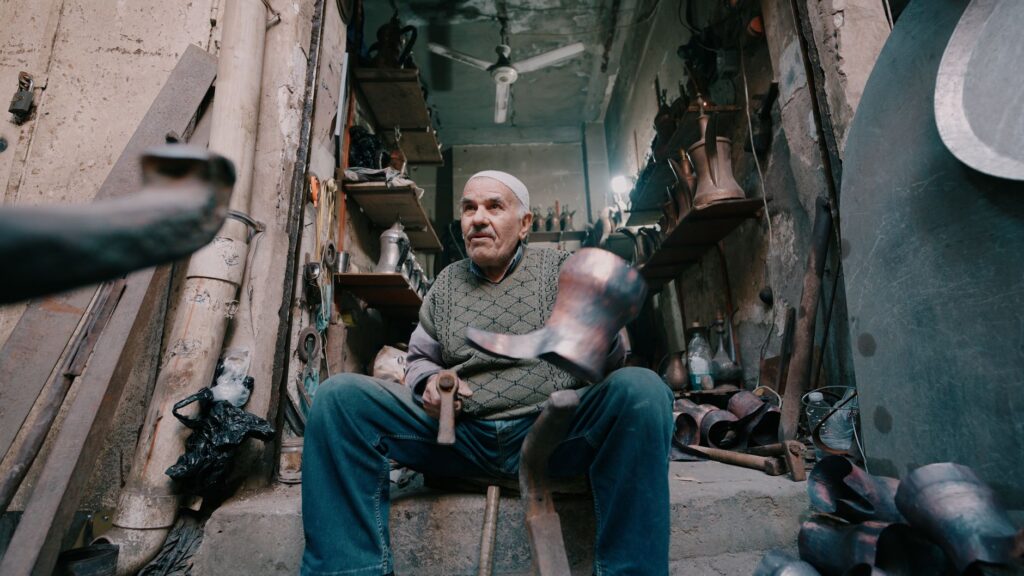
This mechanical resistance grants the performer absolute control over sound attack and articulation. The organist perceives the air pressure supporting the valve directly in their fingertips, modulating aperture through subtle variations in touch. To craft these intricate transmission networks, artisans employ hard woods such as boxwood or pear, carving tiny components that must fit with tolerances under a tenth of a millimeter. It is labor of infinite patience, where a miscalculation in a three-meter tracker rod can ruin the tactile response of an entire keyboard.
- Manual selection of Swiss stone pine wood on shadowed slopes.
- Natural curing of timber for a minimum period of five years.
- Artisanal casting of tin and lead alloys in golden proportions.
- Manual soldering and shaping of flue and reed pipes.
- Design of direct mechanical action systems without electronic assistance.
- On-site voicing adapted to the reverberation of stone temples.
- Philological restoration of historic instruments from the 17th and 18th centuries.
Transmission of the Craft: Knowledge Defying Generational Turnover
In an era marked by industrial automation and planned obsolescence, the future of artisanal organ building in the Julian Alps balances on a delicate equilibrium. Rooted in family structures and master-apprentice learning networks, workshops face the monumental challenge of passing down a corpus of knowledge requiring decades of assimilation. No academic manuals compile the full spectrum of physical, chemical, and artistic variables needed to build a pipe organ; the trade is learned through prolonged observation, errors corrected at the forge, and the constant repetition of ancestral gestures.
Young artisans joining these workshops must master disparate disciplines such as three-dimensional technical drawing, architectural acoustics, soft-metal metallurgy, and cabinetry. The survival of this cultural ecosystem does not depend on massive subsidies, but on preserving a demanding clientele among musical foundations, dioceses, and conservatories that value sonic authenticity above commercial standardization. Each restored or newly built organ reinforces the identity of these valleys, proving that past high technologies can continue offering top-tier aesthetic and emotional responses in the twenty-first century.
Practical guide
How to get there: Access to the artisanal workshops and monumental churches of the high Julian Alps is primarily via Udine or Villach. Private transport is highly recommended for navigating mountain roads (SS13 and regional routes), paying close attention to winter weather conditions where winter tires are legally mandatory.
When to visit: Spring (May and June) and early autumn (September and October) offer the ideal balance between road accessibility and tranquility. During winter, workshop visits must be coordinated in advance due to intensive studio schedules.
Recommended route: An optimal itinerary encompasses the towns of Tarvisio, Venzone, and the small shrines nestled in the Resia and Canale di Gleris valleys, where the region’s most significant historic instruments and active workshops are concentrated.

Etiquette and visits: Churches housing these organs are active places of worship and protected heritage. Strict silence must be maintained, flash photography prohibited inside sanctuaries, and specific permissions requested from local parishes if access to elevated galleries or acoustic demonstrations is desired.
Accommodation and dining: Mountain villages feature small family-run guesthouses (*alberghi diffusi*) offering local high-altitude cuisine, artisanal polenta, and white wines from nearby Friuli Colli Orientali vineyards.
There are places in the world where human effort seems suspended in air, sustained solely by the conviction that beauty and technical precision are legitimate defenses against oblivion. At dusk, when the shadows of limestone peaks stretch across slate rooftops and the first chord of a historic organ pierces the gloom of a mountain temple, the traveler understands that the true wealth of these valleys lies not in material resources, but in the silent obstinacy of those who tune, day after day, the voice of stone and forest.