
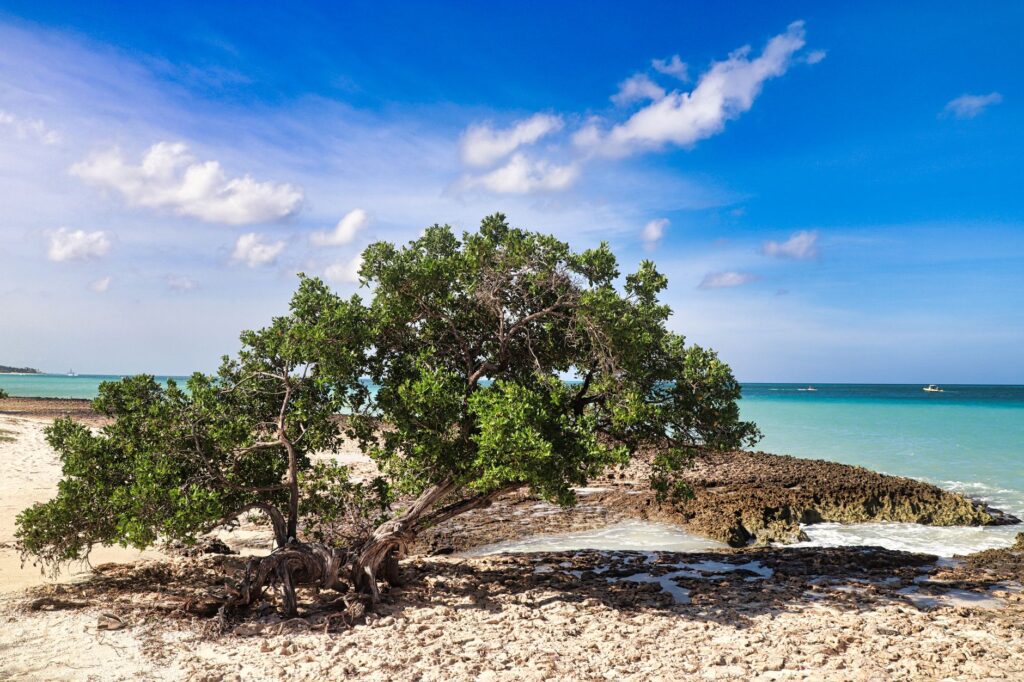
On the horizon of the southern Caribbean, where trade winds sculpt the trunks of divividivi trees and the blue of the sea seems to stretch without end, the dynamics of contemporary travel are undergoing a silent yet profound mutation. For decades, the hegemonic model of island tourism relied on rapid turnover: massive arrivals, short stays, and a compressed experience restricted to the margins of large resort complexes. However, Aruba’s authorities and key industry stakeholders have initiated a paradigm shift driven by a fundamental premise: a destination’s true value is not measured by the quantity of visitors crossing its borders, but by the depth of the footprint they leave and the time they choose to inhabit its geography.
This strategic commitment, communicated directly to travel trade professionals, aims to consolidate a model where the traveler transcends the status of a fleeting tourist to become a temporary resident. Lengthening the duration of a stay is not merely a commercial guideline aimed at optimizing economic yields; it is, above all, a tool for systemic sustainability. When visitors slow down their itineraries, they reduce operational pressure on fragile island ecosystems and open the door to genuine cultural exchange with local communities, moving far away from standardized circuits.
Transforming the Model: Beyond Sun and Sand
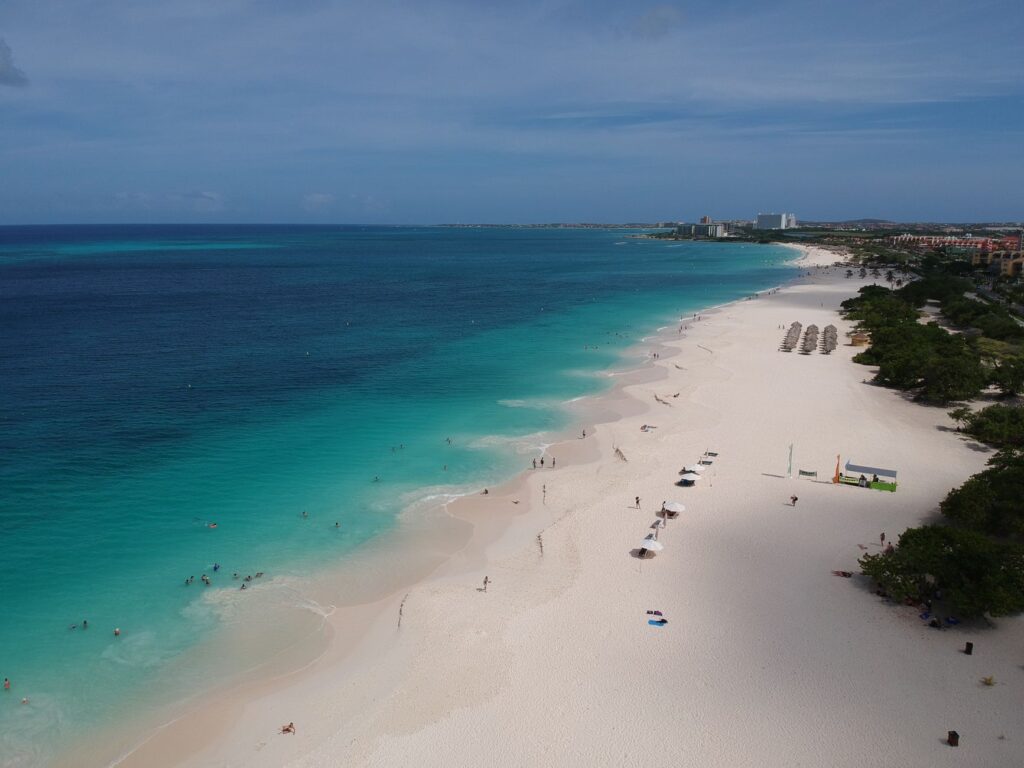
The Caribbean island territory has historically been associated with the idyllic postcard of sun and beach. Nevertheless, recent statistics and promotional directives point toward drastically diversifying this narrative. The island does not renounce its white coral sands or crystal-clear waters, but insists that its true wealth lies in its capacity to offer meaningful experiences ranging from zero-kilometer gastronomy to active exploration of its geological and human heritage.
For travel agencies, this pivot entails a complex methodological overhaul. Offering closed flight-and-hotel packages for a single week is no longer sufficient. The current challenge consists of designing modular, flexible itineraries that invite travelers to extend their stays to two, three, or even four weeks, integrating activities that stimulate intellectual curiosity and holistic well-being. This evolution also responds to a shift in global demand: post-pandemic travelers seek clear purposes, genuine disconnection, and respectful integration with the destinations they visit.
Redefining Leisure Time in the Caribbean
The concept of time in a tropical island acquires a distinct dimension. The leisurely pace that locals often embrace with a general attitude of serenity stands in stark contrast to the urgency with which urban tourists typically plan their vacations. By promoting longer stays, Aruba naturally facilitates the adoption of this unhurried tempo, allowing visitors to understand that the island is not a static theme park, but a living, constantly moving ecosystem.
Intermediary agencies play a strategic role in this transition. By connecting travelers with local service providers—ranging from expert conservation guides to artisans and chefs reinterpreting Creole cuisine—a fairer and more decentralized value chain is fostered. The consumption of experiences ceases to be a superficial appendage and becomes the core of the vacation experience.
The tourism of the future is not measured by how many places we visit hastily, but by how much we are capable of understanding and respecting the place we temporarily inhabit.
This approach also demands a transformation in accommodation infrastructure. The proliferation of lodging options adapted for extended stays, ranging from equipped apartments in residential areas to coliving initiatives and remote work spaces, demonstrates that the island is preparing to welcome a more autonomous visitor profile, eager to balance professional activity with the unhurried exploration of the environment.
Sustainability and Resilience Amid Global Challenges
Discussing long-stay tourism on an island of barely 180 square kilometers requires addressing the question of carrying capacity head-on. Natural resources, particularly drinking water and waste management, are highly prized commodities in an arid environment like Aruba’s. Contrary to common assumption, high-turnover tourism often generates a much higher per capita impact in terms of immediate consumption and waste than visitors who stay for weeks and tend to adopt more residential, conscious consumption habits.
Governmental and private initiatives in renewable energy and natural space protection—with Arikok National Park standing as the clearest exponent by covering nearly a fifth of the island’s surface—find a potential ally in the long-stay traveler. This traveler profile tends to show greater sensitivity toward conservation rules, actively participates in environmental volunteer programs, and respects native flora and fauna with heightened rigor.
The Socioeconomic Impact of Extended Residency
From an economic perspective, diversifying consumption toward value-added experiences acts as a dynamic catalyst for sectors traditionally left outside the mass circuit. Small wellness businesses, diving centers specializing in reef regeneration, local design workshops, and agroecological projects directly benefit from an influx of visitors who have the time to explore beyond traditional commercial zones.
This decentralized model helps mitigate congestion at the island’s neuralgic points, distributing visitor flows more harmoniously across different neighborhoods and municipalities. For the local economy, this translates into greater financial stability that does not rely exclusively on the peak tourist season.
Diversifying the Experiential Offering
The range of proposals for those deciding to prolong their stay in Aruba is broad and rigorously structured. The island is no longer merely a destination for sunbathing; it has established itself as a hub of activities combining outdoor sports, culture, and personal introspection.

- Geological and coastal hiking trails in Arikok National Park, guided by local biodiversity experts.
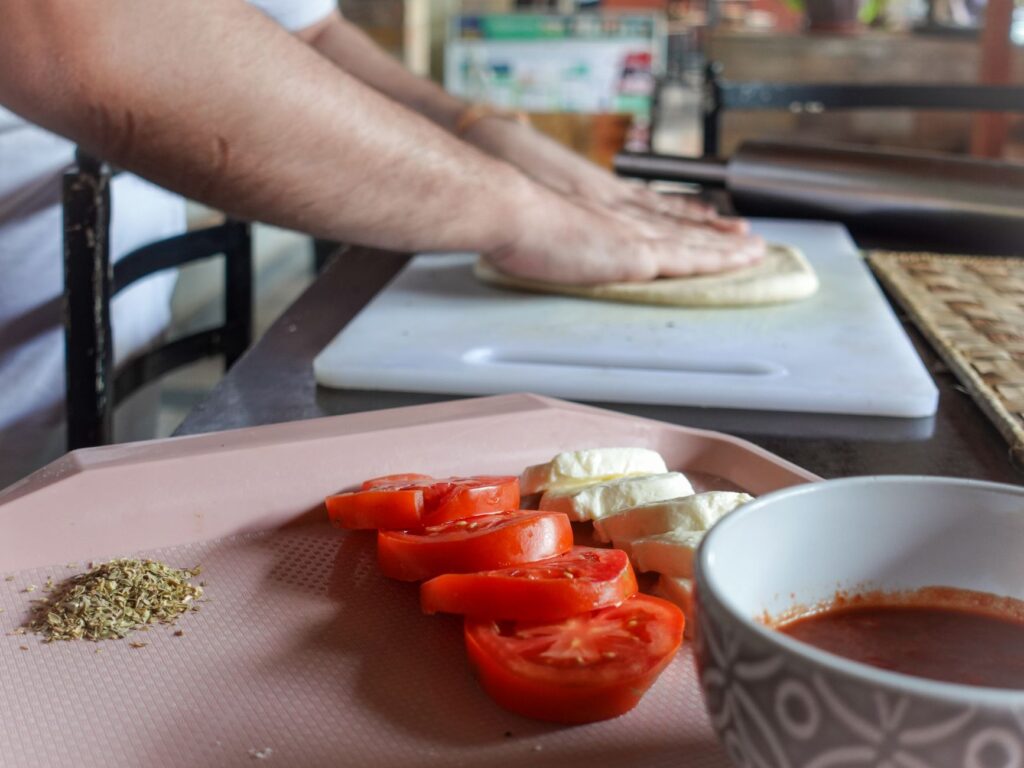
- Immersive Creole gastronomy workshops focused on utilizing sustainable marine ingredients and agricultural products from local greenhouses.
- Advanced wellness programs integrating yoga and seaside meditation practices, combined with relaxation therapies based on the island’s natural elements.
- Urban art circuits and independent galleries in San Nicolás, the southern cultural capital, reflecting the territory’s complex multiethnic identity.
- Immersive experiences in maritime and colonial history through local archives and guided visits to heritage monuments.
These activities not only enrich the commercial offerings available to agencies, but also ensure that visitors maintain a high level of intellectual and emotional engagement with the destination throughout their stay.
The Role of Professional Intermediation in the New Scenario
Aruba’s strategic shift underscores the relevance of specialized travel agencies. In an era marked by information saturation across direct-booking platforms, the added value of the travel agent lies in expert advisory capacity, bespoke design, and the ability to filter and recommend authentic proposals.
Agencies that successfully capture this new tourist sensibility will be those capable of structuring coherent travel narratives. It is no longer about selling tickets, but about building bridges between travelers’ expectations and the sustainable reality of the host community. This requires deep professional knowledge of the territory, its environmental regulations, and its social fabric.
Tools for a New Traveler Profile
To materialize this transition, the intermediary sector relies on digital and training tools provided by tourism boards themselves. These platforms empower agents to offer complex itineraries combining relaxation, cultural exploration, and remote work—a constantly growing segment finding a secure, connected, and stimulating environment in Aruba.
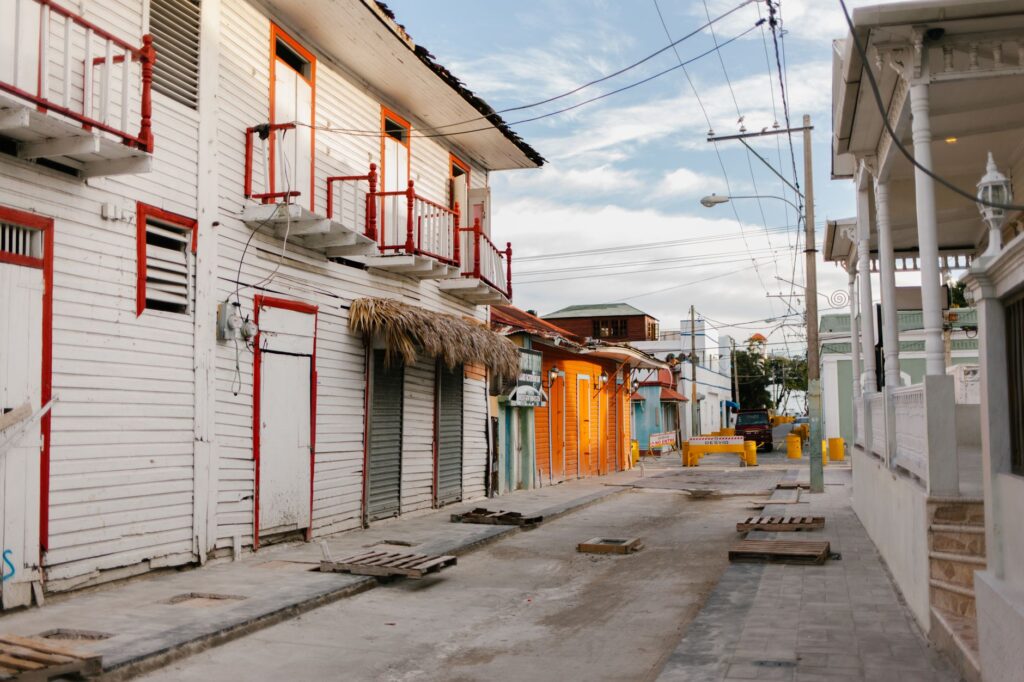
Twenty-first-century tourism intermediation must abandon the volume logic to embrace the architecture of memorable and sustainable experiences.
Close collaboration between tour operators, retail agencies, and local destination service providers is the only viable path to ensure that increased stay durations translate into tangible benefits for both the island economy and traveler experience quality.
Practical guide
Essential information for planning and structuring extended stays and conscious experiences in Aruban territory.
Getting There and Around
Queen Beatrix International Airport (AUA) receives direct connections from major aviation hubs in North America, Europe, and South America. For extended stays, advance arrangements for vehicle rentals through certified local networks are recommended, facilitating independent mobility across the island without relying on mass transit.
Accommodation and Long Stays
Offerings range from resort complexes with specific programs for temporary residents to independent apartments in residential areas such as Noord and Savaneta. Verifying that establishments hold official sustainability certifications and environmentally respectful practices is essential.
Entry Requirements and Regulations
Visitors from most European Union and American countries do not require visas for initial tourist stays, though specific regulations apply for prolonging stays beyond the standard 30-day limit, requiring procedures through the Department of Integration and Admission of Foreigners (DIMAS).
Health and Wellness
Aruba’s medical infrastructure is of a high standard, notably featuring Dr. Horacio Oduber Hospital. International travel insurance covering extended stays and outdoor adventure activities is strongly advised.
Epilogue: The Journey Toward Mindful Permanence
At the end of the journey, when the final glimmers of sunset paint Eagle Beach’s coastline in deep ochres, the certainty remains that travel can no longer be understood as the mere act of accumulating geographical coordinates. True contemporary luxury lies in the ability to pause, to observe attentively, and to establish a symbiotic bond with the places that welcome us. Aruba, with its firm commitment to extended stays and unhurried experiential consumption, charts a pioneering path in the insular Caribbean. It is not simply about attracting more people for longer periods, but about transforming the very nature of the encounter between traveler and world, proving that true sustainability is always born of patience and mutual respect.
Source in EN: ladevi.info (https://news.google.com/rss/articles/CBMi1AFBVV95cUxPR00wU0gxbEZvd3BlTG9xY2VBUWFMN3E4QVFFUnB5SDVaM2UtdFpyOUZpQ2UyM0J0QVQzRW5JZUxXRFk3ZmFXOVozMmQ3MVNyWEstRUhIVno3NWVMY1I0TVNMaWxUSUdYVWZCQUVjOWJTZnNYVko1TkRBelcwYkItRncyN0w1U0ZkQUpaWXFraXFiV3N6alp4SWhoRV93UU9lcmRWbHoxZ04tS0JUcWp2T0ZWNmRKX3RUZEhQenRkeEZDLVJDcm5zM25NdkMtR2tmY1VNQdIB1AFBVV95cUxPR00wU0gxbEZvd3BlTG9xY2VBUWFMN3E4QVFFUnB5SDVaM2UtdFpyOUZpQ2UyM0J0QVQzRW5JZUxXRFk3ZmFXOVozMmQ3MVNyWEstRUhIVno3NWVMY1I0TVNMaWxUSUdYVWZCQUVjOWJTZnNYVko1TkRBelcwYkItRncyN0w1U0ZkQUpaWXFraXFiV3N6alp4SWhoRV93UU9lcmRWbHoxZ04tS0JUcWp2T0ZWNmRKX3RUZEhQenRkeEZDLVJDcm5zM25NdkMtR2tmY1VNQQ?oc=5)