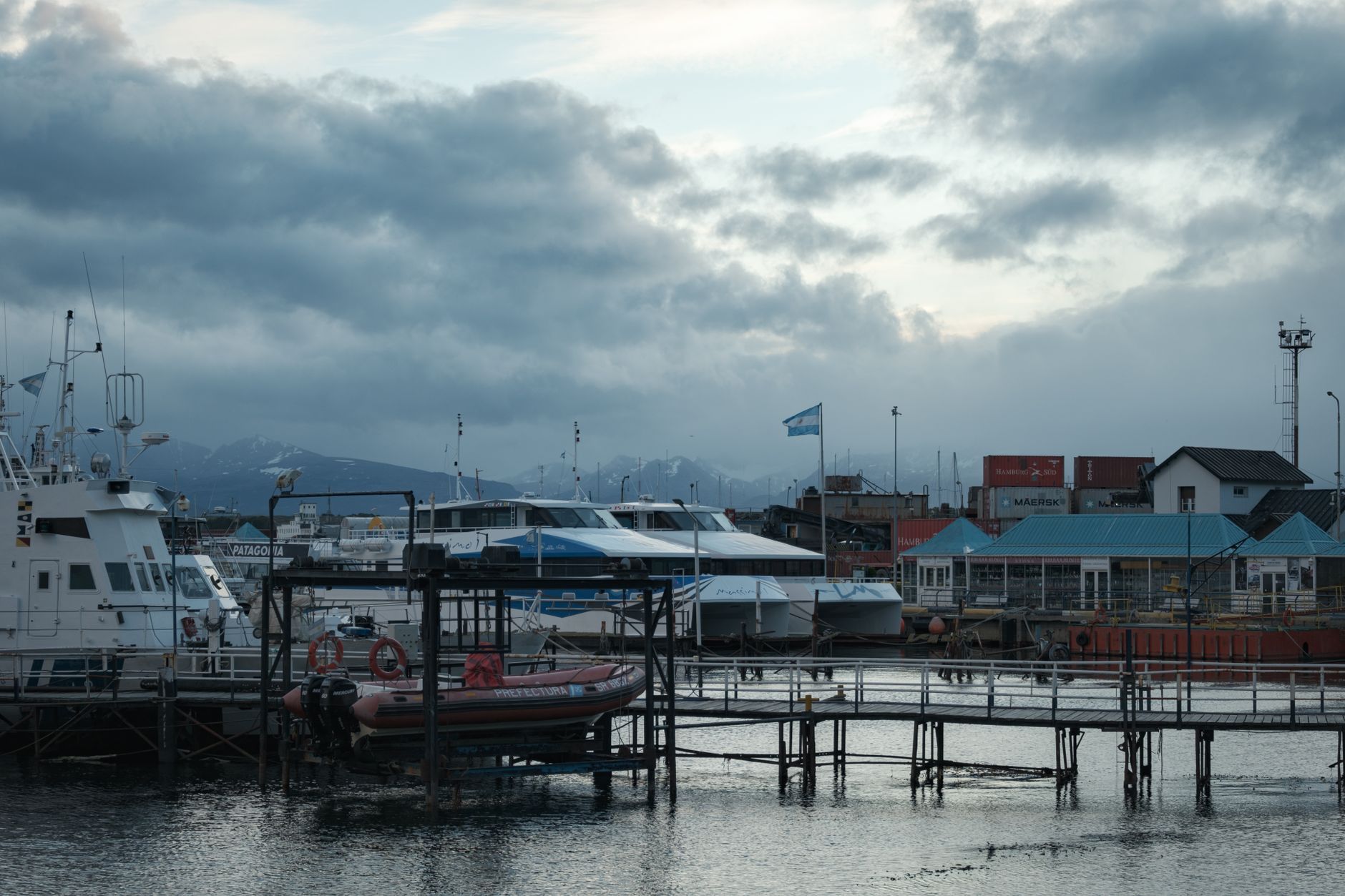

Introduction to the southern frontier and polar navigation
Sailing in Antarctic latitudes represents one of the most demanding and fascinating challenges in modern nautical exploration. Venturing into the South Shetland Islands archipelago requires abandoning any conventional notion of maritime travel to embrace an environment where the laws of physics, extreme meteorology, and the immensity of the Southern Ocean dictate the rhythm of every nautical mile. This insular territory, located about 120 kilometers north of the Antarctic Peninsula, acts as a natural barrier against the fury of the Drake Passage, offering a labyrinth of channels, sheltered coves, and submerged volcanic calderas that have historically served as refuges for sealers, explorers, and scientific expeditions.
Planning a sailboat expedition through these icy waters requires absolute mastery of marine logistics and a deep understanding of glacial dynamics. Unlike tropical cruises or Mediterranean journeys, every decision on board—from rigging selection to the management of fuel reserves—can mean the difference between a successful exploration and an emergency at sea. The South Shetlands are not a conventional tourist destination, but a fragile and sublime ecosystem that demands the utmost technical respect and rigorous preparation from the entire crew.
Geography and dynamics of the Antarctic archipelago
The archipelago comprises about twenty major islands and smaller islets of volcanic origin, highlighting formations such as Deception Island, King George Island, Livingston Island, and Elephant Island. Each of these landmasses presents a morphology sculpted by the combined action of active volcanism and ancient ice sheets descending from the summits down to the shoreline. Submarine geology is equally complex, featuring unmapped shallows, basaltic ridges, and a strong presence of glacial moraines that drastically condition anchoring operations.
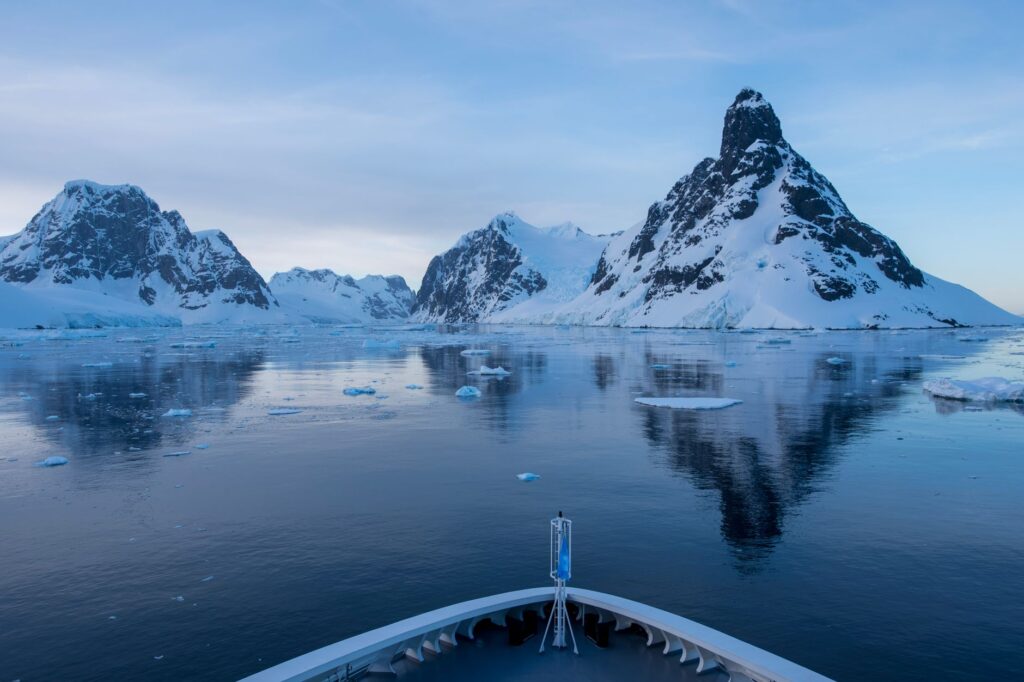
Understanding local marine currents is vital for the navigator. The general flow driven by the Antarctic Circumpolar Current interacts with katabatic winds descending violently from the polar ice cap, generating turbulence, cross-seas, and sudden visibility drops due to sea smoke or snow squalls. Weather patterns shift within minutes, transforming a crystal-clear mirror of water into a stage of steep waves and gale-force winds that test the stability and resistance of any vessel.
Technical requirements and vessel selection
The choice of boat is the fundamental pillar supporting the entire expedition. Not every sailboat is fit to operate in sub-Antarctic waters; preference is given to units built of aluminum or naval steel, featuring reinforced hulls or double bottoms capable of withstanding accidental impacts against small floating ice fragments or brash. Fiberglass sailboats, while common, demand extreme caution and additional protection systems at the bow and rudder.
The rigging must be robust and simplified, prioritizing self-tacking jibs and rapid-reefing systems that can be safely handled from the cockpit, preventing the crew from unnecessarily exposing themselves on deck during sub-zero storms. Likewise, autonomous heating systems on board are essential to maintain habitability and prevent excessive condensation, which can compromise electronic navigation equipment and the health of the expedition members.
Antarctica tolerates no improvisation; every element on board, from the thickness of the anchor rode to the design of the hatches, must meet an uncompromising standard of marine endurance.
Provisioning logistics, food, and energy autonomy
An autonomous traverse of the South Shetlands requires meticulous planning of supplies. As a region completely devoid of commercial support infrastructure, the vessel must set sail with sufficient fuel to cover one hundred percent of estimated motor needs, plus a fifty-percent safety margin to cope with opposing currents or prolonged waiting periods in safe anchorages.

Freshwater management and electrical power also pose unique challenges. Reverse osmosis desalination systems can suffer blockages or damage when operating in waters laden with suspended glacial particles, making large-capacity tanks and redundant purification systems an absolute priority. Solar power generation becomes inefficient during cloudy days or long periods of low insolation, making marine wind generators adapted to strong winds and high-output alternators on the main engine indispensable.
Navigation strategies and ice-pilotage
Navigating in areas with floating ice requires a combination of permanent visual watch, optimized radar usage for detecting small growlers, and a drastic reduction in cruising speed. Glacial ice fragments, being dense and mostly submerged, can cause catastrophic damage to the hull and propeller if impacted at open-water speed. The golden rule in these waters is to advance exclusively during daylight hours or under optimal visibility conditions.
Tides and wind shifts can rapidly displace coastal pack ice or loose ice fields, blocking the exit of fjords or coves before the crew perceives it. For this reason, the skipper must maintain constant barometer readings, consult available satellite weather bulletins, and always establish an alternative escape route before anchoring in enclosed areas or confined straits.
Anchoring techniques and mooring in glacial bays
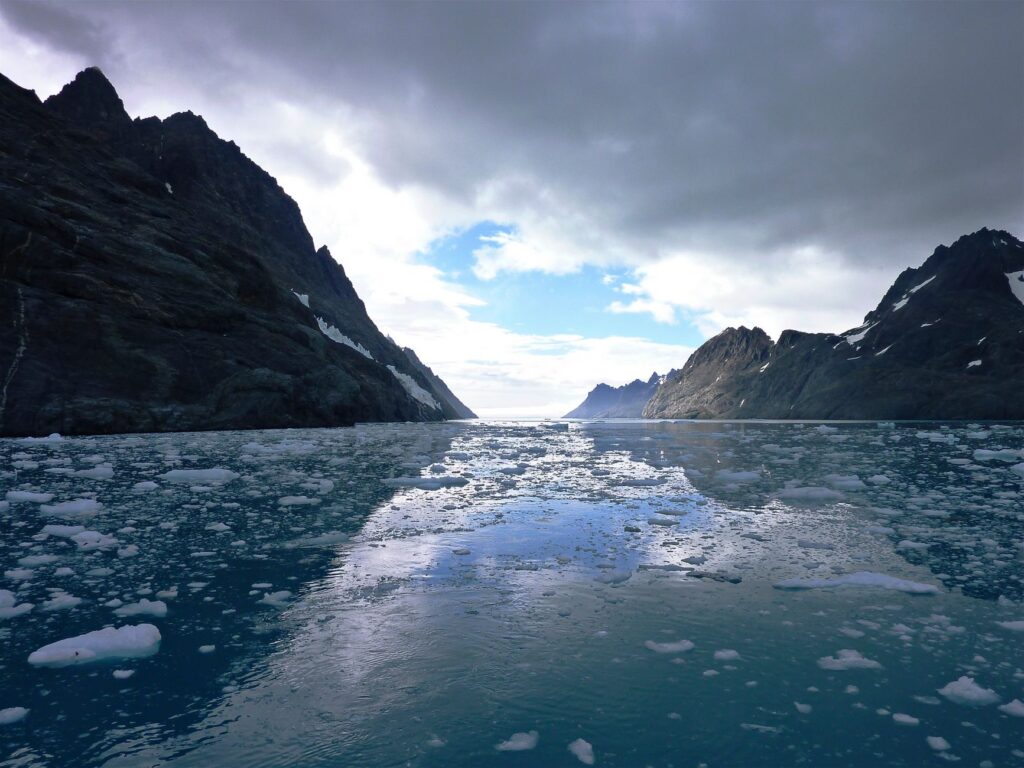
Finding a secure anchorage in the South Shetlands is a complex nautical art. Seabeds are typically smooth rock, pebbles, or glacial mud, which hinders conventional anchor holding. The standard practice in the region consists of combining a high-capacity primary anchor—such as a Spade or Rocna model—with shore lines firmly secured to stable rocks or ice stakes, configuring a mixed system that immobilizes the vessel against the onslaught of katabatic winds.
Antarctic tides, although of moderate range compared to other global regions, experience fluctuations that must be considered when securing lines ashore to prevent the vessel from hanging or running aground during low tide. Furthermore, constant vigilance must be maintained regarding ice calving from nearby glacial fronts, as the massive collapse of a serac can generate shockwaves capable of snapping mooring lines or driving the vessel against the shore.
Onboard safety, emergency protocols, and polar medicine
The remoteness of rescue centers and the difficulty of satellite communication at high latitudes make accident prevention the highest priority of any expedition. All crew members must permanently wear full-immersion survival suits, certified lifeline harnesses, and personal locator beacons (PLBs). Drills for man overboard, onboard fires, and hull breaches must be routinely practiced before crossing south of the 60th parallel.

The onboard medical kit must be specifically designed for polar expeditions, including advanced treatments for severe hypothermia, limb frostbite, severe trauma, and telemedicine protocols coordinated with international maritime rescue services. Training in remote-area first aid is an essential requirement for at least two crew members on board.
Practical guide
This section compiles essential logistical data, environmental regulations, and operational recommendations for planning a nautical traverse in the South Shetland Islands archipelago under the standards of the Antarctic Treaty and IAATO (International Association of Antarctica Tour Operators).
Permits and environmental regulations: Any foreign-flagged private expedition must formally notify its activities to the competent authorities of its home country in compliance with the Protocol on Environmental Protection to the Antarctic Treaty. It is strictly prohibited to discharge waste, disturb local wildlife, or extract geological and biological samples without specific authorization.
Recommended time window: The nautical season extends exclusively from November through March, coinciding with the austral summer. December and January offer the longest daylight hours, while February and March feature a lower concentration of sea ice in inner channels, albeit with higher probabilities of late storms.

Communications and safety: Carrying long-range VHF radio equipment, Iridium or Inmarsat satellite communication systems for receiving updated weather reports, and registered EPIRB beacons is mandatory. It is recommended to notify navigation plans to the nearest maritime rescue coordination center prior to departure.
Essential personal equipment: High-end multi-layer thermal clothing with windproof and waterproof membranes, polar navigation boots with thermal insulation and non-slip soles, category 4 sunglasses with total UV protection to prevent snow-blindness, and reinforced nautical gloves.
Emotional epilogue in the calms of the world’s edge
When the engine cuts and the sailboat glides silently over the dark waters of a protected cove on Deception Island, time seems to freeze in a dimension detached from contemporary urgency. The white immensity of glaciers merging with the sea, silhouetted against a sky of copper and leaden tones, envelops the crew in a profound sense of assimilation with primordial nature. Here, at the southern edge, every sailor understands the true dimension of their fragility and, at the same time, the immense privilege of having navigated to the sacred thresholds of Antarctic silence.