
On the shores of Lake Michigan, where icy winds often dictate the pace of daily life in Evanston, Illinois, there lies a sanctuary where winter yields to a necessary, artificial warmth. The Evanston Ecology Center operates as a gateway for ecological transition. Within this space, designed to connect citizens with the fragility of their immediate environment, seasonal shifts are observed not only through the large windows overlooking the woods of Lighthouse Park, but also in the behavior of its quietest residents: the reptiles of its nature classroom.
As outdoor temperatures fluctuate and indoor heating recreates optimal living conditions, these animals undergo a metabolic reactivation that completely transforms the center’s dynamics. This is not merely an isolated biological phenomenon; it is the driving force behind a pedagogical strategy that aims to demystify ectothermic species and utilize them as conservation ambassadors at a critical moment for the wetland ecosystems of the American Midwest.
The Thermal Microcosm of Lighthouse Beach
The Evanston Ecology Center is not located in a random spot. Situated just steps from the historic dunes of Lighthouse Beach, the center operates in a key ecological transition zone. Here, the influence of Lake Michigan creates a humid, highly variable microclimate that constantly challenges local species. For reptiles, whose body temperature depends entirely on external sources, surviving in this environment requires extreme adaptations and a precise understanding of the coastal thermal landscape.
Inside the nature classroom, this delicate balance is replicated through precision technology. Full-spectrum lamps, heating pads, and moisture-retaining substrates allow species that would normally be brumating deep beneath the frozen earth to remain active, responsive, and healthy. This perpetual spring inside the classroom offers researchers and educators a unique opportunity to study the physiology of these animals without the disruptions of the harsh Illinois winter, turning the space into a free-access living laboratory.
The Science of Artificial Sunlight: Ectotherms in the Classroom
Ectothermy, often mischaracterized as «cold-bloodedness,» is one of the most efficient evolutionary strategies on Earth. Unlike mammals, which expend a massive amount of metabolic energy to maintain a constant internal temperature, reptiles regulate their body heat through behavior. In Evanston’s nature classroom, the installation of upgraded environmental heating systems has shown a direct impact on the vitality of the resident snakes, turtles, and lizards.
When temperatures reach the optimal range of 26 to 30 degrees Celsius in the basking zones, the metabolism of these animals naturally accelerates. Digestion becomes more efficient, skin shedding occurs without complications, and their willingness to explore their surroundings increases significantly. This state of physical well-being translates into what keepers describe as «happy reptiles»: curious animals that actively engage with the environmental enrichment elements in their terrariums and show greater tolerance to educational handling.
«Temperature is not a mere comfort factor for a reptile; it is the biological switch that activates its ability to process nutrients, defend against pathogens, and comprehend its environment.»
Lessons Beyond Textbooks: The Magnetism of Scales
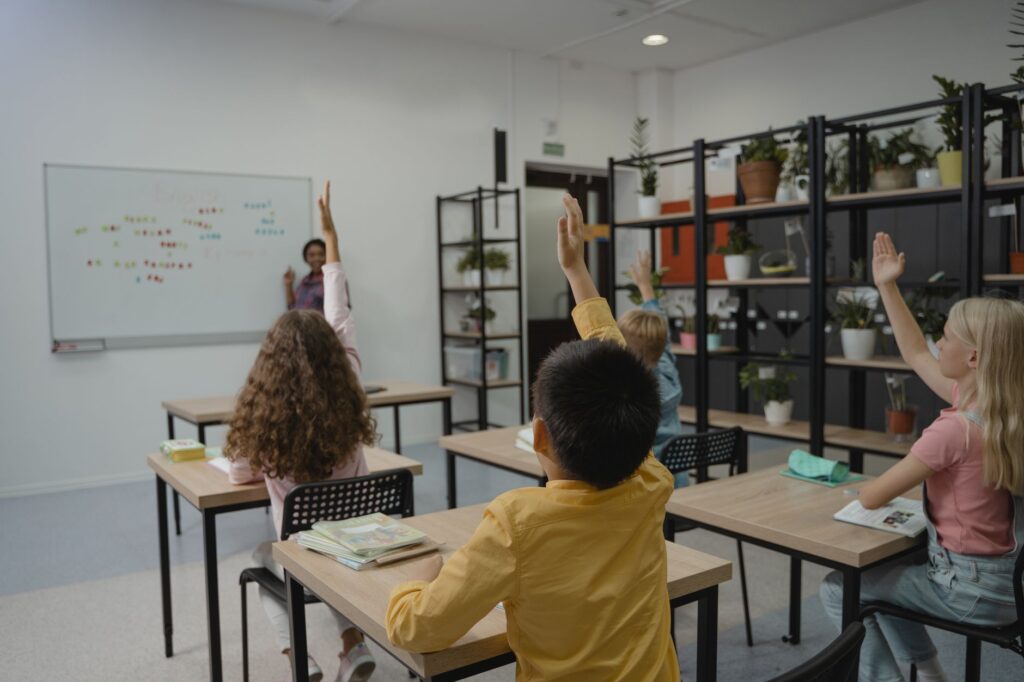
The pedagogy at the Ecology Center is built upon direct contact and mindful observation. In an increasingly digital world, where children often interact with nature through screens, the Evanston classroom proposes a tactile and sensory experience. The presence of active, healthy reptiles stimulates a curiosity that textbooks rarely manage to awaken. Students do not just learn about food chains or vertebrate anatomy; they feel the texture of keratin and observe the rhythmic rising and falling of a snake’s breath.

This hands-on approach helps dismantle deep-seated historical prejudices rooted in popular folklore. The instinctive fear of snakes or indifference toward scaly creatures transforms into respect and fascination when children understand the ecological role of these animals. Common garter snakes, for example, act as natural controllers of rodent and insect populations, maintaining the balance of urban gardens and local parks without the need for chemical pesticides.
Ambassadors of the Mud and Dunes
Among the most prominent residents of the nature classroom are several species native to Illinois that serve as representatives for their endangered wild relatives. Each tells a unique story of habitat loss and biological resilience in suburban environments:
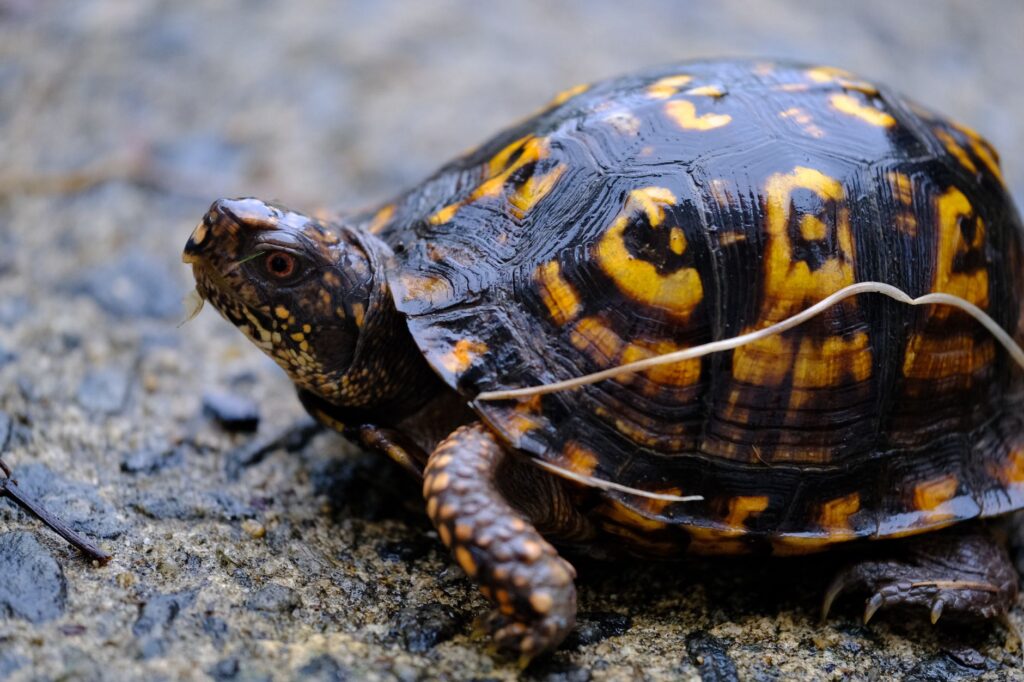
- The Eastern Box Turtle (Terrapene carolina carolina): A symbol of longevity and the fragmentation of temperate forests due to transportation infrastructure development.
- The Eastern Fox Snake (Pantherophis vulpinus): A harmless species that is frequently mistaken for a rattlesnake due to its habit of vibrating its tail when threatened.
- The Painted Turtle (Chrysemys picta): A common inhabitant of local ponds, whose bright coloration helps explain concepts of camouflage and natural selection.
These animals were not captured from the wild for display; most are rescued individuals that suffered permanent injuries or come from the illegal pet trade and can no longer be released. At the center, they find a second life dedicated to public awareness.
The Climate Crisis Through a Reptilian Lens
Rising global temperatures and unstable seasonal weather patterns pose an unprecedented threat to wild reptile populations in the Great Lakes region. While a temporary rise in temperature might seem beneficial to ectothermic animals, the ecological reality is far more complex and troubling. Unusually warm winters can rouse reptiles from brumation before food is available, depleting their energy reserves and causing widespread starvation.
Additionally, many turtle species exhibit temperature-dependent sex determination during egg incubation. A steady increase of just a couple of degrees in nesting soils can drastically skew sex ratios in new generations, threatening the long-term reproductive viability of populations. From the Evanston classroom, educators use these scientific data points to explain to visitors how local decisions globally affect the planet’s biodiversity.
«The thermometer in our terrariums is a small-scale reflection of the massive thermal challenge wild species face on a planet changing at an unprecedented speed.»
Designing an Urban Educational Sanctuary
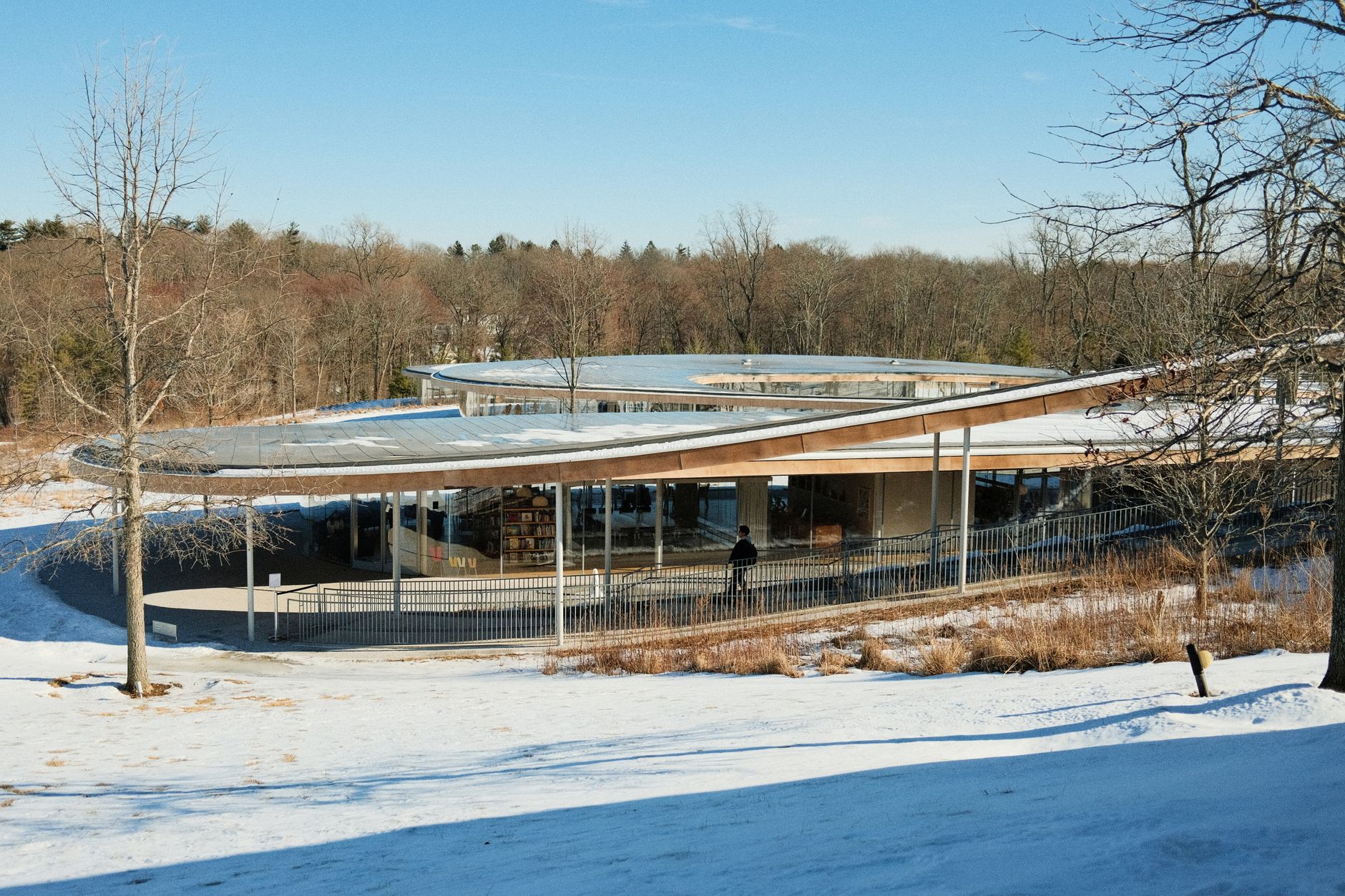
The architecture and layout of the Evanston Ecology Center reflect the sustainability principles taught in its classrooms. Built with low-impact materials and designed to maximize direct sunlight, the building minimizes its carbon footprint while optimizing the energy efficiency required to maintain the microclimates of the terrariums. This holistic approach proves that it is possible to integrate the technology needed for exotic and native animal care within a framework of strict ecological respect.
The filtration systems for the indoor ponds use wetland plants to naturally purify the water, mimicking the biological processes of Lake Michigan’s coastal marshes. In this way, visitors do not just look at animals; they understand the inner workings of the ecological life-support systems that sustain the entire biosphere.
Mending Community Bonds Through Volunteerism
The success of the nature classroom is not explained by its infrastructure alone, but by the commitment of the Evanston community. Dozens of volunteers, from Northwestern University students to local retirees, dedicate thousands of hours each year to feeding, habitat maintenance, and facilitating educational programs. This collective effort fosters a sense of ownership and shared responsibility for the region’s natural heritage.
Citizen science programs organized by the center allow neighbors to actively participate in monitoring amphibian and reptile populations in surrounding urban parks. The data collected by these volunteers feeds into statewide scientific databases, helping conservation biologists design better protection strategies for Cook County’s nature preserves.
Practical guide
For those wishing to experience life at the Evanston Ecology Center firsthand and explore the coastal ecosystems of Lake Michigan, essential logistical recommendations are detailed below:
- Location and Access: The center is located at 2024 McCormick Boulevard, Evanston, Illinois. It is accessible via public transit using the CTA Purple Line (Foster station) followed by a short walk or bus connection.
- Visiting Hours: The nature classroom and exhibits are open to the public Monday through Friday from 9:00 AM to 4:30 PM, and on Saturdays during special family workshop hours. It is recommended to check the schedule on the official website before planning your visit.
- Conduct and Conservation Rules: To ensure the well-being of the resident animals, tapping on terrarium glass and using camera flashes are strictly prohibited. Access to the dune areas of Lighthouse Beach is heavily regulated to protect pioneer vegetation and nesting shorebirds.
- Special Programs: The center offers beginner herpetology workshops, nighttime amphibian-watching walks in spring, and summer eco-camps for children and teens.
The Last Gleam on the Carapace
As evening falls over the Evanston dunes, golden sunlight filters through the classroom windows, merging with the warm glow of the heating lamps. Perched on a piece of driftwood, a turtle slowly stretches its hind legs to catch the last breath of warmth of the day. In that quiet moment, it becomes clear that the value of this space lies not only in the scientific information it shares, but in its power to move us and awaken human empathy.
Contemplating these ancient, deliberate creatures reminds us that nature’s timeline does not align with urban haste. Protecting these reptiles, ensuring their coastal habitats survive, and keeping the doors open for future generations to learn from them is, ultimately, a way to secure our own survival in a world that needs, now more than ever, to rediscover the warmth of ecological compassion.
Source: Evanston RoundTable