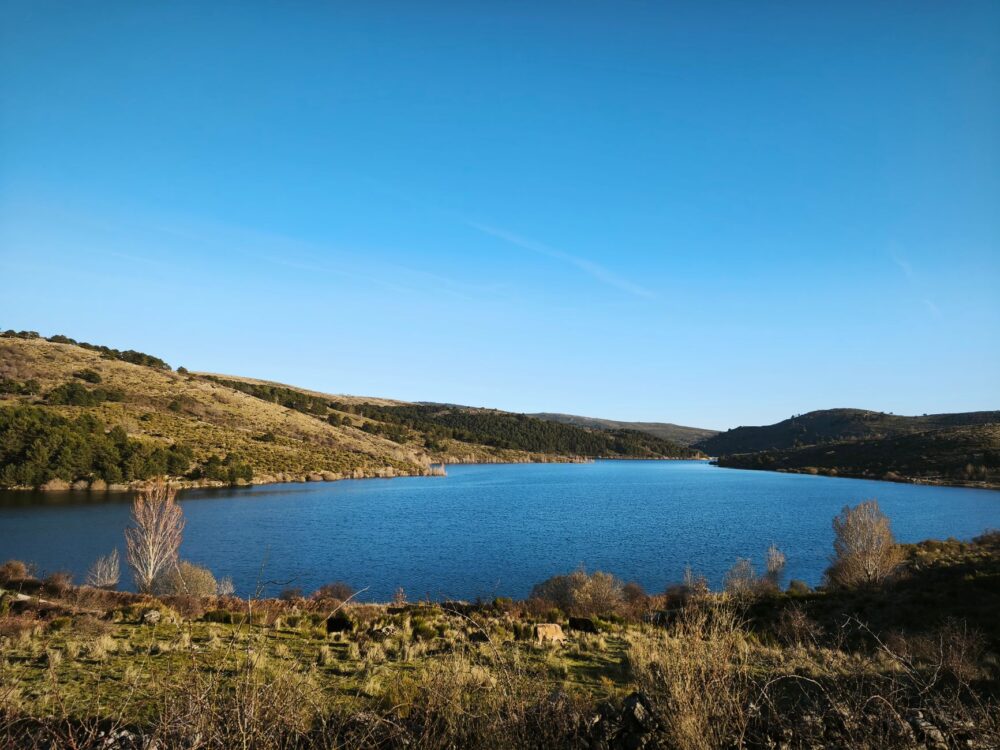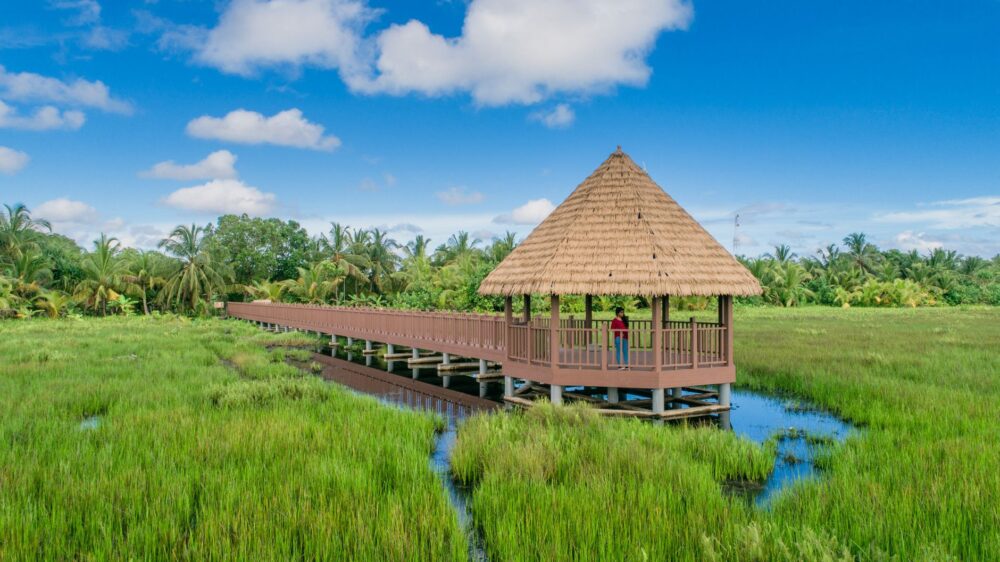

The Socotra archipelago, located in the northwestern Indian Ocean, is globally renowned for its enigmatic terrestrial landscapes dominated by dragon’s blood trees and desert roses. However, beneath the surface of its turquoise waters lies an even more extraordinary marine universe. This geographic isolation, separated from the Arabian Peninsula and the Horn of Africa for millions of years, has given rise to a unique marine ecosystem where species from the Red Sea, the Eastern Indian Ocean, and the Persian Gulf converge. Studying Socotra today means delving into one of the most valuable and threatened natural laboratories in contemporary marine biology.
Seasonal monsoon currents play a fundamental role in shaping local oceanography. During the summer months, gale-force winds displace surface waters and trigger an upwelling phenomenon that brings nutrient-rich water from the abyssal depths. This enriched flow feeds an exceptionally dense trophic chain, allowing the development of coral formations resistant to global temperature increases. Through this comprehensive analysis, we will examine the complex interaction between benthic biodiversity, coastal communities, and the scientific initiatives seeking to protect this underwater heritage against growing geopolitical and climatic pressures.
The Invisible Geography: Isolation and Biogeographic Convergence
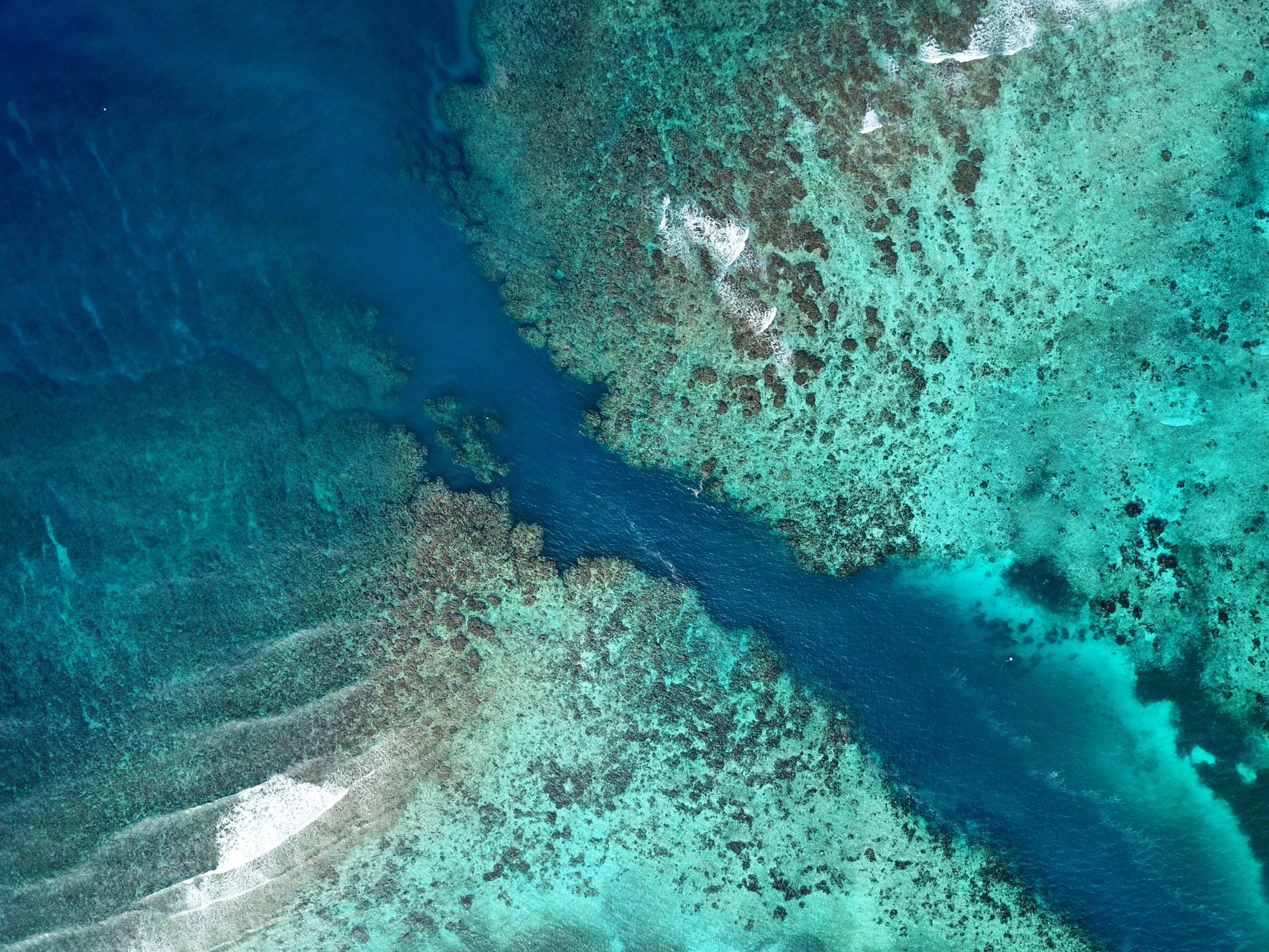
To understand Socotra’s ecological richness, one must observe its position at the crossroads of three major marine ecoregions. The seabed surrounding the archipelago consists of extensive limestone platforms, well-preserved fringing reefs, and an abrupt underwater topography that plunges rapidly into deep trenches. This variety of habitats provides refuge for hundreds of species of reef fish, mollusks, and crustaceans found nowhere else on Earth.
Scientists have cataloged over seven hundred species of coastal fish and nearly three hundred types of hard coral reefs in these waters. This level of endemism is explained by the long period of tectonic separation and the relative stability of historical oceanographic conditions. Nonetheless, this millennial balance faces accelerated transformations due to global climate change and the alteration of wind and surface temperature patterns.

The Monsoon Engine: Oceanographic Dynamics and Upwellings
Socotra’s annual cycle is dictated by the southwest monsoons, which blow strongly between the months of June and September. This climatic phenomenon not only conditions the lives of terrestrial inhabitants but also acts as the primary engine of marine productivity. Cold, phytoplankton-rich currents rise to the surface, generating an explosion of biomass that sustains everything from large pelagics to dense populations of sessile invertebrates.
This upwelling process functions as a natural thermal buffer. While coral reefs in other tropical regions suffer recurrent episodes of mass bleaching due to warming waters in the Indian Ocean, Socotra’s corals have demonstrated remarkable physiological resilience. Marine biologists from various international institutions continue to investigate the genetic markers of these colonies to understand cellular adaptation mechanisms in the face of prolonged thermal stress.
The Benthic Trophic Web: Corals, Sponges, and Macroalgae
Socotra’s marine substrate stands out for its balanced dominance among scleractinian corals, seagrass meadows, and dense macroalgal forests. These plant and animal communities form complex tridimensional structures that host the juvenile phases of numerous species of commercial and ecological interest. The interaction between herbivores, such as parrotfish and sea urchins, and algae maintains the health of the reefs, preventing the overgrowth of filamentous vegetation.
The long-term survival of Socotra’s reefs does not depend solely on the absence of local pressures, but on the conservation of the oceanographic corridors connecting this archipelago with the Gulf of Aden and the Red Sea.
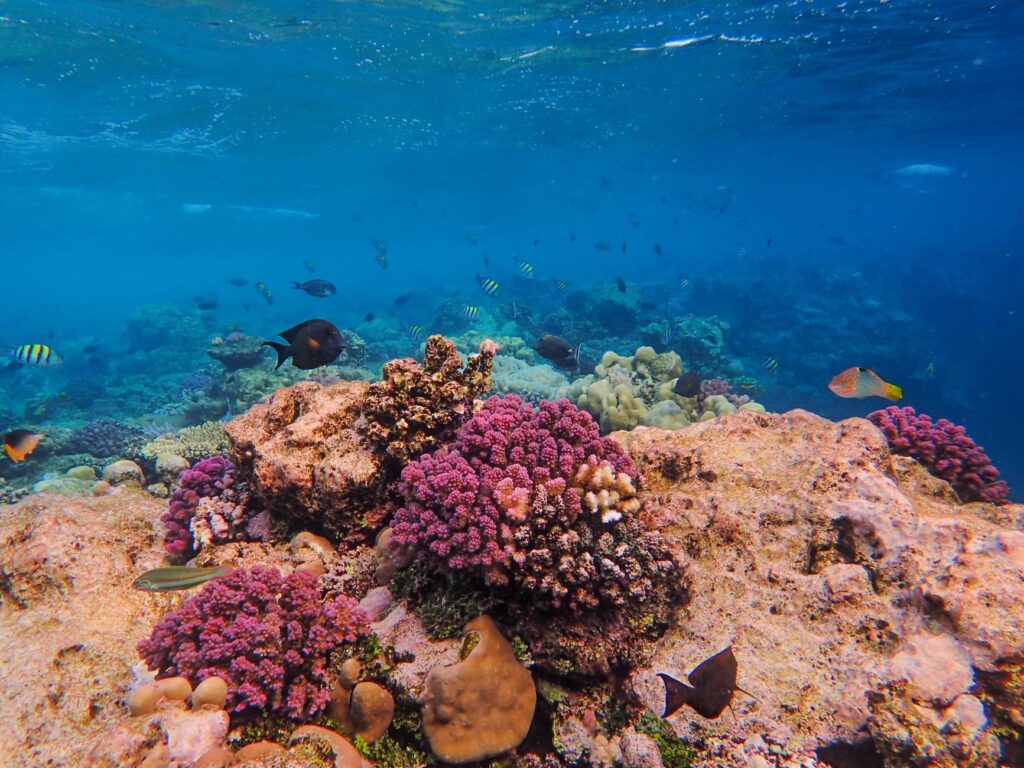
Recent investigations in the peripheral cays, such as the islands of Abd al-Kuri and Samhah, have revealed the presence of virtually unexplored deep-water coral communities. These zones function as genetic reservoirs capable of repopulating shallow areas degraded by tropical storms or localized episodes of coastal pollution.
Marine Demographics and Sentinel Species
Among the most notable inhabitants of Socotra’s waters are stable populations of green and hawksbill sea turtles, which use the white-sand beaches of the island’s southern coast to nest. Likewise, the deep waters of the channel separating the archipelago from the African continent are regular migratory routes for cetaceans such as sperm whales and various species of oceanic dolphins.
Acoustic and visual monitoring of marine megafauna has identified Socotra as a critical feeding area for whale sharks and giant manta rays. The presence of these large filter feeders is a direct indicator of the ecosystem’s oceanographic health, as their abundance is strictly correlated with peaks in primary productivity caused by seasonal upwellings.
Coastal Anthropology: The Ancestral Relationship Between Man and Sea
Local artisanal fishing communities have maintained a centuries-old symbiotic relationship with the marine environment. Using traditional wooden boats known as *huor*, fishermen on the north and south coasts have practiced selective capture techniques that respect the reproductive cycles of local species. This traditional ecological knowledge has been fundamental in preventing the collapse of artisanal fisheries supporting the economy of coastal villages.
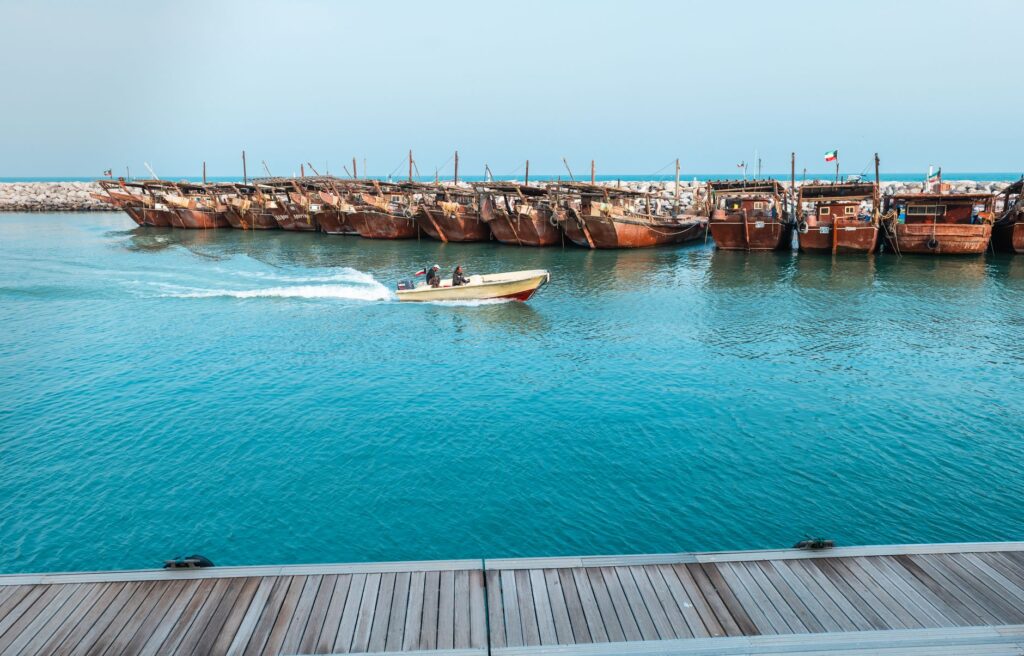
However, the modernization of fishing gear, the introduction of nylon gillnets, and external commercial pressure threaten to break this fragile intergenerational balance. The loss of community control over local fishery resources represents one of the greatest short-term risks to ecological stability across the entire archipelago.
Contemporary Threats: Overfishing, Climate Change, and Geopolitical Isolation
Despite its apparent remoteness, Socotra is not immune to the global crises affecting twenty-first-century oceans. Political instability on the Yemeni mainland has weakened the capacity to enforce effective environmental protection regulations. This has facilitated the entry of foreign industrial fleets operating illegally in territorial waters, extracting pelagic resources without any type of control or scientific oversight.
Added to this anthropogenic pressure are the inescapable effects of climate change. The increased frequency of intense tropical cyclones in the Arabian Sea—a historically anomalous phenomenon—has caused severe physical damage to the shallowest reef structures, altering sedimentation profiles and affecting the water clarity indispensable for coral photosynthesis.
Conservation Strategies and Participatory Science
Faced with this complex panorama, various international organizations and local scientists are driving conservation initiatives based on citizen science and the empowerment of fishing communities. The establishment of zoned marine protected areas allows for the restriction of industrial use and prioritizes low-impact artisanal fishing, guaranteeing the preservation of critical spawning and nursery habitats.
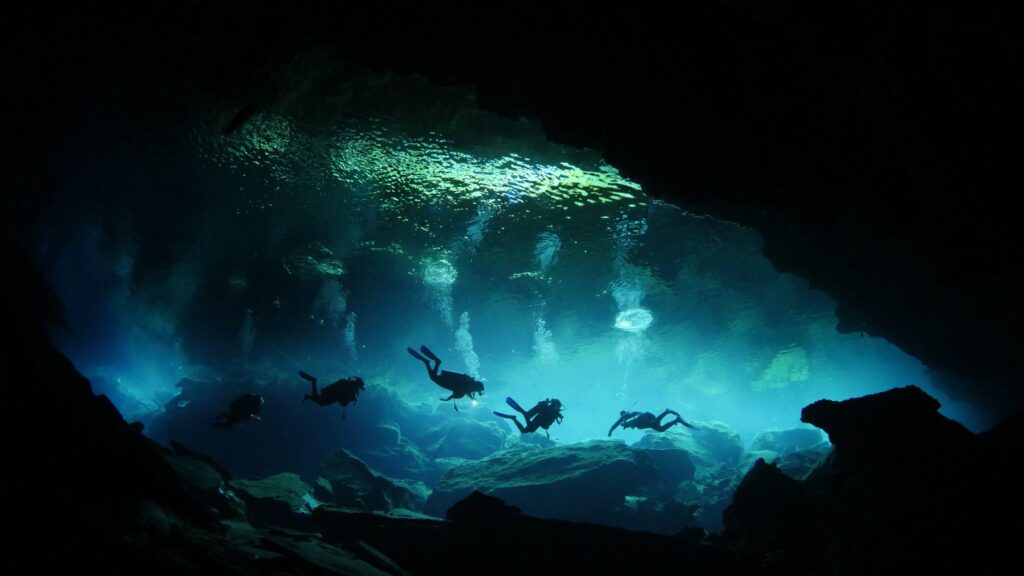
Continuous underwater monitoring programs, combining the use of remotely operated vehicles with scientific scuba dives, provide precise quantitative data on the evolution of biodiversity. These records are indispensable tools for substantiating environmental management policies before international natural heritage protection bodies.
Practical guide
Getting there: Due to the geopolitical and security situation in Yemen, access to Socotra is exclusively via chartered flights operated from Cairo with a technical stopover in Djibouti. It is mandatory to process a visa approved by competent local authorities months in advance and secure authorization from licensed tour operators.
When to visit: The optimal climatic window for visiting the archipelago and conducting underwater activities extends between October and May, coinciding with the transition between monsoons, when the sea remains calm and underwater visibility reaches its maximum values.

Infrastructure and diving: The availability of tourist services is extremely basic and limited. There are no fully equipped conventional dive centers across all islands, requiring the coordination of specialized expeditions featuring autonomous support vessels and oxygen tanks transported from the capital, Hadibu.
Health requirements and safety: Comprehensive international medical insurance including emergency medical evacuation is essential. There are no specialized trauma or hyperbaric medicine hospitals on the island, making prevention and strict adherence to maritime safety protocols vital.
Conservation rules: The extraction of any biological material, shells, corals, or marine specimens from the archipelago is strictly prohibited. Low-impact tourism and absolute respect for traditional coastal use regulations are essential conditions for ensuring the future preservation of this unique oceanic sanctuary.
Socotra’s future hangs in the balance between the inertia of neglect and the urgent need for coordinated international stewardship. In its transparent waters, a fundamental part of the Indian Ocean’s evolutionary memory is at stake. As monsoon winds continue to whip its crests and upwellings continue to feed life in deep reefs, this forgotten corner of the Arabian Sea will remain a persistent reminder of nature’s extraordinary capacity to resist, adapt, and endure in the face of adversity.