The routes crossing the planet’s vastest ocean carry more than metal fuselages and passengers fatigued by time zones; they transport memories, promises of reconciliation, and a steady stream of human capital that redefines contemporary cartography. Decades after the smoke of recent history dissipated its worst omens, the aerial and cultural corridor between Vietnam and the United States is undergoing an unprecedented metamorphosis. This is not merely about hotel occupancy figures or the resumption of non-stop flights operated by Vietnamese flag carriers to the North American West Coast; it is the consolidation of an invisible yet tenacious bridge, built brick by brick by diaspora communities, young tourism entrepreneurs, and curious travelers seeking to understand the complexities of 21st-century Asia far beyond clichéd tropes.
This report examines the phenomenon from its socioeconomic roots to its daily impact on the streets of Hanoi, Ho Chi Minh City, and Vietnamese enclaves in California or Texas. Through interviews with tour operators, analyses of air connectivity, and direct observation of how tourism transforms local heritage, we uncover a narrative where the past dialogues with a future of dynamic exchange, turning open wounds into destinations of reconciliation and mutual discovery.
Transpacific Connectivity as a Diplomatic Catalyst
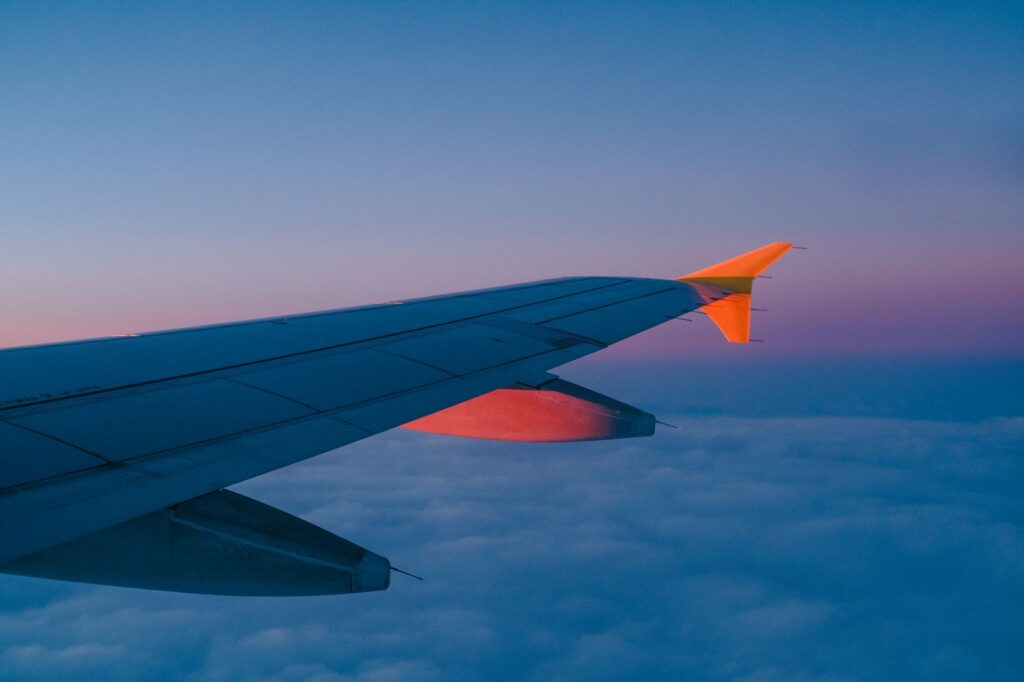
For years, traveling between Vietnam and the United States involved endless layovers in Taipei, Seoul, or Tokyo, a journey lasting over twenty-four hours that turned transit into an endurance test. The authorization of direct flights did not merely reduce travel time to fourteen or fifteen hours; it altered the very nature of movement. Distance ceased to be a geographical wall and became a passable threshold, driving a notable increase in American visitors to Vietnamese territory and making it easier for Vietnamese residents in North America to visit their families more frequently.
Aeronautical authorities from both countries have worked closely to simplify visa processes and optimize flight frequencies. This openness responds to a soft power strategy where tourism serves as the primary ambassador. When an American traveler strolls through the alleys of Hanoi’s Old Quarter or explores the Mekong Delta, they are not only consuming tourism services: they validate with their presence the stability and openness of a country presenting itself to the world with renewed confidence.
The Decisive Role of the Diaspora in Reshaping Travel
The Vietnamese community in the United States, estimated at over two million people, constitutes the foundational pillar supporting this new tourism era. Far from the strictly nostalgic journeys of the first decades following 1975, newer generations—the children and grandchildren of those who emigrated—return to Vietnam driven by a desire for identity reconnection, yet also as sophisticated travelers demanding high-quality experiences.
This segment of travelers has forced the local hotel and service industry to diversify. Offering standardized sun-and-sand packages or historical tours focused exclusively on war is no longer sufficient. The diaspora demands authenticity: wellness retreats in the highlands of Da Lat, stays in eco-lodges managed by ethnic minorities in Sapa, and gastronomic experiences that reinterpret traditional cuisine with contemporary techniques. This bidirectional cultural transfer enriches both traveler and host.
Local Economies and the Challenge of Sustainable Growth
The resurgence in American tourist arrivals has injected much-needed vitality into local economies hit hard by recent global crises. Small family businesses, ranging from craft workshops in Bac Ninh province to specialty coffee shops in Da Nang, perceive a direct increase in their income thanks to a traveler profile that typically spends on immersive experiences and fair-trade products.

However, this accelerated growth raises complex questions about environmental sustainability and the preservation of cultural heritage. Emblematic destinations such as Ha Long Bay or the historic city of Hoi An face seasonal demographic pressure that threatens to degrade the very attractions drawing visitors. The challenge for urban planners and tourism ministries lies in decentralizing flows, promoting alternative routes in the country’s central and northern mountainous regions to prevent overcrowding and ensure economic benefits are distributed equitably.
Tourism is not merely the leisure industry; it is the invisible infrastructure allowing nations to meet in the present, stripped of past dogmas.
Foreign Investment and Hospitality Standards
The arrival of major international hotel chains from the United States in Vietnam, combined with the growth of luxury Vietnamese hotel brands, has exponentially raised service standards nationwide. Professional hospitality training has become a national priority, with educational programs incorporating global standards for sustainability and tourism management.
This business synergy demonstrates that the transpacific bridge also rests on shared, long-term economic interests. American investments in sustainable tourism infrastructure reflect institutional confidence transcending short-term political shifts, consolidating Vietnam as one of Southeast Asia’s most attractive emerging markets for North American capital.
The Gastronomic Factor: Ambassador Without a Passport
No analysis of tourism between Vietnam and the United States would be complete without examining the role of gastronomy. A bowl of pho and the banh mi sandwich are no longer ethnic curiosities in cities like Houston, Seattle, or San Francisco; they are pillars of urban culinary culture in the United States. Simultaneously, American chefs traveling to Vietnam discover wild ingredients, ancestral fermentation techniques, and a fresh-produce philosophy influencing high-end avant-garde cuisine in North America.

This culinary exchange generates specialized gastronomic tourism flows. North American travelers arrive in Vietnam enrolled in street food tours guided by local chefs, seeking to understand the alchemy of aromatic herbs and broths simmered for days. Food acts as a universal language dissolving any linguistic or political barrier.
Heritage, Memory, and Shared History
Visiting historic sites in Vietnam from an American traveler’s perspective demands considerable emotional maturity. Museums and monuments in Hanoi and Ho Chi Minh City address the armed conflict through their own national narrative, yet local guides today show a remarkable willingness to engage in empathetic dialogue with American veterans and tourists exploring these settings.
This process of reconciliation through memory tourism is unique. Former battlefields and underground tunnels have transformed into open-air classrooms where the value of peace is taught. The contemporary American traveler seeks not ideological confrontation, but a human understanding of shared pain that has given way to profound collective resilience.

Educational Tourism and the Future of Relations
A booming sector within this transpacific corridor is educational tourism. American and Vietnamese universities consistently organize academic exchange programs and summer stays focused on sustainable development, marine sciences, and Southeast Asian cultural studies. These young students become future diplomats and opinion leaders who will keep the bridge built over recent decades firm.
Understanding modern Vietnam requires stripping away black-and-white archives and walking its vibrant streets with a willingness to listen to the rhythm of a youth looking resolutely toward tomorrow.
Practical guide
How to get there: There are direct flights from major airports on the U.S. West Coast (such as San Francisco or Los Angeles) operated by Vietnamese carriers, alongside multiple options with a single layover in Asian hub cities.
Entry requirements: U.S. citizens must apply for an electronic visa (e-visa) prior to departure, generally valid for up to 90 days for multiple entries.
Best time to visit: November to April is ideal for touring the north and south with dry weather; however, the country’s center (Hoi An, Da Nang) has its own dry season from February to August.

Currency and payments: The official currency is the Vietnamese dong (VND). Credit cards are widely accepted in hotels, restaurants, and urban areas, but cash is essential for small shops and traditional markets.
Connectivity: Purchasing a local eSIM before travel or a physical SIM card upon arrival at the airport is economical and ensures seamless navigation.
Source in EN: Vietnam.vn – Tourism between Vietnam and the United States: Building another bridge across the Pacific Ocean.