
Introduction to a Giant in Decline
In the heart of the Western Pyrenees, where winter carves the rock and silver fir and black pine forests retain the final moisture of the peaks, one of the most enigmatic and elusive birds of the European continent survives: the Pyrenean capercaillie. This endemic subspecies, scientifically named Tetrao urogallus aquitanus, represents much more than a faunal icon of the high mountains; it acts as a fundamental bioindicator of the health of mature forest ecosystems. Throughout the valleys of Arán and their natural borders, the fragile dynamics of its populations reflect the profound impact that global warming and habitat fragmentation are exerting on delicate subalpine woodlands.
For decades, scientific research in the area has attempted to decipher the complex variables that determine the reproductive success of this forest dwelling species. Far from being a mere seasonal inhabitant, the capercaillie depends on a highly specific ecological matrix that combines adequate tree density, the presence of mature stands with understories rich in bilberries, and a winter tranquility that few contemporary mountain zones can guarantee. This report examines the biological pulse of this high-altitude resident, exploring both the contemporary threats curtailing its territory and the scientific strategies designed to prevent its extinction along the range.
The Architecture of the Subalpine Habitat
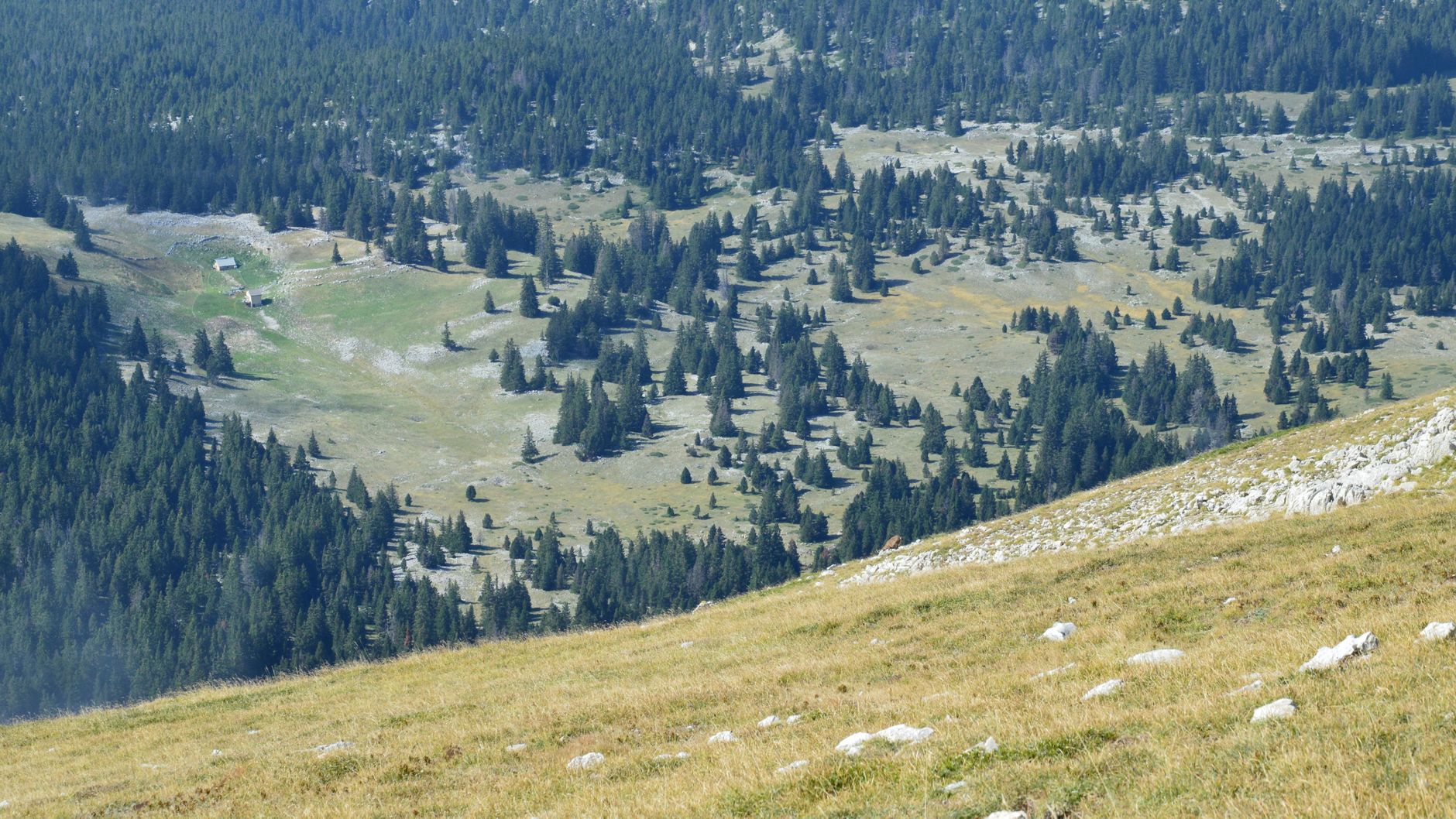
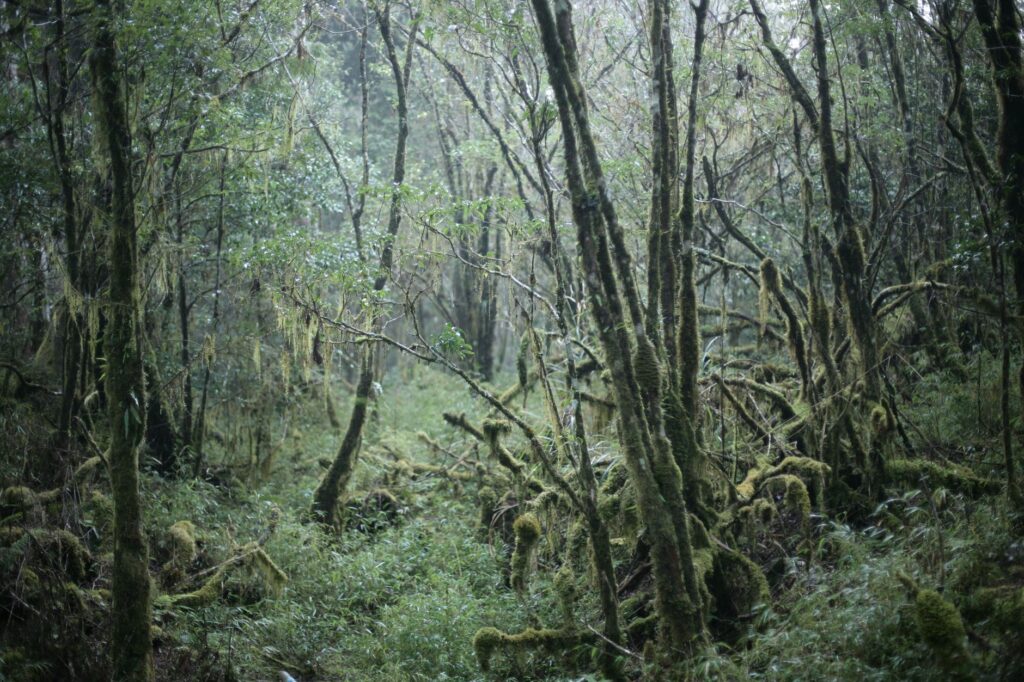
To understand the ecology of the Pyrenean capercaillie, it is imperative to delve into the mixed forests stretching between 1,500 and 2,200 meters of altitude. These habitats are characterized by a complex vertical structure, where centuries-old fir trees and Scots pines cast deep shadows over a floor carpeted with mosses, lichens, and shrubs of the genus Vaccinium. This understory is not merely a scenic element; it constitutes the primary pantry and shelter both for chicks in their first weeks of life and for adults during the harsh winter months.
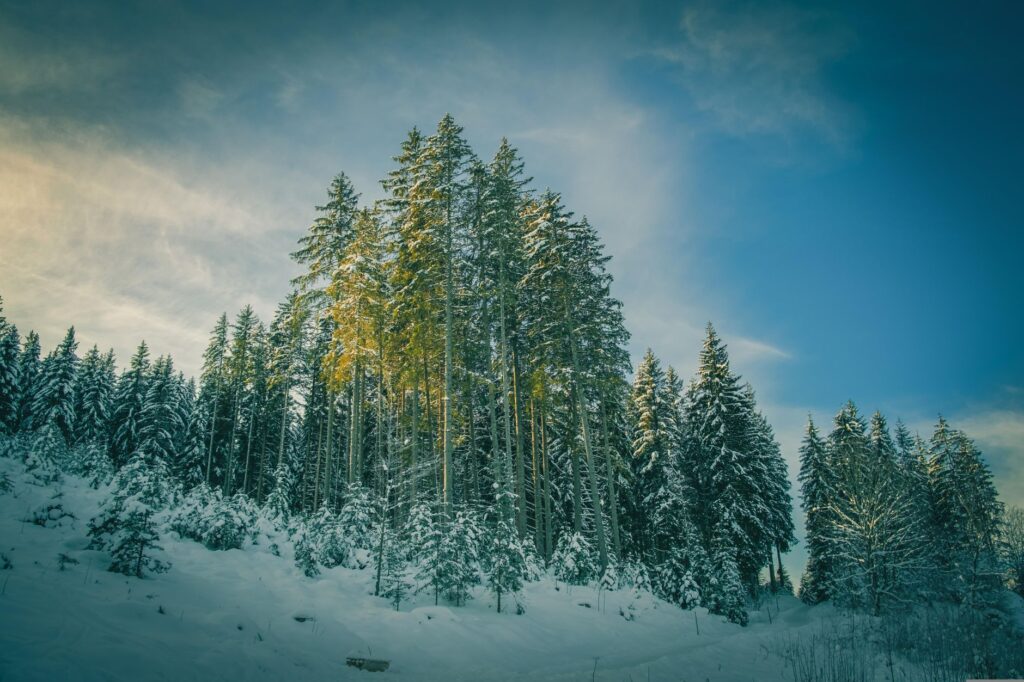
The natural forest dynamics of these woods have undergone significant alterations over the past century. The abandonment of traditional silvopastoral uses, coupled with the uncontrolled densification of certain forest masses and the opening of logging tracks and tourist infrastructures, has fragmented the territory into disconnected ecological islands. For a bird with limited dispersal capacity and a strong fidelity to its nesting areas, the loss of secure ecological corridors represents an insurmountable obstacle to gene flow between neighboring populations.
The survival of the Pyrenean capercaillie depends not only on the protection of mature trees, but on preserving the ecological continuity uniting deep valleys with wind-swept ridges.
Biology and Annual Cycle: The Art of Discretion
The capercaillie’s life cycle is intimately synchronized with the seasonal rhythms of the high mountains. During spring, males star in one of the most fascinating rituals of European ornithology: the leks. In these traditional areas of courtship display, located in protected forest clearings, males emit a series of complex vocalizations and fan out their plumage to attract females. This lekking period, spanning from April to May, demands absolute tranquility; any human disturbance derived from premature hiking or wildlife photography can interrupt copulation and compromise annual reproductive success.
With the arrival of summer, females lead their broods toward open areas with abundant insects, providing the essential protein source for chick development during their early weeks. As autumn advances and the first snowfalls cover the ground, the capercaillie’s diet undergoes a radical transformation. The bird takes refuge in tree canopies, where its diet relies almost exclusively on pine and fir needles, a fibrous and nutrient-poor resource requiring specialized digestion in its unusual muscular gizzard.
The Impact of Climate Change on Forest Phenology
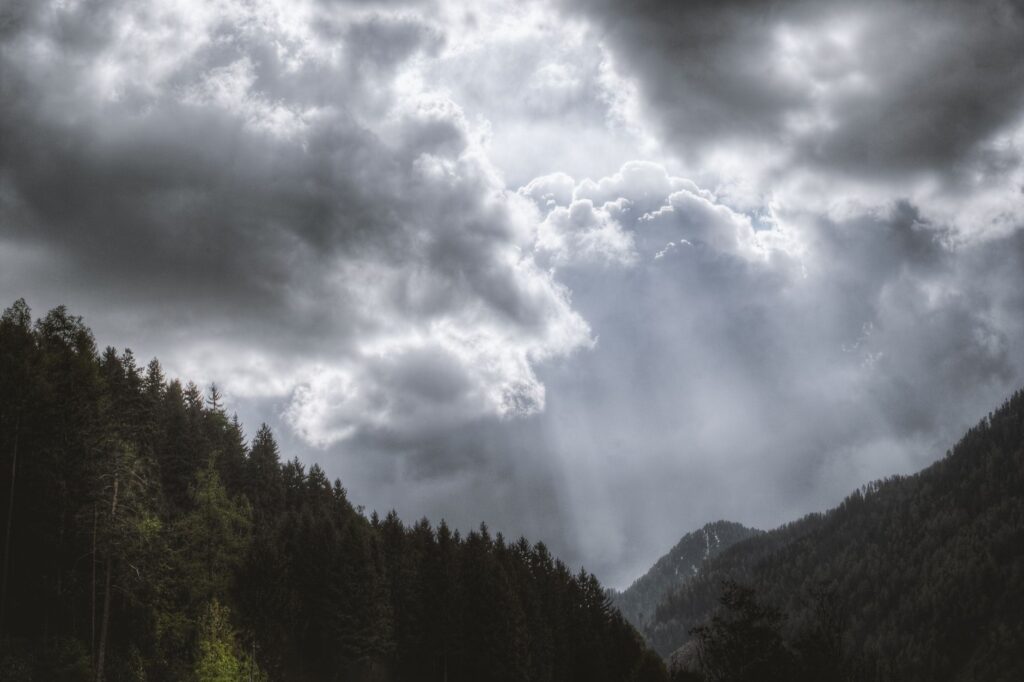
The sustained increase in summer temperatures across the Pyrenean arc is drastically altering the baseline conditions enabling capercaillie survival. Shorter winters with reduced snow accumulation diminish the thermal insulation the bird utilizes beneath the snow during severe blizzards, a behavior known as snow-roosting. Likewise, summer heatwaves induce evident thermal stress in adult specimens and prematurely dry out the understory, sharply reducing the availability of insects and wild berries during critical breeding moments.
Another decisive factor is the expansion of pathogens and parasites favored by mild temperatures. Xylophagous insects and phytopathogenic fungi weaken black pine and fir stands, altering the structural composition of the forest canopy and reducing protective cover against aerial and terrestrial predators. The disarmony between plant vegetative cycles, insect hatching, and bird energy requirements constitutes a silent yet lethal threat to the species’ demography.
Infrastructures and Anthropogenic Pressure on the Territory
The high Pyrenean mountains experience unprecedented tourist and recreational pressure. The development of ski resorts, the proliferation of summer hiking routes, adventure sports, and high-voltage power lines across roaming zones generate a scenario of invisible yet lethal fragmentation. Accidental collisions of capercaillies—heavy birds with poor maneuverability at cruising speed—against ski lift cables and power lines represent a remarkably high source of non-natural mortality among breeding adults.
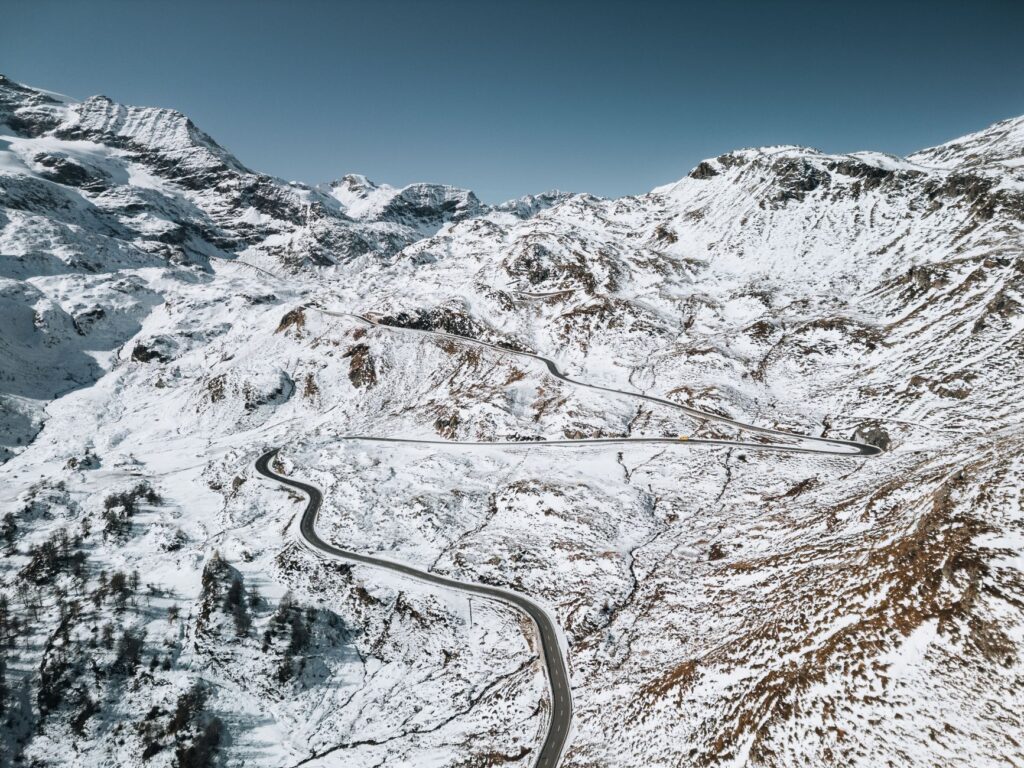
Added to this pressure is the presence of road infrastructures acting as physical and psychological barriers, increasing the isolation of subpopulations. Logging management, although regulated in protected natural areas, must be balanced with strict conservation criteria preventing timber extraction during the most sensitive seasons of the biological cycle and preserving centennial trees with suitable cavities for resting and protection against generalist predators such as foxes or birds of prey.
Scientific Monitoring Programs and Active Conservation
Faced with the unfavorable diagnostic of recent decades, various scientific institutions, regional administrations, and natural area management entities have intensified demographic monitoring protocols and active habitat management. Through the use of radio transmitters, genetic analysis of droppings collected at leks, and advanced geographic information system mapping, biologists monitor with pinpoint precision the evolution of surviving breeding nuclei in the Arán Valley and surrounding zones.
Conservation measures include the urgent marking of high-voltage cables in critical flight areas, forest restoration aimed at diversifying the structure of mature fir stands, and temporary restriction of human access to sensitive sectors during mating and breeding seasons. Simultaneously, environmental education programs targeting local communities and visitors are promoted to foster respect for the fragility of these high-mountain ecosystems, reminding us that conserving alpine biodiversity is an urgent collective commitment.
Practical guide
How to get there: The main access to the Arán Valley is by road via the Vielha tunnel (N-230) from the southern slope or through the Bonaigua mountain pass (C-28) from Pallars Sobirà. Secondary roads connect with traditional Pyrenean villages serving as bases for approach routes to protected natural areas.
Best season for indirect observation: Although direct observation of the capercaillie is strongly discouraged due to the high stress it causes the animal, autumn and early spring allow researchers and visitors to study tracks, footprints, and feeding remains at the edge of the subalpine forest, always maintaining strict environmental respect.
Behavioral guidelines: Venturing off marked trails in special protection areas for forest fauna is strictly prohibited. The use of drones, loud noises, and approaching shady zones and mature fir stands during the spring months is completely excluded.
Accommodation and local support: Overnight stays are recommended in establishments adhering to local sustainability charters in villages such as Salardú, Arties, or Vielha, prioritizing rural tourism respecting high-mountain natural area regulations.
Emotional Epilogue in the White Blanket
As dusk falls over the fir forests of the Arán Valley, the golden sunlight slowly fades between limestone ridges, yielding to an absolute silence broken only by the muffled crunch of snow beneath freezing nighttime temperatures. In that sanctuary where the verticality of the rock challenges the sky, the capercaillie remains invisible, hidden within the gloom of the densest branches, embodying the silent resilience of a nature refusing to vanish. Every winter overcome by this high-altitude resident is a fragile victory, an eloquent reminder of our moral and historical responsibility in protecting Europe’s last wild strongholds.