
The thunder of metal against rail is not merely a mechanical sound on the plains of East Africa; it is the echo of a promise of sovereignty that has withstood half a century of geographical and economic challenges. The Great Freedom Railway, technically known as TAZARA (Tanzania-Zambia Railway Authority), stretches across 1,860 kilometers, linking the humid, bustling port of Dar es Salaam in Tanzania with the mining heartland of Kapiri Mposhi in Zambia. More than just transport infrastructure, this narrow-gauge giant represents one of the 20th century’s most audacious engineering projects on the continent, born from a political necessity to break dependence on routes then controlled by colonial regimes.
Traveling on the Tazara is not simply moving between two geographical points, but immersing oneself in a moving human ecosystem that traverses some of the most pristine and complex landscapes on the planet. From the coastal lowlands to the rugged Kipengere Mountains and the vast Zambian plateaus, the train acts as a living organism, oxygenating remote villages where asphalt remains a distant rumor. In this report, we analyze the technical complexity of its layout, the social impact of its stations, and the mystique of a journey that, despite delays and the wear of time, remains the soul of connectivity in the region.
The dream of independence on rails
The genesis of Tazara is purely geopolitical. In the 1960s, Zambia, a copper-rich but landlocked nation, found itself strangled by its dependence on export routes through segregationist Rhodesia and apartheid-era South Africa. Presidents Kenneth Kaunda of Zambia and Julius Nyerere of Tanzania sought an alternative that looked north and east. Following rejection by Western powers and the World Bank, who deemed the project unfeasible, it was China that financed and built the line between 1970 and 1975, mobilizing over 50,000 workers.

The construction was an epic of human resilience. Engineers had to face swampy terrain, dense jungles, and the constant presence of wildlife. Three hundred bridges were erected and 23 tunnels excavated, some in extreme humidity conditions that challenged the technology of the time. Tazara was not just an engineering feat, but a manifesto of South-South solidarity that forever changed the balance of power in sub-Saharan Africa, allowing Zambian copper to reach global markets without passing through hostile territories.
“The railway was not built for immediate profit, but to forge the freedom of a nation that refused to be held hostage by its own geography.”
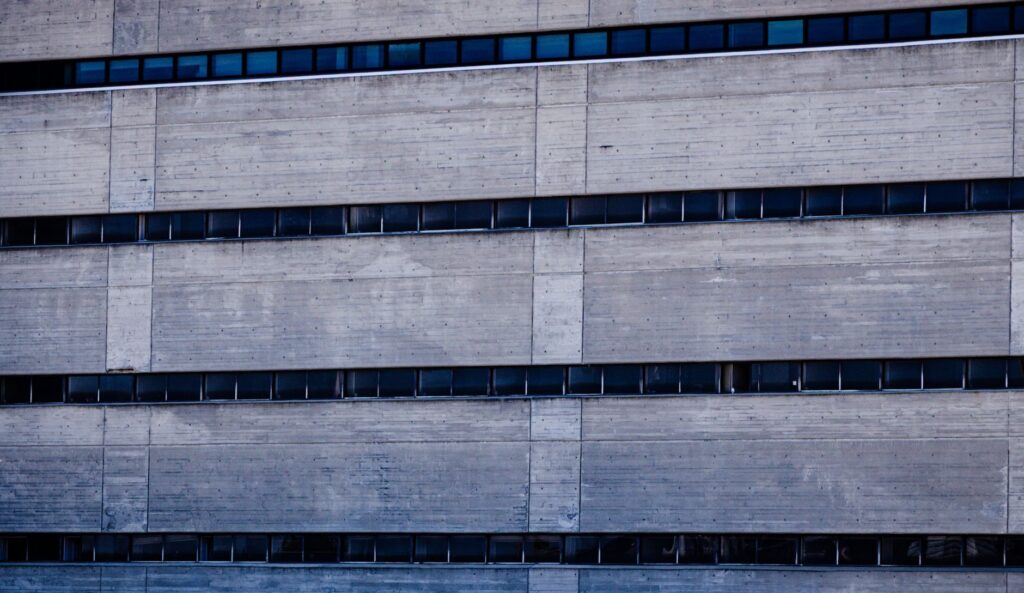
Today, the legacy of that construction is felt in the brutalist architecture of its stations, which appear as time capsules from the socialist era. Imposing concrete buildings stand in the middle of nowhere, functioning as logistical and social hubs. Although maintenance has been a constant struggle due to a lack of spare parts and limited investment, the spirit of ‘Freedom’ remains intact in every rivet of its Chinese-made carriages.
A technical feat in the heart of the Rift
From a technical standpoint, Tazara is a marvel of adaptation to terrain. The line must ascend from sea level in Dar es Salaam to 1,780 meters at the Zambian border. This ascent is not linear; the train winds through the Great Rift Valley, facing gradients that demand precise coordination of diesel locomotives. The choice of the 1,067 mm gauge (known as the Cape gauge) was strategic, allowing for future compatibility with Southern African rail networks.
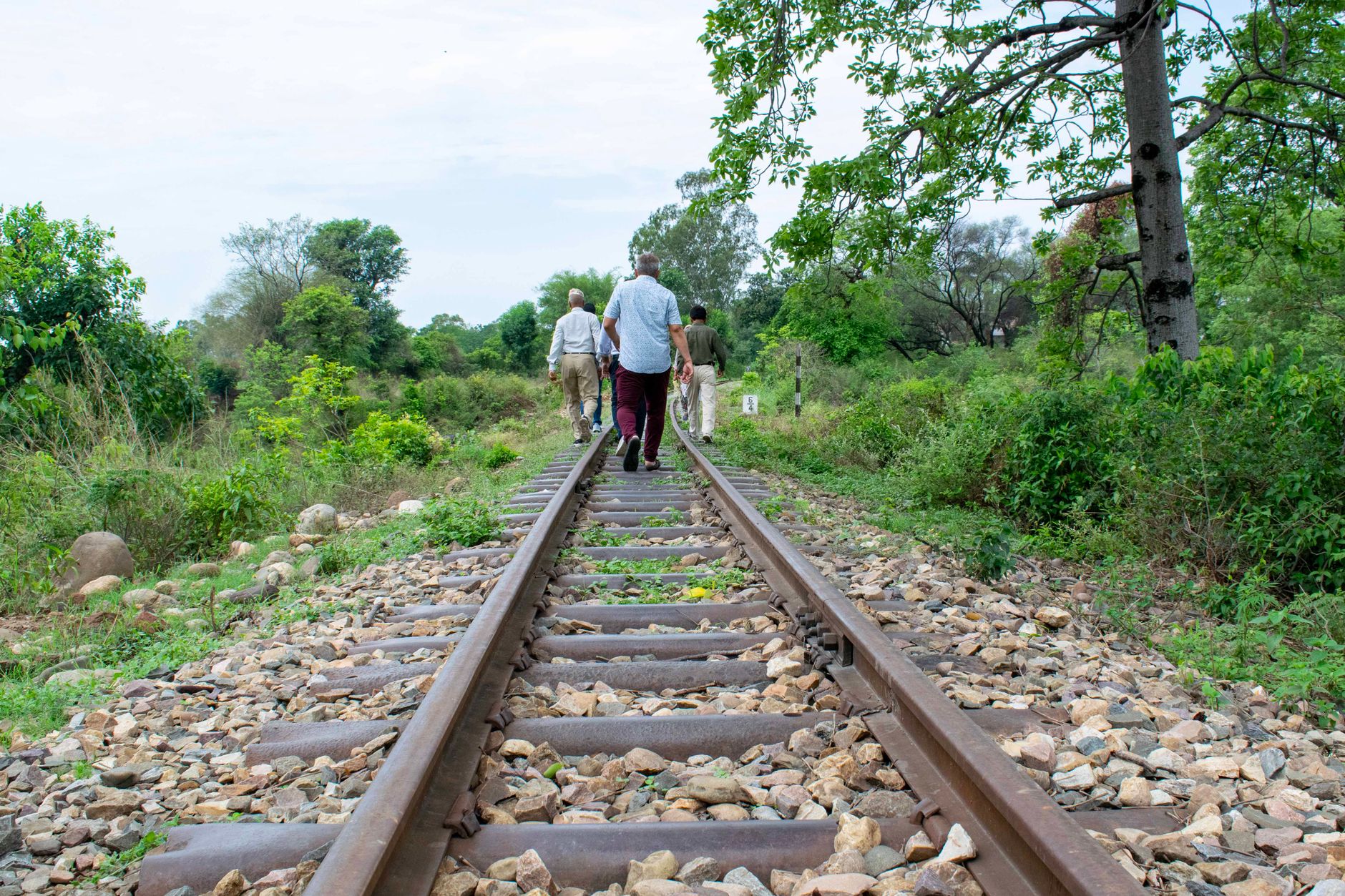
The tunnels of the Udzungwa Mountains represent the infrastructure’s critical point. Here, the ground is unstable and monsoonal rains test drainage systems annually. Maintenance logistics require constant patrols traversing the tracks on foot or in small railcars to ensure ballast has not been displaced by runoff. It is a daily battle against erosion and tropical vegetation attempting to reclaim its space.
- Total Length: 1,860 kilometers of single track.
- Bridges: 300 structures, including high-altitude viaducts in mountainous zones.
- Tunnels: 23 bores, mostly concentrated in the Tanzanian section.
- Rolling Stock: Chinese-origin diesel-electric locomotives and passenger cars from various eras.
The signaling system, though aging, still relies on physical token exchanges in many sections, a method ensuring safety in stretches where radio communications may fail due to topography. This blend of analog technology and structural resilience is what allows the train to keep operating, albeit at speeds rarely exceeding 50 kilometers per hour in the most complex sections.
Traversing the sanctuary: Selous logistics
One of the most spectacular and logistically complex stretches is the one crossing the Selous Game Reserve (now part of Nyerere National Park). Tazara is one of the few railways in the world traversing a wildlife sanctuary of such magnitude. For hours, passengers can observe elephants, giraffes, zebras, and various antelope species from their windows. However, this beauty carries immense operational responsibility.
The train’s passage must be as non-intrusive as possible. Drivers are trained to reduce speed in critical wildlife crossing zones, and track personnel must manage encounters with animals that often use the railway embankment as a transit route. The symbiosis between iron and nature is absolute; the train is a silent (or not so silent) observer of an ecosystem that has remained unchanged for millennia. This section of the trip is, for many, the highlight of the experience, where human engineering yields to the vastness of the African landscape.

Life in the cars: Sociology of an infinite journey
The interior of a Tazara train is a microcosm of African society. In first-class carriages, with their four-berth compartments, travel officials, tourists, and middle-class families. In third class, the atmosphere is vibrant, noisy, and saturated. Here, personal space dissolves among sacks of grain, fruit baskets, and conversations in Swahili and Bemba. The train doesn’t just transport people; it carries stories, hopes, and goods vital to the subsistence economy of intermediate stops.
The dining car is the nerve center of social life. Under dim lighting and to the rhythm of the clatter, basic plates of ugali with chicken or lake fish are served, accompanied by local beers like Kilimanjaro or Mosi. It is here where linguistic barriers break down and travelers share anecdotes of journeys that can last anywhere from 48 to 72 hours, depending on track incidents. Patience is not just a virtue on the Tazara; it is a prerequisite for enjoying the experience.
“On the Tazara, time ceases to be a chronological measure and becomes an emotional one; the destination matters less than the community created between carriages.”
As the train progresses, the landscape shifts from the sisal plantations and coastal palms to the miombo woodlands of the plateau. The air becomes cooler and drier as altitude is gained. The changing of the guard at the border, where immigration officers board the train to stamp passports while passengers rest in their berths, adds an air of transcontinental adventure that few modern journeys can match.
Waystations: Hubs of commerce and survival
Every Tazara stop is an explosion of activity. Even before the train comes to a complete halt, dozens of street vendors crowd under the windows, offering everything from roasted maize and bananas to phone chargers and colorful fabrics. For many of these communities, the train is their only link to the outside world and their primary source of income. The arrival of the express is the most significant event of the week.
Stations like Ifakara, Makambako, or Kasama are not just points on a map; they are commercial lungs. Agricultural products that feed the cities are loaded and unloaded here. The logistics of these stops is an organized chaos that functions with astonishing precision based on custom. Porters carry impossible bundles on their shoulders while passengers try to stretch their legs without losing their place in the carriage. It is a constant reminder that the railway is, above all, a tool for rural development.
The maintenance challenge and the corridor’s future
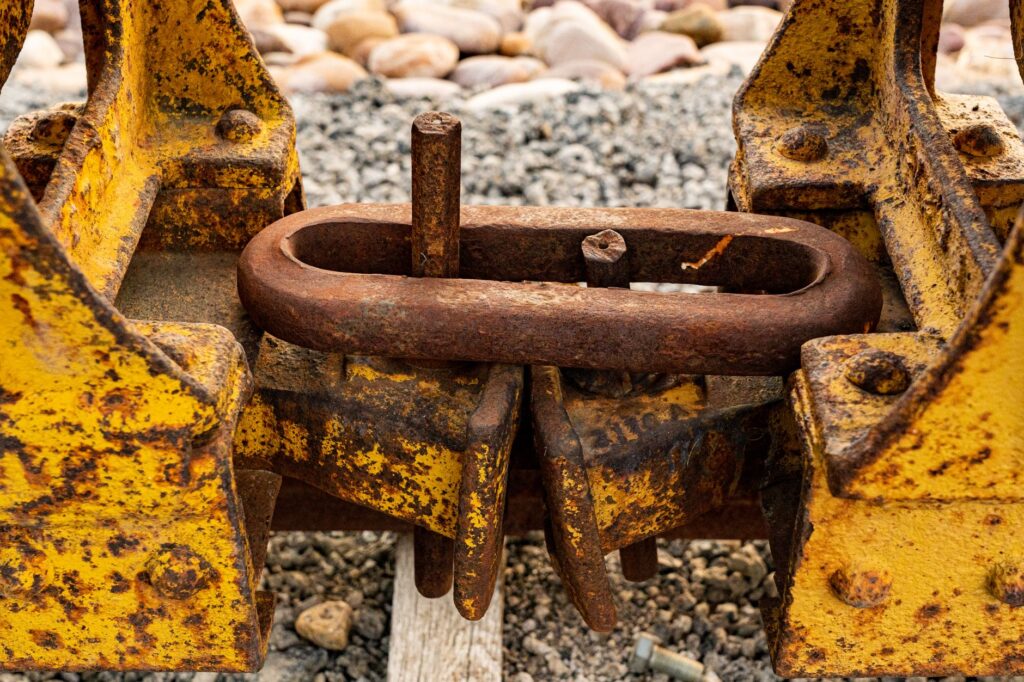
Despite its romantic and social importance, Tazara faces an uncertain future. The infrastructure suffers from decades of underinvestment. Aging locomotives often fail, and minor derailments are a constant threat due to the state of fasteners in some mountain sections. Competition from road transport, which is faster though more dangerous and costly for large volumes, has eroded the railway’s freight market share.
However, there are signs of hope. Recently, talks have begun for a massive revitalization funded again by China, aiming to modernize the track and rolling stock to integrate it into the New Silk Road. The rehabilitation of Tazara is critical for Zambia’s mining logistics, as it seeks to increase production of copper and cobalt—minerals essential for the global energy transition. The freedom railway could, in the next decade, become the green technology railway.
Practical guide
Planning a trip on the Tazara requires a flexible mindset and meticulous preparation. It is not a luxury service, but an authentic long-distance experience. Here are the fundamental aspects for navigating this historic route:
- Ticket Booking: It is highly recommended to purchase first-class tickets at least one week in advance at the Dar es Salaam or Kapiri Mposhi stations. There is no reliable online booking system for the full journey.
- Travel Classes: First Class offers 4-berth compartments (can be mixed if the entire compartment is not booked). Second Class has 6 berths, and Third Class consists of rigid seats, recommended only for short trips due to overcrowding.
- Onboard Services: The train features a dining car serving basic meals and drinks. It is advisable to bring extra bottled water and snacks, as stops can be unexpectedly prolonged.
- Border Crossing: Immigration procedures between Tanzania and Zambia take place on board the train at Tunduma (Tanzania) and Nakonde (Zambia) stations. Ensure you have the necessary visas or check if your nationality is eligible for ‘visa on arrival’.
- Luggage: There are no strict weight restrictions, but space in compartments is limited. Keep your valuables with you at all times.
The final whistle: A sunset farewell
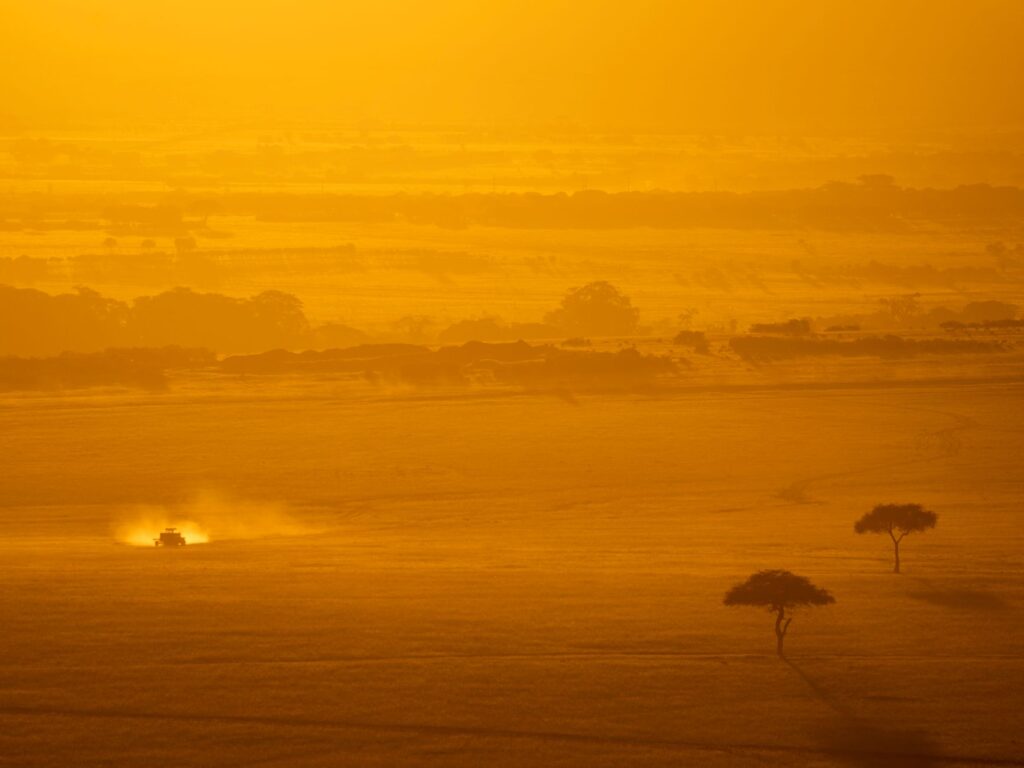
As the sun begins to descend over the Zambian plateau, tinting the tall grass fields in ochre and violet, the Tazara seems to glide over a sea of fire. It is in this moment that the fatigue of the journey dissipates, and one understands the magnitude of what this train represents. It is not just steel and wood; it is the will of two nations to walk together toward a common destiny, defying the shadows of the past.
The final photograph of the trip should not be of the locomotive, but of the silhouettes of children waving at the train from the embankments, with the golden light outlining their dreams. The Tazara is, ultimately, a reminder that true connectivity is not measured in gigabits per second, but in the ability to cross a continent to shake a hand. As the whistle echoes one last time before entering the final station, the certainty remains that as long as these rails stay joined, the pulse of freedom will continue to beat in the heart of Africa.