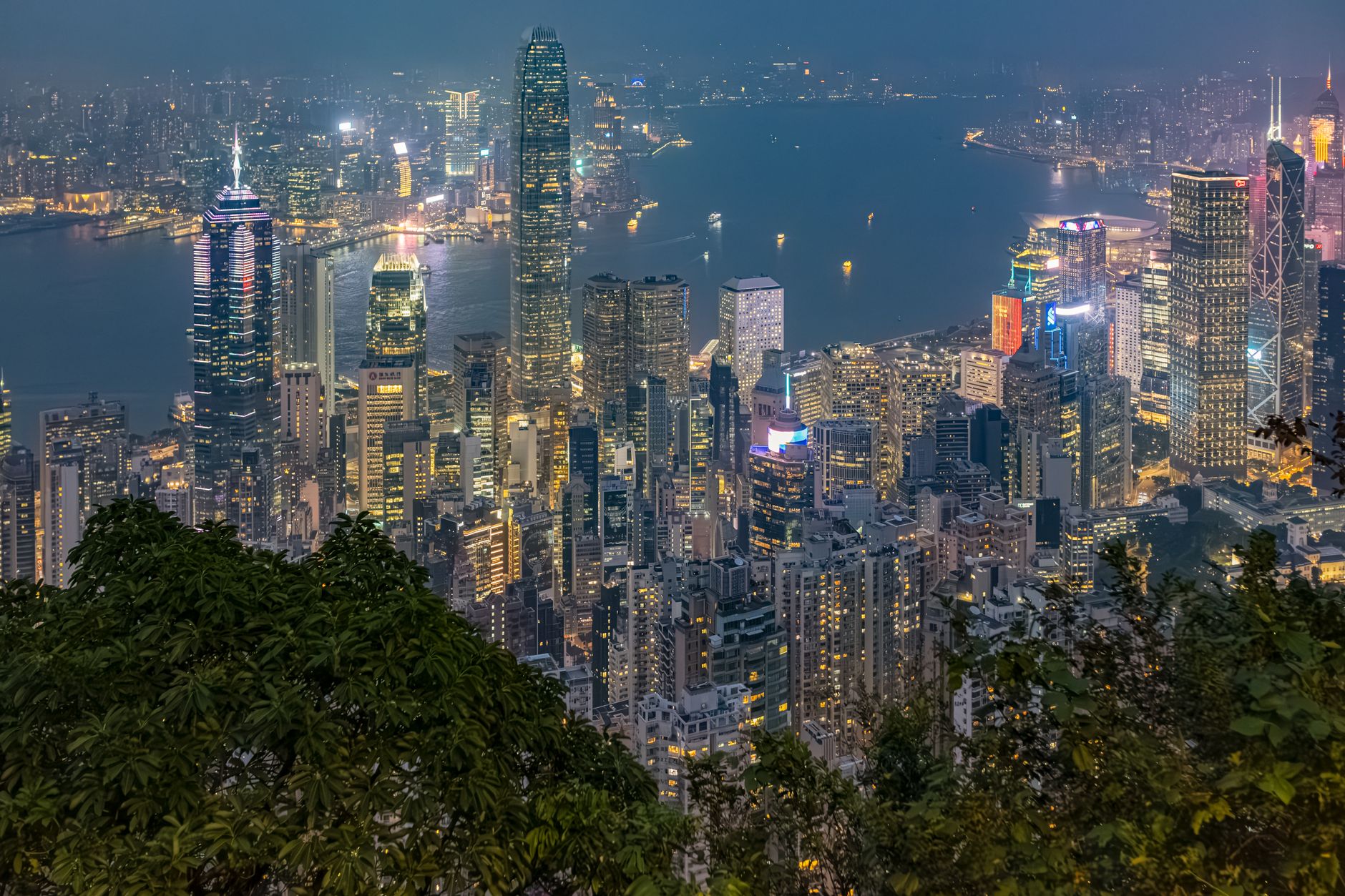

Hong Kong is universally recognized for its dense urban skyline, a vertical labyrinth of steel and glass that defines the epitome of the modern metropolis. Yet few international visitors realize that over seventy percent of its total land area consists of open countryside, rugged hills, and protected nature parks. This radical contrast transforms the region into an unexpected haven for hiking enthusiasts. However, in recent years, the surge in popularity of these trails has severely tested the environmental sustainability of these wild spaces, sparking an intense debate over the necessity of implementing access controls akin to those found in world-famous natural sanctuaries.
The urgency to safeguard these green lungs stems from visible environmental degradation rather than bureaucratic overreach. Trails that were historically tranquil, such as the MacLehose Trail or the steep paths leading to Lion Rock peak, experience heavy weekend influxes of local hikers and tourists alike. This phenomenon, accelerated by a post-pandemic desire for open-air recreation, has caused severe soil erosion, accumulation of plastic waste, and persistent disruptions to native wildlife. In response, academic and conservation voices are demanding a fundamental overhaul of territory management.
The Green Paradox of a Dense Metropolis
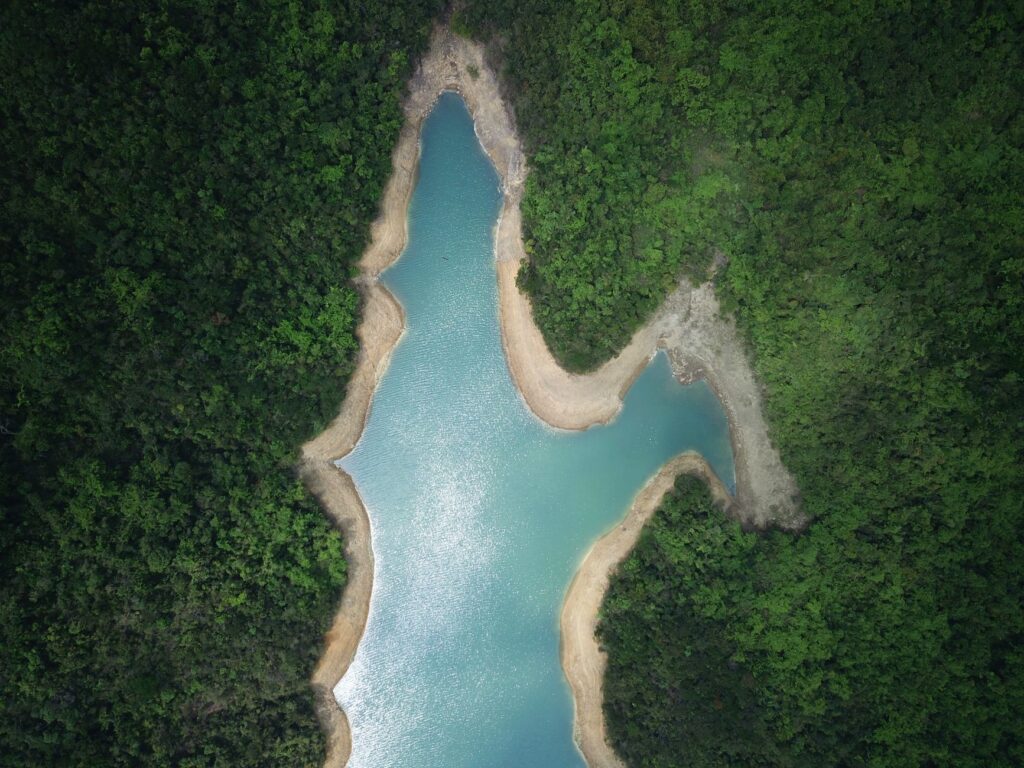
Hong Kong’s territory is a geographical miracle of coexistence between high demographic density and untamed wilderness. Since the 1970s, the local government has maintained a model system of country parks encompassing twenty-four protected areas. These zones fulfill a vital role not only as recreational escape valves for over seven million residents but also as indispensable ecological corridors for regional biodiversity, sheltering endemic amphibians, migratory birds, and forest cover constantly regenerating through ongoing restoration efforts.
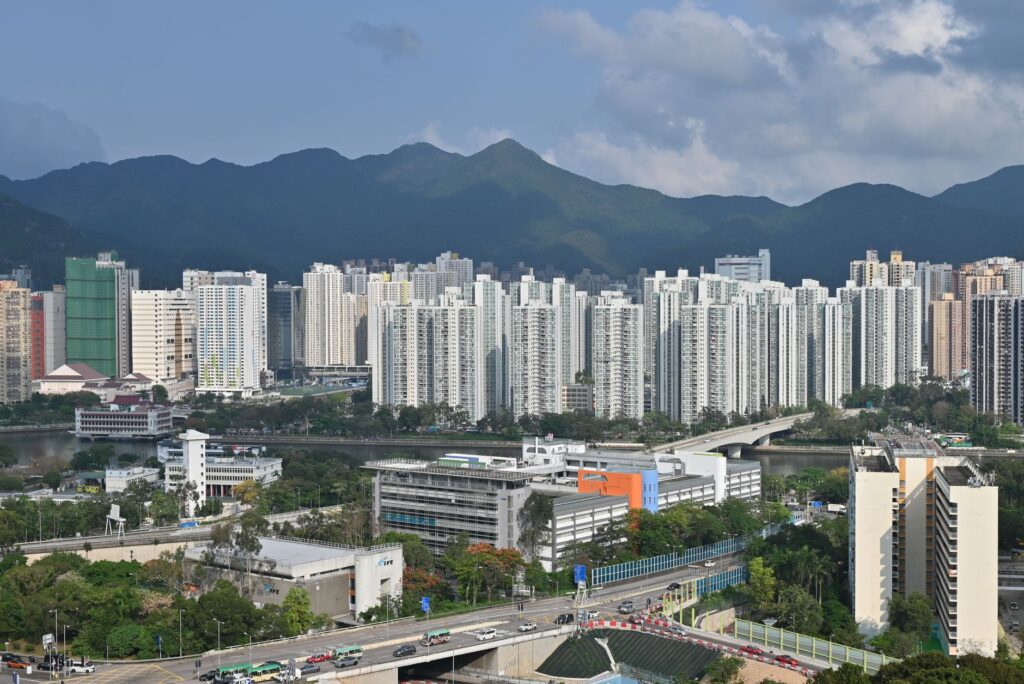
Nevertheless, the proximity of nature to urban core areas remains a double-edged sword. Unlike massive national parks spanning vast continental expanses, Hong Kong’s trails are accessible within minutes via efficient public transport, the MTR subway network, or city buses. This immediacy allows thousands of people to converge simultaneously on key trailheads during days off, overwhelming trail infrastructure and frequently exceeding the ecological carrying capacity of fragile island ecosystems.
The Invisible Impact of Wild Mass Tourism
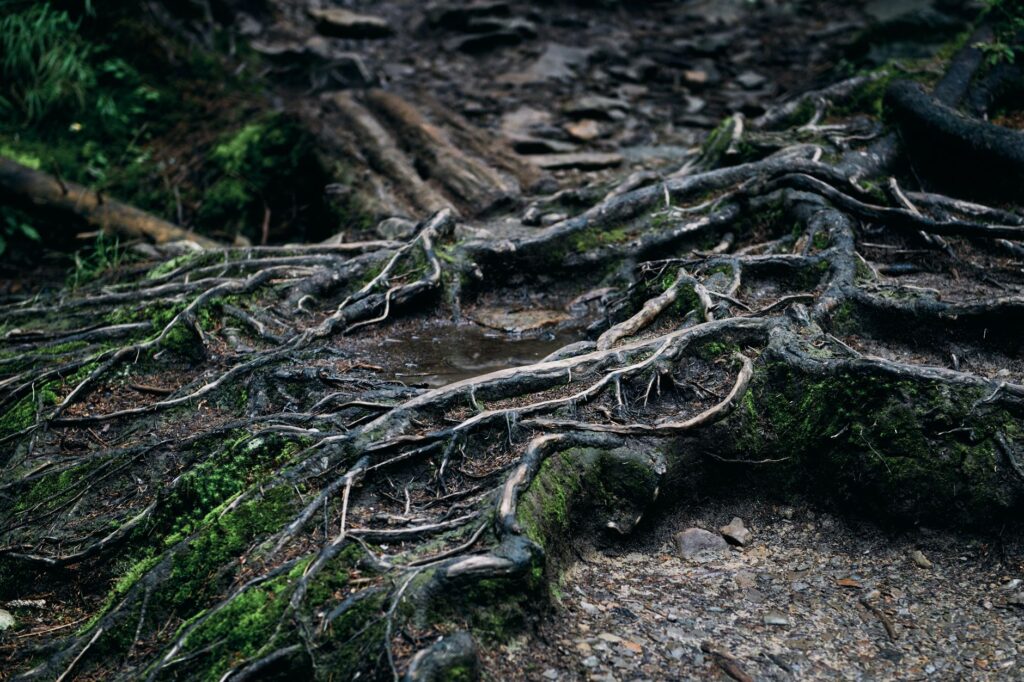
When discussions turn to mass tourism, people typically picture crowded beaches or historical landmarks overwhelmed by digital photography. In Hong Kong’s natural environments, the problem acquires subtler yet equally destructive dimensions. The relentless traffic of thousands of footsteps off established paths destroys the topsoil layer, accelerating landslide risks during the monsoon season. Furthermore, heightened human presence alters the feeding and breeding habits of wildlife, including the rhesus macaques and wild boars that inhabit the park peripheries.
Soil Erosion and Vegetation Loss
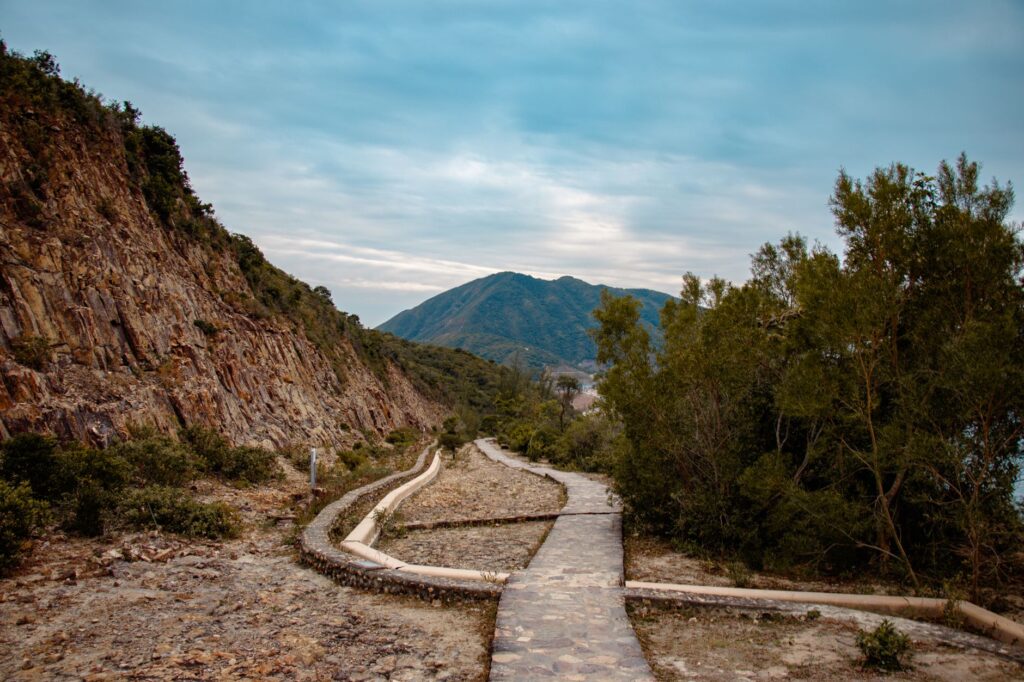
Exposed ridge trails, characteristic of the region’s granitic and volcanic topography, are particularly vulnerable. Rainwater runoff, combined with soil compaction caused by intensive foot traffic, strips away essential nutrients and prevents the natural regeneration of native flora. Restoration efforts by the Agriculture, Fisheries and Conservation Department (AFCD) frequently struggle to keep pace with the rapid environmental wear driven by heavy recreational usage.
Waste Management in Remote Terrain
Despite long-standing government campaigns encouraging visitors to leave no trace, reality on the ground often tells a different story. Beverage cans, single-use containers, and broken trekking poles discarded along remote paths have become alarming fixtures in areas where waste collection depends entirely on manual labor carried out by workers on foot or via boat transport. Civic indifference by a minority generates an cumulative impact that challenges the cleanliness of these protected areas.
International Regulation Models and Local Realities
Faced with this crossroads, environmental managers are closely examining experiences from other global jurisdictions that have already implemented visitor quotas. From Torres del Paine National Park in Patagonia to iconic routes in Japan and the United States, advance booking systems and entry fees have proven effective in preserving ecological balance without banning public enjoyment. The central question in Hong Kong is no longer whether regulation is needed, but how to design a framework that is equitable and respects the local hiking culture.
Proposals under discussion include the creation of a centralized digital platform for advance slot bookings on heavily congested trails, the introduction of deterrent fines for off-trail hiking, and daily visitor caps in ecologically sensitive zones. Nonetheless, these measures encounter resistance from traditional hiking groups who view unrestricted, historic access to the hills as an unalienable civic right passed down through generations.
The Tug-of-War Between Access and Preservation
The debate extends far beyond pure ecology into the realms of sociology and politics. For many residents, weekend hikes offer one of the few psychological outlets in a society defined by high work pressure and prohibitive housing costs. Restricting this access through quotas or mandatory reservations is perceived by some communities as the commercialization of spaces that should remain freely open to all citizens equally.
Nature is not an amusement park with unlimited access, but a finite life-support system that demands reciprocity and clear boundaries to ensure long-term survival.
Conversely, scientists argue that defending unrestricted access will ultimately destroy the very landscapes people cherish. Without decisive intervention to manage visitor flows, the scenic quality and ecological integrity of the parks will degrade past the point of no return. The core challenge lies in striking a balance through active environmental education and participatory governance that engages hikers, conservationists, and local authorities alike.
Toward a New Culture of Environmental Respect
The debate over mandatory trail bookings in Hong Kong serves as a mirror for the broader dilemmas of contemporary tourism in the post-pandemic era. Reconciling urban physical and mental well-being with the safeguarding of wild ecosystems requires moving past traditional dogmas of open access and embracing mature, responsible management models. Educating new generations in deep environmental stewardship forms the essential foundation upon which the region’s green future must be built.
Ultimately, the success of any regulatory measure depends on profound cultural change. Once hikers understand that every step outside established routes carries a direct consequence for landscape stability, strict rules will cease to be seen as external impositions and transform into a collective pact of mutual protection between the city and its surrounding nature.

Practical guide
How to get to the country parks: The vast majority of trailheads in Hong Kong connect directly via MTR subway stations or urban bus routes originating from central financial districts.
Recommended season: The months between November and March offer the most favorable weather conditions, featuring mild temperatures and low humidity ideal for long-distance trekking.
Essential rules: Visitors must carry all generated waste back to urban areas. Lighting fires outside designated barbecue sites is strictly prohibited, and feeding wild animals is illegal.
Preparation and safety: Although trails are well marked, carrying adequate water, sun protection, and a charged mobile communication device is vital, as reception can be intermittent in deep valleys.
Official resources: To check up-to-date trail conditions and potential temporary closures, consult official advisories provided by the Hong Kong Agriculture, Fisheries and Conservation Department (AFCD).
The Silent Beat of the Hills
As evening falls, when the murmur of weekend hikers fades and neon lights begin to flicker across the urban horizon, Hong Kong’s hills reclaim their ancient pulse. In that twilight stillness, where birdsong mingles with wind whispering through pine needles, lies the true soul of a territory fighting to preserve its wild heart. Protecting this fragile equilibrium is not merely an exercise in environmental management, but an act of gratitude toward the landscape that quietly sustains the dizzying rhythm of the great metropolis.
Source in EN: Google News – ИФЗ РАН