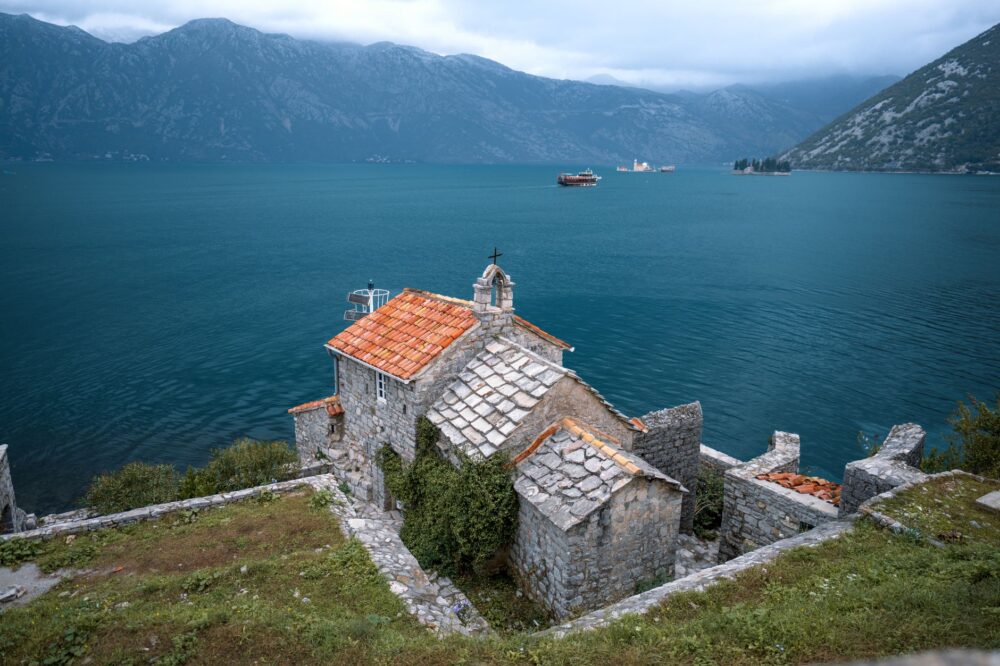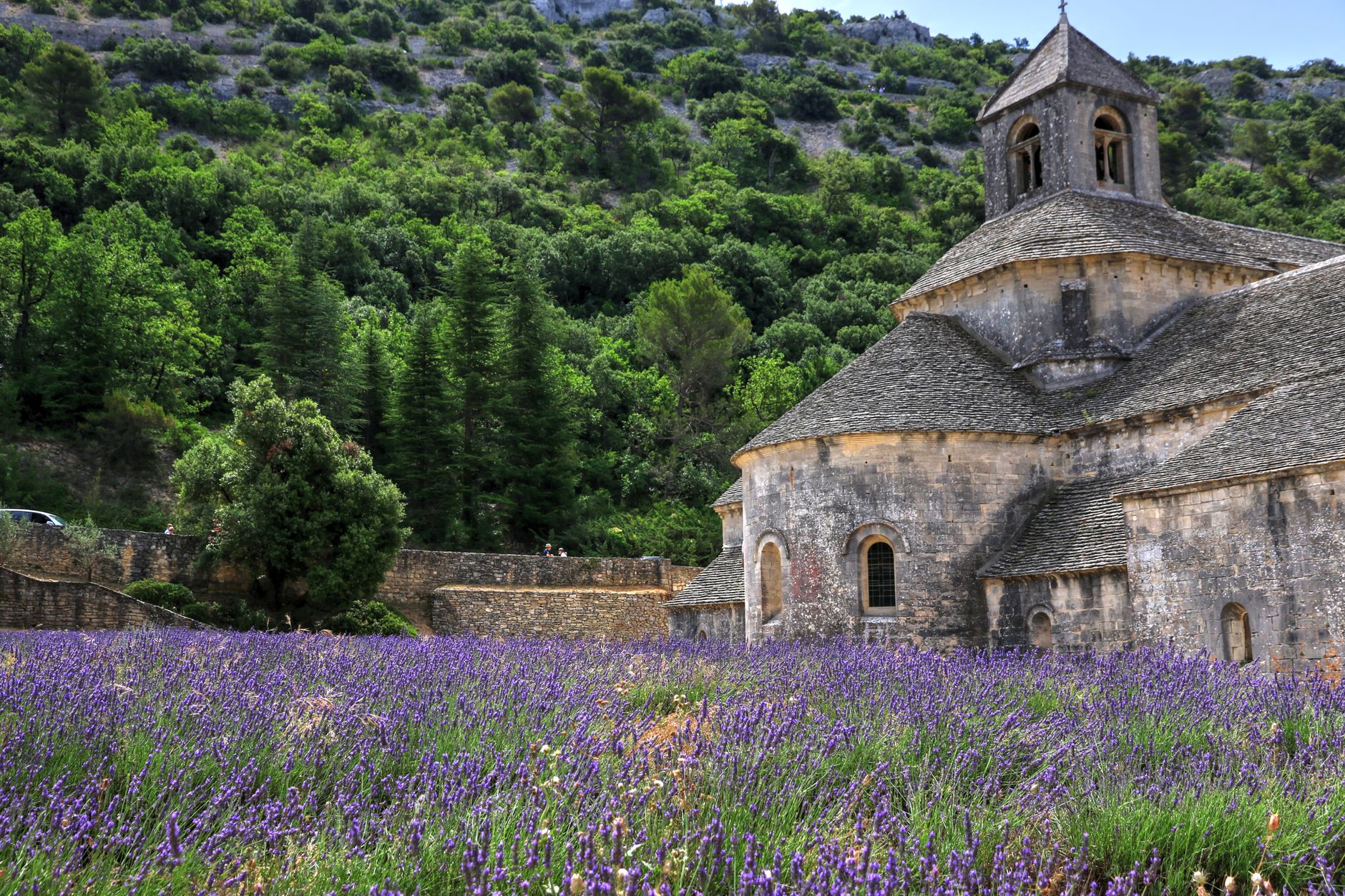

In the geographical heart of southern France, where the limestone of the Luberon engages in a permanent dialogue with Mediterranean winds, wellbeing is understood not as a modern artifice, but as a geological and cultural sediment accumulated over centuries. The Vaucluse valleys and the slopes descending toward Gordes and Bonnieux harbor a heritage of hydrotherapy and medicinal botany that completely bypasses the fleeting trends of the urban spa. Here, water vapor laden with natural essences and the rural architecture of dry stone create a landscape where time seems to suspend its relentless march.
This report examines the physical infrastructure, traditional knowledge, and contemporary protocols that define the experience of deep rest in this corner of Provence. Through a detailed analysis of subterranean springs, artisanal distillation methods, and the integration of health centers within protected agricultural environments, we reveal how the territory itself acts as the primary therapeutic agent.
The Geology of Water and Subterranean Aquifers of the Luberon
The scientific foundation of any wellness experience in this region lies in its complex karst hydrology. The Luberon massif, composed primarily of Cretaceous and Jurassic limestones, acts as a gigantic natural sponge that filters winter precipitation through intricate networks of underground galleries. This slow filtration process enriches the water with essential minerals such as calcium, magnesium, and sulfates, while naturally purifying it before it emerges in historical fountains and low-mineralization thermal springs.
Unlike the volcanic or high-temperature aquifers of central Europe, the waters of the Luberon emerge at temperate levels ranging between 18 and 24 degrees Celsius. This characteristic demands a specific technical intervention: controlled heating via boilers fueled by local biomass —primarily olive pruning residues and grapevine trimmings— to reach optimal temperatures for sweating and muscular relaxation in traditional steam baths. The engineering of these hydraulic circuits strictly respects the original topography, avoiding aggressive artificial channeling and utilizing gravity as the main distribution motor.
The Architecture of Dry-Stone Masonry and Wellness Refuges
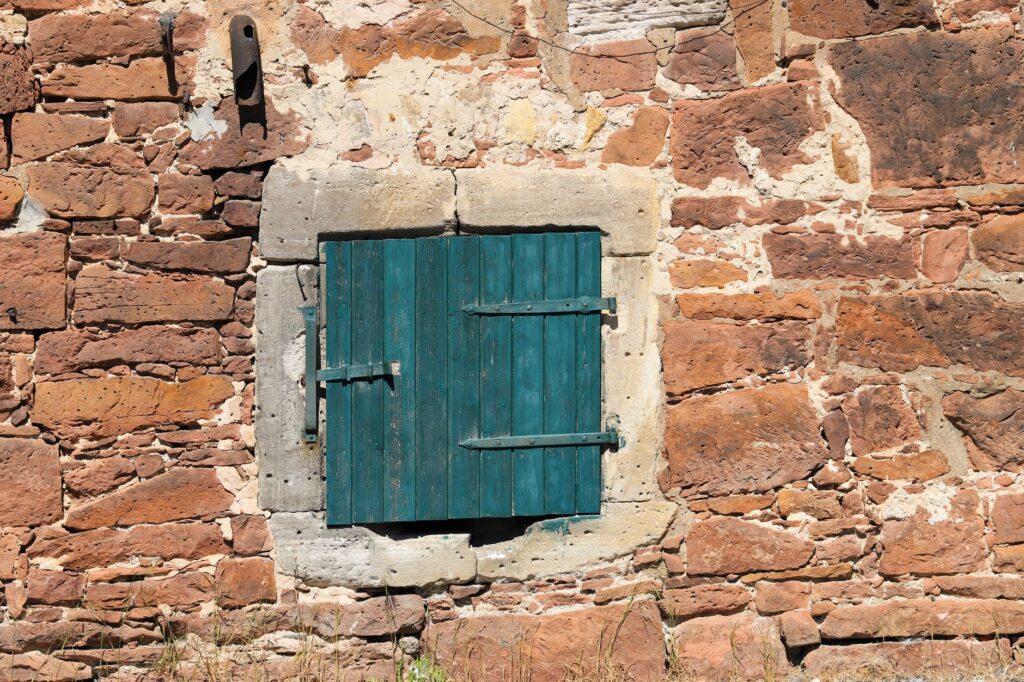
The architectural landscape of the Luberon is inextricably linked to the technique of dry-stone masonry, locally known as bories and retaining walls. In contemporary wellness sanctuaries, this construction tradition is employed not merely for aesthetic or decorative purposes, but as a key functional component in the thermal regulation of hydrotherapy rooms. Thick limestone walls act as passive thermal masses, absorbing residual heat during peak daylight hours and releasing it gradually during chilly Provençal nights.
Spaces dedicated to steam baths and low-temperature saunas are usually integrated into rehabilitated historic agricultural dependencies, such as old olive mills, golden stone barns, or former lavender distilleries. This heritage reuse ensures that the human scale of the buildings remains intact, offering intimate rooms where vaulted ceilings favor the uniform condensation of aromatic vapor. The absence of synthetic materials such as plastics or shiny metals reinforces the sensation of isolation and reconnection with the natural environment.

The Botany of Fine Lavender and High-Altitude Essential Oils
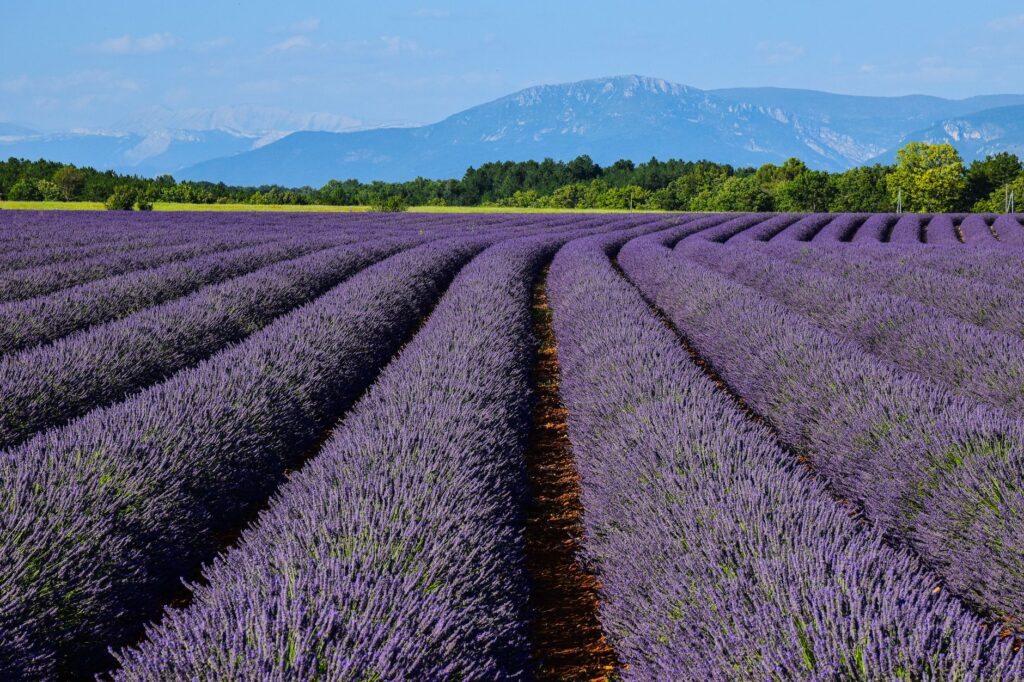
No analysis of wellness in Provence can overlook the central role of Lavandula angustifolia, popularly known as fine or true lavender. Unlike commercial hybrids cultivated in plains, authentic lavender grows exclusively above 600 meters of altitude on the limestone plateaus of Sault and Albion. The harsh climatic conditions of these mountainous zones —characterized by rigorous winters and summers of intense solar radiation— stimulate a higher concentration of linalyl acetate and linalool in the plant, the two active principles responsible for its relaxing, antiseptic, and sedative properties on the central nervous system.
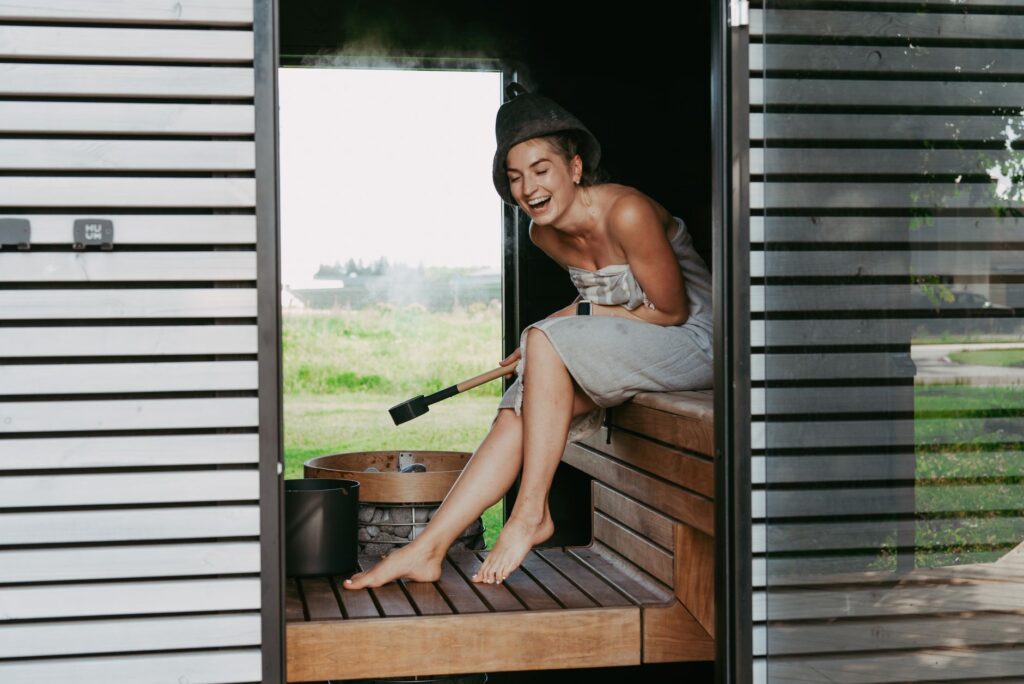
In the steam rituals of traditional Luberon centers, pure essential oils are not vaporized via impersonal electric diffusers, but are instead incorporated directly into the hot water flow running over beds of river stones in the sweating chambers. This method ensures that volatile molecules are deployed at a controlled temperature, preventing the chemical degradation of active ingredients and allowing optimal skin and respiratory absorption by the visitor.
True luxury in Provence does not lie in the ostentation of services, but in the absolute silence of the valleys and the purity of water that has spent centuries filtering through stone.
Local Gastronomy as a Complement to Physical Equilibrium
The holistic wellness promoted in these valleys grants capital importance to nutrition as a direct continuation of hydrotherapy. The menus offered in local retreats and guesthouses are rigorously grounded in the precepts of the traditional Mediterranean diet, adapted to the seasonal pantry of the Vaucluse department. Vegetables grown in regenerative agriculture gardens, protected designation of origin extra virgin olive oil, raw milk goat cheeses, and wild herbs such as thyme, rosemary, and savory compose a light yet micronutrient-dense culinary offering.
This farm-to-table cuisine seeks to avoid post-heat-session and massage digestive heaviness, facilitating cellular detoxification and deep rest. Vegetable broths enriched with local roots and hand-picked linden flower and verbena infusions complete a nutritional cycle that closes the circle between the external natural environment and the traveler’s organism.
Water Sustainability and Resource Management in the Rural Territory
The growth of wellness tourism in the Luberon has been accompanied by rigorous debate on the management and preservation of natural resources, especially critical in a Mediterranean region historically vulnerable to summer droughts. The area’s most advanced hydrotherapy centers operate under strict closed-circuit protocols for water treatment and reuse. After passing through plunge pools and steam zones, the water undergoes biological filtration processes using sand filters and ultraviolet radiation systems, allowing its subsequent utilization for irrigating botanical gardens and neighboring organic farming plots.
Likewise, the energy management of these facilities prioritizes the use of solar thermal panels for preheating sanitary water and low-consumption lighting integrated into vernacular architecture. These measures ensure that the ecological footprint of tourism activity is kept to minimal levels, preserving the integrity of the regional natural park for future generations and demonstrating that the rest industry can coexist in harmony with environmental conservation.
Practical guide
How to get there: Marseille Provence Airport (MRS) is the main gateway, located approximately 70 kilometers south of the Luberon Regional Natural Park. From there, the rental car journey via the A7 motorway and the D973 and D900 county roads takes about an hour. Renting a vehicle is strongly recommended, as public transport networks are scarce for accessing rural mountain sanctuaries.
When to go: The optimal season to enjoy the combination of hydrotherapy and landscape spans from May to June —coinciding with the lavender bloom and mild daytime temperatures hovering around 24 degrees— and from September to October, when the grape harvest concludes and summer tourism notably decreases, allowing for an experience of absolute tranquility.

Recommended accommodations: Prioritize rehabilitated traditional Provençal farmhouses featuring ecological certification and family management, such as traditional establishments around Bonnieux, Lacoste, and Gordes. These spaces typically limit guest numbers to a maximum of twelve to fifteen people to guarantee exclusivity and rigorous silence.
Etiquette and health tips: In the region’s traditional steam baths, the use of organic linen or cotton provided by the center is mandatory. Consumption of alcohol or heavy meals is discouraged at least two hours before accessing the heat chambers due to relative altitude and the specific mineralization of the waters.
The Echo of Time in Stone and Spirit
When the evening light begins to dye the limestone facades ocher and gold, the Luberon valleys recover their ancestral pulse. At that precise instant when the murmur of temperate water merges with the persistent aroma of nocturnal lavender, the traveler understands that the true purpose of this journey is not passing escapism, but the reunion with a slow and rigorous vital rhythm. Millennial stone, water filtered with geological patience, and aromatic steam configure a timeless refuge where the body rests and memory recovers its essential clarity.