


In the geographic heart of the Niagara River, nestled between two powerful channels rushing toward the world-famous falls, Grand Island shelters an ecological sanctuary of immense local value. Eco Island, an environmental education preserve owned and managed by the Grand Island Central School District, transcends conventional classroom boundaries to function as an open-air laboratory for Western New York. Recently, educational leaders and environmental managers presented key updates regarding the maintenance, enhancement, and future vision for this living educational resource.
Through low-impact architectural interventions and active habitat restoration, Eco Island demonstrates how localized environmental stewardship can yield profound educational and ecological dividends. The updates shared at the school board meeting underscored a sustained commitment to repairing wooden boardwalks, controlling invasive species, and deepening hands-on scientific inquiry for students, firmly establishing the preserve as a beacon of educational ecotourism along the Niagara River corridor.
A Natural Laboratory in the Heart of the Niagara River
Grand Island occupies a unique geographical position within the Great Lakes watershed. Surrounded by the splitting waters of the Niagara River, the island acts as a vital sanctuary for aquatic and terrestrial wildlife. Eco Island sits directly within this vibrant natural mosaic, encompassing hardwood forests, freshwater marshes, and meadowlands that together represent the historic landscape of Western New York.
Far from being a standard municipal park, Eco Island is specifically designed as an active research site and habitat preserve. Its strategic location allows it to intercept seasonal avian migration routes while providing a safe refuge for native plant species that have seen their natural territories shrink across Erie County due to urban sprawl.
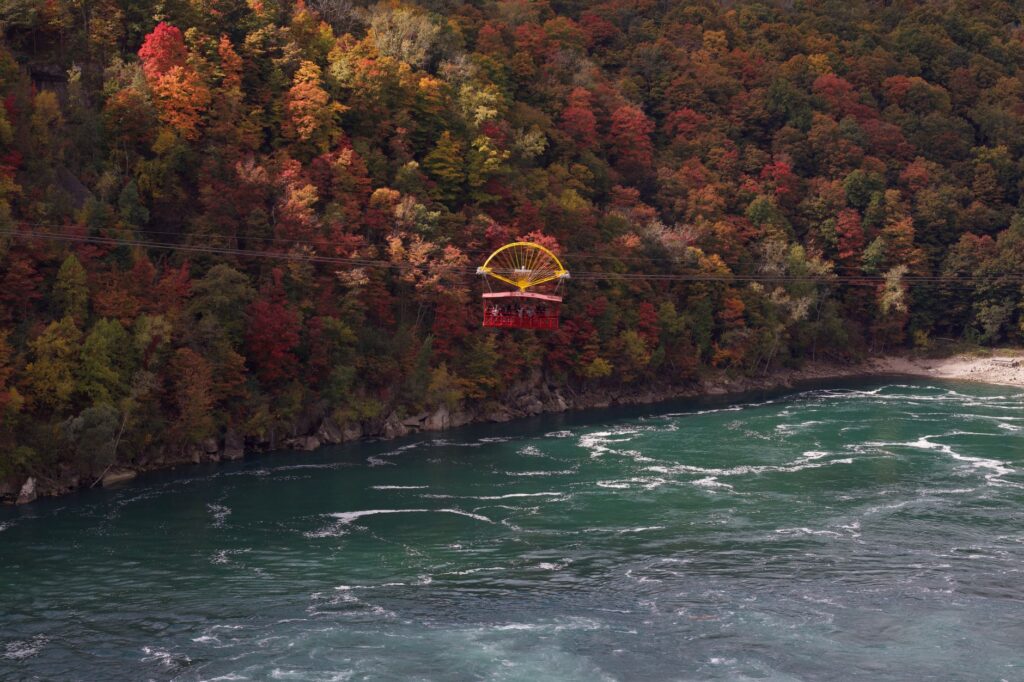
River Geography as an Educational Foundation
The proximity of the river drives the botanical profile of Eco Island. Species such as silver maple, black willow, and swamp white oak form a dense canopy that cools the forest floor and stabilizes damp soils. This dynamic moisture gradient provides a constantly evolving landscape where students can observe ecological succession and seasonal biological shifts firsthand.
Eco Island proves that the most impactful classrooms carry no walls or whiteboards—only wooden footpaths, wetland breezes, and the steady cadence of running water.
Wetland Ecosystems and Their Role in Regional Balance
The freshwater wetlands within Eco Island perform crucial ecological functions within the broader Niagara River watershed. Acting as natural biological filters, these marshlands absorb excess nutrients, trap heavy sediments, and mitigate localized flooding during spring snowmelts and severe weather events. Preserving these aquatic ecosystems helps safeguard water quality moving downstream into Lake Ontario.
Moreover, these wetland pockets serve as breeding grounds and nurseries for an array of native amphibians, reptiles, and benthic invertebrates. Healthy populations of northern leopard frogs, spotted salamanders, and painted turtles serve as reliable bioindicators, confirming the ecological integrity of the preserve’s water bodies.
- Water Purification: Natural filtration of agricultural and urban runoff before reaching the river.
- Erosion Control: Deep root systems of riparian vegetation stabilize shoreline soils against wave action.
- Biodiversity Support: Crucial breeding habitat for migratory waterfowl, amphibians, and native insects.
School Board Updates: Expanding Environmental Vision
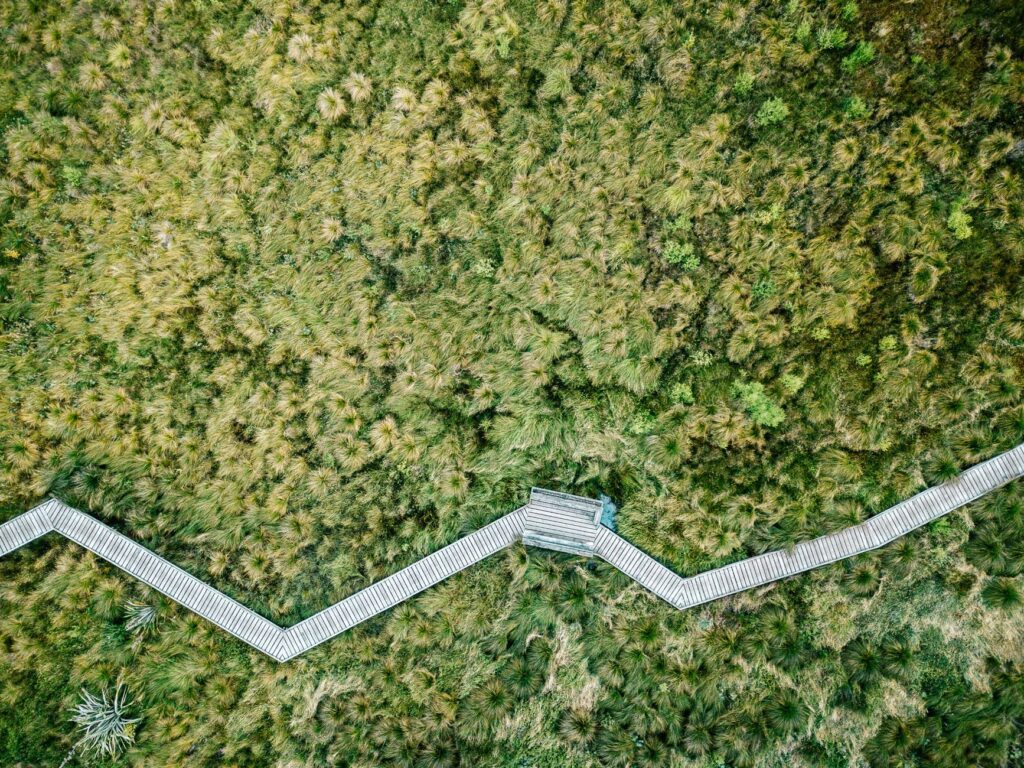
At the recent Grand Island Central School District board meeting, project leaders presented a comprehensive overview of ongoing maintenance and educational progress at Eco Island. Discussions highlighted recent investments in repairing elevated boardwalks and trail infrastructure, ensuring that student groups can safely traverse sensitive wetland habitats without causing soil compaction or trampling delicate vegetation.
Board members reaffirmed their support for sustained funding to maintain the facility’s safety and accessibility. The presented report emphasized significant increases in student field engagement hours, as well as growing community participation in invasive species removal workshops and seasonal biodiversity surveys.
Collaborative Stewardship and Curriculum Integration
The ongoing success of Eco Island rests on close collaboration between school administrators, grounds maintenance personnel, and local conservation organizations. Academic curricula across grade levels have been enriched to align state science standards with real-world observations on the island, linking topics like hydrology, forestry, and ecology to field trips.
Habitat Restoration and Green Infrastructure Design
A primary objective of the Eco Island management plan is the systematic containment of invasive plant species, notably common reed (Phragmites australis) and garlic mustard, which threaten to displace native flora. Through targeted mechanical management and community-led weeding events, native species such as cardinal flower, milkweed, and cinnamon fern are reclaiming their historical footprint.
Infra-structure upgrades within the preserve strictly adhere to green design principles. Permeable trail surfaces, non-toxic boardwalk materials, and modular seating areas minimize ecological disruption while providing functional spaces for instruction and quiet reflection.

- Elevated Boardwalks: Constructed from sustainably sourced, untreated lumber to prevent chemical leaching into sensitive marsh soils.
- Outdoor Classrooms: Simple stone amphitheaters integrated into natural land contours for introductory pre-hike lectures.
- Interpretive Signage: Weather-resistant panels featuring student artwork and ecological descriptions along key trail intersections.
Observing Local Wildlife: From Blue Herons to Bald Eagles
Eco Island is an integral component of the Globally Significant Niagara River Important Bird Area (IBA). During migration seasons in spring and autumn, the preserve’s forest canopy comes alive with songbirds, including warblers, scarlet tanagers, and flycatchers seeking rest and food during their long journeys.
Along the quiet marsh borders, visitors and students frequently spot the majestic Great Blue Heron (Ardea herodias) stalking small fish and frogs in shallow pools. Furthermore, the successful nesting of resident Bald Eagles (Haliaeetus leucocephalus) in mature trees bordering the island offers living proof of environmental recovery across the Niagara river basin over recent decades.
The return of apex species like the Bald Eagle is no accident—it is the tangible reward of decades dedicated to wetland protection and thoughtful habitat stewardship.
Hands-On Pedagogy: Citizen Science in Action
The pedagogical approach at Eco Island replaces passive learning with direct scientific inquiry. Students don waders, operate water-testing kits, and record chemical parameters such as dissolved oxygen, turbidity, and nitrate levels. This data feeds into long-term environmental monitoring logs, allowing students to contribute real data to local ecological databases.
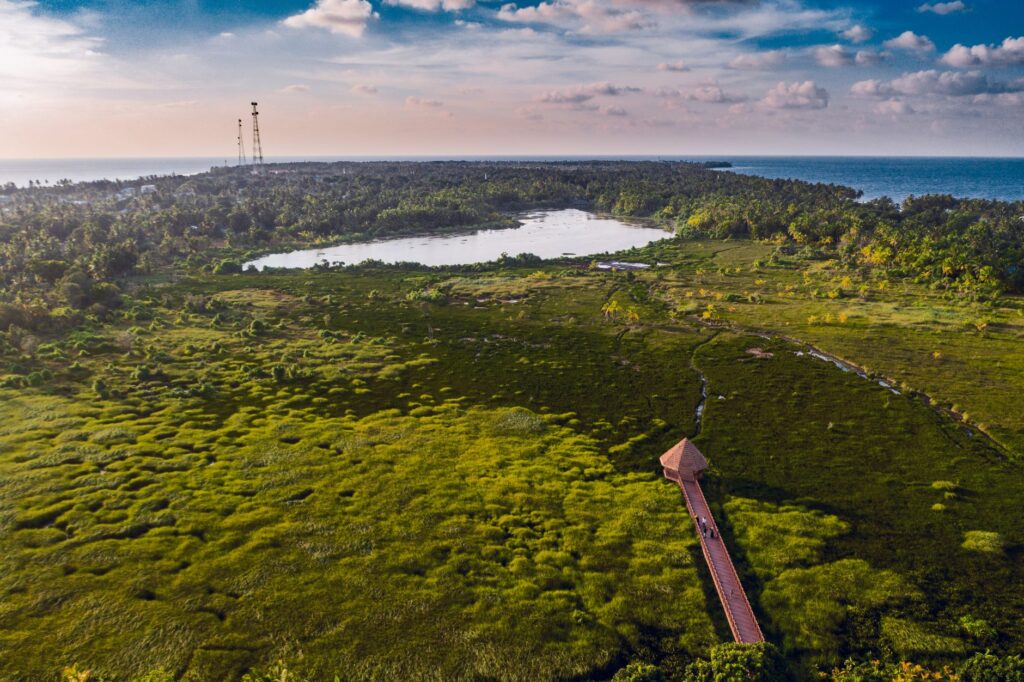
This immersive citizen-science model cultivates environmental literacy and fosters STEM competencies in an authentic setting. Students do not merely memorize ecological concepts; they witness how environmental variables interact in real time and gain a sense of personal responsibility toward their local watershed.
The Psychological Benefits of Outdoor Learning
Educational research conducted within the district highlights that regular learning experiences in natural environments reduce stress, enhance focus, and foster cooperative problem-solving skills. Direct interaction with natural systems builds an enduring environmental ethic that students carry into adulthood.
Ecotourism Value of Living Classrooms in Western New York
Beyond its primary educational role, Eco Island is gaining recognition as a valuable destination for local ecotourism and nature appreciation. Birdwatchers, wildlife photographers, and outdoor enthusiasts from the Greater Buffalo and Niagara Falls regions are drawn to its serene, accessible trails and rich biodiversity.
Promoting sustainable ecotourism on public educational lands yields economic and cultural benefits for island communities. It encourages local commerce, raises public awareness about freshwater conservation, and provides an adaptable model for school districts nationwide seeking to turn natural acreage into community assets.
Practical guide
Planning a visit to Eco Island requires an understanding of its dual identity as an educational facility and a protected natural sanctuary.
Location and Access
Eco Island is situated on Grand Island in Erie County, New York, easily accessible via Interstate 190 between Buffalo and Niagara Falls. Visitors can access designated parking areas near school facilities during public access hours.
Visitor Regulations and Guidelines
- Access Hours: Educational activities take precedence during regular school hours. Public visitors should verify open hours via the Grand Island Central School District portal before visiting.
- Trail Etiquette: Visitors must remain on designated wooden boardwalks and gravel paths at all times to protect fragile wetland roots and wildlife nests.
- Prohibitions: Collecting plant specimens, littering, feeding wildlife, and bringing motorized vehicles or unleashed pets are strictly prohibited.
- Leave No Trace: Visitors must carry out all personal trash and leave the sanctuary exactly as they found it.
A Sustainable Legacy by the Water’s Edge
The ongoing enhancements and stewardship updates presented to the Grand Island school board demonstrate that public education can play a leading role in environmental conservation. Eco Island remains a living testament to the idea that true ecological understanding begins with immersion, curiosity, and care for one’s immediate surroundings.
As evening falls across the tranquil marshes of Grand Island, the calling of frogs and the slow wingbeats of herons returning to their roosts affirm the enduring value of protected natural spaces. Eco Island is more than a trail network—it is an investment in the ecological health of the Niagara River and a promise that future generations will grow up connected to the natural world.
Source: Niagara Frontier Publications


