A New Horizon for River Tourism in the Delta
The Mekong Delta, a vast network of tributaries, canals, and fertile alluvial lands in southwestern Vietnam, has historically served as the agricultural and commercial heart of the region. At the center of this aquatic labyrinth lies Cần Thơ, the delta’s largest city, renowned for its floating markets and a rhythm of life inextricably linked to the river. In recent months, local authorities and tourism operators have intensified efforts to position this destination on the global map, focusing strategically on the Japanese market through an ambitious program of tailored tourism incentives.
This initiative does not emerge from a vacuum. It responds to the ongoing need to diversify Vietnam’s tourism offerings and attract a highly valued segment of international travelers: the Japanese tourist. Known for their high standards regarding quality, punctuality, environmental respect, and cultural authenticity, Japanese visitors represent a key target for the sustainable economic development of Cần Thơ. The connection between the two territories seeks to transcend traditional trade exchanges, moving deep into the realm of memorable experiences, corporate incentive travel, and profound intercultural understanding.
The Geography of Water: Navigating Between Tradition and Trade
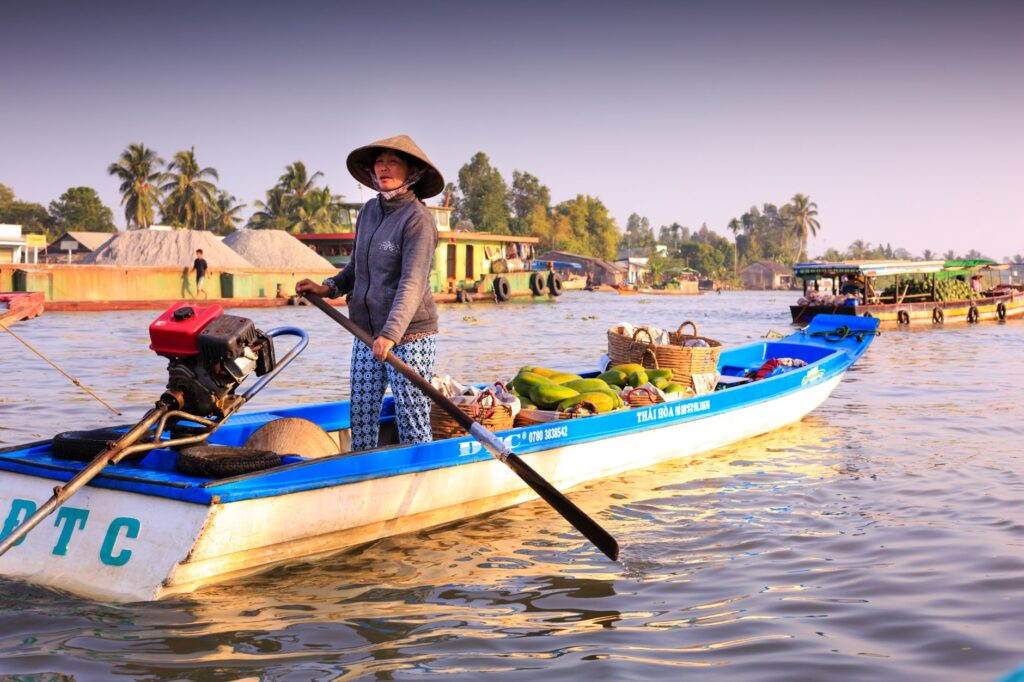
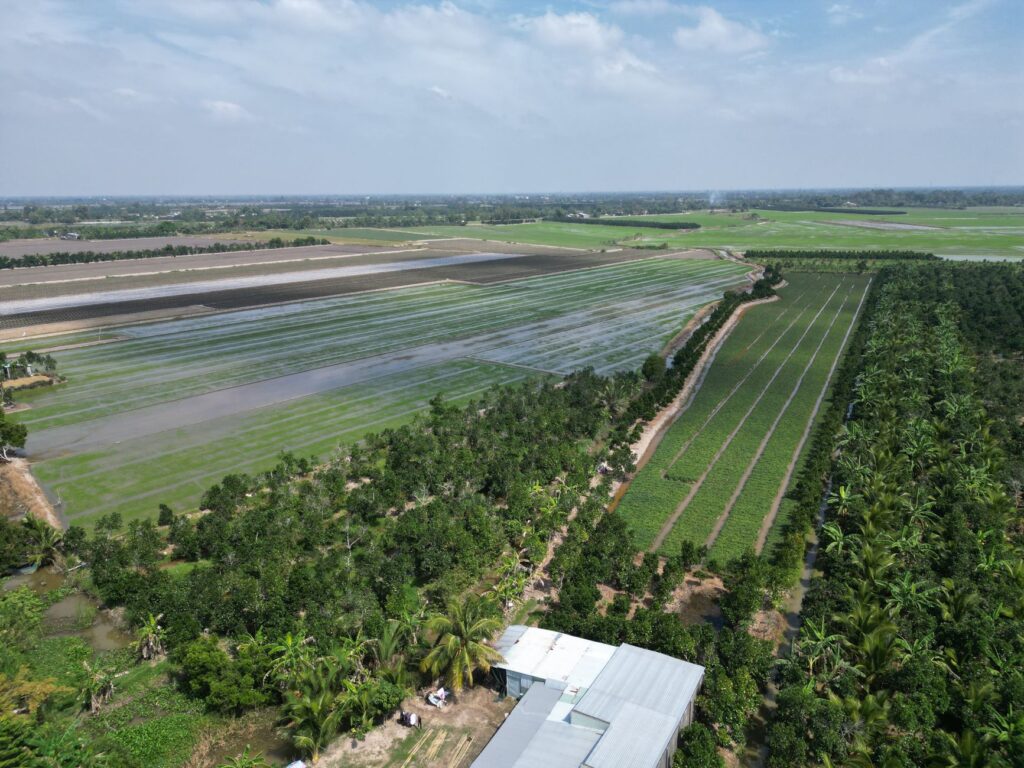
Understanding Cần Thơ requires delving into its liquid geography. Unlike the hyper-dense urban metropolises of northern or central Vietnam, space here is organized according to the tides and the currents of the Hậu River, the Mekong’s main branch. Mornings begin before dawn, when a dense mist still blankets the water’s surface and hundreds of vessels converge at the famous floating market of Cái Răng. This commercial gathering point, where vendors hang samples of their goods on long bamboo poles known as bẹo, constitutes one of the most singular ethnographic snapshots in Southeast Asia.
However, the city’s appeal extends far beyond picturesque imagery. For corporate travel and incentive planners arriving from Japan, local infrastructure has undergone a quiet yet profound modernization. International-standard hotels lining the riverbanks successfully combine global comfort standards with architectural designs that prioritize visual integration with the river landscape. Sustainability is no longer viewed as an added value, but rather as an essential requirement in the selection of tourism providers for foreign delegations aiming to minimize their carbon footprint.
The Human Factor: Hospitality as a Diplomatic Bridge
The success of any incentive tourism strategy rests fundamentally upon the human factor. The residents of Cần Thơ, known throughout Vietnam for their openness, generosity, and amiable disposition, play a crucial role in shaping the visitor’s experience. Unlike mass-market destinations where tourism is often perceived as a purely commercial transaction, in the Mekong Delta the traveler is welcomed with genuine curiosity and a warmth that effortlessly disarms any linguistic or cultural barrier.
The true wealth of the delta does not reside in its stone monuments, but in the fluidity with which its residents share their daily lives with the traveler.
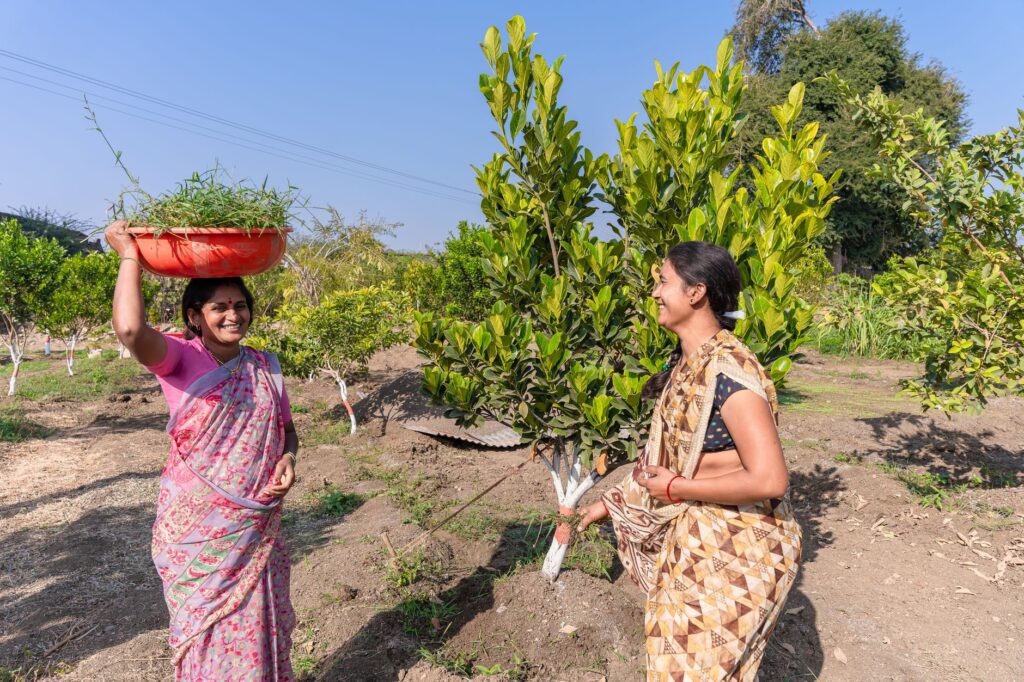
For Japanese executives and employees participating in corporate incentive trips, this type of human interaction acts as a welcome balm against the stress of hyper-connected mega-cities like Tokyo or Osaka. Tailor-made experiences include traditional cooking workshops in family orchards, bicycle tours along rural paths flanked by coconut palms, and meetings with local artisans preserving centuries-old weaving and pottery techniques. These moments of shared coexistence foster team cohesion and generate a sense of belonging that extends far beyond the professional sphere.
Colonial Architecture, Pagodas, and Historical Footprints
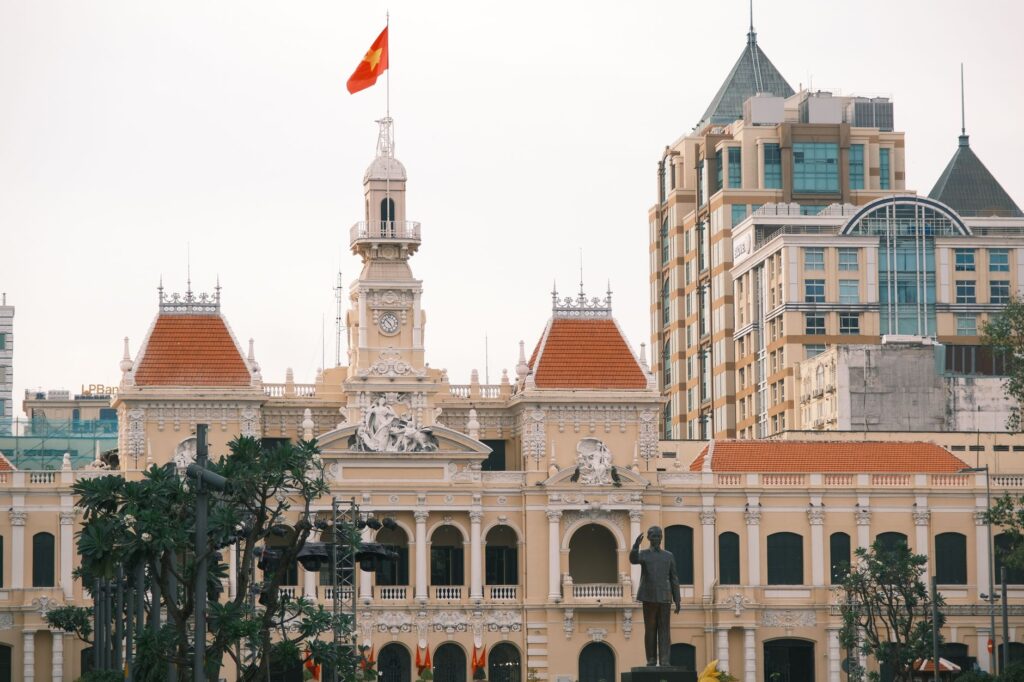
Cần Thơ’s urban landscape offers a fascinating testament to the historical layers that have shaped the region. Alongside modern pedestrian bridges and contemporary shopping centers, French colonial-era buildings survive, retaining their ochre facades and wooden shutters. A prominent example is the historic Binh Thuy ancient house, an architectural jewel combining Eastern and Western elements that has served as a backdrop for numerous international film productions.
Furthermore, the presence of Chinese and Khmer communities in the region is reflected in the richness of their places of worship. Buddhist pagodas and assembly halls remain open to visitors interested in Eastern philosophy and sacred art. For Japanese travelers, well-versed in Zen Buddhist traditions and a deep respect for sacred spaces, these sites offer an atmosphere of profound serenity conducive to reflection and mental rest during an incentive journey.
Delta Gastronomy: A Symphony of Land and River Flavors
Cần Thơ’s cuisine is the exact reflection of its natural environment: abundant, fresh, and deeply connected to the products of both land and water. Emblematic regional dishes, such as lẩu mắm (an aromatic fermented fish hotpot accompanied by a vast array of wild herbs and aquatic vegetables) or bánh còng savory pastries, offer a complex flavor profile that pleasantly surprises demanding international palates.
Local chefs have expertly adapted these ancestral recipes to fine-dining standards, incorporating them into gala dinners and corporate events designed specifically for incentive groups originating from Japan. The meticulous selection of organic ingredients, the artistic presentation of dishes, and the detailed explanation of each product’s origin by the chefs transform every meal into a comprehensive sensory and cultural experience.
Incentive Strategies: Connecting Two Complementary Worlds
At the core of the current tourism initiative lies the creation of personalized incentive packages tailored to the specific expectations of the Japanese market. Cần Thơ tourism authorities, in collaboration with international airlines and travel agencies, have designed financial and logistical support frameworks for operators organizing corporate group travel. These incentives include streamlined permit processing, preferential rates at certified accommodations, and exclusive access to protected cultural sites.
The objective is not to attract indiscriminate volume, but rather long-term quality and sustainability. Business exchange seminars recently held between Vietnamese and Japanese delegates have highlighted the strong complementarity of their respective tourism economies. While Japan contributes its expertise in quality management and technology applied to the service sector, Cần Thơ offers a pristine natural environment, exceptional public safety, and untapped growth potential that proves highly attractive to foreign investors.
Sustainable Practices and River Ecosystem Conservation
The development of incentive tourism in Cần Thơ cannot be understood in isolation from the urgent environmental challenges facing the Mekong Delta. Climate change, upstream dam construction, and riverbank erosion threaten the region’s ecological balance. Aware of this vulnerability, local tourism operators are implementing stringent sustainability protocols to limit the impact of large groups in sensitive areas.
Initiatives include utilizing electric or low-emission watercraft along canals, the complete elimination of single-use plastics in partner hotels, and direct financial support for mangrove reforestation projects. These measures not only protect the area’s natural heritage but also resonate deeply with the ethical values of Japanese visitors, whose commitment to environmental preservation serves as a foundational pillar of their travel culture.

Practical guide
- Getting There: Cần Thơ International Airport (VCA) connects with major Vietnamese urban centers such as Hanoi and Da Nang, in addition to receiving international charter flights and regional connections from Southeast Asian hubs.
- Best Time to Visit: The dry season, spanning from November to April, offers the most stable and pleasant weather conditions for river navigation and outdoor activities.
- Recommended Accommodation: High-end hotels situated along the Hậu River provide conference facilities, wellness spas, and management focused on international quality and sustainability standards.
- Entry Requirements: Verify current visa requirements for Japanese citizens and other nationalities on Vietnam’s official immigration portal prior to planning your corporate stay.
- Local Etiquette: Punctuality in corporate events, respect for corporate hierarchies, and modesty in interpersonal interactions are highly valued.
Final Reflections: The Lasting Echo of a Transformative Journey
Concluding an incentive trip in Cần Thơ leaves an imprint that extends far beyond mere business metrics. As the sun slowly sets over the waters of the Hậu River, painting the sky in tones of orange and violet, a sense of timelessness and distance overtakes the visitor. It is in this evening silence, interrupted only by the gentle splash of oars against the current, that one grasps the true value of this alliance between the Vietnamese delta and Japanese rigor.
A well-designed incentive journey does not merely reward past effort; it sows the inspiration necessary for tomorrow’s challenges.
The commitment to connecting markets through intelligent tourism incentives demonstrates that growth is possible without sacrificing identity. Cần Thơ does not strive to become a replica of other Southeast Asian destinations, but rather a deeper, more authentic, and sustainable version of itself. For the traveler arriving from East Asia in search of new perspectives, this corner of the Mekong offers something incalculable: the opportunity to reconnect with nature, culture, and the ultimate purpose of human endeavor.
Source in EN: Vietnam.vn (Opportunities to connect the Can Tho – Japan tourism market through incentives).