

In the intricate landscape of contemporary commercial aviation, Air Canada has charted a course that extends far beyond mere post-pandemic recovery. The airline has not only managed to restore its operational levels but has positioned itself as a benchmark of leadership in the North American market, leveraging Canada’s strategic geography to connect the continent with the rest of the world. This transformation is the result of a long-term vision combining investment in cutting-edge technology, an unprecedented transborder route network, and a renewed focus on the premium passenger experience.
The consolidation of its leadership is not an isolated event but a methodical response to the demands of an increasingly discerning global traveler. By strengthening its operational hubs in Toronto, Montreal, and Vancouver, Air Canada has created an ecosystem where operational efficiency meets Canadian hospitality. This report explores the pillars of this strategy, from fleet modernization to its commitment to sustainability—elements that are redefining what it means to be a flag carrier in the 21st century.
The Architecture of a Strategic Continental Network
The core of Air Canada’s recent success lies in its ability to dominate the transborder market between Canada and the United States. With over 100 destinations in U.S. territory, the airline has built a network that surpasses many of its direct competitors in reach. This connectivity doesn’t just benefit local travelers; it turns Canadian airports into preferred gateways for passengers traveling from Europe or Asia to secondary U.S. cities. The efficiency of customs and immigration processes at Canadian airports, which allow for U.S. pre-clearance before takeoff, is a competitive advantage the company has masterfully exploited.
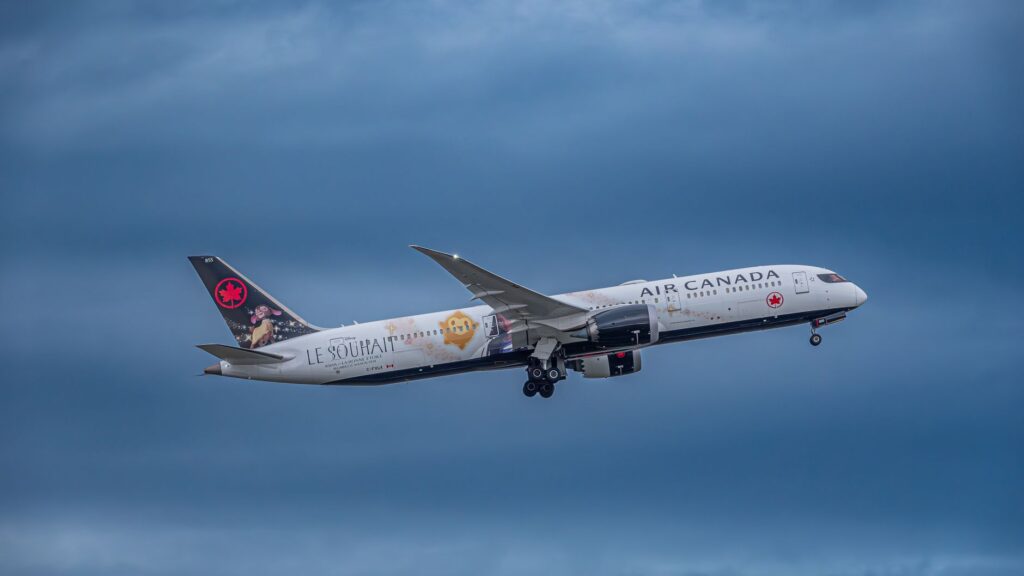
The hub-and-spoke strategy has been refined to maximize connections in minimal time. Toronto Pearson, the primary connection hub, now operates like a precision machine where international flights synchronize with a vast domestic and regional network. This structure allows a passenger from London to connect to Seattle or San Francisco with a fluidity that often surpasses the congested airports of the U.S. East Coast. The airline understands that time is its customers’ most valuable asset, and its flight scheduling reflects this priority.
Furthermore, expansion into emerging markets and the strengthening of traditional routes in Europe and the Pacific have diversified its revenue streams. This diversification is not only geographical but operational, integrating cargo and logistics services that have proven vital to the company’s financial resilience. Air Canada doesn’t just fly people; it transports the economy of a connected nation.
«Modern aviation is not just about moving aircraft from point A to point B, but about creating a network of possibilities that drives global cultural and economic exchange.»
Fleet Renewal: A Commitment to Efficiency and Comfort
A fundamental pillar of this leadership is aggressive fleet modernization. The addition of the Airbus A220, a plane originally designed in Canada, has revolutionized medium-haul routes. This model not only offers superior fuel efficiency, significantly reducing the carbon footprint per seat, but also redefines the cabin experience with larger windows, wider aisles, and a seating configuration that prioritizes personal space. For Air Canada, the A220 is the perfect tool to open new routes that were previously unprofitable with larger aircraft.
In the long-haul segment, the Boeing 787 Dreamliner remains the crown jewel. Its controlled pressurization and humidity technology reduce travel fatigue—a decisive factor for business and long-distance passengers. The airline has invested millions in interior upgrades, notably the Signature Class, which features lie-flat suites and a culinary service designed by renowned chefs. This attention to detail allows the company to compete head-to-head with the world’s finest airlines.
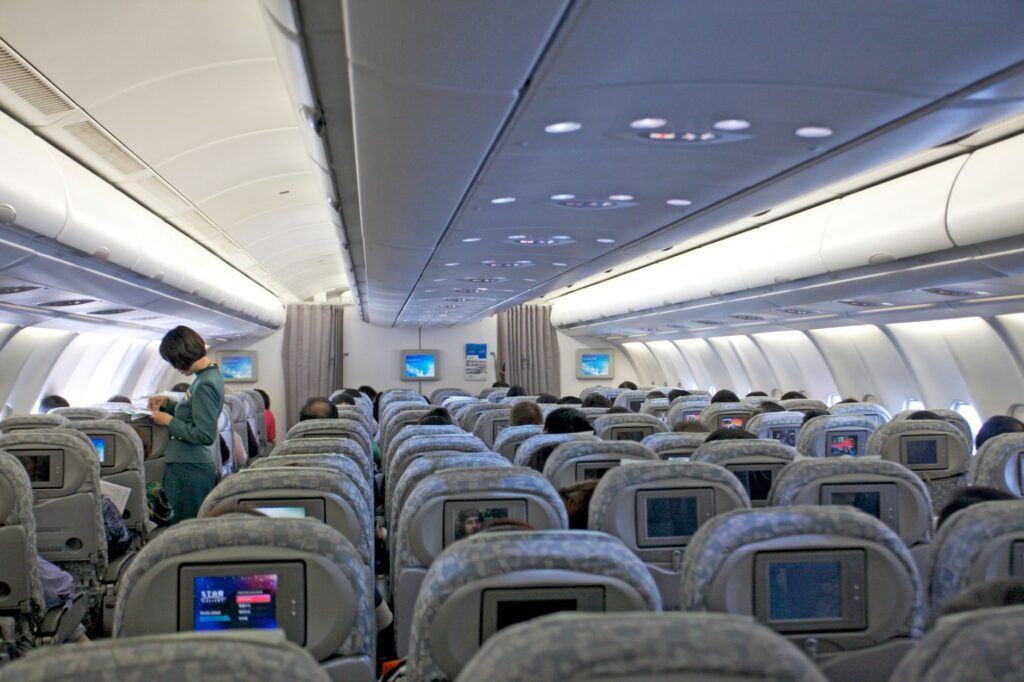
Modernization also includes the digitalization of the onboard experience. With state-of-the-art entertainment systems and high-speed Wi-Fi connectivity across virtually the entire fleet, aircraft have become extensions of the office or home. Air Canada understands that entertainment is not a luxury but a basic necessity on flights that can last over fifteen hours. The integration of streaming platforms and local Canadian content reinforces the brand’s identity on every screen.
Intermodality: Bridging Air and Rail
While the primary focus is aviation, Air Canada has taken significant steps toward intermodality, recognizing that a passenger’s journey begins long before they reach the airport. In cities like Toronto, integration with the UP Express allows for seamless transit from the financial district to the terminal in under 25 minutes. This integrated vision of transport is essential for reducing friction in international travel and improving urban sustainability.
Collaboration with European rail networks is also part of this strategy. Through codeshare agreements with high-speed rail operators, passengers can book a single ticket that includes their flight to Frankfurt or Paris and their subsequent train transfer to secondary cities. This model not only expands the airline’s reach without the need for new flights but also promotes a more conscious and efficient way of traveling, reducing the need for short-haul flights that can be replaced by rail.
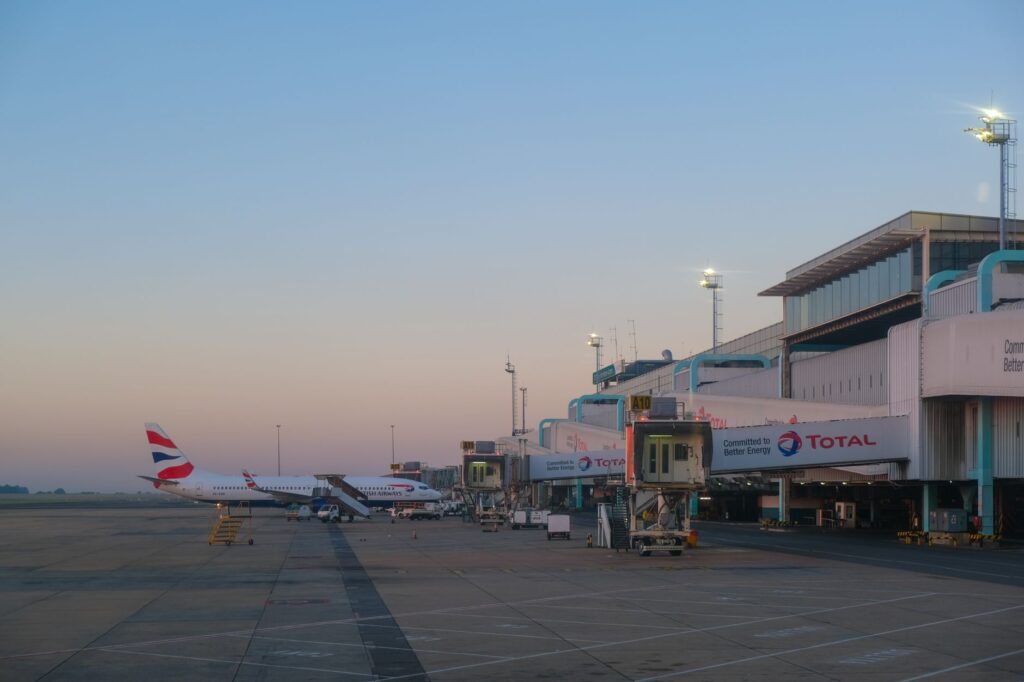
This total transport mindset positions Air Canada as an integrated mobility manager. The goal is for the traveler not to have to worry about the logistics of different segments of their journey. Simplifying the trip is, ultimately, the greatest luxury a transport company can offer in today’s hyper-connected world.
The Human Factor and Canadian Hospitality
Beyond engines and airframes, Air Canada’s leadership is sustained by its human capital. The airline has implemented intensive training programs to ensure that service reflects the values of diversity, inclusion, and kindness that characterize Canada. In a sector often criticized for depersonalization, the company seeks to humanize every interaction, from the check-in counter to disembarkation.
Air Canada’s Signature Service is the ultimate expression of this philosophy. Ground concierges handle every logistical detail for premium passengers, allowing them to move through airports with absolute ease. In the air, the cabin crew acts as ambassadors of Canadian culture, offering a selection of national wines and local products that celebrate the country’s richness. This approach not only builds customer loyalty but also crafts a brand with a soul.

The resilience of its staff during the challenges of recent years has been remarkable. The airline has invested in the well-being of its employees, understanding that a motivated and cared-for crew is the key to exceptional service. Operational safety remains the absolute priority, backed by a culture of continuous improvement and transparency that permeates all levels of the organization.
«True competitive advantage lies not in the technology we buy, but in the warmth of the service our teams provide every day around the world.»
Sustainability: Flying Toward a Net-Zero Future
Air Canada has set an ambitious goal to achieve net-zero greenhouse gas emissions throughout its global operations by 2050. This commitment is not just a statement of intent but a concrete action plan that includes investment in Sustainable Aviation Fuel (SAF) and the exploration of electric and hydrogen propulsion technologies. The airline is aware that the future of aviation depends on its ability to decarbonize.
Reducing single-use plastics on board and optimizing flight routes to minimize fuel consumption are immediate measures already underway. Additionally, the company actively participates in carbon offset projects that support reforestation and the protection of critical ecosystems in Canada and abroad. Sustainability has been integrated into the financial decision-making process, ensuring that network growth does not come at the expense of the planet.
Leadership also involves leading by example in the industry. Air Canada collaborates with manufacturers and research centers to accelerate the development of cleaner aircraft. The recent investment in regional electric planes for short routes is a testament to its willingness to pioneer new forms of aviation. For today’s conscious traveler, knowing that their airline is taking real steps to mitigate its environmental impact is a decisive factor in their purchase choice.

Practical guide
- Connection Management: If traveling to the U.S. via Canada, ensure you have enough time for U.S. pre-clearance at the Canadian departure airport. A minimum of 90 minutes is recommended.
- Aeroplan Program: One of the most versatile loyalty programs available. Points can be redeemed not only for flights but also for experiences, hotels, and products, with no expiration as long as the account remains active.
- Baggage and Check-in: Use the Air Canada mobile app to track your baggage in real-time and receive gate updates.
- Major Hubs: Toronto (YYZ) is ideal for global connections; Montreal (YUL) offers a unique cultural link to Europe; and Vancouver (YVR) is the primary gateway to Asia and the Pacific.
- Lounges: Maple Leaf Lounges provide a sanctuary of peace with local cuisine and well-equipped workspaces, available for business class passengers and high-status members.
- Entry Requirements: Remember that to transit through Canada, most international travelers need an eTA (Electronic Travel Authorization), even if they do not leave the airport.
The Shared Horizon: A Visual and Emotional Closing
At the end of the day, aviation is about the moments that happen when the doors open and hugs meet in the arrivals terminal. Air Canada has understood that its role is not just to be a carrier, but a facilitator of human stories. In a world that sometimes feels fragmented, flight remains one of the few bridges capable of joining geographical and emotional distances almost instantaneously.
Looking out the window of a Dreamliner as the sun sets over the Rockies is to remember why we fly. There is an intrinsic beauty in travel—a blend of technological wonder and human curiosity. Air Canada, by strengthening its presence in North America, is not just building a stronger company; it is ensuring that the sky remains a space for meeting, discovery, and returning home. The future of Canadian aviation is, in essence, a commitment to the freedom to explore our vast and shared horizon.
Source: Nomad Lawyer via Google News