
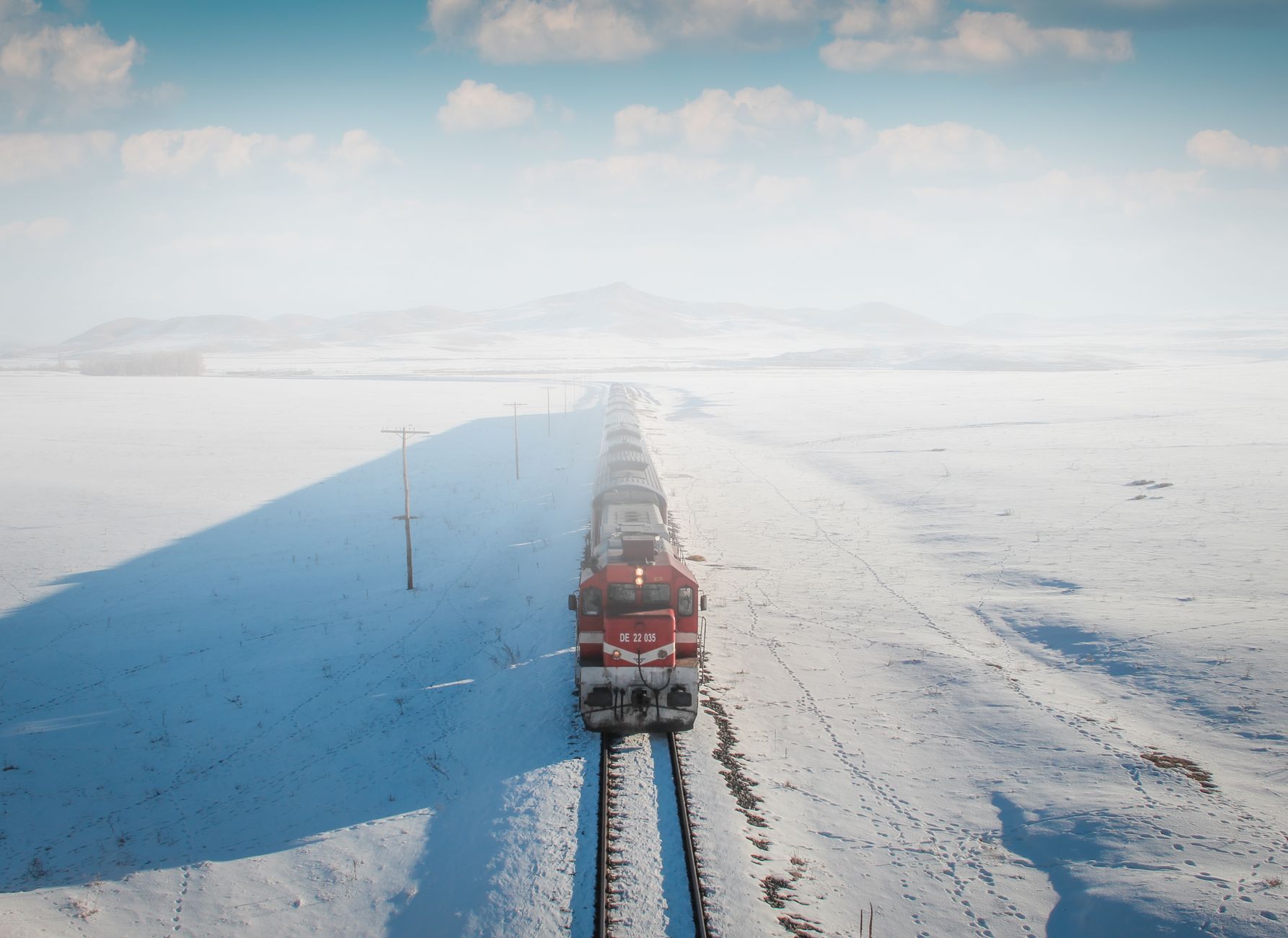

The Trans-Mongolian is not merely a means of transport, but a steel thread stretching over seven thousand kilometers that stitches together radically contrasting geographical, climatic, and cultural realities. Conceived as an extension of the Trans-Siberian that diverges toward Ulaanbaatar before descending into northern China, this railway corridor traverses some of the most inhospitable and mesmerizing expanses on the planet. Planning a journey of this magnitude requires a thorough understanding of the operational logistics governing the national railways of Russia, Mongolia, and China, as well as mastery of border protocols where track gauges shift and railcars undergo complex mechanical lifting procedures.
Throughout this journey, the traveler confronts a formidable challenge of autonomy and adaptation. The endless steppes of Buryatia gradually yield to the mineral horizons of the Gobi, demanding careful coordination of supplies, multiple-entry visas, and a profound respect for the rhythms of the rails. This technical report breaks down the operational, mechanical, and geographical factors essential for transforming a legendary rail journey into a secure, culturally rich, and meticulously orchestrated expedition.
The Historic Route and Its Geopolitical Significance
The genesis of the Trans-Mongolian branch responds to both 20th-century strategic necessities and the desire to link Moscow and Beijing directly via a shortcut that bypasses the eastern loops of the original Trans-Siberian route through Vladivostok. Formally inaugurated in the 1950s, the route departs from Yaroslavsky Station in Moscow and runs along the main Trans-Siberian line to the Siberian city of Ulan-Ude, turning south to skirt the eastern shore of Lake Baikal.
Understanding the scale of this infrastructure involves analyzing its impact on local communities. The tracks serve as virtually the sole reliable umbilical cord during the severe Siberian winter months, when secondary roads vanish beneath impenetrable layers of ice. The railway sustains the economic life of dozens of isolated settlements, transporting everything from fuel to fresh produce in refrigerated railcars engineered to withstand temperatures plunging forty degrees below zero.
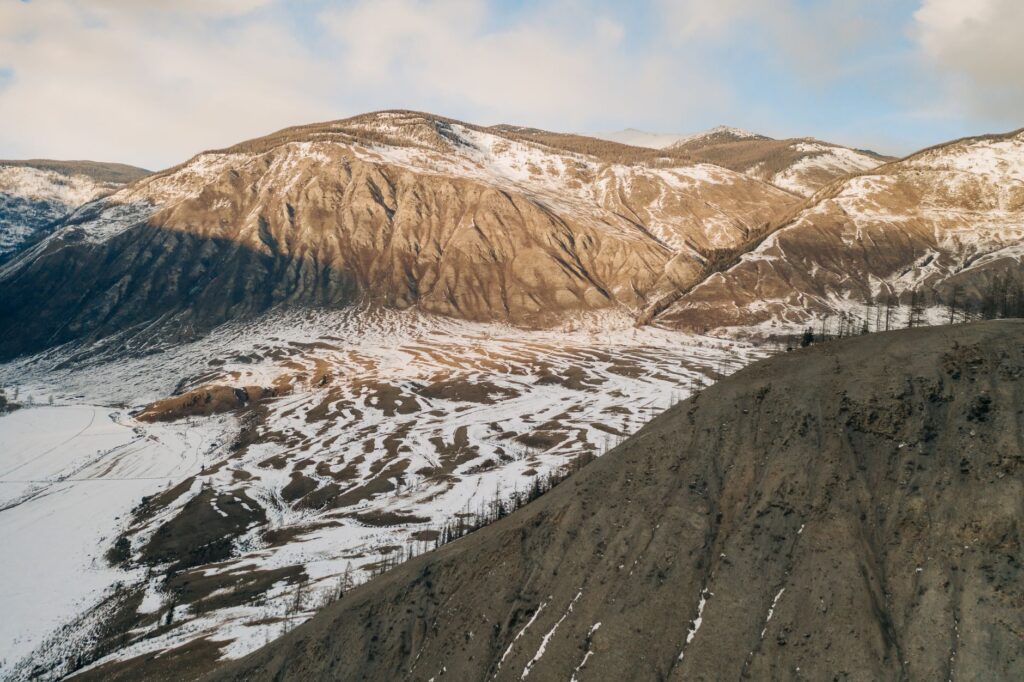
The train in Siberia is not a tourist luxury, but a living organism beating to the rhythm of steam and diesel, connecting economies isolated by thousands of kilometers of permafrost.
Crossing the border between Russia and Mongolia at Naushki and Sukhbaatar marks an abrupt visual and cultural transition. The dense coniferous forests of the Siberian taiga gradually dissolve, giving way to the sprawling expanse of the Mongolian steppe, a landscape dominated by golden grasslands and vaulted skies where human presence shrinks to scattered nomadic encampments of gers.
Railway Infrastructure and Rolling Stock Categories
The backbone of the Trans-Mongolian operates through a combination of trains managed by the state railway companies of Russia (RZD), Mongolia (MTZ), and China (CR). Standard rolling stock is historically divided into three compartment categories: Spalny Vagon (first class or SV, featuring two berths per compartment), Kupe (second class, featuring four berths), and Platskart (third class, an open car with multiple bunks fostering intense social interaction).
For long-distance expeditions, the choice of cabin tier determines the level of comfort and security for storing gear and provisions. Modern high-end trains incorporate alternating current power outlets, centralized climate control systems, and shared restrooms at the car ends, though on secondary routes personal self-sufficiency remains an inescapable prerequisite.
A critical technical consideration is gauge management. While Russia and Mongolia employ the broad Russian gauge (1,520 millimeters), China utilizes standard international gauge (1,435 millimeters). This technological discrepancy requires trains at the Erenhot border to pass through a transfer facility where each carriage is elevated using massive hydraulic jacks to exchange its bogies (wheel assemblies), a procedure that can take several hours.
Border Management, Visas, and Documentation
The Trans-Mongolian traverse crosses three distinct sovereign jurisdictions, imposing a complex bureaucratic architecture. Travelers must secure visas for the Russian Federation, Mongolia, and the People’s Republic China well in advance. It is vital to verify whether Russian visas require multiple entries if making intermediate stops in Siberia before resuming the journey toward Ulaanbaatar.
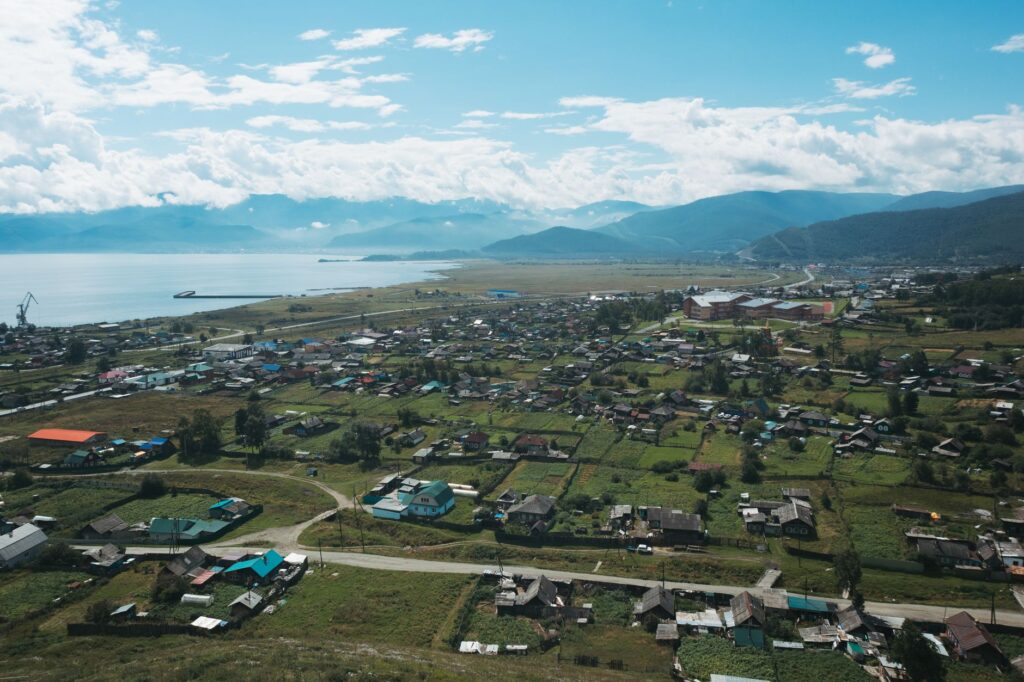
Border controls are conducted directly on board the train during its stop at the Naushki/Sukhbaatar and Zamiin-Üüd/Erenhot customs posts. Customs officers and border guards board the convoy in the early morning hours to inspect passports, examine luggage, and verify currency declarations. Documentary discipline is absolute: any discrepancy in immigration form dates can result in passengers being detained at remote stations.
Beyond visas, health and transport authorities require international travel insurance policies with specific coverage for repatriation and medical assistance in remote areas, a mandatory prerequisite for issuing certain transit permits in autonomous regions.
Seasonal Planning and Extreme Climatology
The climate along the Trans-Mongolian corridor is continental and extreme, characterized by brief yet warm summers and prolonged winters of polar cold. Choosing the appropriate temporal window defines the expedition’s success. The months from June to August offer pleasant daytime temperatures and extended daylight, facilitating excursions across the steppe and hiking around Lake Baikal.
Conversely, traveling between November and March exposes the expedition to temperatures regularly dropping below minus thirty degrees Celsius. Although trains feature impeccable coal- or electric-heating systems, station stops and outdoor mobility demand high-mountain technical apparel, advanced thermal footwear, and strict anti-frostbite protocols.

Spring (April to May): Thawing in Siberia, rural dirt roads impassable but river landscapes offering high visual value.
Summer (June to August): Optimal climate for secondary ground connections and traditional Mongolian festivals such as Naadam.
Autumn (September to October): Golden foliage across the Siberian taiga and a notable decline in international traveler volume.
Winter (November to March): Absolute isolation, continuous white landscapes, and peak logistical demands for electronic gear.
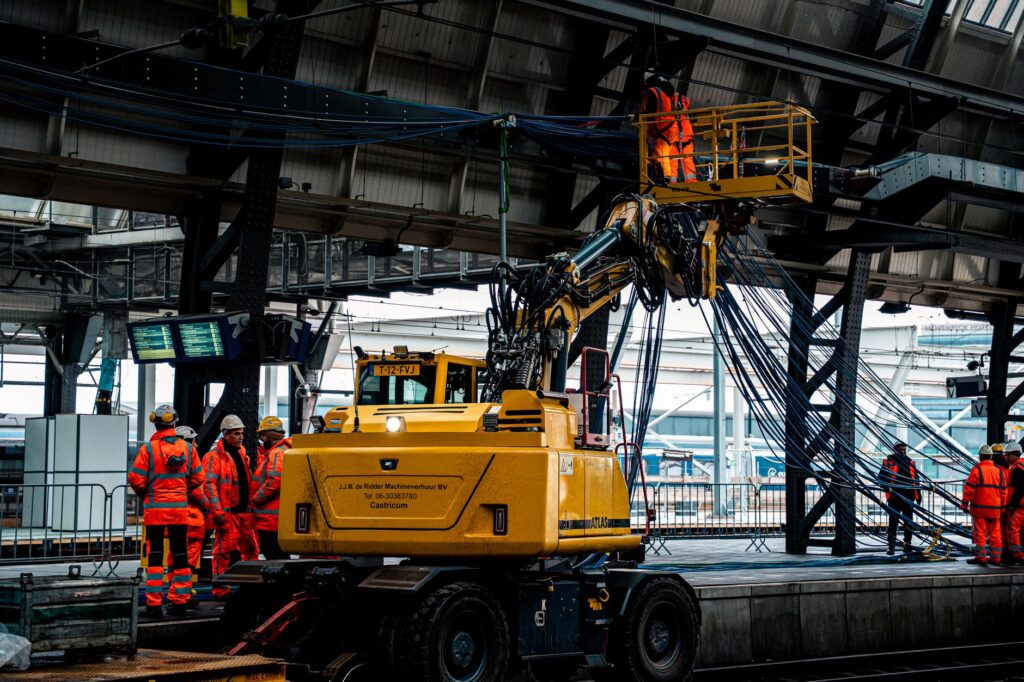
Strategic Stops and Field Logistics
A rigorous rail expedition is typically structured around strategic stops that break the monotony of the journey and allow for cultural acclimatization. Classic stops include Irkutsk and Olkhon Island on Lake Baikal, Ulaanbaatar and Terelj National Park in Mongolia, and Datong or Beijing on the final Chinese leg.
At each of these stops, local accommodation and ground transport bookings must be coordinated months in advance, especially during the peak summer season. In Mongolia, the paved road network is limited, meaning transfers from stations to nomadic camps invariably rely on rugged Russian UAZ all-terrain vehicles, renowned for their mechanical durability over unpaved terrain.
The true essence of the route reveals itself during intermediate stops, where the traveler steps out of the metal bubble of the train to immerse in the vast solitude of the Mongolian steppe.
Managing onboard provisions requires foresight. Although dining cars offer freshly prepared hot meals, variety diminishes as the train penetrates deeper into the interior of Asia. Carrying non-perishable foods, nuts, tea, and a portable water filtration system guarantees nutritional autonomy during long stretches of steppe isolation.
Practical guide
Ticket Planning: International tickets for the Trans-Mongolian must be secured up to ninety days in advance through specialized agencies or official national railway platforms to guarantee optimal berths in Kupe compartments.
Currency and Payments: The Russian ruble, Mongolian tugrik, and Chinese yuan operate within their respective borders. Carrying cash in pristine US dollars or euros for exchange at official banks is strongly advised, as ATMs are scarce outside major cities.
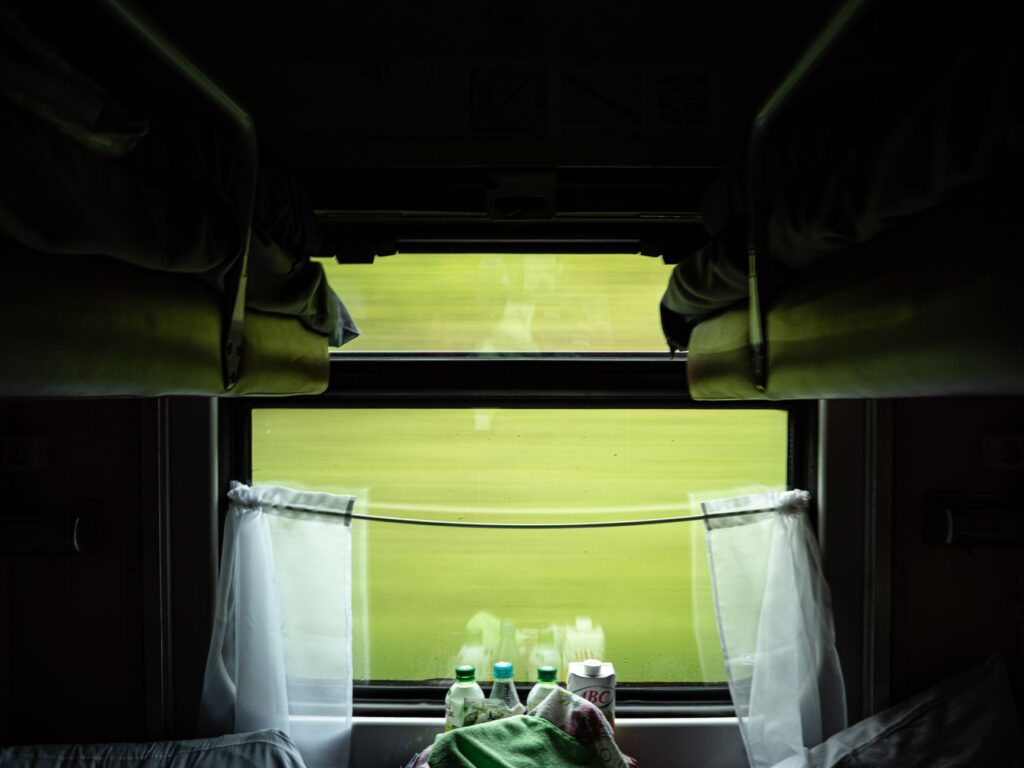
Luggage and Weight: Space inside compartments is strictly limited. Travelers are advised to use a medium-capacity technical backpack or flexible duffel bag capable of sliding easily beneath the lower berth or into the upper storage rack.
Connectivity: Local SIM cards from Russian, Mongolian, and Chinese operators lose signal across vast expanses of the steppe. Satellite communication devices are recommended for emergencies in remote zones.
Health and Medical Kit: Include medications for gastrointestinal disorders, analgesics, elastic bandages, and a personal supply of broad-spectrum antibiotics prescribed by a travel medicine specialist.
The Return to the Silence of the Steppe
When the rhythmic clatter of wheels over Siberian rails settles into a steady murmur, the traveler’s mind synchronizes with the continental compass of Asia. The Trans-Mongolian ceases to be merely a line drawn across geopolitical maps and transforms into a school of patience and contemplation. Gazing out the frosted window of a moving carriage across the boundless steppe, one realizes that the true value of the expedition lies not in reaching the final destination, but in the capacity to inhabit the vast and silent middle ground with serenity.


