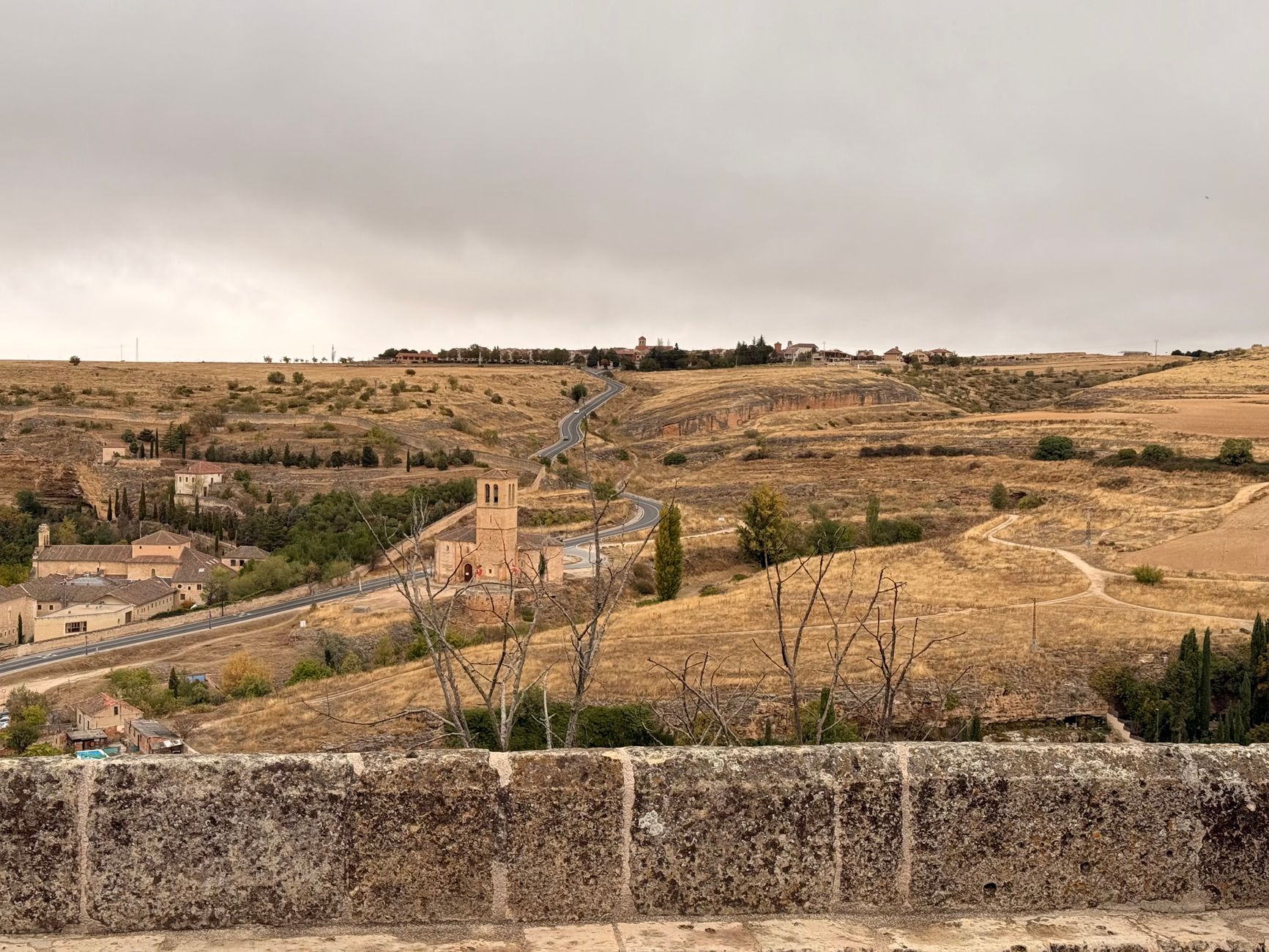

Dawn in Zaragoza is not measured by the light striking the Mudéjar towers of the Cathedral of La Seo, but by the dull, rhythmic thud of delivery vans unloading crates of borage and cardoon around the central market. Amidst the wrought-iron arches and exposed brick designed by architect Félix Navarro Pérez in the late 19th century, an ecosystem beats to a different rhythm. It is a pace governed not by the accelerated consumption of modern supermarkets, but by damp earth, the waters of the Ebro River, and the enduring patience of farmers who have spent generations rising before dawn to harvest their valley’s finest offerings.
This report does not seek to survey a mere marketplace; rather, it delves into the backstage of a culinary culture forged between the climatic extremes of the Ebro basin and the rugged, surrounding Iberian mountain system. Here, every stall serves as a living archive of botanical and livestock memory. To analyze this territory is to understand that haute cuisine is born not in laboratory workshops, but in a community’s capacity to extract culinary poetry from land that is both harsh and generous in equal measure.
The Architecture of Iron and Cold: The Foundations of a Centennial Market
Inaugurated in 1903 to organize the chaotic street trading that once congested Zaragoza’s historic squares, the Central Market—popularly known as the Lanuza Market—marked an urban and hygienic revolution. Its exposed metal structure, inspired by major railway stations and the Parisian markets of the era, created an airy, light-filled space where natural overhead illumination still highlights the vibrant colors of the produce. Walking its aisles is akin to navigating a secular cathedral dedicated to fresh goods, where industrial aesthetics harmonize with the warmth of human commerce.
Family-run stalls, many operated by the great-grandchildren of those original vendors, preserve trade secrets absent from any hospitality manual. The precise butchering of Aragonese milk-fed lamb, the meticulous selection of stone fruits from the Bajo Cinca region, or the classification of goat cheeses from the pre-Pyrenees all stem from accumulated wisdom. In these aisles, shoppers do not make anonymous transactions; they converse, inquire about origins, and receive culinary advice that is, at its core, a form of oral tradition.

From Muddy Furrows to the Plate: The Silent Aristocracy of Zaragoza’s Gardens
If there is an undisputed emblem defining Zaragoza’s vegetable larder, it is the borage. Often misunderstood outside of Aragon due to its prickly, hairy appearance, this vegetable with fleshy stalks and spiny leaves is treated here with the reverence that others reserve for truffles or fine shellfish. Cultivating it along the Ebro riverbanks demands manual dexterity that is nearly extinct: cleaning the fuzzy ribs without damaging them, peeling them with mastery, and cooking them to the exact moment where they retain their characteristic iodine-rich and chlorophyll flavor—subtle and surprisingly marine despite growing inland.
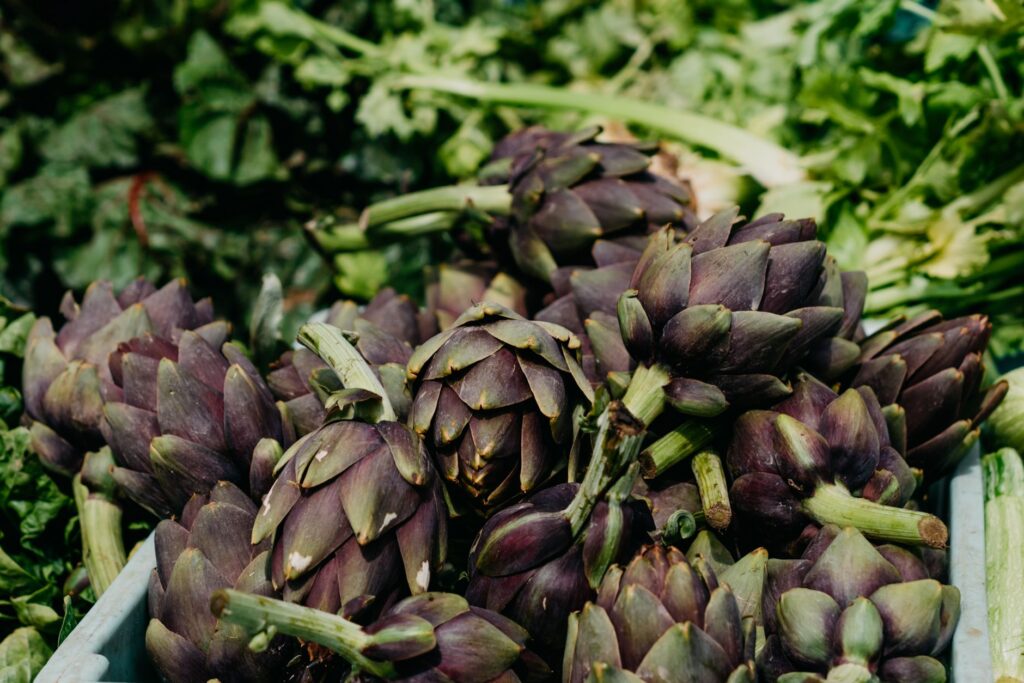
Alongside borage, the red cardoon from Aguarón and the artichokes from the neighboring Ribera Alta region form a vegetable triad that has shaped winter and spring cuisine in the region. Market vendors proudly explain how dropping temperatures intensify the natural sugars in these varieties, transforming humble produce into an exceptional culinary bite. Popular wisdom dictates that these vegetables require no artifice; barely a drizzle of extra virgin olive oil from the Bajo Aragón region and a squeeze of fresh lemon.
The market is not a showcase for wandering tourists, but the daily heartbeat of a city that feeds upon its own history.
The relationship between the farmer and the stallholder rests on unwavering trust that has withstood the pressures of globalized distribution. Every dawn, small trucks pull into underground loading docks to unload produce harvested mere hours earlier in the gardens of La Almozara or La Puebla de Alfindén. This extreme freshness ensures that seasonal tomatoes taste genuinely of tomato and that green beans retain their characteristic crisp snap after a brief blanching.
Lamb and Drylands: The Robust Flavors of the Terrain
Stepping away temporarily from the bustle of the vegetable stalls, the market’s butcher shops reveal the other great pillar of local gastronomic identity: the *ternasco de Aragón*. This milk-fed lamb, protected by a strict Protected Geographical Indication, features young animals raised exclusively on mother’s milk and selected grains. The meat, pale pink and remarkably fine on the palate, stands apart from the excessively strong flavors of older sheep, offering a versatility ranging from traditional wood-oven roasting to modern cuts like grilled chops or medallions.
Neighboring counters display Pyrenean-tradition cured meats, such as *chireta*—an ancestral preparation of lamb casings stuffed with rice, minced meat, bacon, and spices—alongside Teruel hams boasting protected origin status. These items reflect the secular adaptation of humanity to an environment where meat preservation was a vital necessity. Long curing processes in natural drying sheds, where the cold, dry *cierzo* wind acts as an invisible tuner, imbue these products with a saline and aromatic complexity impossible to replicate in humid climates.
Ancient Breads and the Culture of Traditional Ovens
No journey through Zaragoza’s central market would be complete without pausing at the bakery stalls, where rye and hard wheats reclaim ground lost to industrial pastries. Artisanal bakers throughout the province continue crafting loaves with thick crusts and dense crumbs, designed to stay fresh for days and to absorb the rich juices of hearty stews. Foot-shaped bread, pumpkin-filled pastry known as *torta de alma*, and the sweet aniseed-flavored *adoquines* of the Pilar festivities complete a baking and confectionery map balancing Castilian sobriety with echoes of convent baking.
Preserving slow-fermentation sourdough cultures is the closely guarded secret of traditional bakeries supplying the historic center’s stalls on a daily basis. This meticulous attention to fermentation detail not only guarantees optimal digestibility but connects directly with the flavors consumed by Aragonese ancestors over a century ago.
The River as Backbone: Inland Fishing
Although Aragon lacks an extensive coastline, the Ebro basin maintains a deeply rooted historical relationship with river fishing. In the fishmongers’ stalls of the Zaragoza market, alongside fresh catches delivered daily by road from Cantabrian and Mediterranean ports, references to river treasures still surface. Trout from Pyrenean streams, featuring firm and clean flesh thanks to cold, highly oxygenated high-mountain waters, occupy a prominent place on crushed ice trays.

In past eras, eels and barbels formed part of the daily diet of working-class river communities, cooked in spicy stews with choricero peppers and garlic. Today, while river consumption has retreated to a nostalgic minority and high-end product-driven kitchens, veteran vendors still recall traditional fishing arts and the vital role the river current played in sustaining working-class neighborhoods during the food shortages of the past century.
The Brotherhood of the Fork: Taverns and Liquid Memory
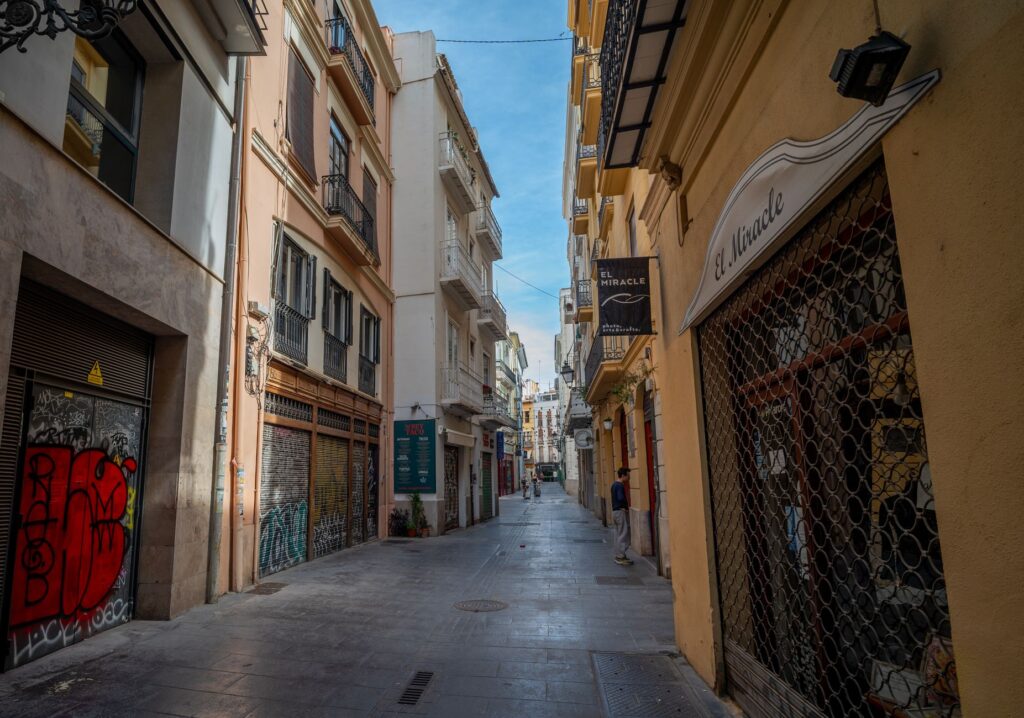
Crossing the market’s threshold into the maze of narrow streets in El Tubo and La Magdalena, the gastronomic experience shifts to the social sphere. Zaragoza’s tavern bars have little patience for excessive formalities; they are standing, noisy, and dynamic spaces serving unique specialties such as broken eggs with truffles, shepherd-style breadcrumbs with grapes, and traditional marinated dogfish or pork loin. The ritual of tap vermouth, served alongside a classic *gilda* olive skewer or a homemade croquette, remains an unnegotiable prelude to the main meal.
On the wine front, Aragonese denominations of origin—Somontano, Cariñena, Campo de Borja, and Calatayud—are experiencing a golden age driven by the rescue of native varieties like old-vine Grenache. Marked by generous sunshine and thermal amplitude, these wines offer balanced tannic structure and ripe fruit profiles that pair perfectly with the hearty nature of local dishes.
Understanding Aragonese cuisine requires accepting that rigor in sourcing outweighs any superfluous sophistication.
Practical guide
How to get there: Zaragoza’s Central Market is located in the historic center on Avenida de César Augusto. It is easily accessible on foot from any central location or via the urban tram network (Plaza de España or Mercado Central stops).
Visiting hours: The market operates from Monday to Saturday during morning hours, typically from 8:00 AM to 2:30 PM. Fridays and eves of public holidays see extended commercial activity and a particularly dynamic atmosphere.
Best time to visit: Autumn and winter months are ideal for experiencing riverside vegetables (borage, cardoons) and Teruel black truffles at their absolute peak.
Recommended accommodation: The El Tubo neighborhood and the La Seo zone house boutique hotels and tourist apartments located within meticulously restored 19th- and 20th-century buildings.

What to buy: Extra virgin olive oil from Bajo Aragón, traditional cured meats from Huesca and Teruel, artisanal pastry from the Pilar festivities, and preserved vegetables from the Ebro river basin.
Market etiquette: Visitors should respect vendor waiting lines, refrain from directly handling fresh produce without gloves, and always ask permission before photographing market stalls.
Financial overview: Entry to the facility is free and open to the public. Shopping costs vary depending on selected goods, remaining highly competitive compared to mass retail channels.
The Echo of Stone and Flavor
As afternoon descends over the Ebro and the market’s iron doors close until the following day, a quiet certainty lingers in the air: certain realities withstand the passage of time thanks to the silent dedication of those who guard them. Zaragoza does not boast of its gastronomy with the stridency of other latitudes; it practices it with the natural grace of a people who know true substance requires no theoretical alibis. Wandering among its stalls and sharing a crust of rye bread with a slice of roast lamb connects one to a way of living where food remains a sacred act of communion with the landscape.