
Conquering the Southern Summits
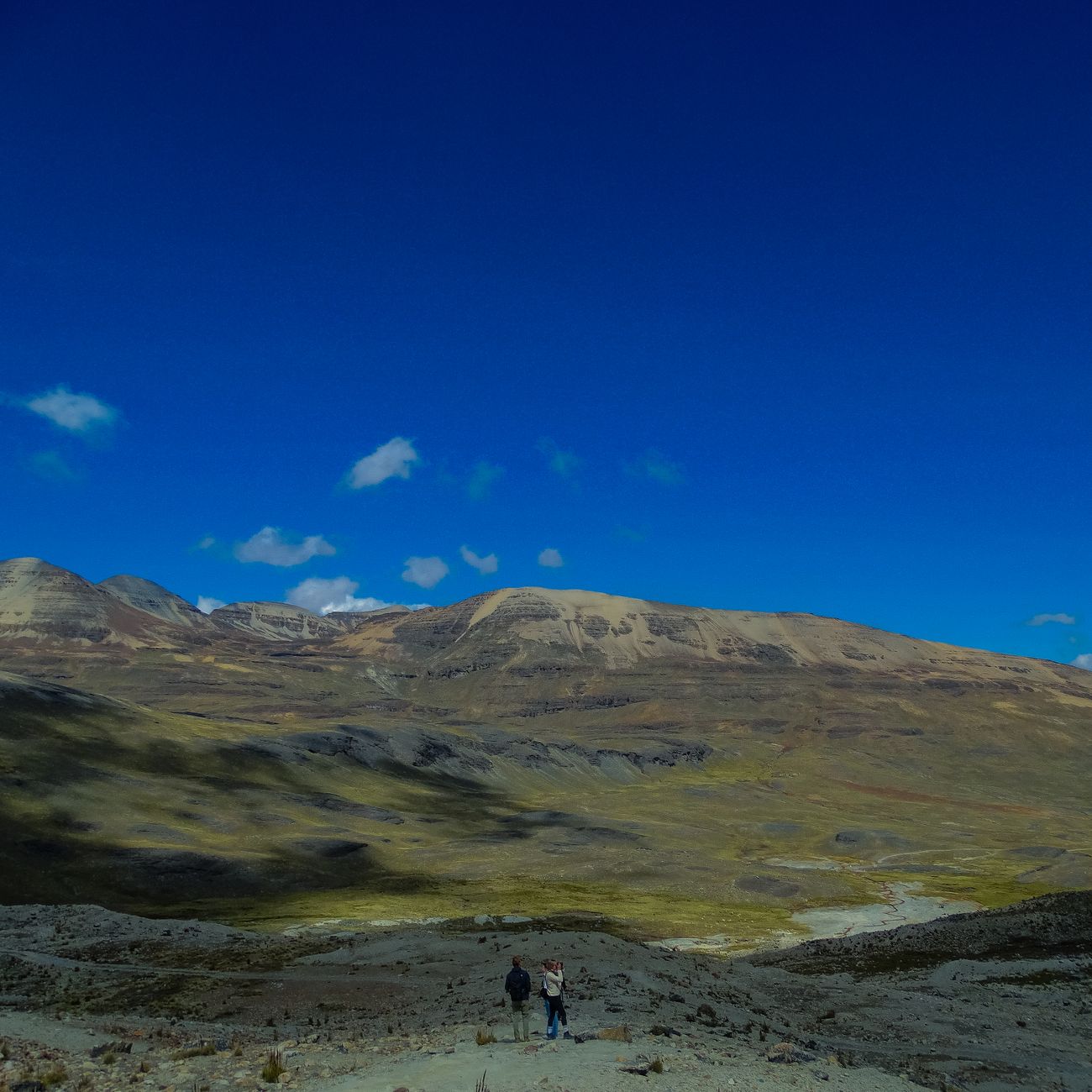
The territory of the Argentine Puna represents one of the most severe and fascinating geographical settings on the planet. At over three thousand meters above sea level, the immensity of the high plateau consistently challenges human capacity to structure the territory. In this context of arid valleys, infinite salt flats, and freezing winds, transport infrastructure is not merely a resource for displacement, but the true guiding thread of the region’s economic and social history. The railway line popularly known as the Train to the Clouds —and its historical freight and passenger trunk connecting Salta with Socompa— embodies one of the most daring engineering feats on the American continent.
From the perspective of industrial history, the conception of this route responded to an inescapable geopolitical necessity: linking the mining production centers of northwestern Argentina with the ports of the Pacific Ocean across the Andean mountain range. The journey demands absolute mastery of gradients and a meticulous understanding of high-altitude meteorology. Every kilometer of track laid over living rock or suspended above abysses via metal viaducts bears witness to the titanic effort of engineers, surveyors, and workers who, in the early 20th century, transformed South America’s physical map by defying the limits of physics and human physiology.

Extreme Topography and Railway Design
The original layout did not resort to the rack-and-pinion system, common in Swiss mountain railways of similar vocation, but instead opted for a pure adhesion design through an ingenious system of switchbacks and loops that allowed gradual height gain on slopes of impossible steepness. This technical deployment required structural calculations of absolute precision. The iron bridges, prefabricated in European workshops and transported on muleback or in rudimentary carts to the heart of the cordillera, were assembled without margin of error over gorges where lateral wind tests any static structure.
As the track leaves the temperate Lerma valleys and begins its unstoppable ascent toward the Salta puna, the landscape transforms drastically. Plant formations disappear, replaced by mineral textures in ochre, purple, and reddish hues. In this section, railway engineering had to solve a major logistical problem: supplying water and fuel for steam locomotives in areas where water resources are practically non-existent. Storage tanks and intermediate stations became milestones of survival and indispensable operational hubs to keep the route open during harsh Andean winters.

Architecture of High-Altitude Stations
The stations located in the highest sections of the line are not merely functional stops, but true monuments to early 20th-century institutional architecture. Built with local stone, pitched roofs prepared to withstand snow loads, and thick masonry walls designed to isolate extreme cold, these buildings reflect the imprint of a state determined to assert its sovereignty in the most remote frontiers. Spaces like San Antonio de los Cobres or minor stations lost in the immensity of the salt flat operated as nerve centers where drovers, miners, and officials converged.
The maintenance of these infrastructures historically represented a logistical challenge of monumental proportions. Extreme thermal variations, which can exceed thirty degrees of difference between day and night, cause constant expansion and contraction of rails and steel bridges. The preservation of the railway track in the Puna requires permanent brigades of workers specialized in replacing quebracho wooden ties and consolidating unstable slopes prone to rockfalls caused by freeze-thaw cycles in the summits.
The railway track in the Puna is not merely a monument to steel and mathematical calculation; it is tangible proof that human will can carve paths where nature imposed emptiness and the perpetual silence of the heights.
Supply Logistics and Regional Connectivity
Beyond its contemporary tourism dimension, the Puna railway network played a crucial role in the economic integration of northern Argentina with the neighboring republic of Chile. The transport of borate, copper, and other minerals extracted from high-Andean deposits depended entirely on the hauling capacity of the convoys. The logistics of this line forced the development of specific operating protocols, including the use of supplemental oxygen for crews and exhaustive mechanical revisions in the central workshops of Salta before each foray into the low atmospheric pressure zone.
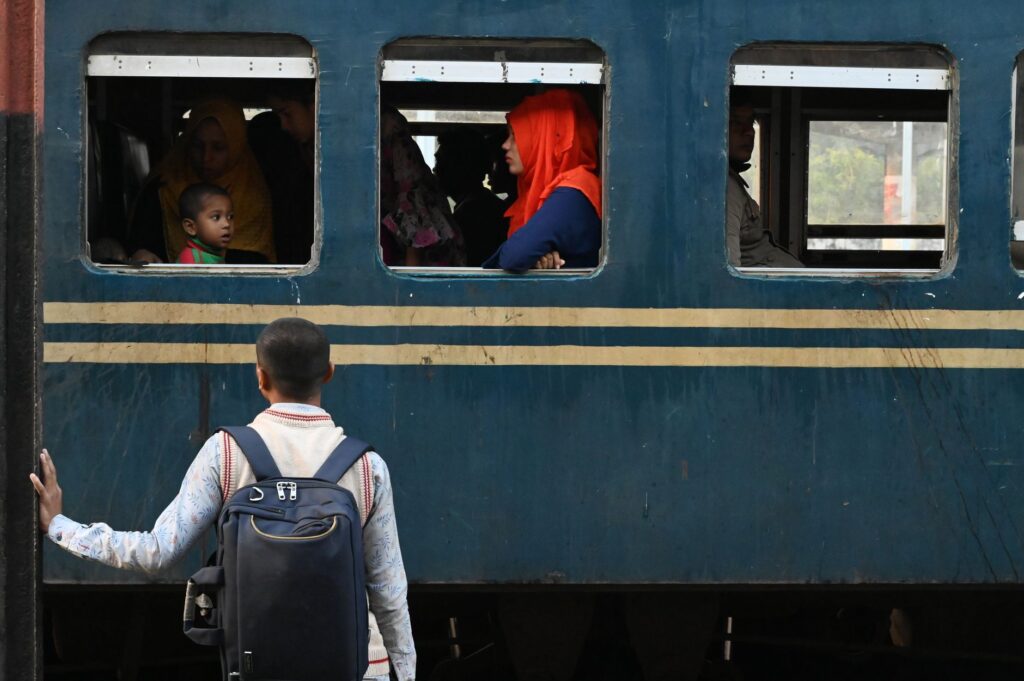
Interruptions in the track, caused by summer mudslides or recurring earthquakes, demonstrated the vulnerability of this vital artery. Every break in rail service isolated entire communities that depended on the train not only for heavy freight transport, but for the supply of food, fuel, and medical evacuation. This reality drove the creation of a highly decentralized preventive maintenance system, equipped with railway relief teams capable of operating under conditions of absolute isolation and hostile topography.
Socioeconomic Impact on Andean Communities
The presence of the railway irreversibly reshaped the social fabric of the Puna. Pastoral communities living in commercial self-sufficiency began interacting with urban markets thanks to the regular stopping of trains. Stations transformed into economic exchange hubs where local inhabitants traded textile handicrafts made from llama and vicuña wool, as well as agricultural products adapted to extreme cold, such as highland potatoes and purple corn.

However, the subsequent restructuring of freight transport and the partial closure of secondary branches during the final decades of the 20th century generated deep demographic crises in towns along the route. The reconversion of the corridor toward an exclusively tourism-oriented offering rescued much of the infrastructure from oblivion, though it also implied a radical shift in the functional vocation of the system, forcing local communities to rethink their subsistence strategies around the service economy and hospitality.
Technological Innovations and Sustainability in High Mountains
In the current scenario, operating railway services in such fragile ecological environments requires the adoption of strict environmental sustainability protocols. Waste management, emission control in high-power diesel engines, and the protection of native fauna—such as vicuñas, suris, and guanacos crossing the tracks—form part of the daily operational agenda of railway operators. The introduction of satellite monitoring technology allows real-time supervision of the stability of critical slopes and bridges, significantly reducing risks associated with extreme weather events.

Likewise, modern engineers constantly evaluate the feasibility of incorporating alternative fuels and hybrid traction systems adapted to performance in atmospheres with low oxygen concentration. These innovations aim to preserve one of the world’s masterworks of engineering, ensuring its technical and commercial viability against the demands of a global market that demands authentic travel experiences, respectful of historical heritage, and rigorously safe.
Practical guide
- How to get there: The city of Salta operates as the nerve center and starting point for accessing the Puna railway network, with regular air connections from Buenos Aires and paved national highways.
- Trip planning: Railway departures toward the high-altitude sections are subject to strict weather windows and acclimatization protocols; booking several months in advance is essential due to high international demand.
- Acclimatization and health: Sleeping for at least two nights in the city of Salta before ascending to areas above 3,500 meters is recommended to minimize the effects of altitude sickness or soroche.
- Recommended clothing: The Puna climate is extremely variable; wearing technical layers, including windproof garments, broad-spectrum sun protection, certified UV-filtered sunglasses, and robust trekking footwear is mandatory.
- Support infrastructure: San Antonio de los Cobres features basic rural lodging services, low-complexity health centers, and traditional gastronomic options based on camelid meats and Andean cuisine.
Emotional epilogue in the salt desert
When the sun begins to descend over the horizon of the ___ Salt Flat, the immensity of the high plateau is tinged with deep ochres and intense purples, offering a visual spectacle that transcends mere tourist contemplation. In that absolute silence, broken only by the distant crunch of the saline soil and the whisper of the Puna wind, the railway track stretches like a thin black line that defied the logic of geography. Travelers contemplating this landscape from the train windows understand that the true value of the journey does not lie in the speed of displacement, but in the opportunity to connect with the earth’s monumental scale and with the enduring testimony of human effort at the ends of the earth.