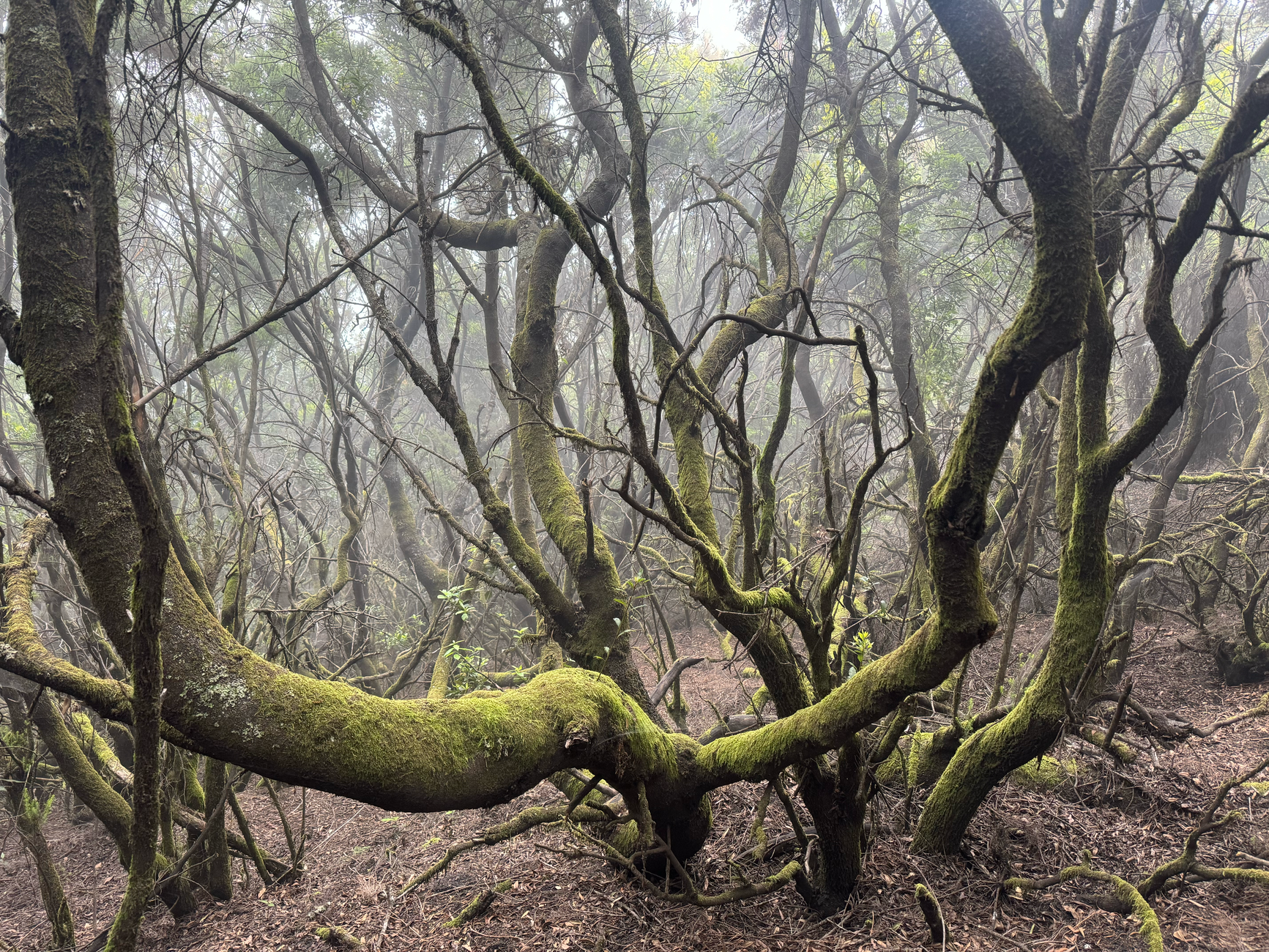

A Sanctuary at the Crossroads of Wind and Altitude
At over three thousand meters above sea level, the air in the oyamel fir forests of Michoacán and the State of Mexico carries a distinct chill and deep moisture. This unique ecosystem, shaped by the convergence of humid air currents from the Pacific Ocean and the Gulf of Mexico, has sustained one of the planet’s most extraordinary migratory phenomena for millennia: the arrival of millions of monarch butterflies after a journey of over four thousand kilometers from Canada and the United States. However, this fragile winter refuge has faced systemic pressures for decades, driven by clandestine logging, the expansion of agricultural frontiers, and the degradation of the forest understory, threatening the integrity of an ancient natural balance that today seeks restructuring from its very roots.
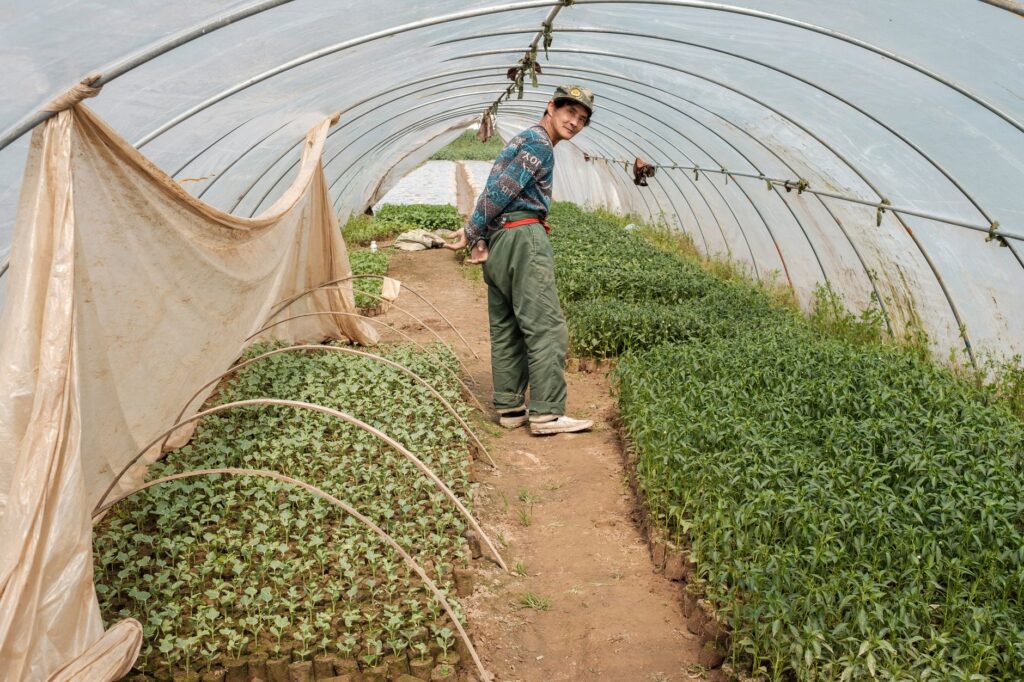
Faced with environmental wear and the limitations of traditional punitive conservation models, entire ejido communities and indigenous groups have taken the initiative in partnership with research centers and civil organizations. The core of this transformation does not lie in absolute prohibition, but in active landscape management. Through community tree nurseries dedicated exclusively to propagating native firs, pines, and oaks, local residents directly participate in recovering degraded zones, ensuring the arboreal canopy maintains the necessary density to protect the insects from freezing night temperatures and extreme winter storms.

The Science of the Understory and Hydrological Recovery
The health of a forest reserve of this magnitude depends not only on the majesty of its mature trees, but on the invisible complexity of its understory. For years, the extraction of deadfall and uncontrolled livestock grazing reduced low vegetation cover, altering the natural retention of moisture in volcanic soils. To reverse this trend, scientific teams and local park rangers have implemented temporary exclusion plots and hydrological restoration techniques based on trench-draining and dry-stone check dams. These structures allow rainwater to slowly infiltrate underground aquifers rather than eroding hillsides during the heavy tropical storm months.
This ecological engineering effort has demonstrated that soil recovery exponentially increases the biodiversity of fungi, ferns, and native shrubs that serve as habitats for pollinators and small mammals. Through constant monitoring via permanent sampling plots, local biologists gather monthly data on tree density, soil acidity, and the survival rates of reforested saplings. This rigorous scientific information allows adaptive management strategies to adjust planting plans to increasingly unpredictable climate variations caused by global warming, ensuring each planted tree possesses optimal conditions to withstand prolonged seasonal droughts.

Community Beekeeping: Sweetening the Future Without Cutting the Forest
One of the most notable socioeconomic innovations in the region has been productive diversification through community beekeeping. Traditionally, economic dependence on timber or subsistence agriculture pushed some families to pressure the core boundaries of the reserve. By introducing the production of multifloral cloud forest honey, communities have secured a direct economic incentive tied to the health and blooming of the surrounding vegetation. The more prosperous and diverse the forest ecosystem, the greater the yield and quality of honey, which is now marketed in specialized fair-trade markets under a protected designation of origin.
Regenerative beekeeping workshops held in local schools have trained dozens of youths in the technical management of rational beehives, hygienic extraction, and product traceability. This activity not only generates stable supplementary income for ejido families during the summer season when tourism volume decreases, but also reinforces the ecological role of native and European honeybees in the cross-pollination of understory plants. Thus, every jar of honey becomes tangible evidence that nature conservation and human well-being can coexist within a single productive landscape.

The Transformative Role of Low-Impact Ecotourism
Tourism in the monarch butterfly sanctuaries has shifted from disordered mass influxes to a visitor model based on strict carrying capacities and mandatory community guiding. Today, access points such as El Rosario or Sierra Chincua are regulated by local committees that cap daily visitor numbers, strictly prohibiting the use of loud electronic devices, physical contact with the insects, and venturing outside trails demarcated with hemp ropes. Local guides, many of them former farmers or converted loggers, offer detailed interpretations of the butterfly’s biological cycle, turning every horseback or walking tour into a masterclass in environmental education.
This paradigm shift has allowed the economic benefits of tourism to flow directly to local cooperatives, funding everything from school scholarships to improved drinking water systems in high-mountain communities. Touristic infrastructure has been designed with strict bioclimatic criteria: locally certified timber, dry toilets to prevent water spring contamination, and signage crafted from biodegradable materials. Thus, visitors assume an active role as co-responsibilities in habitat preservation, understanding that their presence in the forest should leave no trace other than their own footsteps on the leaf litter.
Climate Challenges and Territorial Resilience
Despite progress achieved over the past two decades, the Biosphere Reserve faces major external threats. Alterations in global precipitation patterns, prolonged heat waves during the boreal spring, and bark beetle outbreaks—potentiated by the water stress of the oyamel firs—test the resilience of the ecosystem. In response to this scenario, community surveillance committees conduct constant patrols to early-detect spots of forest infection, applying selective sanitation methods that avoid chemical pesticides and protect soil microfauna.
Furthermore, interinstitutional coordination between state governments, federal environmental protection agencies, and ejido communities has consolidated biological corridors connecting isolated forest fragments. These corridors allow wildlife—from pumas and white-tailed deer to various species of raptors—to move safely among the different protected natural areas of the Trans-Mexican Volcanic Belt. Citizen science and traditional indigenous knowledge thus intertwine in an early-warning network that anticipates risks and strengthens the adaptive capacity of the entire regional landscape against global climate uncertainty.

Practical guide
- How to get there: The main access to the monarch butterfly sanctuaries is from Mexico City or Morelia using private vehicles or intercity buses to the towns of Zitácuaro, Ocampo, or Angangueo. From these points, local transport or community taxis are required to ascend to the sanctuary entrances.
- When to go: The official season for viewing and sanctuary opening to the public runs from mid-November through late March, coinciding with the winter period when butterflies cluster tightly on oyamel tree branches.
- Visitor recommendations: Hiring an accredited local guide at the entrance of each sanctuary is mandatory. Visitors are advised to dress in layers due to cold morning temperatures in the high mountains, wear slip-resistant hiking footwear, and maintain absolute silence during colony observation.
- Accommodation and gastronomy: Small family-run hotels, rustic wooden cabins managed by ejidatarios, and authorized camping zones are available near the sanctuaries. Gastronomic options include local trout from nearby hatcheries, Tarascan soup, and traditional snacks prepared with native corn.
- Environmental regulations: Flash photography near the butterflies, littering, lighting campfires, or straying from marked trails is strictly prohibited to protect the fragile balance of the forest floor.
The Silent Pulse That Crosses Borders
As evening falls and temperatures drop sharply in the oyamel forest, millions of monarch butterflies compact on the high branches, forming dense clusters that resemble heavy golden mantles. In that absolute silence, broken only by the whispering wind through the fir canopies, the true scale of a collective effort transcending national borders becomes tangible. The survival of this migratory miracle no longer relies on the strict isolation of nature, but on the conscious will of human communities who have chosen to embrace the stewardship of their own landscape, proving that the most effective conservation is born from deep respect for the land and the shared conviction that the future of the forest is also the future of those who inhabit it.