
The metamorphosis of the arid horizon
For decades, tourism in the Gulf states was almost exclusively associated with architectural ostentation, unbridled luxury, and monumental feats of concrete and glass raised upon the sand. However, a silent yet profound transformation is sweeping through regional planning offices and development agencies. It is no longer enough to showcase the world’s tallest building or host the most expensive corporate summit; global competitiveness demands something far more complex and elusive: the authenticity born of diversity.
This paradigm shift responds to an inescapable contemporary demand. Today’s travelers, especially the new generations of professionals and tourists attending international congresses, festivals, and forums, reject homogeneous showcases. They require contexts where cutting-edge modernity coexists organically with historical roots and the multiple expatriate communities that form the real social fabric of these nations. Demographic diversity, far from being a mere statistical footnote, has become the most valuable strategic asset for conceiving memorable events.
Analyzing this phenomenon means looking beyond economic headlines and delving into the complex social machinery that makes planetary-scale gatherings possible. From Dubai to Doha, passing through Riyadh, organizers are discovering that long-term success lies in building bridges between traditional Bedouin heritage and the global cultural expressions inhabiting the territory. It is the birth of a new tourism grammar where the traveler ceases to be a passive spectator and becomes a participant in a multicultural narrative.
Architecture of plural hospitality
The design of large exhibition venues and convention centers in the region has evolved drastically. Spaces are no longer planned as isolated fortresses of air conditioning and marble, but as nodes integrated into the urban and social environment. This architectural openness facilitates fluid interaction between attendees and the daily life of cities, narrowing the gap between international visitors and local residents.
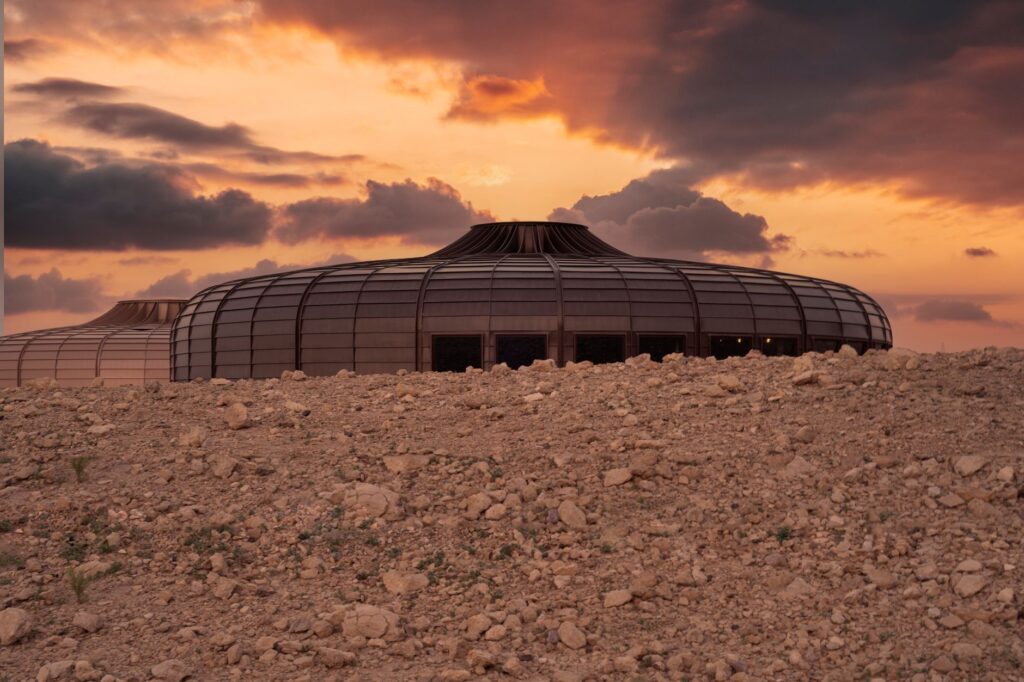
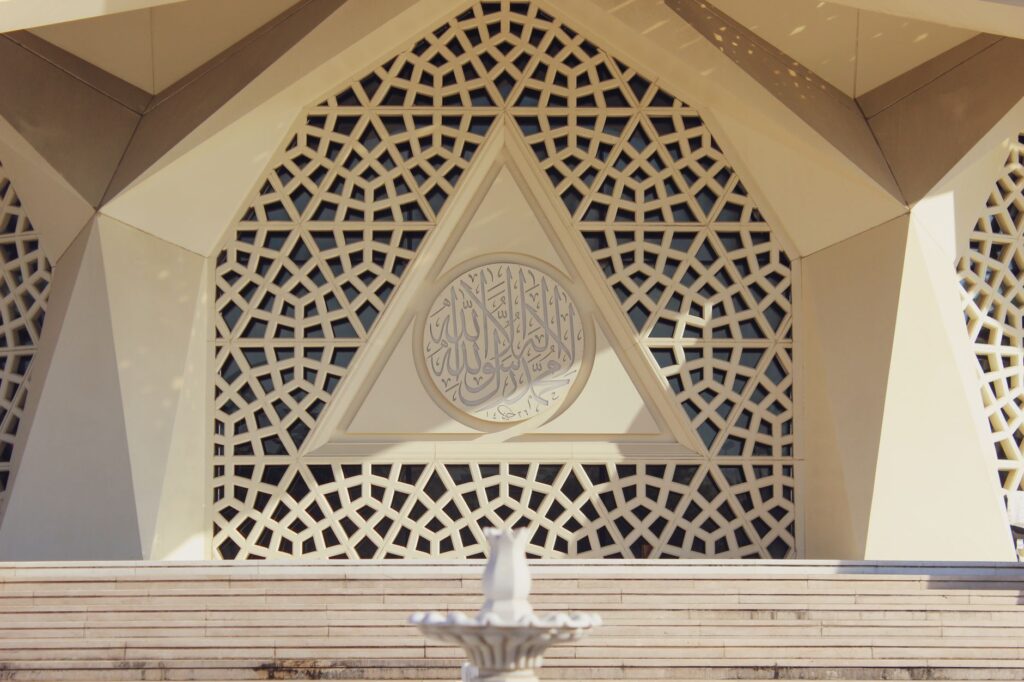
The inclusion of vernacular elements in contemporary structures demonstrates that modernity does not clash with identity. Courtyards inspired by traditional architecture, ventilation systems that reinterpret Persian windcatchers, and the use of local materials in interiors generate a unique atmosphere. These architectural details not only fulfill an aesthetic function but also communicate a clear message of respect for the territory and its historical legacies.
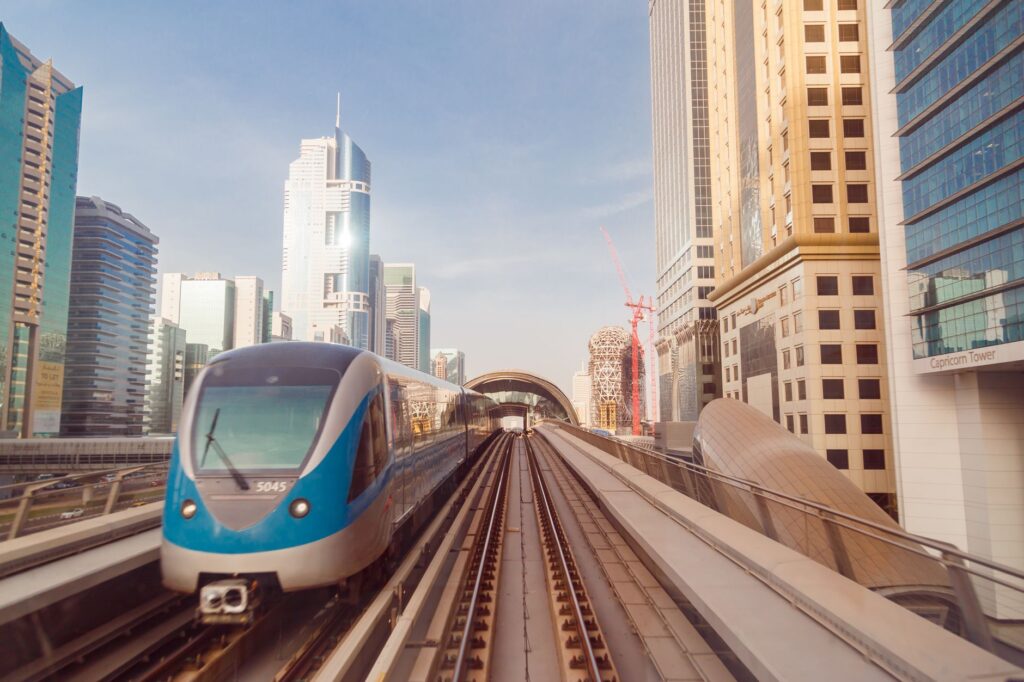
Likewise, mobility within these mega-events has been rethought under criteria of universal accessibility and sustainability. Electrified public transport networks connect airports with nerve centers, allowing both high-flying delegates and cultural backpackers to share journeys and everyday experiences, democratizing the urban experience in regions traditionally devoted to private vehicles.
Gastronomía as a cross-cultural language
If there is one arena where diversity manifests with overwhelming force, it is in the culinary offering linked to event tourism. Gulf cuisines are no longer limited to replicating standardized international menus to please the western traveler; they proudly celebrate a unique culinary miscegenation forged by decades of migratory flows from South Asia, the Mediterranean Levant, and East Africa.
During major international fairs and summits, corporate catering services have given way to gastronomic experiences that tell human stories. Local chefs collaborate hand-in-hand with expatriate cooks to rescue forgotten recipes, fusing Indian Ocean spices with native desert products and the Sea of Oman. This commitment to multicultural author cuisine elevates the event to a superior sensory category.
The shared table is humanity’s first parliament; in the Gulf, every dish served at a major forum is a treaty of cultural diplomacy and everyday miscegenation.
Furthermore, food sustainability management has become an essential requirement. Organizers implement strict protocols to reduce waste, prioritize small local hydroponic producers, and offer inclusive options that cater to any dietary restriction or religious belief, ensuring that no one is excluded from the community experience.
Immersion programs and community legacy
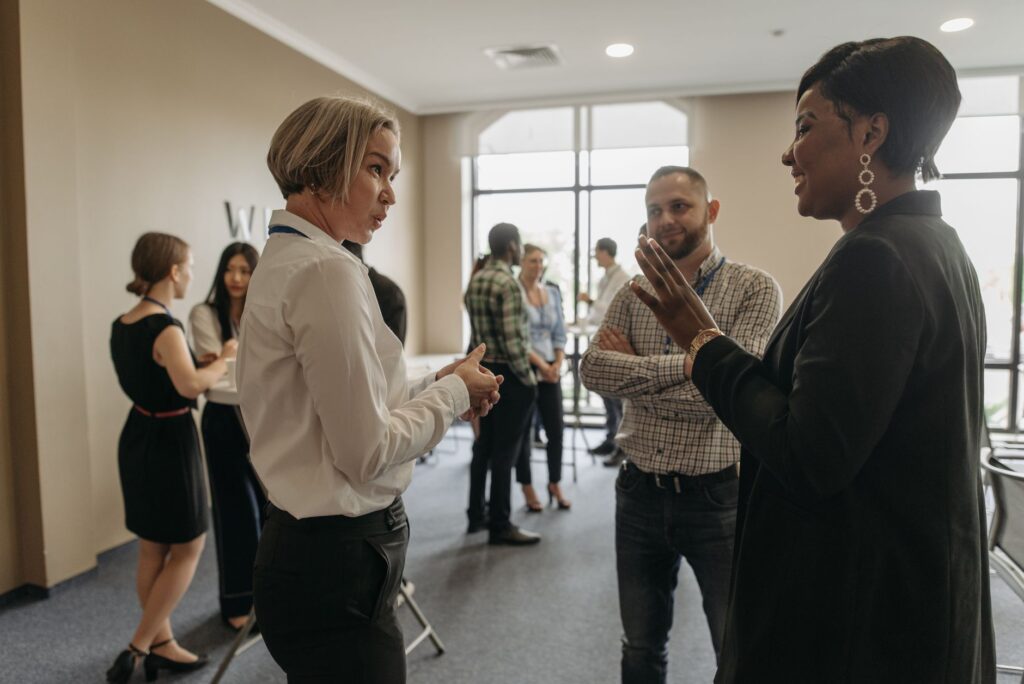
A successful event in the Gulf is no longer measured solely by the volume of commercial transactions closed during its three-day duration, but by the positive and lasting impact it leaves on host communities. Cultural immersion programs allow congress attendees to leave the closed circuits of luxury hotels and delve into historic neighborhoods, craft workshops, and community centers.
This openness fosters a highly enriching two-way exchange. Young locals participate as guides, cultural mediators, and content creators, contributing their native vision and demystifying clichés about the region. In turn, visitors discover a vibrant, diverse society in constant creative self-criticism, far removed from the monolithic image projected by traditional sun-and-sand tourism.
The concept of legacy translates into tangible investments: tourism training scholarships for young talents from underrepresented communities, support for artisan cooperatives, and the creation of permanent public spaces that continue generating activity long after the stands of the great convention are dismantled and the lights turned off.
The human pulse of organization
Behind every flawless international summit operates an invisible army of professionals from dozens of nationalities. The management of multicultural teams is the true operational engine of the tourism industry in the Gulf. Translators, lighting technicians, logistical coordinators, and protocol experts coexist in a highly complex and dynamic labor ecosystem.
This internal diversity is, paradoxically, the greatest guarantee of resilience and adaptability in the face of unforeseen events. Teams formed by people from different continents bring plural perspectives when solving logistical crises or adapting cultural content to global audiences. Respect for labor plurality not only improves the internal work climate but also infuses the treatment given to visitors with naturalness and empathy.
Local educational institutions collaborate closely with international universities to ensure this workforce receives the best training in inclusive hospitality, diversity management, and advanced sustainability, consolidating a new professional standard for the entire region.
Challenges and tensions in transition
Despite notable progress, the path toward a fully integrated and diverse event tourism model is not free of contradictions and structural pitfalls. Reconciling strict local cultural and legal regulations with the expectations of freedom and openness demanded by cutting-edge international events requires a constant exercise of diplomatic balancing.
International critics and observers frequently point out the need to accelerate reforms regarding labor rights and freedom of expression so that the facade of cosmopolitan modernity reflects a fully guaranteed legal reality. The most perceptive organizers recognize these challenges and advocate for frank, continuous dialogue with civil society organizations and UN agencies.
The true litmus test for the major destinations in the Gulf will not be the magnificence of their stadiums, but their ability to integrate constructive criticism into their future narrative.
Likewise, the climate challenge continues to loom over any mega-event held in arid environments. Reducing the carbon footprint of massive congresses demands titanic investments in renewable energies, efficient desalination, and environmental compensation—a race against time where technological innovation is the only possible lifeline.
Practical guide
Planning a business trip or attending major forums in the Gulf nations requires understanding their particular codes. Essential guidelines for a respectful and enriching experience are detailed below:
- Documentation and visas: Most countries in the region offer electronic visas or temporary exemptions for citizens of the European Union and Latin America. Always verify the minimum validity of your passport (six months).
- Dress code: Although permissiveness is high in hotel enclosures and free zones, dressing modestly in traditional public spaces—covering shoulders and knees—is recommended as a courtesy of cultural respect.
- Calendar and festivities: Always keep the Islamic lunar calendar in mind. Ramadan dates alter commercial hours, restaurant operations, and the usual schedule of meetings and corporate events.
- Connectivity and transport: Purchase a local eSIM upon arrival. Use official transport apps like Careem or Uber, and alternate with the automated metro in cities like Dubai and Doha to avoid congestion.
- Negotiation and protocol: Business agreements in the Gulf are cemented on personal trust. Allow time for the welcome coffee and relaxed conversation before addressing strictly contractual matters.
The silent horizon of experience
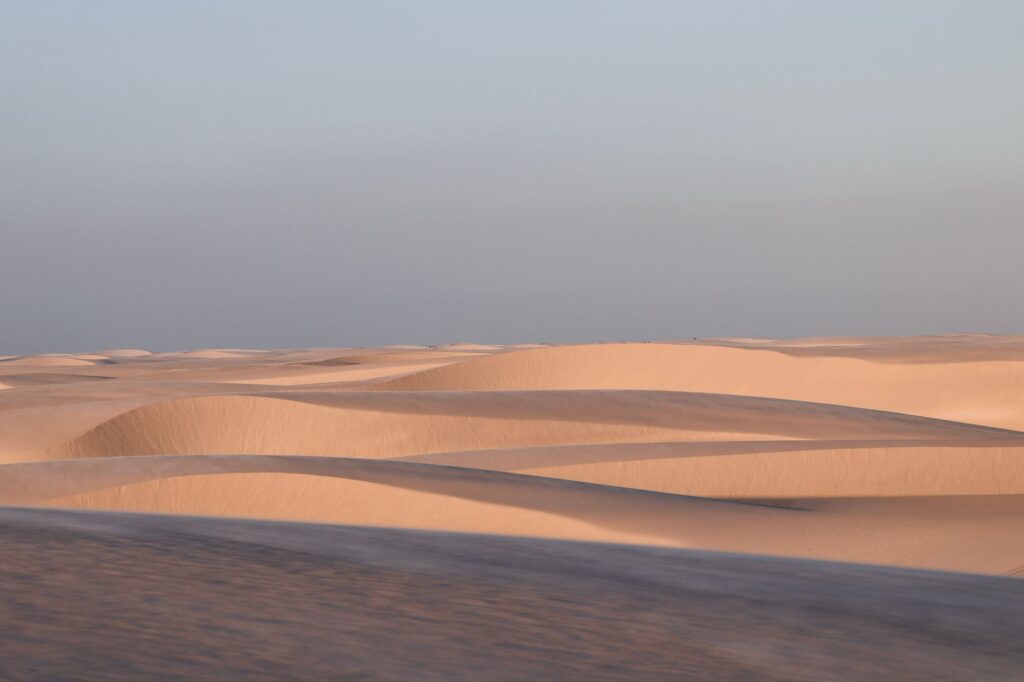
When the pavilions close their doors and the hustle and bustle of international delegations dissipates, the unalterable essence of the landscape remains. The desert, with its imperturbable vastness, reminds every traveler that the true measure of time is not governed by the tight agendas of congresses, but by the ancestral rhythm of sand and stars. The Gulf nations today face a fascinating crossroads where technology and demographic diversity compete to redefine the future of hospitality.
Understanding this territory requires accepting its contrasts without reductionist simplifications. It is an invitation to look beyond the artificial brilliance and discover a dynamic, complex, and deeply hospitable human community that, step by step, redesigns the coordinates of global tourism from the very heart of history.
Source: Expreso – Diario de viajes y turismo.